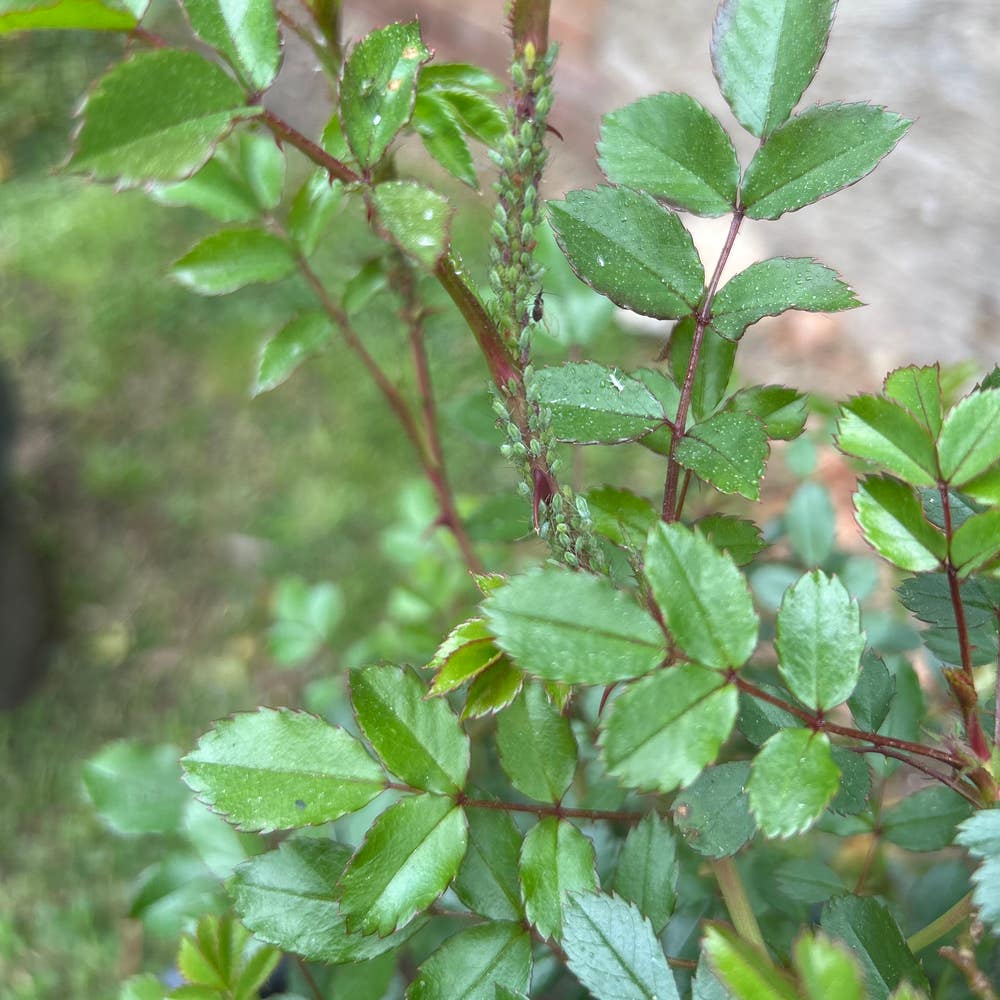
Why Your Multiflora Rose Buds Won't Open
Rosa multiflora
By the Greg Editorial Team
Jul 31, 2024•3 min read
This article was created with the help of AI so we can cover more plants for you. May contain errors. See one? Report it here.
Turn bud blunders into blooms 🌹 with these savvy tips for Multiflora Rose care!
- 🌞 Adequate sunlight is key—ensure six-plus hours for bud opening.
- ✂️ Proper pruning promotes blooms—prune in late winter/early spring.
- 🌹 Nutrients and care matter—use phosphorus-rich fertilizer, manage stress and pests.
Bud Opening Challenges
🌞 Inadequate Sunlight
Multiflora Roses crave sunshine to transition from tight buds to full blooms. Insufficient light can leave these buds frustratingly closed, akin to a locked treasure chest of potential beauty.
- Relocate potted roses to bask in more direct sunlight, ideally six or more hours a day.
- Trim surrounding foliage to reduce shade on garden-planted roses, ensuring they receive their solar fill.
Buds also need a balanced diet to flourish. Key nutrients like phosphorus are crucial for flower development, and a lack can leave buds listless and underdeveloped.
- Apply a balanced fertilizer rich in phosphorus during the growing season to nourish your roses.
- Conduct soil tests to tailor your fertilization plan, addressing any specific deficiencies detected.
🌿 Improper Pruning
Pruning is an art that, when done correctly, can encourage robust bud development. However, incorrect cuts can sabotage the bloom cycle, leaving you with a bush full of potential that never realizes its floral fate.
- Prune after the flowering season to avoid cutting off next year's buds.
- Focus on removing dead or weak growth to direct the plant's energy to the promising buds.
Environmental and Biological Factors
🐛 Pests and Diseases
Pests and diseases can be the secret saboteurs of your Multiflora Rose's bloom cycle. Aphids, spider mites, and fungal infections like black spot are notorious for hindering flower development. Here's how to fortify your roses against these invaders:
- Regularly inspect your plants for signs of pests or disease.
- Introduce beneficial insects, such as ladybugs, that prey on harmful pests.
- Apply horticultural oils or organic fungicides to manage infestations and infections.
- Keep your gardening tools clean to prevent the spread of disease.
Stress conditions are like the unexpected plot twists in your Multiflora Rose's life story. Extreme temperatures, improper watering, and air pollutants can all lead to bud drop and poor flower development. To shield your roses from these stressors:
- Mulch around the base to regulate soil temperature and moisture.
- Water consistently, adjusting for rainfall and seasonal changes.
- Protect your roses from extreme weather with covers or by choosing a sheltered location.
- Improve indoor air quality with filtration or by increasing air circulation.
Cultivation Practices for Healthy Buds
Optimizing Light and Shade
Multiflora Roses crave just the right amount of sunshine to unfurl their petals. Here's how to hit the sweet spot:
- Position your roses where they'll bask in full sun for at least six hours a day, especially during the bloom cycle.
- For potted roses, rotate them regularly to ensure all sides receive equal light, preventing lopsided growth.
- If your roses are in too much shade, consider pruning nearby foliage to let in more light or relocating them to a sunnier spot.
💐 Fertilization for Flowering
Feeding your roses can be a game-changer for flower development. Stick to these fertilization fundamentals:
- Use a balanced fertilizer rich in phosphorus to encourage bud opening; phosphorus is the secret sauce for blooms.
- Apply fertilizer in early spring as roses exit dormancy, and follow up with a consistent schedule through the blooming season.
- Watch for signs of over-fertilization like salt buildup or leaf burn, and adjust your approach accordingly.
🌿 Seasonal Pruning Guide
Pruning isn't just about looks; it's about health and bloom maximization. Here's your pruning playbook:
- The best time to prune is late winter to early spring, just before new growth starts.
- Focus on removing dead or weak branches to direct energy to the buds and maintain good air circulation.
- After the first bloom, deadhead spent flowers to encourage a second wave of blossoms.
⚠️ Safety First
This content is for general information and may contain errors, omissions, or outdated details. It is not medical, veterinary advice, or an endorsement of therapeutic claims.
Always consult a qualified healthcare professional before using any plant as food, medicine, or supplement.
Never eat any plant (or feed one to pets) without confirming its identity with at least two trusted sources.
If you suspect poisoning, call Poison Control (800) 222-1222, the Pet Poison Helpline (800) 213-6680, or your local emergency service immediately.
Spotted an error? Please report it here.
Ensure your Multiflora Roses flourish 🌹 with Greg's custom care plans, including sunlight tracking and pruning reminders, for buds that won't shy away from blooming.