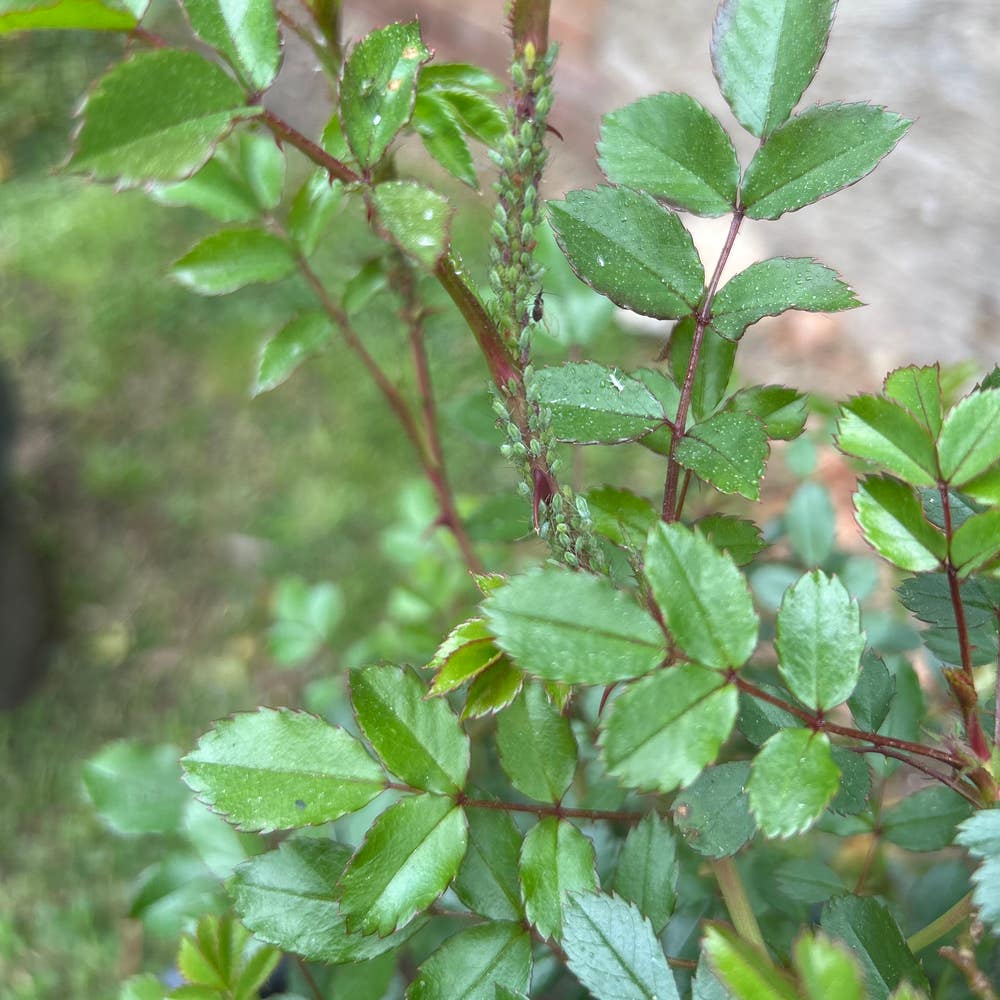
7 Key Factors in Choosing a Multiflora Rose Pot
Rosa multiflora
By the Greg Editorial Team
Jul 31, 2024•4 min read
This article was created with the help of AI so we can cover more plants for you. May contain errors. See one? Report it here.
Ensure your Multiflora Rose thrives 🌹 with the ultimate guide to selecting the ideal pot! 🌱
- 🌹 Drainage holes are essential to prevent root rot in Multiflora Rose.
- 📏 Upsize pots gradually as roots show or growth slows.
- 🌿 Material affects watering: Clay for airflow, plastic for moisture.
Pot Size Selection
🌱 Starting Small
- Seedlings and young Multiflora Rose plants do best in pots that are 2 to 4 inches in diameter.
- This size balances soil moisture, providing enough water without risking waterlogging.
📈 Upsizing Pots
- Transition to larger pots when roots emerge from drainage holes or growth seems to slow.
- Increase pot size gradually, opting for a new pot that is 1-2 inches larger in diameter to support healthy root development.
Drainage Essentials
Importance of Drainage Holes
🌪️ Drainage holes are a must-have for your Multiflora Rose's pot. They act as an escape route for excess water, safeguarding the plant's roots from becoming waterlogged and developing root rot. Here's why they're essential:
- They prevent the accumulation of moisture that can harm the plant's roots.
- They help flush out salts from tap water and fertilizers, which can build up and damage the plant.
Preventing Waterlogging
💧 To keep your Multiflora Rose healthy, it's not just about having drainage holes; it's also about managing them effectively. Here are some tips to prevent waterlogging:
- Ensure the drainage holes are not obstructed by soil or debris.
- Consider adding a layer of gravel or river rocks at the bottom of the pot to enhance drainage.
- Mix perlite or coarse sand into your soil to improve its drainage capabilities.
Material Matters
Clay vs. Plastic
When it comes to Multiflora Rose, the pot material can be a game-changer. Let's dive into the classic debate: clay versus plastic.
Clay Pots:
- They breathe! Airflow through the porous walls means roots get plenty of oxygen.
- Stability is their middle name, thanks to their weight.
- They're like a detox spa for your plant, leaching out excess salts.
- But, they're thirsty, requiring more frequent watering.
- And remember, they can shatter if you're a bit clumsy.
Plastic Pots:
- Lightweight champions, easy to move around.
- They hold moisture like a camel, less watering for you.
- Available in a rainbow of colors and styles.
- However, they can turn into mini-swamps without proper drainage.
- Not the best at insulating roots from temperature swings.
Other Material Options
Beyond clay and plastic, there's a world of pots for your Multiflora Rose:
- Ceramic: Aesthetically pleasing with similar benefits to clay, often glazed for a decorative flair.
- Wood: Adds a rustic touch, but watch for decay.
- Metal: Stylish, yet they can cook your plant's roots on a hot day.
- Fiberglass: Faux-heavyweight, durable, and comes in many designs.
- Fabric: The breathable innovator, great for roots but dries out quickly.
Choose wisely, as the right material can set the stage for a flourishing Multiflora Rose.
Repotting Multiflora Rose
Signs for Change
Multiflora Roses, like any plant, occasionally outgrow their homes. It's crucial to spot the signs that it's time for a change. Here are the red flags:
- Growth has slowed or stopped, despite proper care.
- Roots are visible at the soil surface or poking through drainage holes.
- The plant dries out rapidly after watering, indicating a root-bound situation.
- Leaves display a yellowish hue or other signs of distress.
Selecting a New Pot
Choosing a new pot for your Multiflora Rose is about more than just aesthetics. Consider these factors:
- Size: The new container should be larger than the old one but not excessively so; a pot that's too big can lead to waterlogging.
- Material: Clay pots offer breathability, while plastic pots retain moisture. Match the material to your watering habits and the rose's needs.
- Drainage: Ensure the pot has adequate drainage holes to prevent root rot and other moisture-related issues.
Environmental Considerations
Indoor vs. Outdoor
When selecting a pot for your Multiflora Rose, consider the stark differences between indoor and outdoor environments.
🏡 Indoor Considerations
- Microclimate Control: Indoors, pots must contend with artificial heating and cooling, which can dry out the air or introduce drafts. Choose pots that help maintain consistent soil moisture.
- Light Access: A pot placed near a sunny window can make all the difference for your rose, ensuring it gets the bright light it craves without the risk of overheating.
🌳 Outdoor Considerations
- Weather Resistance: Outdoor pots face the elements head-on. Opt for materials that can withstand temperature fluctuations and intense sunlight.
- Size and Stability: Larger, heavier pots resist tipping in strong winds and accommodate the Multiflora Rose's vigorous growth in open spaces.
Remember, the right pot not only complements your decor but also supports the unique environmental needs of your Multiflora Rose, whether it's basking in the living room's filtered light or flourishing on a breezy balcony.
⚠️ Safety First
This content is for general information and may contain errors, omissions, or outdated details. It is not medical, veterinary advice, or an endorsement of therapeutic claims.
Always consult a qualified healthcare professional before using any plant as food, medicine, or supplement.
Never eat any plant (or feed one to pets) without confirming its identity with at least two trusted sources.
If you suspect poisoning, call Poison Control (800) 222-1222, the Pet Poison Helpline (800) 213-6680, or your local emergency service immediately.
Spotted an error? Please report it here.
Find the ideal pot 🌹 for your Multiflora Rose with Greg's PlantVision, which measures pot size and advises on the best environment for thriving plants.