How Can You Tell If A Multiflora Rose Is Dying?
Rosa multiflora
By the Greg Editorial Team
Jun 18, 2024•3 min read
This article was created with the help of AI so we can cover more plants for you. May contain errors. See one? Report it here.
Spot the SOS 🆘 of a dying Multiflora Rose and act fast to keep its beauty thriving! 🌹
- Wilting and yellowing suggest watering issues; adjust your routine.
- Pests and mold threaten roses; use natural predators and good air circulation.
- Consistent light and temperature are crucial to prevent leaf scorch and stunted growth.
Spotting the Distress Signals in Multiflora Rose
🥀 Wilting and Yellowing Leaves
Wilting in Multiflora Roses can be a theatrical display for attention, often due to watering mishaps. Over-watering leads to leaves that feel like a limp handshake, while under-watering results in a crispiness akin to autumn leaves. Check the soil; if it's dry, it's time to quench your rose's thirst. Conversely, if the soil feels like a wrung-out sponge, ease up on the water.
🌿 Pale Leaves and Stunted Growth
When your Multiflora Rose starts sporting pale leaves and halts its growth, it's likely throwing shade at the lack of light. Consistent lighting is key, as is avoiding the mood swings of temperature extremes. Aim for a steady climate and ample sunlight to keep your rose's growth from stalling.
🌱 Root Troubles Below the Surface
Root rot is the silent killer of many a plant, and it's no different for the Multiflora Rose. Signs of trouble include roots that feel like overcooked noodles. Healthy roots should be firm and a clean white, not mushy and dark. To prevent a root rot requiem, ensure proper drainage and avoid letting your rose sit in soggy soil.

The Unseen Enemies: Pests and Diseases
🐛 Pests: The Tiny Terrors
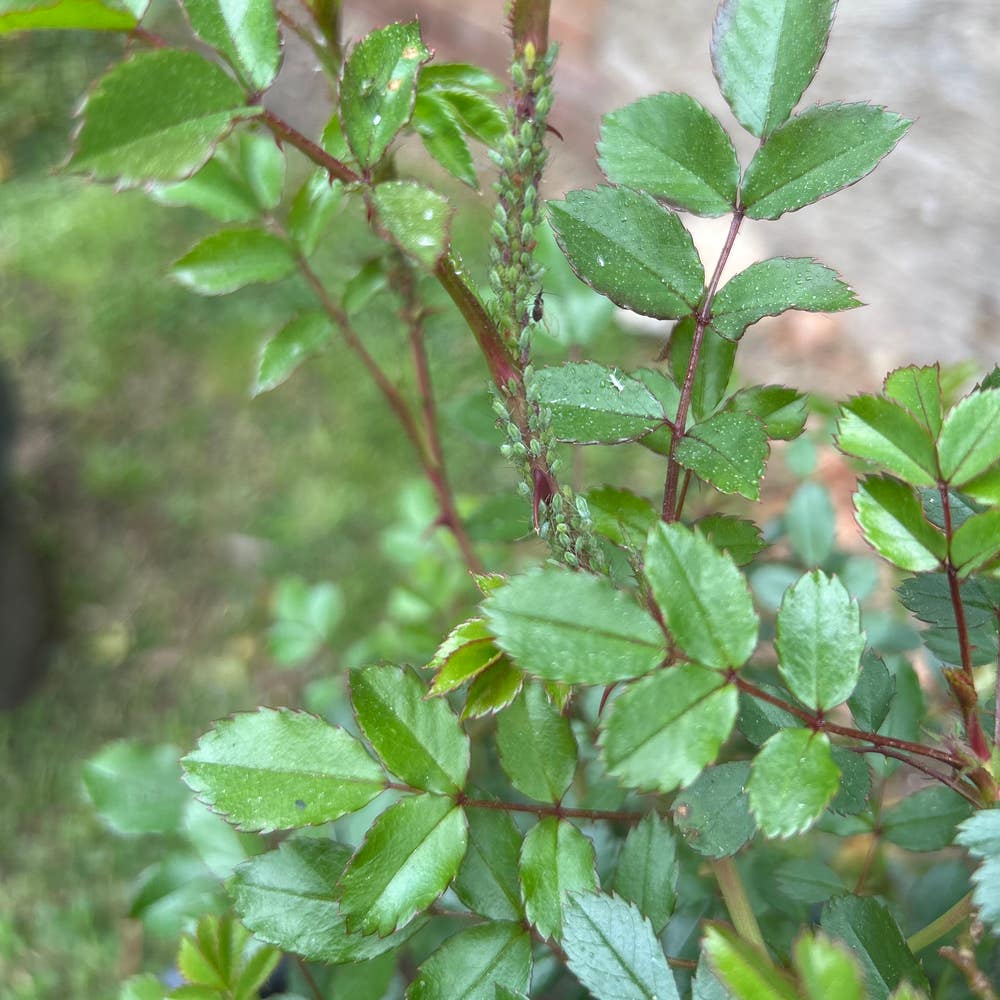
Aphids, spider mites, and Japanese beetles are the trifecta of trouble for Multiflora Roses. These pests are like uninvited guests that refuse to leave, sucking the life out of your plants. Aphids are notorious for their love affair with rose leaves, leaving them curled and distorted. Spider mites, meanwhile, spin their fine webs and cause leaves to speckle and bronze. Japanese beetles? They're the bullies of the garden, chomping through leaves and flowers with a voracious appetite.
To combat these invaders, start with natural predators like ladybugs and lacewings, which have a taste for aphids and mites. If they're not up to the task, you may need to resort to organic or chemical treatments. Remember, it's a delicate balance—don't go full Rambo on them; your rose is in the crossfire.
🍄 Mold and Fungus: The Silent Invaders
Mold and fungal infections are the ninjas of the plant world—silent, stealthy, and potentially deadly. They leave behind their calling cards: black spots, powdery mildew, or rust that can disfigure your rose's beautiful foliage. Black spot is particularly notorious, causing dark, circular lesions on leaves, which often leads to defoliation.
To keep these silent invaders at bay, focus on prevention. Ensure good air circulation, avoid wetting the foliage, and clean up any fallen debris. If you spot signs of infection, remove the affected areas and consider applying a fungicide. It's like setting up a security system for your plant—deterrence is key, but be ready to act if an intruder slips through.

When the Environment Burns: Leaf Scorch and Temperature Extremes
🌞 Leaf Scorch: More Than Just a Summer Tan
Multiflora Roses can get too much of a good thing—sunlight. When leaf edges turn crispy and brown, it's not just a summer tan; it's a distress signal.
Immediate action is key. Shift your rose to where the sun gently caresses but doesn't overwhelm. Think morning light and afternoon shade.
🌡️ Temperature Swings: The Invisible Stressor
Temperature swings are like bad surprises for Multiflora Roses. Wilting or premature flowering can indicate your rose is feeling the heat.
Consistency is comfort. Protect your rose from drafts and extreme temperature changes to prevent stress. Keep it in a stable environment to avoid a botanical meltdown.

⚠️ Safety First
This content is for general information and may contain errors, omissions, or outdated details. It is not medical, veterinary advice, or an endorsement of therapeutic claims.
Always consult a qualified healthcare professional before using any plant as food, medicine, or supplement.
Never eat any plant (or feed one to pets) without confirming its identity with at least two trusted sources.
If you suspect poisoning, call Poison Control (800) 222-1222, the Pet Poison Helpline (800) 213-6680, or your local emergency service immediately.
Spotted an error? Please report it here.
Ensure your Multiflora Roses thrive 🌹 with Greg's custom care reminders that tackle watering, pests, and climate consistency, keeping common ailments at bay.