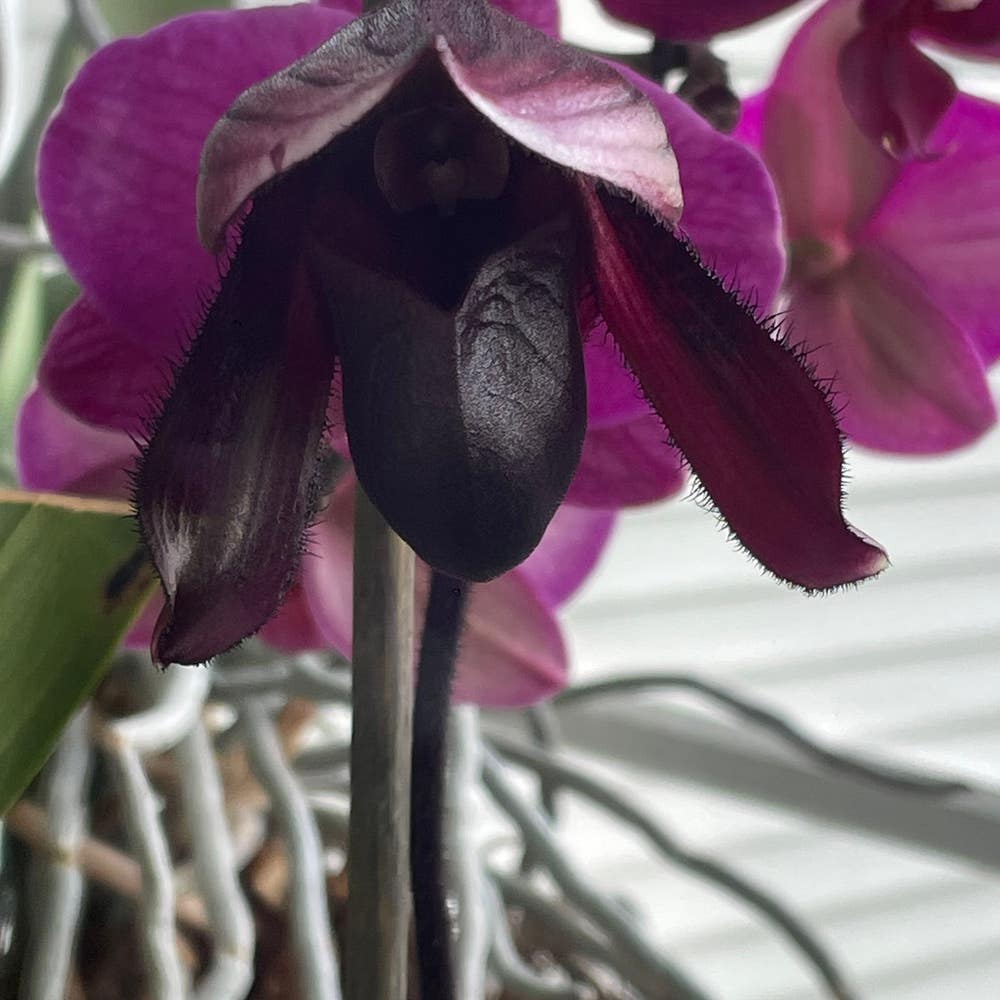
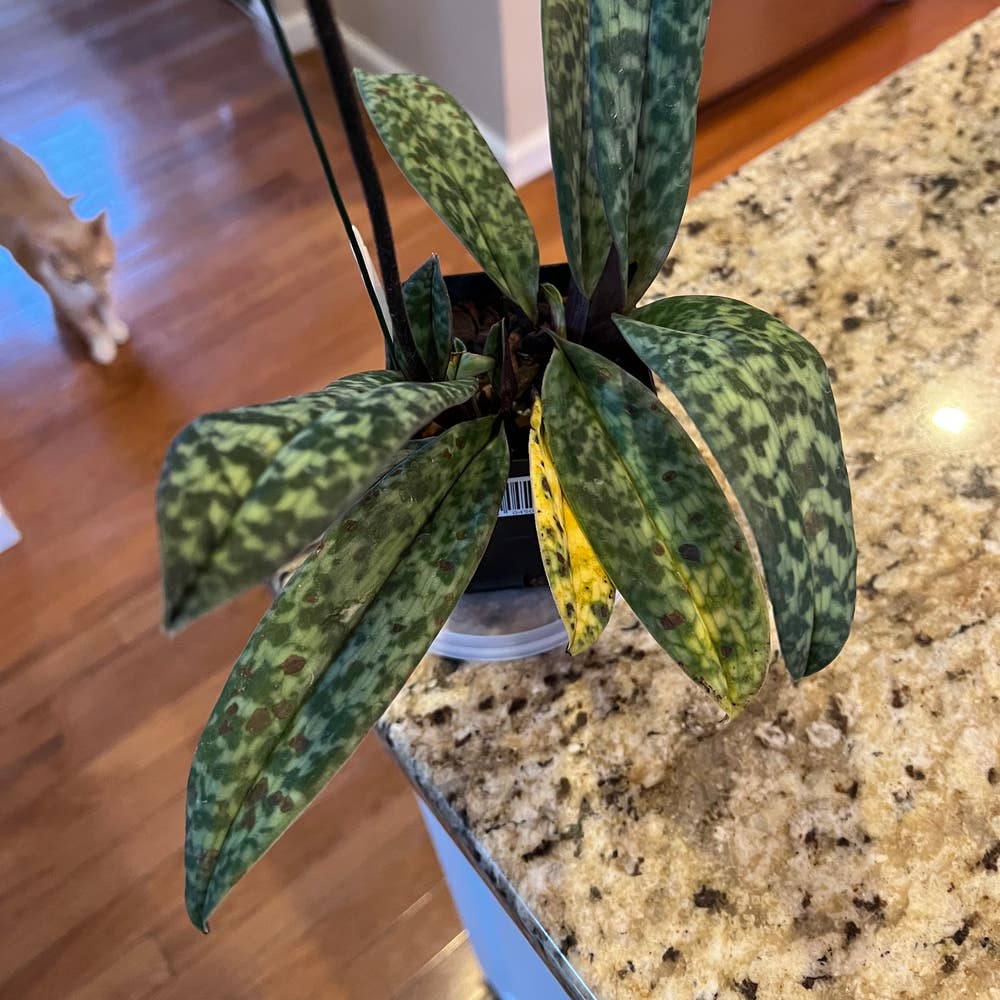
🌸 Best Spots to Plant Your Fairrie's Paphiopedilum
Paphiopedilum fairrieanum
By the Greg Editorial Team
Sep 29, 2024•4 min read
This article was created with the help of AI so we can cover more plants for you. May contain errors. See one? Report it here.
- 🌞 Fairrie's Paphiopedilum thrives in 50-70% shade; avoid excessive sunlight to prevent damage.
- 🌱 Use a well-draining soil mix: 50% bark, 30% moss, 20% perlite for optimal growth.
- 🌿 Regularly check soil moisture; keep it moist but not soggy for healthy roots.
Sunlight Exposure
Optimal Light Conditions for Growth 🌤️
Fairrie's Paphiopedilum thrives in dappled sunlight or partial shade. Aim for 50-70% shade to replicate its natural habitat, ensuring your plant gets the light it craves without the harshness of direct sun.
Effects of Too Much or Too Little Sunlight 🌞
Too much sunlight can lead to leaf burn, yellowing, and wilting. Conversely, insufficient light results in stunted growth, elongated stems, and poor flowering, leaving your plant looking less than its best.
Understanding these light needs is crucial for nurturing a healthy Fairrie's Paphiopedilum. With the right conditions, you can enjoy vibrant blooms and lush foliage.
Next, let’s explore the ideal soil type and conditions for your plant’s success.
Soil Type and Conditions
Preferred Soil Composition 🌱
Fairrie's Paphiopedilum thrives in well-draining, organic-rich soil. A recommended mix consists of 50% bark, 30% sphagnum moss, and 20% perlite to ensure proper aeration.
Importance of Drainage and Aeration 🚰
This orchid is particularly sensitive to root rot, making proper drainage crucial for its health. Signs of poor drainage include water pooling, yellowing leaves, and mushy roots, all of which can spell trouble for your plant.
Tips for Achieving Ideal Soil Conditions 📝
- Regularly Check Soil Moisture: Ensure the soil remains moist but not soggy.
- Repot as Needed: Refresh the soil mix every couple of years to maintain aeration and nutrient levels.
Enhancing Soil Quality 🌿
Consider adding organic fertilizers to boost nutrient content. This can help your Fairrie's Paphiopedilum flourish and produce vibrant blooms.
Conclusion 🏆
By focusing on the right soil composition and ensuring excellent drainage, you set the stage for a thriving Fairrie's Paphiopedilum. Next, let’s explore how to assess the best spot for your plant, considering sunlight and shade patterns.
Proximity to Other Plants or Structures
🌱 Companion Plants that Benefit Fairrie's Paphiopedilum
Fairrie's Paphiopedilum thrives alongside other orchids, ferns, and shade-tolerant plants. These companions not only share similar humidity needs but also help create a microenvironment that enhances humidity levels.
Companion planting can significantly reduce competition for light. When you group these plants together, they can support each other's growth, leading to a healthier garden overall.
🚫 Avoiding Overcrowding and Competition for Resources
To ensure optimal growth, maintain a spacing of at least 12-18 inches between your Fairrie's Paphiopedilum and neighboring plants. This distance allows for adequate air circulation, which is crucial for preventing fungal diseases.
Consider the root systems of nearby plants. Overcrowding can lead to competition for nutrients and water, which may stunt the growth of your orchids. By giving each plant enough room, you create a thriving ecosystem that benefits everyone involved.
As you plan your garden layout, think about how these elements interact. The right companions and spacing can make all the difference in achieving a lush, vibrant display.
Assessing the Best Spot
Evaluating Sunlight and Shade Patterns 🌞
To find the perfect spot for your Fairrie's Paphiopedilum, start by observing sunlight conditions throughout the day. Monitor the light at different times—morning, noon, and afternoon—to get a clear picture of how much sun your plant will receive.
Using a sun calculator or app can simplify this process. These tools help track sunlight exposure, ensuring you choose a location that meets your plant's needs.
Identifying Areas with Consistent Shade 🌳
Next, look for areas that provide consistent shade, such as spots under trees or structures. These locations often offer filtered light, which is ideal for your orchid.
Assess how long these shaded areas remain cool throughout the day. Ensuring adequate light exposure while avoiding direct sunlight will help your Fairrie's Paphiopedilum thrive.
With the right sunlight and shade patterns in place, your plant will be well on its way to flourishing. Now, let’s explore the importance of wind protection and drainage for optimal growth.
Wind Protection and Drainage
🌬️ Importance of Wind Protection
Wind can be a silent enemy for your Fairrie's Paphiopedilum. It leads to stress, causing wilting and leaf drop, which can hinder your plant's growth.
🏡 Best Practices for Providing Shelter
To protect your orchids, position them near structures like walls or fences that block harsh winds. You can also use taller plants or garden structures as windbreaks to create a more sheltered environment.
🚰 Ensuring Proper Drainage
Proper drainage is crucial for the health of your Fairrie's Paphiopedilum. Signs of poor drainage include water pooling, slow absorption, and symptoms of root rot.
🛠️ Solutions for Improving Drainage in Planting Areas
Consider using raised beds or mounds to enhance drainage. Additionally, incorporating coarse materials like gravel or sand into your soil mix can significantly improve aeration and drainage.
With the right wind protection and drainage solutions, your Fairrie's Paphiopedilum will thrive, setting the stage for vibrant blooms. Next, let's explore how to assess the best spot for your plant by evaluating sunlight and shade patterns.
⚠️ Safety First
This content is for general information and may contain errors, omissions, or outdated details. It is not medical, veterinary advice, or an endorsement of therapeutic claims.
Always consult a qualified healthcare professional before using any plant as food, medicine, or supplement.
Never eat any plant (or feed one to pets) without confirming its identity with at least two trusted sources.
If you suspect poisoning, call Poison Control (800) 222-1222, the Pet Poison Helpline (800) 213-6680, or your local emergency service immediately.
Spotted an error? Please report it here.
Ensure your Fairrie's Paphiopedilum thrives beautifully 🌿 by using Greg for personalized care tips and reminders that help you find the perfect planting spot!