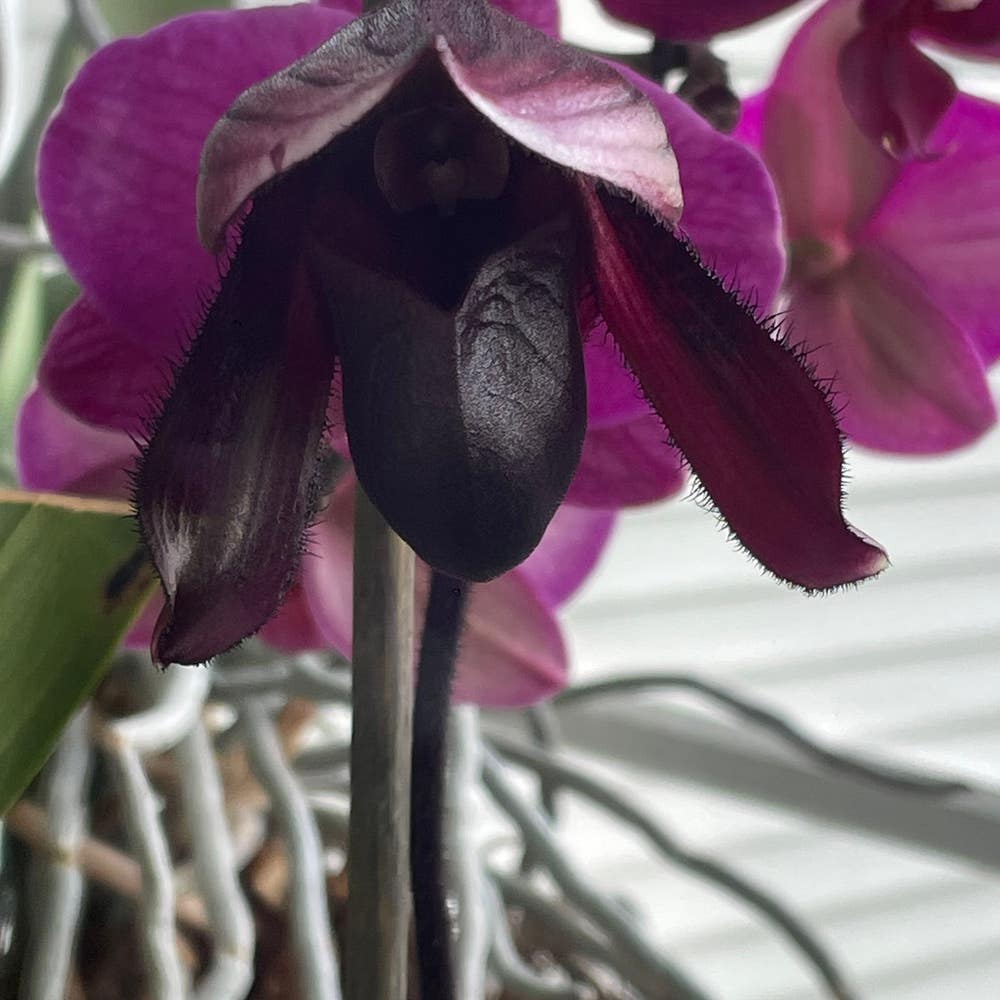
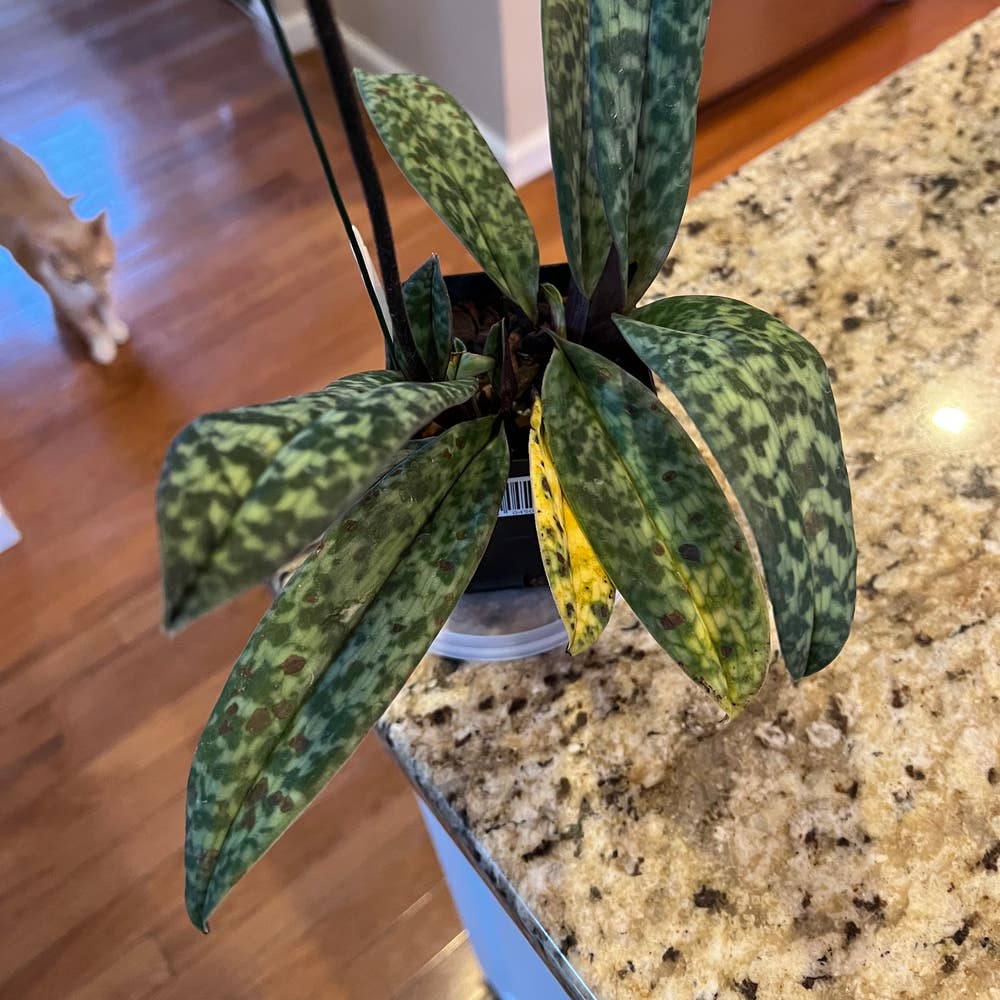
🌞 Is Direct Sunlight Good for My Paphiopedilum fairrieanum?
Paphiopedilum fairrieanum
By the Greg Editorial Team
Apr 06, 2024•4 min read
This article was created with the help of AI so we can cover more plants for you. May contain errors. See one? Report it here.
- East/West windows ideal for Paphiopedilum fairrieanum's light needs.
- 🌅 Morning/late afternoon sun is safe; avoid midday intensity.
- Balance humidity and airflow to maintain orchid health.
Sunlight Decoded: What Does Paphiopedilum fairrieanum Prefer?
🌞 Direct vs. Indirect Sunlight for Your Orchid
Navigating the sunlight spectrum is crucial for the well-being of your Paphiopedilum fairrieanum. Too much direct sunlight can be detrimental, causing leaves to pale or yellow. These orchids thrive in light conditions similar to those of African Violets, favoring a diminished light environment.
East or west-facing windows are ideal, providing 1000 to 1500 foot-candles of light. The cooler temperatures of the morning make an east exposure more favorable. A south window can work if the light is filtered to prevent leaf burn. For those considering artificial lights, fluorescent or LED grow lights can be a good substitute, with varying hours to mimic natural seasonal changes.
🧭 The Window Compass: Navigating Light for Your Orchid
The direction your windows face plays a significant role in the health of your Paphiopedilum fairrieanum. North-facing windows often provide the gentlest light, while south-facing ones can be too intense without proper shading. West-facing windows may offer a suitable balance, especially if they catch the softer afternoon light.
Adjusting for hemisphere differences is important. In the Southern Hemisphere, north-facing windows are the brightest. Regardless of location, the goal is to provide bright but indirect light, avoiding the harsh midday sun that can lead to sunburned leaves.
When the Sun Kisses the Leaves: Tolerating Direct Sunlight
🌞 Early Bird or Twilight Fan?
Early morning or late afternoon sunlight can be a treat for Paphiopedilum fairrieanum. These are the times when the sun's rays are gentle enough to mimic the dappled light of its natural habitat without causing harm.
Signs of too much sun include leaves that turn yellow or brown, a surefire signal that your orchid is pleading for shade. If the foliage starts to look more like a piece of forgotten toast than a vibrant plant, it's time to rethink your sunlight strategy.
🛡️ Shielding Strategies: Protecting Paphiopedilum fairrieanum
Curtain calls and strategic placement of sheer fabrics can be the difference between a thriving orchid and a sun-scorched one. Think of these barriers as sunglasses for your plant, offering protection from the harsh midday glare.
Relocating your Paphiopedilum fairrieanum throughout the year is not just a suggestion—it's a survival tactic. As the seasons change, so should your orchid's position in your home, ensuring it gets the right amount of light without the side effects of overexposure.
The Balancing Act: Temperature and Humidity in the Spotlight
🌡️ Keeping It Cool: Temperature Tips
In the orchid world, Paphiopedilum fairrieanum is a bit of a diva when it comes to temperature. Consistency is the name of the game. These plants don't appreciate the shock of sudden temperature changes. Imagine the discomfort of stepping out of a sauna into a snowstorm—that's how your orchid feels with rapid temperature swings.
To keep things steady, avoid placing your plant near radiators or drafty windows. It's about creating a microclimate that doesn't mimic a disaster movie—no sudden chills or heat waves allowed. Think of it as setting up a backstage area that's just right for your star performer.
💦 Humidity Haven: Moisture Matters
Humidity and Paphiopedilum fairrieanum go together like coffee and mornings. Too dry, and you'll have a plant with more wrinkles than a linen shirt. Too moist, and you're basically hosting a fungal fiesta. Aim for that just-right level of air moisture that keeps your orchid happy without inviting trouble.
Airflow is the wingman to humidity. A gentle fan can prevent the air from becoming stagnant, which is basically a siren call for pests and diseases. It's like giving your plant a breath of fresh air without the need for a walk in the park.
Remember, a hygrometer isn't just a fancy gadget—it's your humidity detective. Keep an eye on it to ensure your plant's environment is more spa-like and less desert or swamp. If the air's too dry, a pebble tray or humidifier can up the ante, creating a mini oasis. Just remember, it's a balancing act—too much humidity without proper air circulation is the botanical equivalent of a bad hair day.
⚠️ Safety First
This content is for general information and may contain errors, omissions, or outdated details. It is not medical, veterinary advice, or an endorsement of therapeutic claims.
Always consult a qualified healthcare professional before using any plant as food, medicine, or supplement.
Never eat any plant (or feed one to pets) without confirming its identity with at least two trusted sources.
If you suspect poisoning, call Poison Control (800) 222-1222, the Pet Poison Helpline (800) 213-6680, or your local emergency service immediately.
Spotted an error? Please report it here.
By tracking sunlight and moisture levels with Greg, you'll give your Paphiopedilum fairrieanum the perfect glow 🌟 without the guesswork.