🦋 What's Eating Your Fairrie's Paphiopedilum
Paphiopedilum fairrieanum
By the Greg Editorial Team
Sep 29, 2024•6 min read
This article was created with the help of AI so we can cover more plants for you. May contain errors. See one? Report it here.
- 🌸 Fairrie's Paphiopedilum attracts pollinators while facing threats from various herbivores.
- 🦌 Deer, rabbits, and squirrels can damage your plant; use repellents and fencing.
- 🌿 Monitor regularly and adjust strategies seasonally to protect your Paphiopedilum effectively.
Description and Appeal
🌺 Appearance and Features
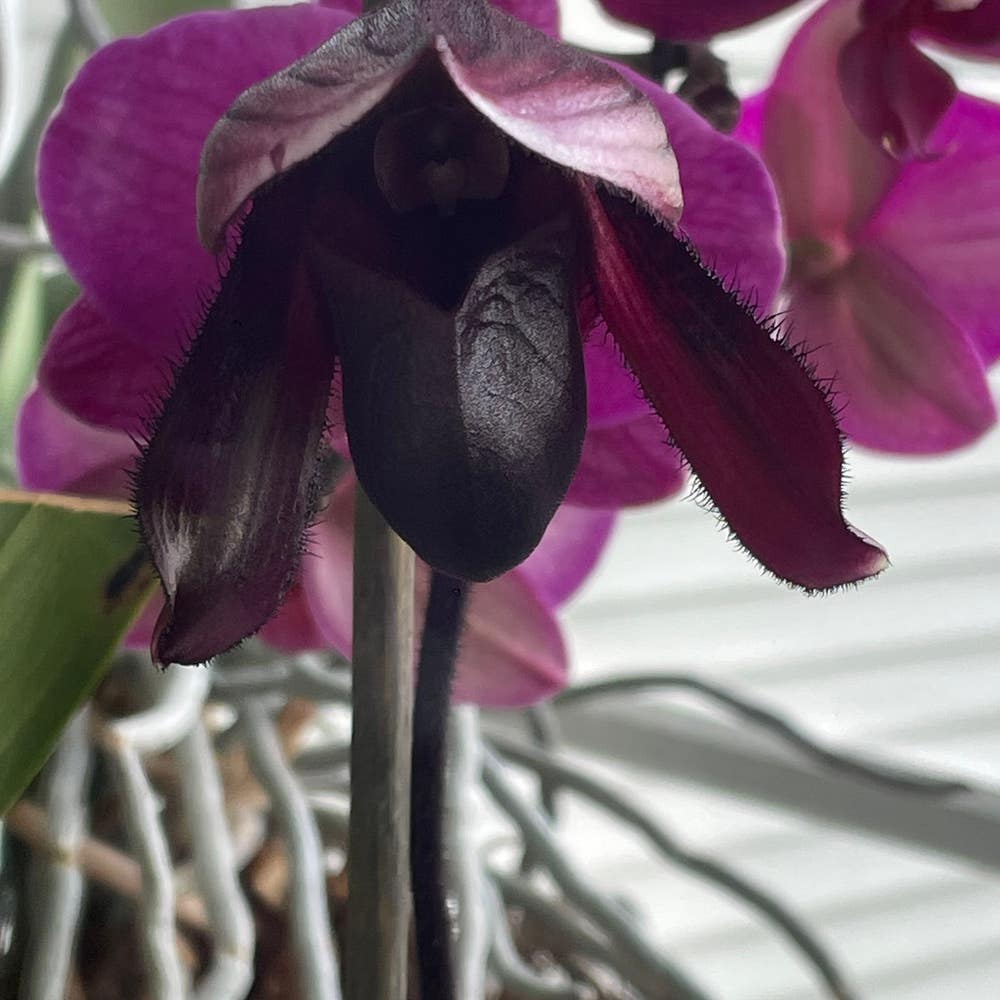
Fairrie's Paphiopedilum captivates with its striking slipper-shaped flowers. These blooms showcase a variety of colors and intricate patterns, making them a standout in any garden.
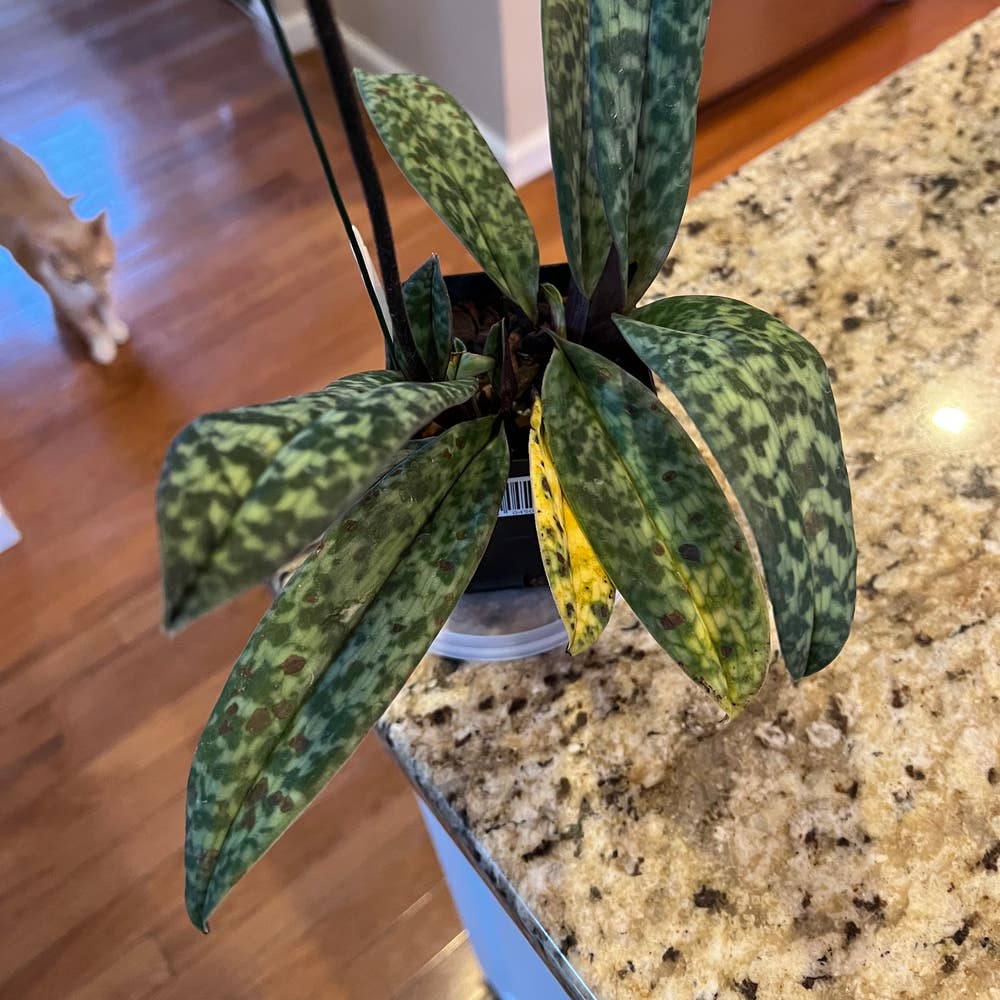
The plant's glossy, dark green leaves add to its allure, featuring a unique texture that catches the eye. Its compact, low-growing habit makes it an ideal choice for specific garden settings, allowing it to fit seamlessly into diverse landscapes.
🐾 Most Appealing Parts to Animals
The vibrant flowers are not just beautiful; their bright colors and sweet fragrance attract both pollinators and herbivores alike. This dual appeal highlights the plant's role in the ecosystem, drawing in creatures that help with pollination.
Young shoots are another target for animals, thanks to their tender texture and high nutritional value. These fresh growths are a tempting treat for various herbivores, making them a crucial part of the plant's life cycle.
As we explore the common herbivores affecting Fairrie's Paphiopedilum, understanding these appealing features can help gardeners protect their beloved plants.
Common Herbivores Affecting Fairrie's Paphiopedilum
🦌 Deer
Signs of Presence and Damage Caused
Deer can be a significant threat to your Fairrie's Paphiopedilum. Look for hoof prints in soft soil or mulch, and note if leaves and flowers have been stripped from the plant.
Beneficial vs. Harmful Interactions
Interactions with deer are generally harmful. They can decimate populations of Fairrie's Paphiopedilum, leaving your garden vulnerable.
Deterrent Methods
To deter deer, consider using commercial deer repellents. Alternatively, planting deer-resistant species nearby or using human hair or soap shavings can be effective organic methods.
🐇 Rabbits
Signs of Presence and Damage Caused
Rabbits leave small, round droppings and often nibble on young shoots. You may notice cleanly cut stems and leaves, indicating their presence.
Beneficial vs. Harmful Interactions
Rabbits are generally harmful to your plants. Their feeding habits can significantly reduce plant vigor.
Deterrent Methods
For easy deterrence, apply bitter-tasting sprays. You can also use fencing that is 2-3 feet high or plant rabbit-resistant plants to keep them at bay.
🐿️ Squirrels
Signs of Presence and Damage Caused
Squirrels can cause noticeable damage, leaving chewing marks on stems and flowers. Look for signs of nesting nearby, such as scattered twigs.
Beneficial vs. Harmful Interactions
Interactions with squirrels are generally harmful. They can cause significant damage to your plants if left unchecked.
Deterrent Methods
Capsaicin-based sprays serve as effective chemical deterrents. Additionally, installing squirrel-proof feeders and using noise deterrents can help protect your plants organically.
🐦 Birds
Signs of Presence and Damage Caused
Birds can be both friends and foes. Look for peck marks on flowers or leaves, and signs of nesting in nearby areas.
Beneficial vs. Harmful Interactions
Bird interactions are mixed. While some birds help pollinate, others may damage your plants.
Deterrent Methods
Non-toxic bird repellents can deter unwanted visitors. You can also use scare tactics like reflective tape or decoys to keep them away.
🐭 Rodents (Mice, Voles, etc.)
Signs of Presence and Damage Caused
Rodents leave small burrows near your plants and can cause chewing damage to roots and lower stems. Their presence can be quite detrimental.
Beneficial vs. Harmful Interactions
Rodents are generally harmful. They can lead to significant plant decline if not managed.
Deterrent Methods
For a harder challenge, consider using rodent bait stations. Organic methods like trapping and using natural repellents, such as peppermint oil, can also be effective.
🦡 Groundhogs/Woodchucks
Signs of Presence and Damage Caused
Groundhogs create large burrows near your plants and can cause significant browsing damage to leaves and stems. Their presence is often unmistakable.
Beneficial vs. Harmful Interactions
Interactions with groundhogs are generally harmful. They can destroy entire plants if allowed to roam freely.
Deterrent Methods
Commercial groundhog repellents can be useful. Additionally, fencing that is 3-4 feet high and planting deterrent plants can help keep them away.
Understanding these common herbivores and their impacts on Fairrie's Paphiopedilum is crucial for maintaining a healthy garden. With the right deterrent methods, you can protect your plants and enjoy their beauty for years to come.
Beneficial Animals and Ecosystem Roles
🐝 Description of Beneficial Animals
In the garden, beneficial animals play crucial roles. Pollinators like bees and butterflies are drawn to the vibrant flowers of Fairrie's Paphiopedilum, helping to ensure successful reproduction.
Predatory insects, such as ladybugs and lacewings, are equally important. They naturally control pest populations, keeping harmful insects in check.
🌱 Positive Impacts on the Garden Ecosystem
The presence of these beneficial creatures leads to enhanced pollination. This not only boosts the health of your plants but also increases their productivity.
Moreover, natural pest control reduces the need for chemical interventions. This creates a healthier garden environment, promoting biodiversity and sustainability.
By fostering a welcoming habitat for these animals, you contribute to a thriving ecosystem. Their roles are vital in maintaining balance, ensuring that your Fairrie's Paphiopedilum and other plants flourish.
As we explore ways to protect your plants from herbivores, remember the importance of these allies in your garden. Their contributions can significantly enhance your gardening experience.
General Protection Strategies
🛡️ Preventive Measures for Herbivore Damage
Plant Placement
Positioning your Fairrie's Paphiopedilum in less accessible areas can significantly reduce herbivore damage. Consider placing them behind taller plants or in raised beds to create a natural barrier.
Companion Planting
Using companion plants that deter herbivores is another effective strategy. For instance, planting strong-scented herbs like rosemary or mint nearby can help keep unwanted visitors at bay.
🚨 Reactive Solutions for Managing Animal Interactions
Regular Monitoring
Keep an eye on your plants by regularly checking for signs of damage or animal presence. Early detection can make a world of difference in protecting your precious orchids.
Quick Response
Implement deterrents as soon as you notice signs of herbivore activity. The sooner you act, the better your chances of keeping your plants safe and thriving.
🌱 Seasonal Variations in Animal Attraction
Spring
During spring, herbivores become more active as they seek out tender shoots. This is a critical time to be vigilant and proactive in your protection efforts.
Fall
As fall approaches, animals prepare for winter and may forage more aggressively. Be prepared to adjust your strategies to counteract this seasonal surge in activity.
By employing these general protection strategies, you can create a more resilient environment for your Fairrie's Paphiopedilum. This proactive approach not only safeguards your plants but also fosters a healthier garden ecosystem. Next, let’s explore the fascinating roles of beneficial animals in your garden.
Toxicity and Safety
Discussion of Toxic Effects 🐾
Fairrie's Paphiopedilum exhibits mild toxicity, which can affect certain herbivores. While not lethal, ingestion may lead to discomfort or digestive issues in animals that nibble on its leaves or flowers.
Implications for Animal Interactions 🦙
Understanding this mild toxicity is crucial for managing animal interactions. It can serve as a natural deterrent, helping maintain a balanced ecosystem while protecting your beloved plants.
By recognizing the potential effects on herbivores, gardeners can make informed decisions about plant placement and companion planting. This knowledge not only safeguards your Fairrie's Paphiopedilum but also contributes to a healthier garden environment.
As we explore further, let’s delve into the beneficial animals that play a vital role in enhancing your garden's ecosystem.
⚠️ Safety First
This content is for general information and may contain errors, omissions, or outdated details. It is not medical, veterinary advice, or an endorsement of therapeutic claims.
Always consult a qualified healthcare professional before using any plant as food, medicine, or supplement.
Never eat any plant (or feed one to pets) without confirming its identity with at least two trusted sources.
If you suspect poisoning, call Poison Control (800) 222-1222, the Pet Poison Helpline (800) 213-6680, or your local emergency service immediately.
Spotted an error? Please report it here.
Safeguard your Fairrie's Paphiopedilum from herbivores and keep it thriving 🌱 with Greg's personalized tips and reminders for effective protection strategies!