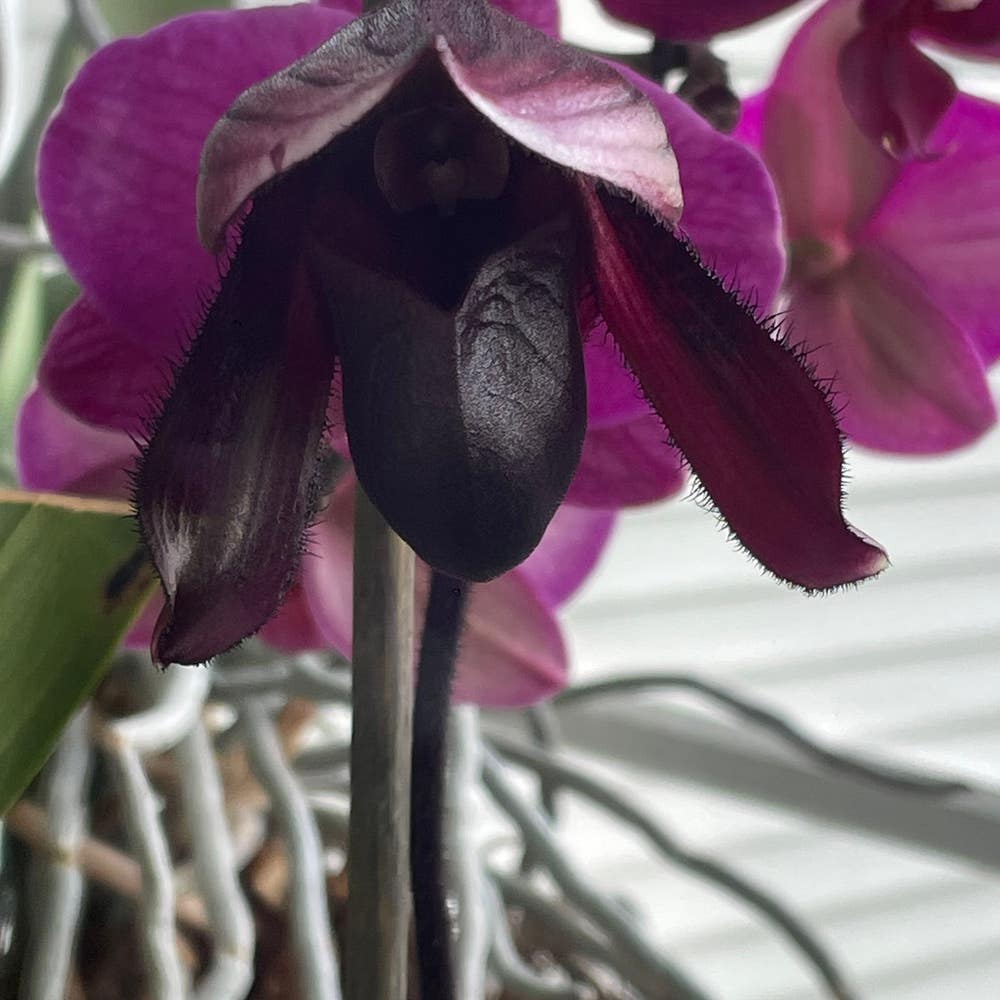
Why Does My Paphiopedilum fairrieanum Have Yellow Leaves?
Paphiopedilum fairrieanum
By the Greg Editorial Team
Apr 06, 2024•5 min read
This article was created with the help of AI so we can cover more plants for you. May contain errors. See one? Report it here.
- 🌱 Inconsistent yellowing may point to localized issues; uniform yellowing suggests systemic problems.
- 💧 Water stress and light are common culprits; check watering habits and light exposure.
- 🌿 Nutrient balance and root health are key; use proper fertilizer and inspect roots.
Spotting Trouble: Identifying Yellow Leaves
🚨 Signs and Symptoms
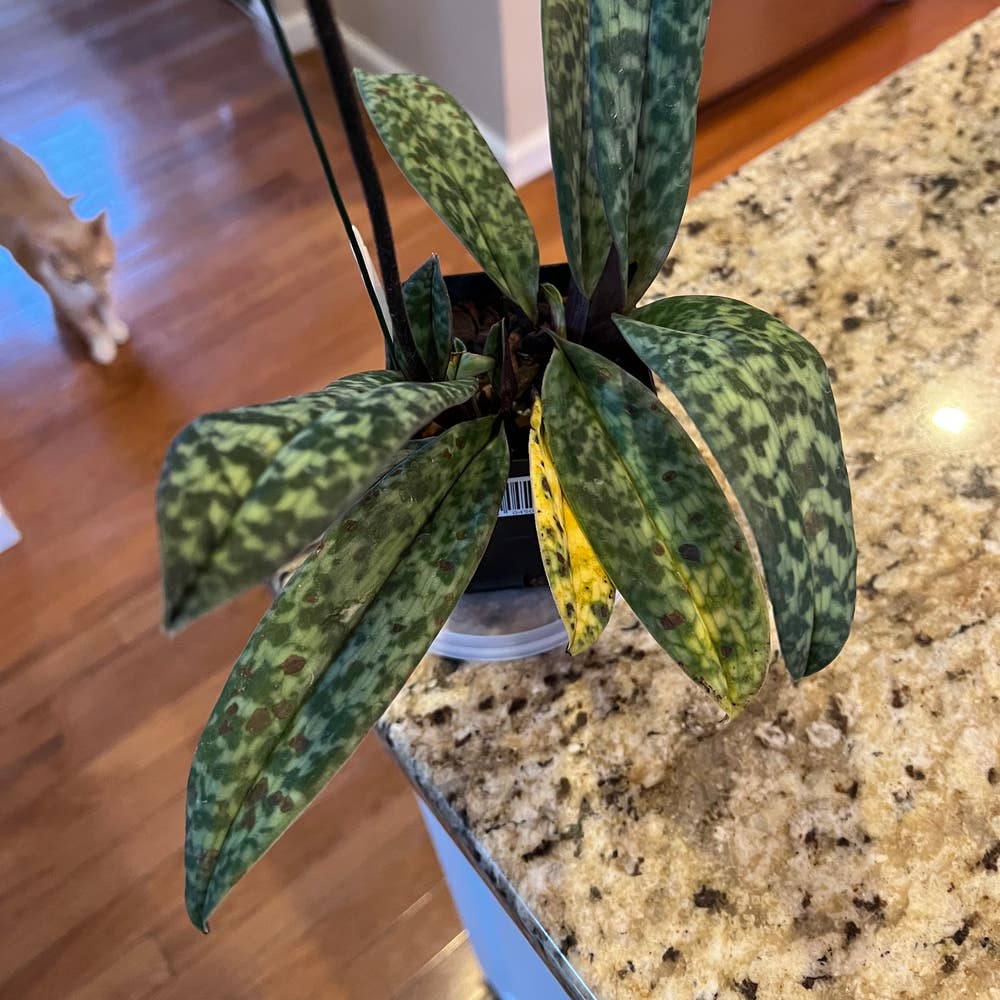
Yellow leaves on your Paphiopedilum fairrieanum can be alarm bells for health issues. Look for leaves that have lost their lush green luster, turning a sickly yellow. This isn't just a cosmetic problem; it's a symptom that something's off.
🔍 Patterns and Puzzles
Consistency in yellowing can indicate a systemic issue, while sporadic patterns may suggest localized problems. If new growth is yellow, that's a red flag; older leaves yellowing could be just part of the natural cycle.
🕵️ Unearthing Underlying Issues
Yellow leaves often point to water stress, either too much or too little. Overwatering can lead to limp, soggy leaves, while underwatering might cause them to become brown and crispy. Check the soil moisture and root health to get clues.
🌞 The Light Factor
Inadequate light can leave leaves pale and yellow. Your Paphiopedilum fairrieanum needs that sweet spot of light—not too much, not too little. Observe your plant's location and the quality of light it receives throughout the day.
🥦 Nutrient Tell-Tales
Uniform yellowing could be screaming nutrient deficiency. It's like your plant is on a hunger strike it never agreed to. A balanced diet is key, so consider whether you're feeding it enough, or perhaps too much.
🕵️♂️ Investigating the Invisible
Don't forget to check for pests or disease. Discolored spots, especially with a yellow halo, can be a sign of fungal issues. Keep an eye out for any unwelcome guests or suspicious spots on your orchid's leaves.
Root of the Problem: Common Causes of Yellow Leaves
⚔️ Not Enough Light, Too Much Shade
Light is like a double-edged sword for Paphiopedilum fairrieanum. Too little light and the leaves turn a sickly yellow, craving the sun's kisses. Finding the sweet spot for light exposure is crucial; it's about giving your orchid a balanced diet of sunshine, not a feast or famine.
🚰 Water Woes: Overwatering and Underwatering
Watering is a delicate dance with Paphiopedilum fairrieanum. Overwatering can drown its roots, leading to yellow leaves, while underwatering leaves it parched and desperate. You'll want to recognize water stress by the leaves' appearance—too much water and they go limp, too little and they crisp up.
🍽️ Hungry for Nutrients: Tackling Deficiencies
Nutrient deficiencies can turn Paphiopedilum fairrieanum leaves yellow faster than you can say "chlorosis." Identifying signs of such deficiencies is key. Yellow leaves might be crying out for nitrogen, while a reddish tint screams for phosphorus. Fertilization isn't just about throwing food at the problem; it's about precision feeding.
🕵️♂️ Root Health: The Hidden Culprit
Don't forget to check under the hood—root health is a big deal. When roots are in trouble, leaves turn yellow as a distress signal. Unearthing root issues involves getting your hands dirty to check for rot or damage, because what happens below the soil line doesn't stay below the soil line.
Turning Over a New Leaf: Corrective Actions
💡 Let There Be Light: Adjusting Light Conditions
Bright, indirect light is your Paphiopedilum fairrieanum's best friend. Too much shade, and you'll have a sulk on your hands; too much sun, and you're looking at a burn victim. Find that Goldilocks zone where the light is just right, and watch your orchid's leaves go from yellow back to their vibrant green.
🚰 Watering Wisdom: Fine-Tuning Your Routine
Watering is an art form, and your orchid is the canvas. Check the soil—if the top inch is dry, it's time to hydrate. If not, step away from the watering can. Remember, your orchid's roots need to breathe, so ensure good drainage to prevent them from drowning in excess moisture.
🍽️ Feeding Your Plant: Fertilization Fixes
A balanced, water-soluble fertilizer is your orchid's version of a power snack. But don't overdo it—think of fertilizer as a spice, not the main course. Use it sparingly to prevent nutrient burn and to keep your orchid's diet well-rounded.
🌱 Root Revival: Addressing Root Health
Roots are the unsung heroes of your orchid's world. If they're in trouble, it's time for a spa day. Gently unpot your plant, trim any dead or rotting roots, and repot with fresh, airy media. It's like a reset button for your orchid's health, giving it a fresh start from the ground up.
Staying Green: Prevention Strategies
🌿 Consistency is Key: Routine Care
Routine is the backbone of orchid health. Like clockwork, your Paphiopedilum fairrieanum craves a care schedule that's as regular as your favorite TV show's weekly episode. This means watering with precision, feeding it just enough, and ensuring the lighting is more consistent than your favorite barista's coffee.
👀 Vigilant Monitoring: Keeping an Eye on Your Orchid
Vigilance isn't just for superheroes; it's a plant owner's superpower. Keep an eye out like a hawk, scouting for the slightest leaf discoloration or droopiness. It's about being proactive, not reactive. Your orchid's subtle changes are its way of whispering for help before it starts screaming with yellow leaves.
⚠️ Safety First
This content is for general information and may contain errors, omissions, or outdated details. It is not medical, veterinary advice, or an endorsement of therapeutic claims.
Always consult a qualified healthcare professional before using any plant as food, medicine, or supplement.
Never eat any plant (or feed one to pets) without confirming its identity with at least two trusted sources.
If you suspect poisoning, call Poison Control (800) 222-1222, the Pet Poison Helpline (800) 213-6680, or your local emergency service immediately.
Spotted an error? Please report it here.
Banish yellow leaves and ensure your Paphiopedilum fairrieanum thrives with Greg's tailored reminders 🌞 for perfect watering, lighting, and feeding schedules!