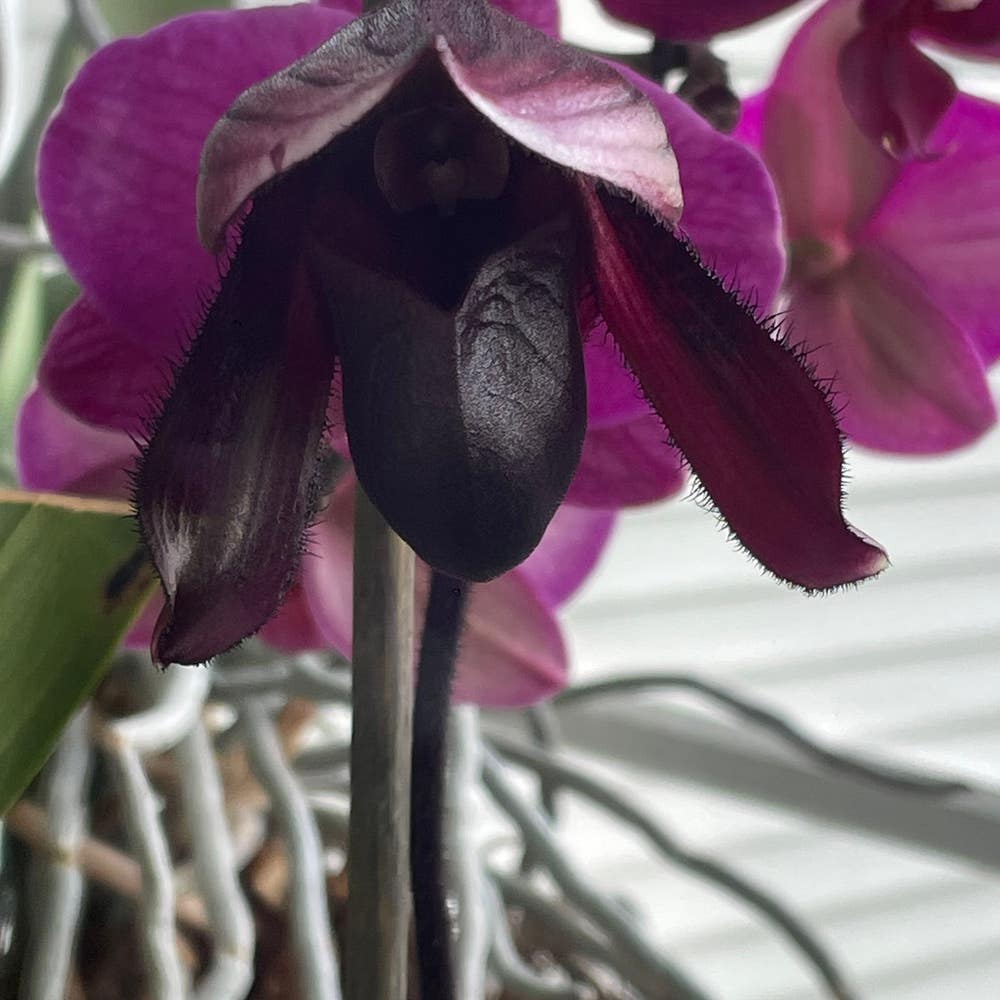
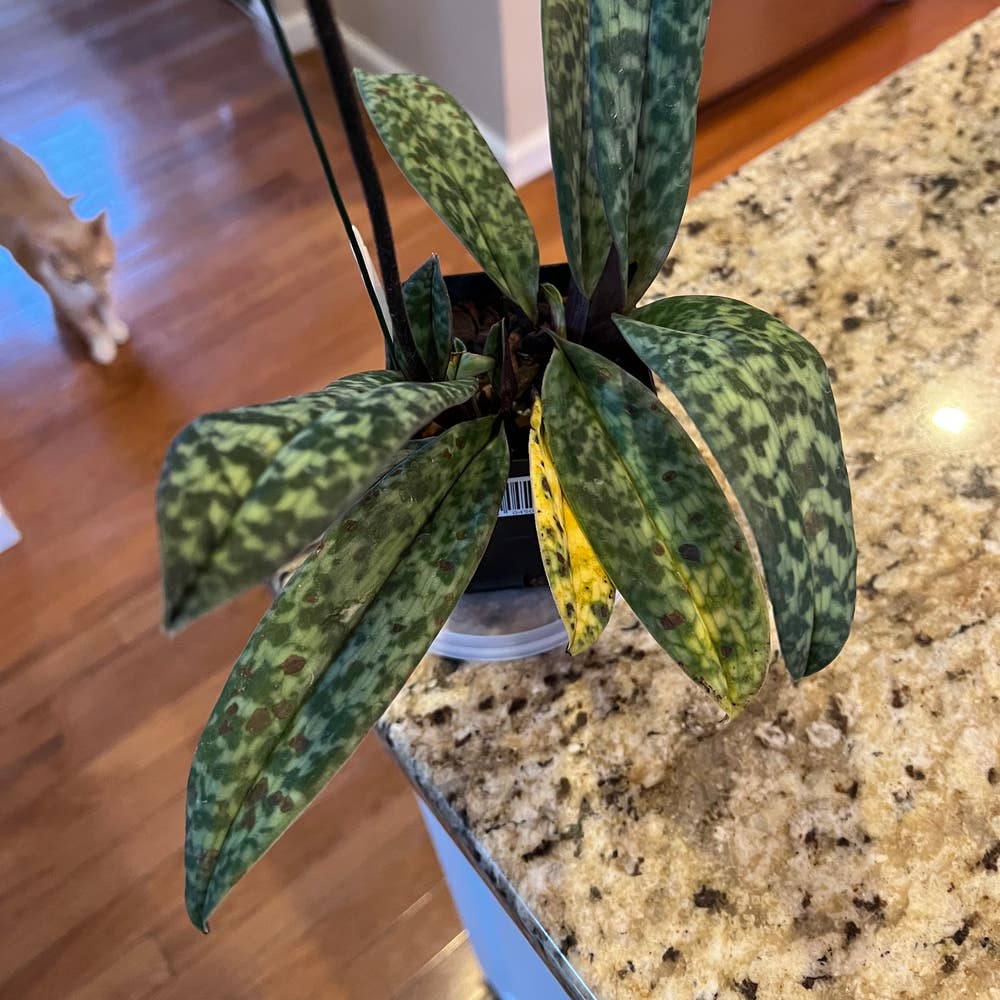
Should I Repot My Paphiopedilum fairrieanum And If So, How?
Paphiopedilum fairrieanum
By the Greg Editorial Team
Apr 06, 2024•4 min read
This article was created with the help of AI so we can cover more plants for you. May contain errors. See one? Report it here.
- Roots and media issues? Time to repot your Paphiopedilum fairrieanum.
- 🌿 Terracotta good, glass bad: Choose pots wisely for orchid health.
- Post-repot: Wait a week to water, then monitor and adjust care.
Spotting the Telltale Signs It's Time to Repot
🌱 Root Check: Overcrowded or Not?
When roots start resembling a jailbreak, it's repotting time. If they're poking out of drainage holes or circling the pot's interior, they're screaming for space.
🏞️ Potting Media: Time for a Change?
Potting media shouldn't remind you of a swamp. If it's breaking down or smells like last week's leftovers, swap it out. Your orchid's roots crave a fresh, airy mix, not a decomposing mush.
📉 Growth Patterns: Slowing Down?
If your Paphiopedilum fairrieanum's growth is more sluggish than a snail on a lazy day, take note. Stunted growth and a lack of blooms are your orchid's way of saying, "I need a roomier pad."
Choosing Your Fighter: Picking the Right Pot
🌱 Breathable Bliss: Terracotta and Clay Pots
Terracotta pots are the MVPs of breathability, wicking away excess moisture like a pro. They're like the cool linen sheets of the plant world, keeping roots comfy and dry. But they're not without their quirks; they can dry out faster than you can say "water me," so they demand a watchful eye and a steady watering hand.
🥤 Plastic Pots: Pros and Cons
Plastic pots are the featherweights—easy to move and gentle on your wallet. They're the indoor plant's winter coat, holding in moisture when it's dry out there. But be warned: they can turn your soil into a swamp if you're heavy-handed with the watering can. They're a solid choice if you're after something that's both practical and pretty, but they're not for the overzealous waterer.
🚫 The No-Go Zone: Materials to Avoid
Glass and metal pots might look chic, but they're the equivalent of a plant sauna—no breathability, potential for overheating, and often lack drainage. They're a hard pass for your Paphiopedilum fairrieanum. Stick to materials that support your plant's health, not just your decor aesthetic.
The Repotting Rundown: A Step-by-Step Guide
🛠️ Pre-Repot Prep: Gathering Your Supplies
Before you start, make sure you have everything you need. This includes a new pot, fresh potting mix, sterilized pruning shears, gloves, a trowel, and a workspace covered with newspapers for easy cleanup. Don't forget a bowl of tepid water for root soaking and a chopstick to help with potting.
🌸 Orchid Eviction: Getting Your Plant Out Safely
Time to gently evict your orchid. Tilt the pot and coax the plant out with care. If the roots resist, tap the pot's sides. No yanking—we're not savages. Once free, give the roots a gentle massage to loosen them up for their new home.
🌱 Root Rehab: Inspection and Trimming
Inspect the roots like a hawk. Snip away any dead or rotting parts with your sterilized shears. Healthy roots are firm and green or white; anything else gets the chop. Trimming promotes better growth and prevents disease.
🏡 Home Sweet Home: Potting and Settling In
Now for the fun part. Place your orchid in its new pot and gently work in the potting mix with the chopstick, ensuring there are no air voids. The potting mix should be just damp, not soggy—think of it as a moist hug for your plant's roots. Secure the orchid with a rhizome clip if needed, and label it if you're the forgetful type.
After the Big Move: Post-Repot Care
💧 Watering Wisdom: When and How Much
After repotting, watering is like threading a needle—too much or too little and you miss the mark. Wait a week before the first watering to allow any damaged roots to heal. Then, aim for moist, not soggy soil. Use your finger as a dipstick; if the top inch is dry, it's time to water.
🌞 Location, Location, Location: Finding the Perfect Spot
Your Paphiopedilum fairrieanum's new address should mimic its old neighborhood—bright indirect light and a stable temperature. Avoid the no-no of direct sunlight, which can scorch its leaves. A north or east-facing window is the real estate it craves.
👀 Monitoring and Maintenance: Keeping an Eye on Your Orchid
Post-repot, play detective with your orchid. Yellow leaves? It's shouting for help. Lush green? You're on the right track. Monitor closely for signs of distress and adjust care accordingly. Remember, it's not about helicopter parenting; it's about providing a safety net as your orchid acclimates.
⚠️ Safety First
This content is for general information and may contain errors, omissions, or outdated details. It is not medical, veterinary advice, or an endorsement of therapeutic claims.
Always consult a qualified healthcare professional before using any plant as food, medicine, or supplement.
Never eat any plant (or feed one to pets) without confirming its identity with at least two trusted sources.
If you suspect poisoning, call Poison Control (800) 222-1222, the Pet Poison Helpline (800) 213-6680, or your local emergency service immediately.
Spotted an error? Please report it here.
Ensure your Paphiopedilum fairrieanum thrives in its new pot by using Greg's 🌱 custom reminders for the perfect post-repotting care.