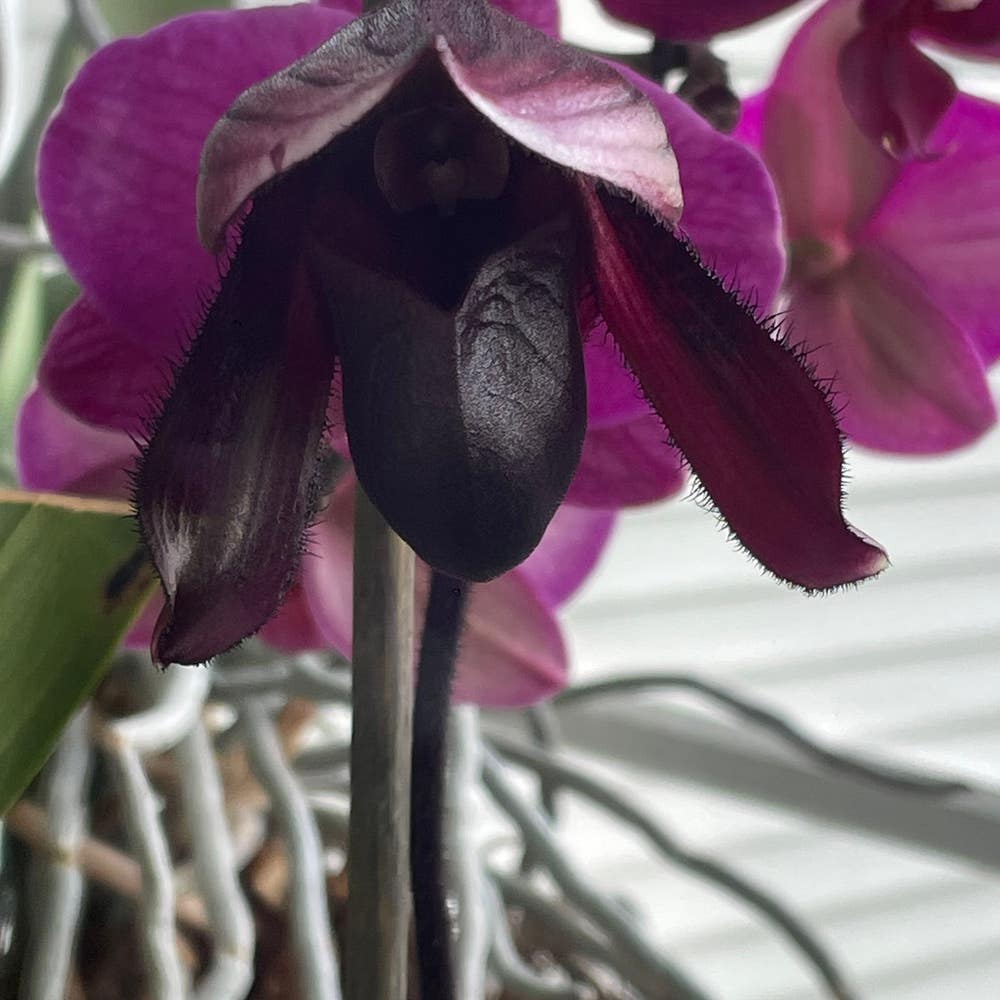
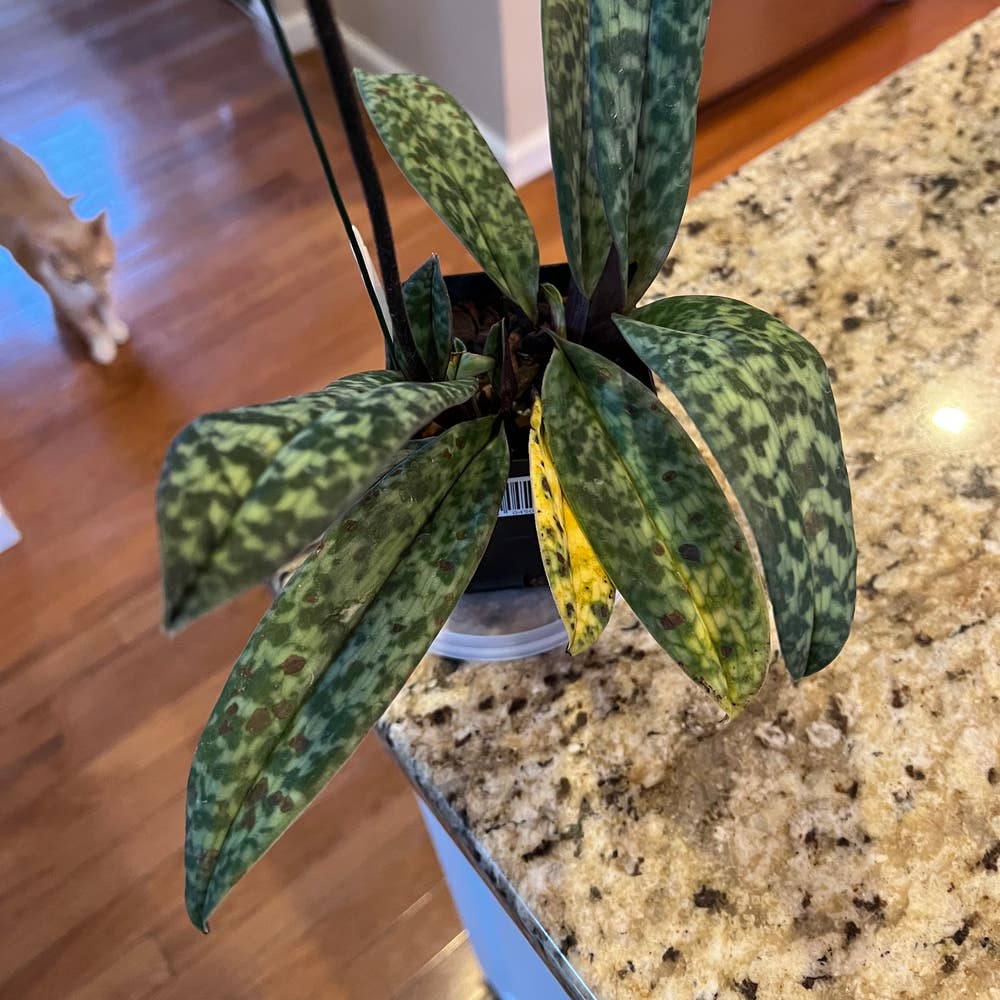
🌸 How to Get a Paphiopedilum fairrieanum to Bloom
Paphiopedilum fairrieanum
By the Greg Editorial Team
Apr 06, 2024•4 min read
This article was created with the help of AI so we can cover more plants for you. May contain errors. See one? Report it here.
- 65°F-75°F day temps and cooler nights trigger blooms.
- Bright, indirect light and 40-50% humidity are bloom must-haves.
- Use phosphorus-rich fertilizer and prune above a node for re-flowering.
Triggering the Bloom: Environmental Must-Haves
🌡️ Temperature Tweaks for Perfect Blooms
To induce blooms, the Paphiopedilum fairrieanum demands a specific temperature range. Ideal conditions hover between 65°F and 75°F during the day, dipping slightly at night to mimic its natural habitat.
Creating Natural Temperature Fluctuations
Achieve these fluctuations by lowering your home's temperature at night or by placing the plant in a cooler room. Avoid drastic changes; they're the enemy of flower induction.
🌞 Light and Humidity: The Dynamic Duo
Light intensity and duration are non-negotiable for flowering. Your orchid craves bright, indirect light—too much direct sunlight can scorch its leaves, while too little results in a lackluster display.
Balancing Humidity for Optimal Flowering
Humidity should be kept around 40-50% to mimic the moist air of its natural environment. Increase humidity with a pebble tray or humidifier, but don't turn your space into a steam room. Use a hygrometer to keep levels in check.
Feeding Your Paphiopedilum for Fabulous Flowers
💪 The Power of Phosphorus and Potassium
Phosphorus and potassium are the unsung heroes of the Paphiopedilum fairrieanum's blooming process. Phosphorus is the key to unlocking vibrant blooms, while potassium ensures the plant's overall health is robust enough to support the floral show.
When choosing the right fertilizer, look for a balanced N-P-K ratio but with a good amount of phosphorus. A water-soluble or organic option should do the trick, ensuring your plant gets a full-package deal of nutrients, including those critical trace elements.
🌸 Supplementing for Success
Bloom boosters are not just hype; they're a strategic play in the blooming game. Use them sparingly and timely—when your plant is gearing up for growth. This typically means applying them every fourth watering, adjusting for seasonal changes in light and water needs.
Remember, over-fertilization is a no-go. It's like overfeeding a pet—good intentions can lead to bad outcomes, like leaf burn or stunted growth. Keep it balanced, and watch for signs of overindulgence.
Seasonal Rhythms and Blooming Cycles
🌸 Syncing with Nature's Clock
To get your Paphiopedilum fairrieanum to strut its stuff, align your care with the seasons. As the year cycles, so should your approach to watering, feeding, and light exposure.
Spring is a signal to step up your game. This is when your orchid is gearing up for growth. Increase watering and fertilization to match the plant's enthusiasm.
Come summer, it's all about maintenance. Keep up with the care routine you've established, ensuring consistent moisture and nutrition to support budding blooms.
Autumn whispers change. Gradually reduce watering and feeding as the days shorten. This mimics the natural preparation for the cooler, restful winter period.
In winter, it's time to ease off. Your Paphiopedilum fairrieanum is likely taking a breather. Water sparingly, but don't let it dry out completely. This rest period is crucial for the upcoming blooming season.
🌺 Recognizing your plant's natural bloom time
Your Paphiopedilum fairrieanum doesn't wear a watch. It blooms according to its own internal schedule, triggered by the changing seasons. Watch for subtle signs like new growth or a spike in root activity. These are your cues to tweak care and anticipate those coveted blooms.
Daylight length is a big deal. As days get longer in spring, your orchid knows it's showtime. Make sure it's getting the right light exposure to kickstart the flowering process.
Temperature shifts also play a part. Cooler nights after a warm day can signal your orchid to start its blooming magic. Keep tabs on the thermometer to ensure you're providing the right cues.
Remember, it's a dance with nature, not a race. Patience and observation are key. Keep your eyes peeled, and your Paphiopedilum fairrieanum will reward you with a floral spectacle.
Pruning Practices to Promote Blooms
💇♀️ Energy Directing: Where to Snip and Why
Pruning isn't just about making your Paphiopedilum fairrieanum look tidy; it's a strategic move to channel its energy into blooming. By removing excess foliage, you're essentially giving the plant a clear directive: focus on the flowers.
- Prune for bloom, not just for show. It's about being a botanical CFO, allocating your plant's resources to the departments that need it most, the blooms.
- Snip above a node; that's where the magic happens. New growth will emerge here, ready to support future flowers.
💐 Dealing with Spent Blooms to Encourage Re-flowering
When flowers fade, it's time to get snippy. Deadheading isn't just a cleanup job; it's a signal to your plant to stop wasting energy on seed production and get ready for the next blooming cycle.
- Cut off old flowers to clean up the plant's appearance and redirect energy towards new blooms and lush foliage.
- Monitor your plant post-prune for stress or disease – you're the detective ensuring it's healthy and ready for its next blooming debut.
⚠️ Safety First
This content is for general information and may contain errors, omissions, or outdated details. It is not medical, veterinary advice, or an endorsement of therapeutic claims.
Always consult a qualified healthcare professional before using any plant as food, medicine, or supplement.
Never eat any plant (or feed one to pets) without confirming its identity with at least two trusted sources.
If you suspect poisoning, call Poison Control (800) 222-1222, the Pet Poison Helpline (800) 213-6680, or your local emergency service immediately.
Spotted an error? Please report it here.
Nurture your Paphiopedilum fairrieanum to bloom 🌸 with Greg's tailored care plan that adjusts to seasonal changes and ensures the perfect bloom-boosting environment!