🐛 What Are The Bugs on My Paphiopedilum fairrieanum?
Paphiopedilum fairrieanum
By the Greg Editorial Team
Apr 06, 2024•6 min read
This article was created with the help of AI so we can cover more plants for you. May contain errors. See one? Report it here.
- 🌱 Discoloration and stickiness signal pest presence on orchids.
- Neem oil and insecticidal soap are natural pest remedies.
- Quarantine new plants and use proper watering to prevent pests.
Spotting the Enemy: General Signs of Pest Infestation
🚨 Telltale Trouble
Discoloration, wilting, and sticky residues are the SOS signals from your Paphiopedilum fairrieanum. These symptoms scream "bug invasion" louder than a horror movie scream queen.
⏰ When to Sound the Alarm
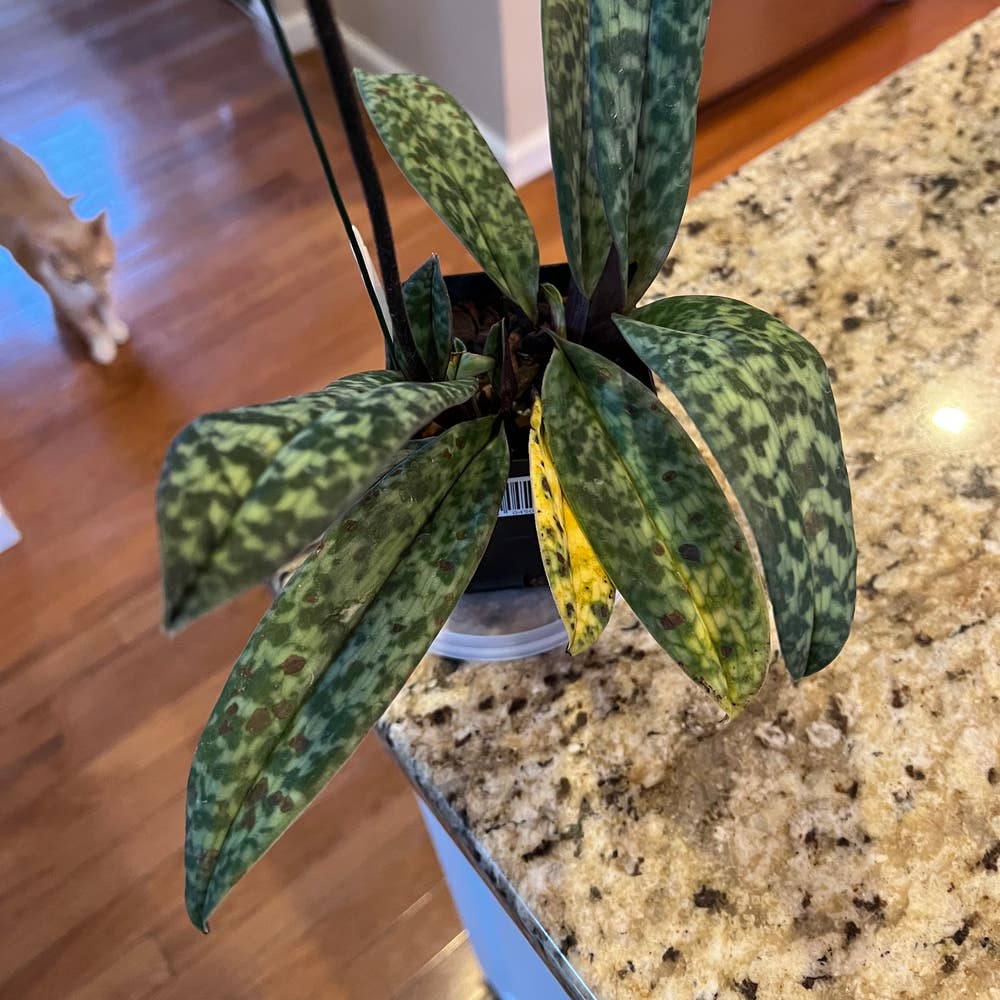
Understanding the severity of an infestation is like recognizing when a cold has turned into pneumonia. Sticky leaves? Time to act. Webbing under the leaves? That's spider mite territory. If your orchid's leaves are more mottled than a leopard's coat, pests are throwing a party, and your plant is the unwilling host.
👀 Visual Inspection: Get Up Close and Personal
Don't just peek at your plant; inspect it like it owes you money. Flip those leaves and scrutinize every nook. Early detection isn't just a buzzword; it's your best shot at keeping your orchid from becoming an all-you-can-eat buffet for bugs.
👮♂️ Regular Monitoring: Your Best Defense
Keep an eye on your Paphiopedilum fairrieanum like it's the Mona Lisa and you're museum security. Regular check-ups can catch pests before they turn your orchid into their personal playground.
🧹 Cleanliness: A Simple Pest Deterrent
A clean plant is a happy plant. Debris is a penthouse suite for pests; by keeping your orchid's area tidy, you're essentially slamming the door in their tiny faces.
🌿 Integrated Pest Management: A Sustainable Approach
Healthy plants don't just happen. They're the result of consistent care and a keen eye. Think of it as a fitness routine for your orchid, bulking up to fend off those pesky invaders.
Meet the Culprits: Common Pests of Paphiopedilum fairrieanum
🕷️ Spider Mites
Tiny terrorists might be lurking on your Paphiopedilum fairrieanum, leaving behind a telltale web. These pests are notorious for their fine silk and the speckled damage they inflict on leaves. Look closely, especially under leaves, for their hideouts.
Spider mites suck the life out of your orchid, causing leaf discoloration and overall weakness. They thrive in dry conditions, so maintaining humidity can help keep them at bay.
🛡️ Scale
Scale insects are masters of disguise, often mistaken for harmless bumps on your orchid's stems and leaves. They're sticky freeloaders that latch on, sapping the plant's vigor and causing yellowing foliage.
Battling scale is tricky due to their protective shield. They require persistence and sometimes multiple treatments to fully eradicate.
🦟 Fungus Gnats and Fruit Flies
These tiny fliers are more than just annoying; they pose a real risk to your orchid. Fungus gnats and fruit flies are attracted to moist soil and can indicate overwatering.
Their larvae attack the roots below the surface, compromising your orchid's ability to absorb nutrients and water. Proper watering habits are essential to prevent these pests.
🐛 Mealybugs
Mealybugs create cottony clusters on your orchid, easy to spot but hard to eliminate. They're sap suckers, draining your orchid's vitality and leaving behind a sticky mess.
Understanding the threat they pose is crucial; they can quickly lead to stunted growth and a weakened plant.
🦗 Thrips
If you notice silver streaks on leaves or flowers, thrips could be the culprits. These pests are particularly fond of the beautiful blooms of Paphiopedilum fairrieanum.
Thrips damage the flowers, impacting the orchid's beauty and reproduction. They're a challenge to spot, so keen observation is necessary to catch them in the act.
The Art of Bug Warfare: Effective Remedies
🐞 Natural Assassins
Neem oil and insecticidal soap are the dynamic duo in the fight against orchid pests. These solutions are like the eco-friendly bouncers of the plant world, tough on bugs but gentle on your Paphiopedilum fairrieanum. Apply with care, targeting the affected areas to avoid harming beneficial insects.
🍸 Alcohol Intervention
For a more hands-on approach, rubbing alcohol is your precision tool. A cotton swab dipped in alcohol can be dabbed directly onto pests like mealybugs, ensuring they're shown the exit without a return ticket. This method is especially effective for spot treatments, acting as a sniper's bullet to the heart of the infestation.
🦟 Biological Bouncers
Introducing predatory insects such as ladybugs can bolster your orchid's defenses. These natural warriors patrol your plant, devouring pests with the efficiency of a top-tier secret service. It's a way to keep the ecosystem in your favor while maintaining a pest-free environment.
Fortifying Your Flower: Preventative Measures
🛡️ Quarantine for Newcomers
Quarantine new plants like they're suspects in a lineup. Keep them isolated for at least a month. This is your buffer zone, preventing any sneaky pests from crashing your Paphiopedilum fairrieanum party.
💧 The Moisture Balance
Overwatering is a sin in the plant world. It's like throwing a wet blanket over your orchid's roots, inviting all sorts of fungal freeloaders. Water wisely—only when the soil says 'please.'
👀 Vigilance is Key
Inspect your orchids like a hawk stalking its prey. Look under leaves, check the nooks, and banish any debris that could harbor pests. A clean space is a safe space—so keep it tidy, and keep the bugs at bay.
Integrated Pest Management: A Tailored Approach
🌱 Beyond the Quick Fix: Developing a Sustainable Strategy
Integrated Pest Management (IPM) isn't about slapping a band-aid on a pest problem. Sustainability is the game here. It's about crafting a long-term plan that's as dynamic as the ecosystem in your garden. This approach combines various methods to minimize pest damage while being environmentally conscious.
🌸 The Paphiopedilum fairrieanum Defense Plan: Custom Tactics for Your Orchid
🐜 Know Your Enemy
First, identify the pests you're dealing with. Each bug has its own modus operandi, and your defense should be just as unique.
🧼 Cultural Controls
Start with the basics: hygiene. A clean habitat discourages pests. Ensure your Paphiopedilum fairrieanum's living conditions are spotless, from pot to soil to the surrounding area.
🛡️ Physical and Mechanical Barriers
Sometimes, you need to set up some defenses. Barriers, like nets or sticky traps, can physically block or capture pests before they reach your orchid.
🐞 Biological Warfare
Enlist some allies. Introduce beneficial insects that prey on the pests plaguing your Paphiopedilum fairrieanum. It's like having your own garden security team.
☠️ Chemical Controls
When necessary, go for targeted strikes. Use eco-friendly pesticides as a last resort, and always with precision. It's about hitting the bad guys without collateral damage.
👀 Regular Monitoring
Stay vigilant. Regular inspections help catch infestations early, making them easier to manage. It's less about reacting and more about proactive prevention.
🔄 Adaptation and Learning
Finally, be ready to adapt. What works today might not work tomorrow. Keep learning from your orchid's response to treatments and adjust your strategy accordingly.
⚠️ Safety First
This content is for general information and may contain errors, omissions, or outdated details. It is not medical, veterinary advice, or an endorsement of therapeutic claims.
Always consult a qualified healthcare professional before using any plant as food, medicine, or supplement.
Never eat any plant (or feed one to pets) without confirming its identity with at least two trusted sources.
If you suspect poisoning, call Poison Control (800) 222-1222, the Pet Poison Helpline (800) 213-6680, or your local emergency service immediately.
Spotted an error? Please report it here.
Banish bugs from your Paphiopedilum fairrieanum with Greg's IPM alerts 🌱, ensuring you stay ahead of pests with regular reminders and specific care actions.