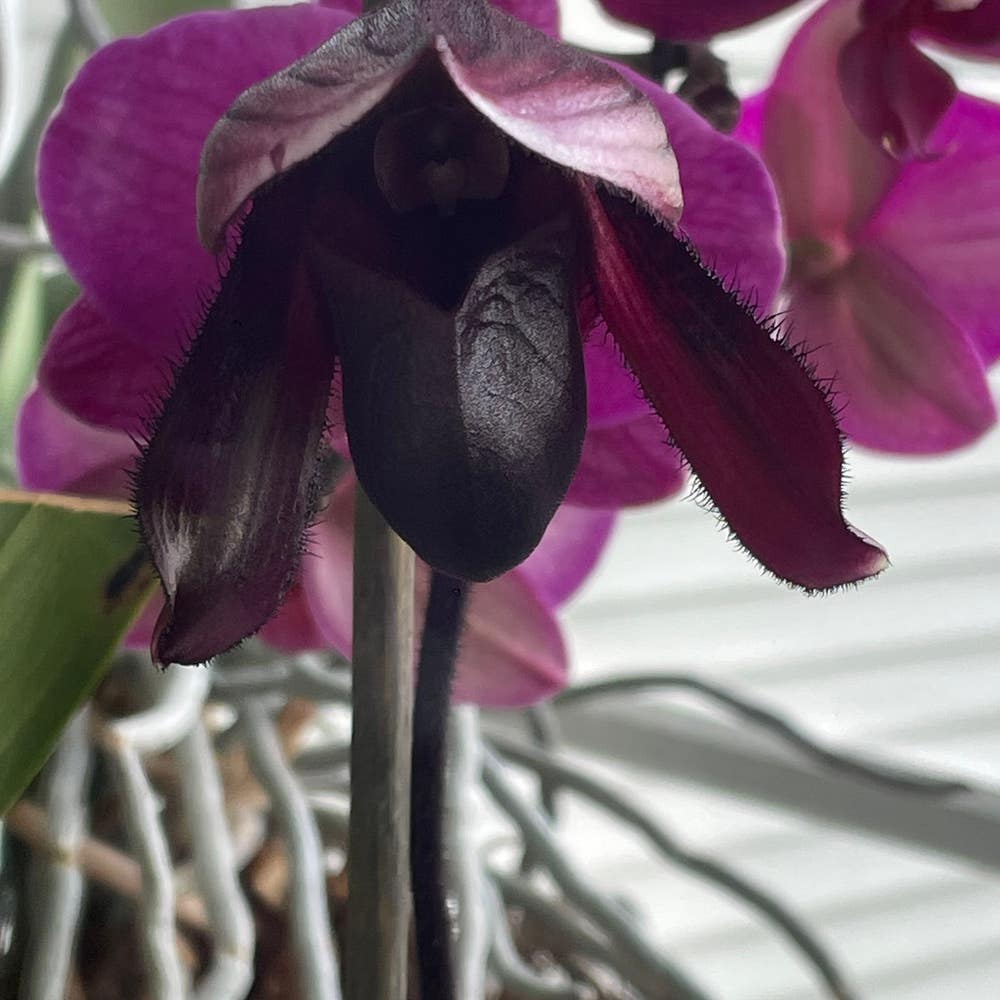
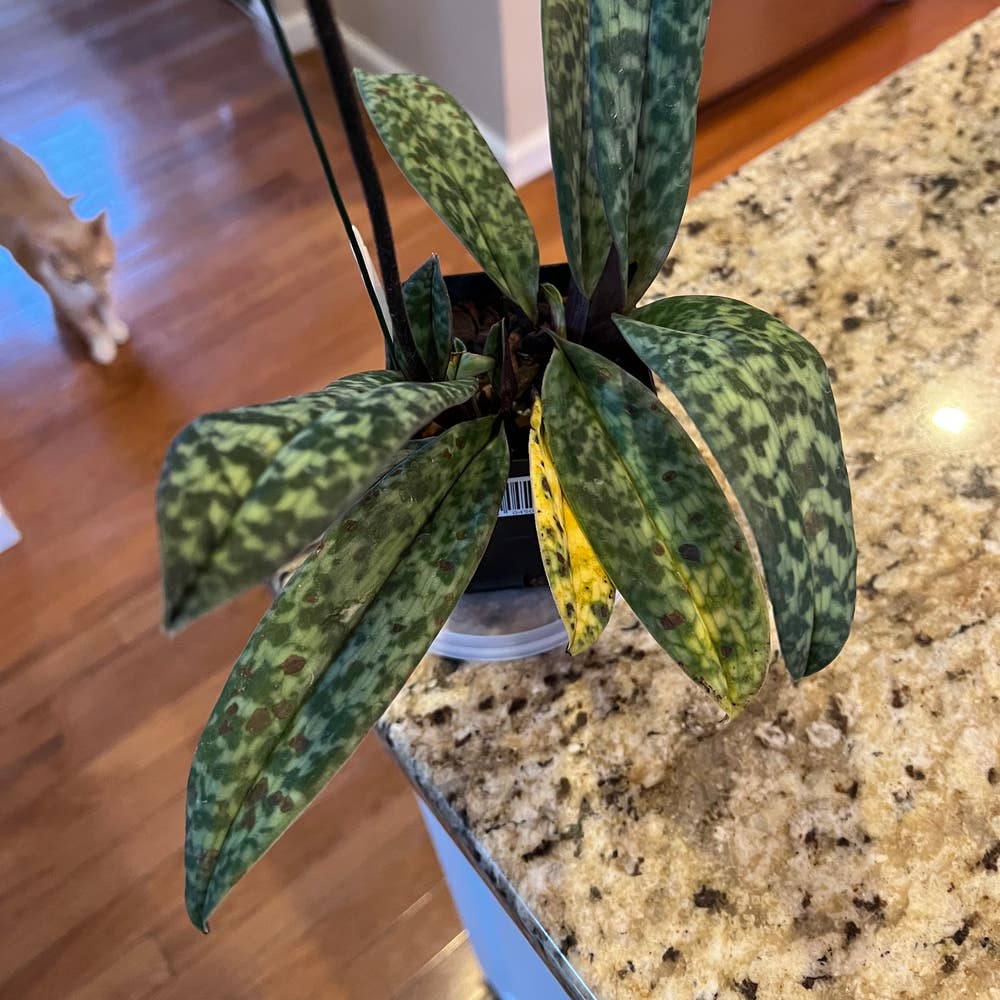
4 Quick Fixes for Fairrie's Paphiopedilum Bloom Problems 🥿
Paphiopedilum fairrieanum
By the Greg Editorial Team
Sep 29, 2024•3 min read
This article was created with the help of AI so we can cover more plants for you. May contain errors. See one? Report it here.
- 🌞 Bright, indirect light for 10-12 hours daily is essential for blooming success.
- 🌱 Balanced orchid fertilizer during the growing season prevents nutritional deficiencies.
- 🌡️ Stable temperatures between 20°C to 25°C (68°F to 77°F) avoid premature flower drop.
Failure to Bloom
🌞 Causes
Light
Insufficient or excessive light can significantly hinder the blooming process of Fairrie's Paphiopedilum. Finding the right balance is crucial for encouraging those beautiful flowers.
Nutrition
A lack of essential nutrients may prevent flower development altogether. Without the right nourishment, your orchid simply won't thrive.
Environmental Stress
Temperature fluctuations and humidity levels can impact the bloom cycle. Stress from these factors can lead to disappointing results.
💡 Solutions
Adjusting Light Levels
To promote blooming, provide bright, indirect light for 10-12 hours daily. Consider using sheer curtains to diffuse harsh sunlight and protect your plant.
Fertilization Tips
Utilize a balanced orchid fertilizer, such as a 30-10-10 mix, during the growing season. Fertilize every 2-4 weeks, but remember to reduce the frequency during dormancy for optimal results.
By addressing these key factors, you can help your Fairrie's Paphiopedilum flourish and bloom beautifully. Next, let’s explore the issue of premature flower drop and how to tackle it effectively.
Premature Flower Drop
🌡️ Causes
Temperature Fluctuations
Sudden changes in temperature can be a major culprit behind premature flower drop in Fairrie's Paphiopedilum. These orchids thrive in stable conditions, and any drastic shifts can stress the plant, leading to bud loss.
Watering Issues
Watering practices also play a crucial role. Overwatering or underwatering can create stress, making the plant more susceptible to dropping its buds.
🛠️ Solutions
Maintaining Consistent Conditions
To keep your orchid happy, maintain temperatures between 20°C to 25°C (68°F to 77°F) during the day. At night, a slightly cooler environment is ideal, so avoid placing your plant near drafts or heat sources.
Proper Watering Techniques
Water your Paphiopedilum when the top inch of the potting mix feels dry. This simple check can prevent both overwatering and underwatering, ensuring your plant remains healthy and vibrant.
By addressing these factors, you can significantly reduce the chances of premature flower drop. Next, let’s explore how to tackle abnormal flower development for a more robust bloom cycle.
Abnormal Flower Development
🌱 Causes
Abnormal flower development in Fairrie's Paphiopedilum can often be traced back to nutrient deficiencies. When the plant lacks essential nutrients, it may produce malformed flowers that fail to impress.
Another significant factor is pest infestation. Pests like aphids and spider mites can wreak havoc on buds and flowers, leading to stunted growth and poor development.
🛠️ Solutions
🐞 Identifying and Treating Pests
Regular inspections are crucial for maintaining healthy blooms. Look out for common pests such as aphids and spider mites.
If you spot any, treat them promptly with insecticidal soap or neem oil. These solutions are effective and safe for your plant.
🌿 Nutrient Management
To ensure your Paphiopedilum thrives, maintain a balanced supply of nitrogen, phosphorus, and potassium. These nutrients are vital for robust flower development.
Consider using a bloom booster fertilizer during the flowering phase. This can provide the extra nutrients your plant needs to produce stunning blooms.
By addressing these issues, you can help your Paphiopedilum flourish and enjoy beautiful flowers. Next, let’s explore how to prevent premature flower drop, ensuring your blooms last longer.
⚠️ Safety First
This content is for general information and may contain errors, omissions, or outdated details. It is not medical, veterinary advice, or an endorsement of therapeutic claims.
Always consult a qualified healthcare professional before using any plant as food, medicine, or supplement.
Never eat any plant (or feed one to pets) without confirming its identity with at least two trusted sources.
If you suspect poisoning, call Poison Control (800) 222-1222, the Pet Poison Helpline (800) 213-6680, or your local emergency service immediately.
Spotted an error? Please report it here.
Unlock vibrant blooms for your Fairrie's Paphiopedilum 🌸 with Greg's tailored care reminders and nutrient tips that keep your orchid thriving all season long!