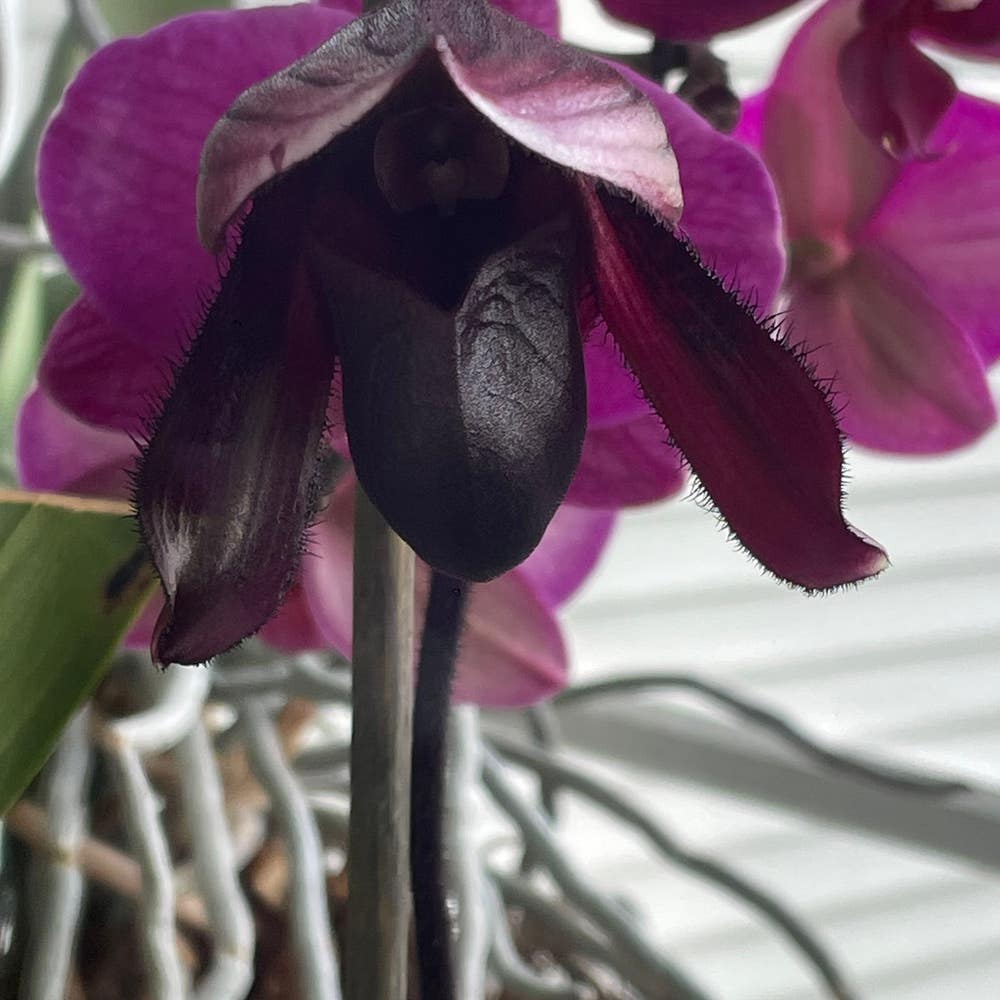
🌸 How to Care for Your Fairrie's Paphiopedilum in Winter
Paphiopedilum fairrieanum
By the Greg Editorial Team
Sep 29, 2024•5 min read
This article was created with the help of AI so we can cover more plants for you. May contain errors. See one? Report it here.
- ❄️ Fairrie's Paphiopedilum enters dormancy in winter, slowing growth and yellowing leaves.
- 🌡️ Protect from frost; temperatures below 10°C (50°F) can harm your orchid.
- 💧 Water every 2-3 weeks in winter, allowing the potting medium to dry slightly.
Winter Care for Fairrie's Paphiopedilum
Caring for your Fairrie's Paphiopedilum during winter is crucial for its health and vitality. This section covers essential aspects like dormancy behavior, frost protection, watering and fertilizing adjustments, indoor care, and spring preparation.
💤 Understanding Dormancy
During winter, Fairrie's Paphiopedilum enters a state of dormancy. You'll notice reduced growth activity and lower metabolic rates, which are normal for this time of year.
🔍 Signs of Dormancy
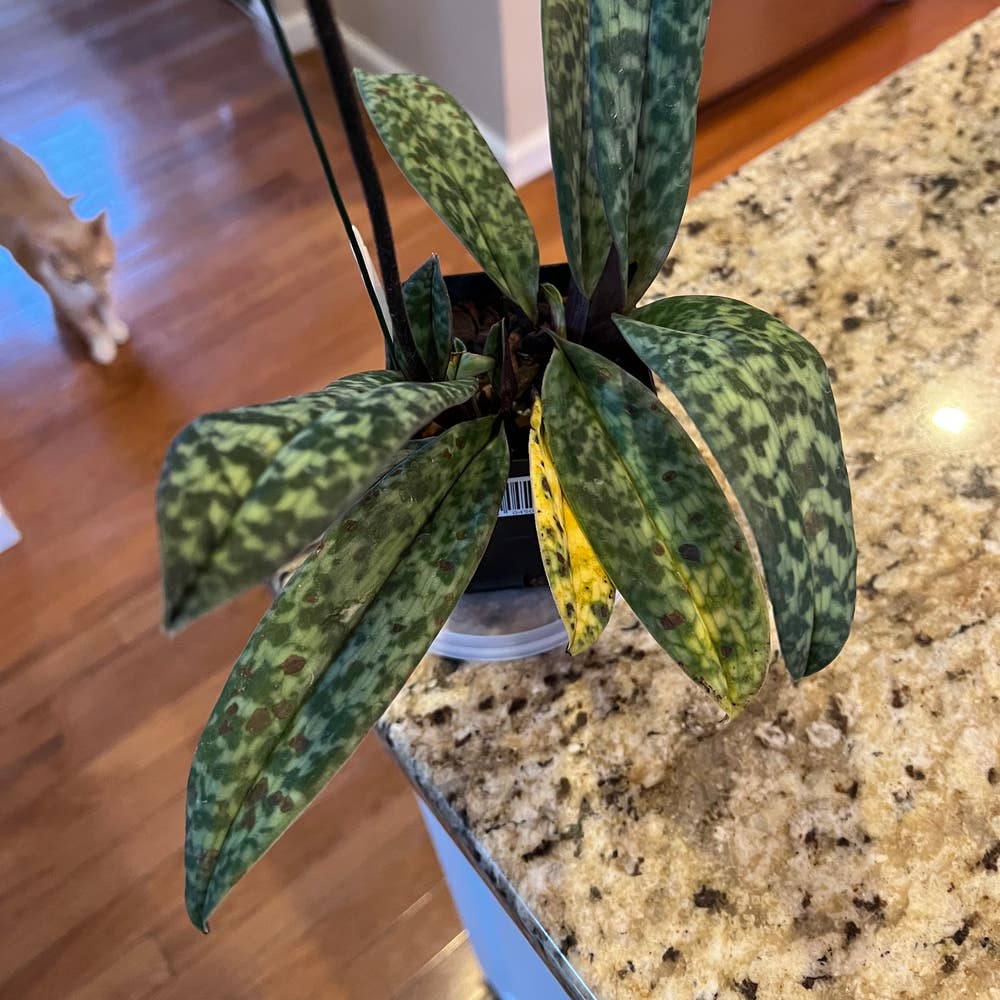
Look for signs such as slower growth and yellowing of older leaves. Remember, this yellowing is not frost damage but a natural part of the plant's winter behavior.
❄️ Frost Protection Essentials
Fairrie's Paphiopedilum is sensitive to frost. Temperatures below 10°C (50°F) can be harmful, so it's essential to monitor both temperature and humidity levels closely.
💧 Watering Adjustments
In winter, reduce your watering frequency to every 2-3 weeks. Ensure the potting medium dries slightly between waterings to prevent root rot.
🌱 Fertilizing Tips
Switch to a diluted, balanced orchid fertilizer every 4-6 weeks. Avoid high-nitrogen fertilizers during dormancy to keep your plant healthy.
🛡️ Best Practices for Frost Protection
Use frost cloths or blankets to cover outdoor plants during cold snaps. If temperatures drop significantly, move potted orchids indoors or to a sheltered location.
🏠 Indoor vs. Outdoor Care
For indoor care, maintain stable temperatures between 18°C to 24°C (65°F to 75°F). Ensure adequate air circulation to keep your plant thriving.
🌡️ Creating Optimal Indoor Conditions
Aim for an indoor temperature of 18°C to 24°C and humidity levels between 50% to 70%. You can achieve this using humidifiers or pebble trays.
☀️ Light Requirements
Provide bright, indirect light for your Fairrie's Paphiopedilum. If natural light is insufficient, consider using grow lights to supplement.
🌼 Preparing for Spring Recovery
As winter fades, watch for signs of recovery like new leaf growth and healthy root development. These indicators signal that your plant is ready for the warmer months.
🌸 Transitioning to Spring Care
Gradually increase your watering frequency and resume regular fertilization as temperatures rise. Keep an eye out for pests and diseases to ensure a healthy start to spring.
By following these winter care tips, you'll set your Fairrie's Paphiopedilum up for a successful growing season. Next, we’ll explore the specific signs of dormancy and how to identify them effectively.
Dormancy and Cold Hardiness
Characteristics and Signs 🌱
Fairrie's Paphiopedilum undergoes a fascinating transformation during winter. This period is marked by reduced growth activity and lower metabolic rates, signaling the plant's need for rest.
You might notice slower growth and yellowing of older leaves, which are normal signs of dormancy—not frost damage. It's essential to differentiate between these signs to avoid unnecessary worry.
Frost Sensitivity ❄️
This orchid is particularly sensitive to frost. Temperatures below 10°C (50°F) can be detrimental, so it's crucial to monitor both temperature and humidity levels closely.
Keeping your Fairrie's Paphiopedilum in a stable environment will help it thrive. A little extra care during this season can make all the difference in its health and vitality.
Watering and Fertilizing Adjustments
💧 Watering Frequency
During winter, it's crucial to adjust your watering routine for Fairrie's Paphiopedilum. Reduce watering to every 2-3 weeks, allowing the potting medium to dry slightly between waterings.
This helps prevent root rot and ensures your orchid remains healthy during its dormant phase. Keep an eye on the moisture level; overwatering can be detrimental.
📅 Fertilizing Schedule
Fertilizing is equally important but requires a different approach in winter. Use a diluted, balanced orchid fertilizer every 4-6 weeks.
Avoid high-nitrogen fertilizers during dormancy, as they can stimulate unwanted growth. Instead, focus on maintaining a balanced nutrient profile to support your orchid's needs.
By carefully managing watering and fertilizing, you set the stage for a vibrant spring recovery. Next, let’s explore how to protect your Fairrie's Paphiopedilum from frost.
Frost Protection
Best Practices 🧣
To protect your Fairrie's Paphiopedilum from frost, cover outdoor plants with frost cloths or blankets during cold snaps. This simple step can make a significant difference in keeping your orchids safe.
Additionally, if temperatures drop significantly, move potted orchids indoors or to a sheltered location. This proactive measure helps shield them from harsh winter conditions.
Indoor vs. Outdoor Care 🏡
For indoor care, aim to maintain stable temperatures between 18°C to 24°C (65°F to 75°F). Ensure there’s adequate air circulation to create a comfortable environment for your orchids.
Outdoors, keep an eye on nighttime temperatures. Be ready to bring your plants indoors if the forecast predicts a chill. This vigilance will help your orchids thrive through the winter months.
Indoor Winter Care
Optimal Conditions 🌡️
To keep your Fairrie's Paphiopedilum thriving indoors during winter, aim for a temperature range of 18°C to 24°C (65°F to 75°F). Maintaining humidity levels between 50% and 70% is crucial; consider using humidifiers or pebble trays to achieve this balance.
Light Requirements 💡
Your orchid craves bright, indirect light, so avoid placing it in direct sunlight, which can scorch its leaves. If natural light is lacking, think about investing in grow lights to ensure your plant gets the energy it needs to flourish.
By creating these optimal indoor conditions, you set the stage for a healthy winter season for your Fairrie's Paphiopedilum. As you nurture your plant, keep an eye on its needs and prepare for the upcoming spring growth.
Spring Preparation and Recovery
🌱 Signs of Recovery
As winter fades, look for signs that your Fairrie's Paphiopedilum is waking up. New leaf growth and healthy roots peeking through the pot drainage holes are excellent indicators that your orchid is ready for the growing season.
🌼 Preparing for Spring Growth
To support this revival, gradually increase your watering frequency. As temperatures rise, resume your regular fertilization schedule, but keep an eye out for pests and diseases that may have taken advantage of the winter dormancy.
Transitioning into spring is an exciting time for your orchid. With the right care, your Fairrie's Paphiopedilum will flourish, setting the stage for a vibrant growing season ahead.
⚠️ Safety First
This content is for general information and may contain errors, omissions, or outdated details. It is not medical, veterinary advice, or an endorsement of therapeutic claims.
Always consult a qualified healthcare professional before using any plant as food, medicine, or supplement.
Never eat any plant (or feed one to pets) without confirming its identity with at least two trusted sources.
If you suspect poisoning, call Poison Control (800) 222-1222, the Pet Poison Helpline (800) 213-6680, or your local emergency service immediately.
Spotted an error? Please report it here.
Keep your Fairrie's Paphiopedilum thriving this winter ❄️ with Greg's custom watering reminders and expert care tips that set the stage for a blooming spring!