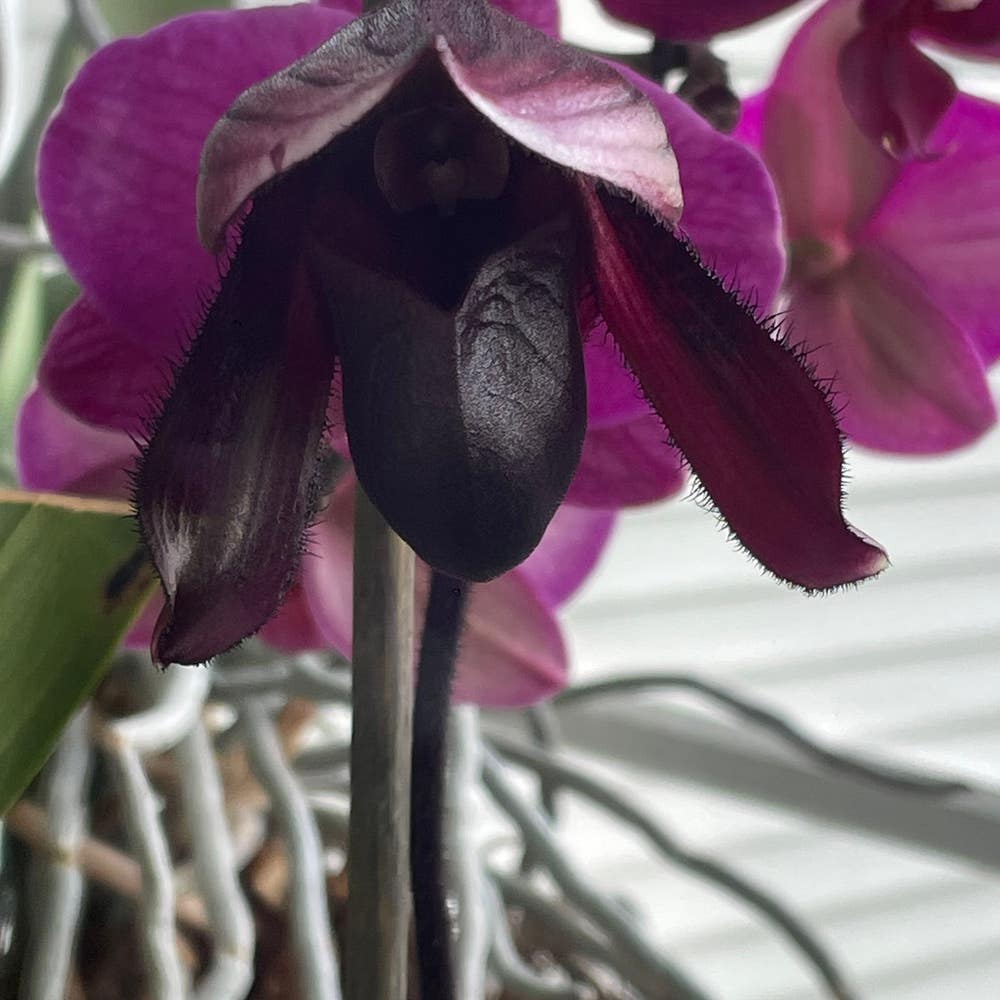
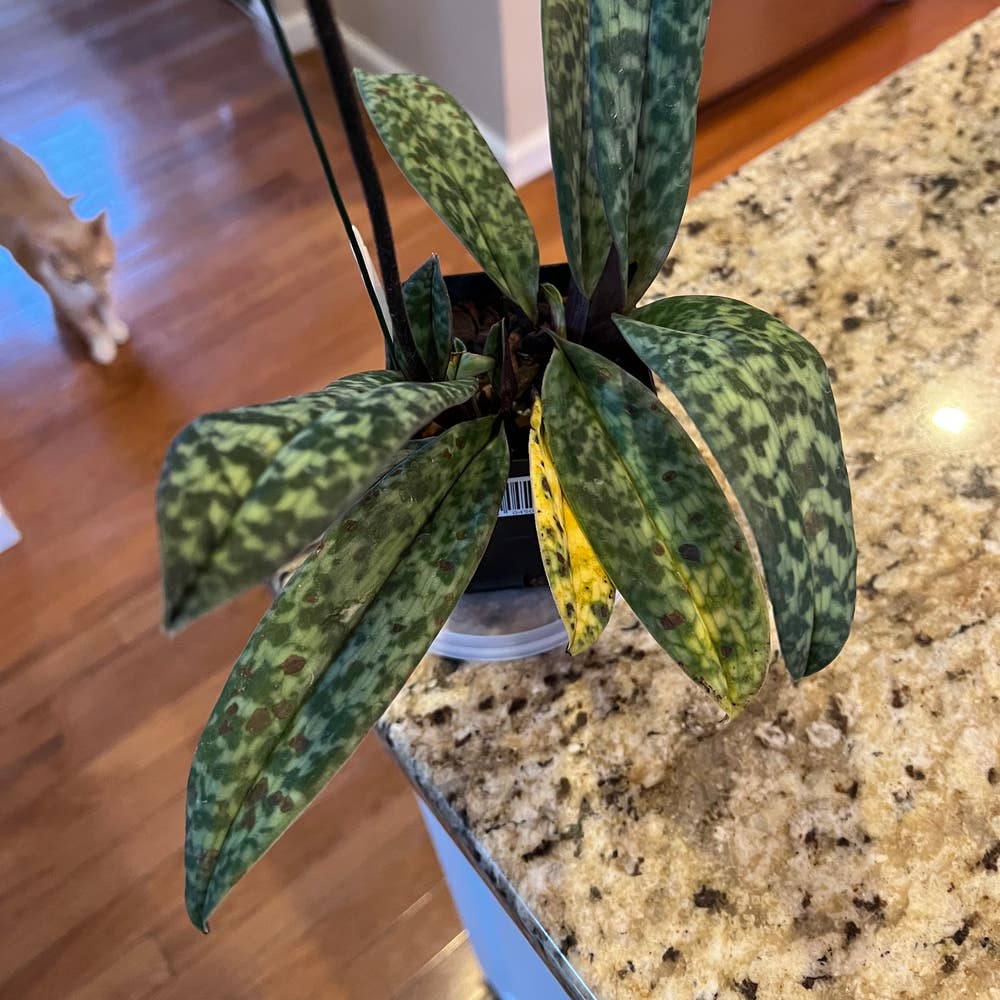
🌸 Fairrie's Paphiopedilum Growth: Height vs. Width
Paphiopedilum fairrieanum
By the Greg Editorial Team
Sep 29, 2024•5 min read
This article was created with the help of AI so we can cover more plants for you. May contain errors. See one? Report it here.
- 🌱 Fairrie's Paphiopedilum grows 12-18 inches tall and 8-12 inches wide under optimal care.
- 🌞 Light, temperature, and humidity are crucial for maximizing growth and size.
- 🔄 Regular repotting and balanced fertilization support healthy growth and vibrant blooms.
Mature Height and Width
Typical Dimensions 🌱
Fairrie's Paphiopedilum typically reaches a mature height of 12 to 18 inches. Its width generally spans 8 to 12 inches, making it a striking addition to any collection.
Factors Influencing Dimensions 📏
Genetic variability plays a significant role in the dimensions of these orchids. Some specimens may grow larger or smaller than the typical range due to their unique genetic makeup.
Care practices also heavily influence size. With optimal care, you can encourage your Paphiopedilum to reach its upper size limits, showcasing its full potential.
Understanding these factors can help you cultivate a thriving plant that not only meets but exceeds your expectations. As you continue to learn about their growth, you'll find that every plant has its own story to tell.
Growth Rate and Time to Maturity
🌱 Growth Rate Variability
The growth rate of Fairrie's Paphiopedilum can fluctuate widely based on environmental conditions. When provided with optimal light, temperature, and humidity, these orchids can flourish and grow rapidly.
Conversely, if conditions are less than ideal, growth may slow significantly. This variability means that even the same species can exhibit different growth rates depending on their surroundings.
⏳ Time to Reach Full Size
On average, Fairrie's Paphiopedilum takes about 2-3 years to reach full maturity under ideal conditions. However, several factors can influence this timeline.
Key elements affecting time to maturity include light exposure, temperature, humidity levels, and overall care practices. Ensuring these factors are aligned can help your orchid thrive and reach its full potential more quickly.
Understanding these growth dynamics can empower you to create the best environment for your Paphiopedilum, setting the stage for a vibrant and healthy plant. As we explore further, let’s dive into the size variability among different specimens and how genetics and environment play a role.
Size Variability Among Different Specimens
🧬 Genetic Factors
Genetics play a crucial role in the size of Fairrie's Paphiopedilum. Some specimens are naturally predisposed to grow larger or smaller, leading to a fascinating diversity among plants.
This genetic variability means that even with the same care, two plants can exhibit different dimensions. It's a reminder of nature's unpredictability and the unique charm of each specimen.
🌍 Environmental Impact on Size
Growing conditions significantly influence the size of Paphiopedilum. Factors like light, temperature, and humidity can lead to noticeable differences in plant dimensions.
For instance, a plant thriving in bright, indirect light may reach its full potential, while one in a dimmer spot might lag behind. Observing these variations can be an eye-opening experience for any plant enthusiast.
In different environments, you might find that a Paphiopedilum grown in a warm, humid greenhouse flourishes, while another in a cooler, drier setting struggles. This variability highlights the importance of understanding and optimizing growing conditions for your plants.
As you explore the nuances of size variability, remember that each plant tells its own story, shaped by both its genetic makeup and the environment it thrives in.
Influence of Growing Conditions on Size
💡 Light Conditions and Their Effect on Growth
Bright, indirect light is crucial for the healthy growth of Fairrie's Paphiopedilum. When plants receive optimal light levels, they thrive and reach their full potential; however, insufficient light can stunt growth, resulting in smaller dimensions.
🌡️ Temperature and Humidity Impacts
Maintaining an ideal temperature range of 70°F to 80°F (21°C to 27°C) during the day is essential for these orchids. Additionally, humidity levels between 50-70% create a conducive environment for growth, helping to ensure your plants flourish.
🪴 Soil Type and Pot Size Considerations
Using a well-draining potting mix is vital for healthy root development in Paphiopedilum. Furthermore, the size of the pot matters; larger pots can encourage more significant growth, while smaller pots may restrict the plant's size and overall health.
Understanding these growing conditions can significantly influence the size of your orchids, setting the stage for successful cultivation. As you explore these factors, consider how they might apply to your own growing practices.
Controlling Size Through Care Techniques
Pruning Methods for Size Management ✂️
Regular pruning is a key technique to manage the size of your Paphiopedilum. By trimming back excess growth, you can encourage a more compact and healthy plant.
Timing is crucial; the best period for pruning is during the growing season. This allows the plant to recover quickly and promotes new growth.
Potting Techniques to Influence Growth 🪴
Choosing the right pot size can significantly impact your plant's growth. Larger pots provide more room for root expansion, which can lead to larger plants.
Repotting every 1-2 years is essential to refresh the soil and manage size. This practice helps prevent root binding and ensures your plant has the nutrients it needs.
Fertilization Strategies for Optimal Size 🌱
Balanced fertilization is vital for promoting healthy growth in your Paphiopedilum. Using the right nutrients can help your plant reach its full potential.
Feed your plant monthly during the growing season with a suitable fertilizer. This consistent care will support robust growth and vibrant blooms.
By implementing these care techniques, you can effectively control the size of your Paphiopedilum while ensuring it thrives. Next, we’ll explore how different environmental factors can further influence the dimensions of your plant.
⚠️ Safety First
This content is for general information and may contain errors, omissions, or outdated details. It is not medical, veterinary advice, or an endorsement of therapeutic claims.
Always consult a qualified healthcare professional before using any plant as food, medicine, or supplement.
Never eat any plant (or feed one to pets) without confirming its identity with at least two trusted sources.
If you suspect poisoning, call Poison Control (800) 222-1222, the Pet Poison Helpline (800) 213-6680, or your local emergency service immediately.
Spotted an error? Please report it here.
Grow your Fairrie's Paphiopedilum to its full potential 🌱 with Greg's personalized care tips and reminders that ensure your orchids thrive beautifully!