🦋 Top 9 Signs Your Fairrie's Paphiopedilum Needs Pollination
Paphiopedilum fairrieanum
By the Greg Editorial Team
Sep 29, 2024•6 min read
This article was created with the help of AI so we can cover more plants for you. May contain errors. See one? Report it here.
- 🌸 Fairrie's Paphiopedilum attracts pollinators with vibrant colors and captivating scents.
- 🐝 Cross-pollination boosts genetic diversity, ensuring healthier offspring for your orchids.
- 🌱 Hand pollination is possible—learn to identify flower parts for successful reproduction.
Flower Structure
Description of Flower Parts 🌸
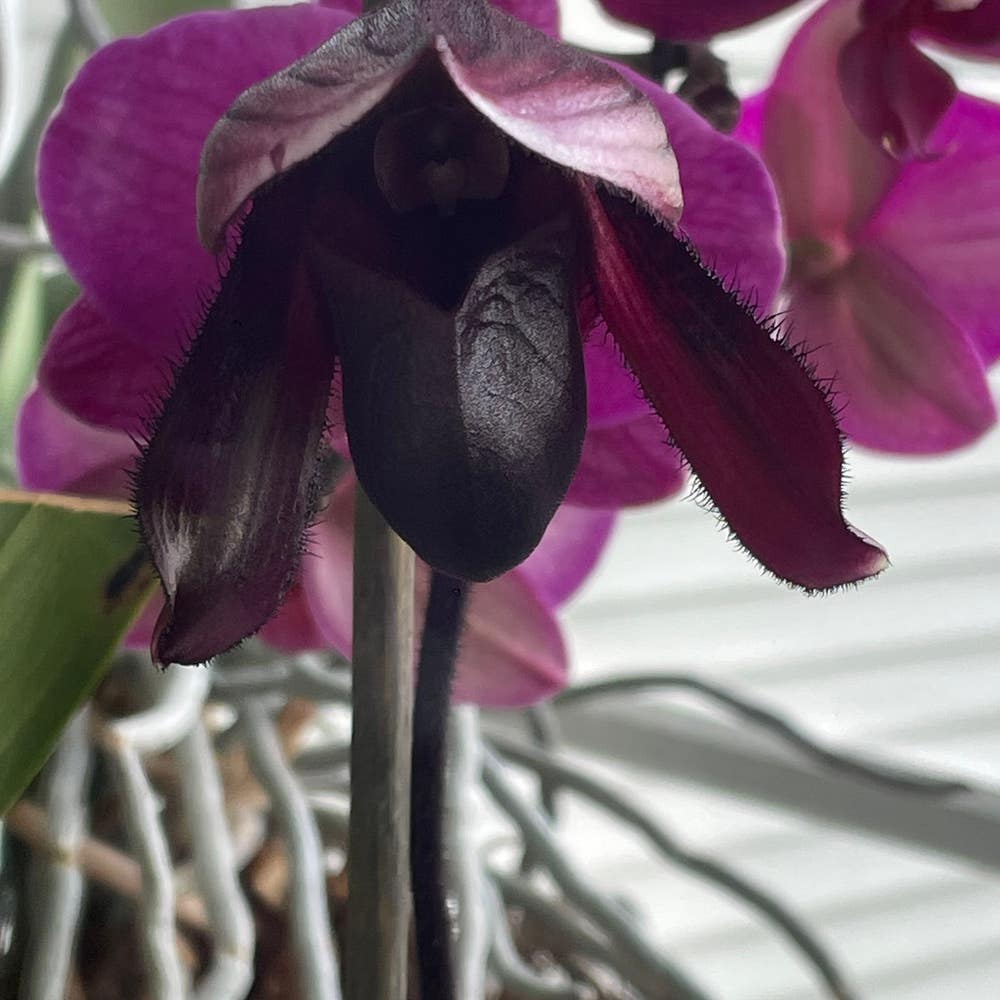
Fairrie's Paphiopedilum showcases a unique slipper-shaped flower, often adorned with vibrant colors and intricate patterns. These features are specifically designed to attract pollinators, making the flower not just beautiful but also functional.
The sepals, typically green or patterned, provide essential structural support. They frame the flower, enhancing its visual appeal while ensuring stability during pollination.
The stamens serve as the male reproductive parts, diligently producing pollen. In contrast, the pistils act as the female reproductive components, ready to receive pollen for fertilization.
Role in Pollination 🐝
The anatomy of Fairrie's Paphiopedilum facilitates self-pollination, allowing the flower to reproduce even in the absence of external pollinators. This self-sufficiency can be crucial in less-than-ideal conditions.
However, the flower's structure also encourages cross-pollination. By attracting specific pollinator species, it enhances genetic diversity, which is vital for the health of the species. The interplay between self and cross-pollination showcases the flower's adaptability and resilience in nature.
As we delve deeper into the pollination process, understanding these foundational elements will illuminate how Fairrie's Paphiopedilum thrives in its environment.
Pollination Process
🌱 Self-Pollination (if applicable)
Fairrie's Paphiopedilum has a fascinating ability to self-pollinate. This occurs when the flower's anatomy allows pollen from the stamens to transfer directly to the pistil, typically during peak bloom when conditions are optimal.
Self-pollination can be beneficial, especially in environments where pollinators are scarce. It ensures seed production, but relying solely on this method may limit genetic diversity.
🌼 Cross-Pollination
Cross-pollination is equally vital for Fairrie's Paphiopedilum. It occurs when pollen from one flower fertilizes the pistil of another, often leading to healthier and more diverse offspring.
Primary Pollinators
Bees: These industrious insects are key players in the pollination game. They are attracted to the flower's vibrant colors and sweet scents, ensuring effective pollen transfer.
Butterflies: With their delicate wings and keen sense of smell, butterflies also contribute significantly. They flit from flower to flower, spreading pollen as they sip nectar.
Other pollinator species: Moths and hummingbirds join the mix, each playing a unique role. Moths are often active at night, while hummingbirds are drawn to bright colors and sugary nectar during the day.
🌸 Attraction Mechanisms
The allure of Fairrie's Paphiopedilum lies in its stunning color and captivating scent. These features are designed to attract a variety of pollinators, ensuring successful reproduction.
Nectar rewards are another crucial element. By offering a sweet treat, the flower not only attracts pollinators but also encourages them to return, enhancing the chances of successful pollination.
In summary, understanding the pollination process for Fairrie's Paphiopedilum reveals the intricate relationships between flowers and their pollinators. This knowledge sets the stage for exploring natural pollination mechanisms and their importance in the next section.
Natural Pollination
🌬️ Pollen Transfer Mechanisms
During natural pollination, pollen moves from the anthers to the stigma, a crucial step for fertilization. This transfer can occur through various means, including the gentle nudging of pollinators, the pull of gravity, and even the whisper of the wind.
Pollinators, like bees and butterflies, play a significant role in this process. As they visit the flower for nectar, they inadvertently brush against the anthers, collecting pollen that they later deposit onto the stigma of another flower.
🌱 Importance of Pollination
Successful pollination is vital for seed production in Fairrie's Paphiopedilum. When pollen lands on the stigma, it triggers a series of events that lead to fertilization and, ultimately, the formation of seeds.
Cross-pollination enhances genetic diversity within the species. This diversity is essential for resilience against diseases and environmental changes, ensuring the long-term survival of the orchid.
Understanding these mechanisms not only highlights the beauty of nature but also emphasizes the importance of protecting pollinators and their habitats. With this knowledge, we can appreciate the intricate dance of life that sustains our ecosystems.
Next, we’ll explore hand pollination techniques to help you take an active role in your orchid's reproduction.
Hand Pollination Techniques
Step-by-Step Instructions 🌼
Hand pollination can be a rewarding process for your Fairrie's Paphiopedilum. Follow these simple steps to ensure success.
Identify male and female flower parts: Start by locating the stamens, which produce pollen, and the pistils, which receive it.
Collecting pollen: Use a small brush or cotton swab to gently gather pollen from the anthers. This is a delicate task, so take your time.
Transferring pollen: Carefully apply the collected pollen to the stigma of the pistil. Make sure to cover it well for the best chances of fertilization.
Timing: Perform this process during the flower's peak bloom. This is when the flower is most receptive, enhancing your chances of success.
Ensuring Successful Fertilization 🌱
To boost the likelihood of successful fertilization after hand pollination, consider the following conditions:
Humidity: Maintain a humid environment, as this can help pollen grains remain viable longer.
Temperature: Ensure the temperature is optimal for your orchid. Too hot or too cold can hinder the fertilization process.
Care: After pollination, continue to care for your plant as usual. Healthy plants are more likely to produce seeds.
By following these techniques and tips, you can effectively hand pollinate your Fairrie's Paphiopedilum, contributing to its growth and reproduction. Next, let’s explore how to create a pollinator-friendly environment to support these beautiful orchids.
Supporting Pollinators
🌼 Creating a Pollinator-Friendly Environment
To attract a variety of pollinator species, plant diversity is key. Incorporating different flowering plants ensures that there’s something blooming throughout the seasons, providing food for bees, butterflies, and other pollinators.
Additionally, creating habitats is crucial. Pollinators need shelter and nesting sites to thrive. Consider adding native plants, shrubs, and even small water sources to support their needs.
🌱 Companion Plants
Choosing the right companion plants can significantly enhance your orchid's pollination success. For instance, planting lavender can attract bees, while milkweed is a magnet for butterflies.
Other beneficial plants include:
- Echinacea (Coneflower): Great for attracting a variety of pollinators.
- Bee Balm: Known for its ability to draw in hummingbirds and bees.
- Marigolds: Their vibrant colors can lure in beneficial insects.
By strategically selecting these plants, you create a welcoming environment that boosts pollination rates for your Fairrie's Paphiopedilum.
As you cultivate this pollinator-friendly space, remember that every little effort counts. The more you nurture these relationships, the more vibrant your garden will become, setting the stage for successful pollination.
Next, let’s explore the challenges that can arise during the pollination process and how to overcome them.
Pollination Challenges
Common Obstacles 🌧️
Pollination success can be significantly impacted by environmental factors. Temperature fluctuations and high humidity levels can hinder the delicate balance needed for effective pollination.
Additionally, a lack of pollinators poses a serious challenge. Urbanization, pesticide use, and habitat loss have led to reduced pollinator activity in many areas, making it harder for Fairrie's Paphiopedilum to thrive.
Solutions 🌼
To create an optimal environment for pollination, consider adjusting growing conditions. Ensure your orchids are placed in areas with stable temperatures and moderate humidity to encourage pollinator visits.
Enhancing pollinator presence is equally important. Planting a variety of flowering species can attract diverse pollinators, boosting the chances of successful pollination for your orchids.
By addressing these challenges, you can foster a thriving ecosystem that supports both your orchids and their pollinators.
⚠️ Safety First
This content is for general information and may contain errors, omissions, or outdated details. It is not medical, veterinary advice, or an endorsement of therapeutic claims.
Always consult a qualified healthcare professional before using any plant as food, medicine, or supplement.
Never eat any plant (or feed one to pets) without confirming its identity with at least two trusted sources.
If you suspect poisoning, call Poison Control (800) 222-1222, the Pet Poison Helpline (800) 213-6680, or your local emergency service immediately.
Spotted an error? Please report it here.
Recognizing when your Fairrie's Paphiopedilum needs pollination is key to its vibrant growth 🌱, and with Greg's personalized care tips and reminders, you can create the perfect environment for attracting pollinators and ensuring your orchid flourishes!