Best Soil for Paphiopedilum fairrieanum
Paphiopedilum fairrieanum
By the Greg Editorial Team
Apr 06, 2024•4 min read
This article was created with the help of AI so we can cover more plants for you. May contain errors. See one? Report it here.
- 🌱 Mold signals moisture issues; fix with repotting and airflow adjustments.
- DIY soil mix: equal parts bark, moss, perlite, plus a charcoal touch.
- Pre-made mixes: convenient, but ensure they have orchid-friendly ingredients.
Spotting Trouble: Unhealthy Soil Signs and Fixes
🚨 Recognizing the SOS signals from your soil
Mold in your Paphiopedilum fairrieanum's soil is like a bad omen in a horror movie – it's never a good sign. Look out for a greenish-white fuzz or a musty smell. These are dead giveaways that your soil is too moist and your orchid is losing the battle against fungal invaders.
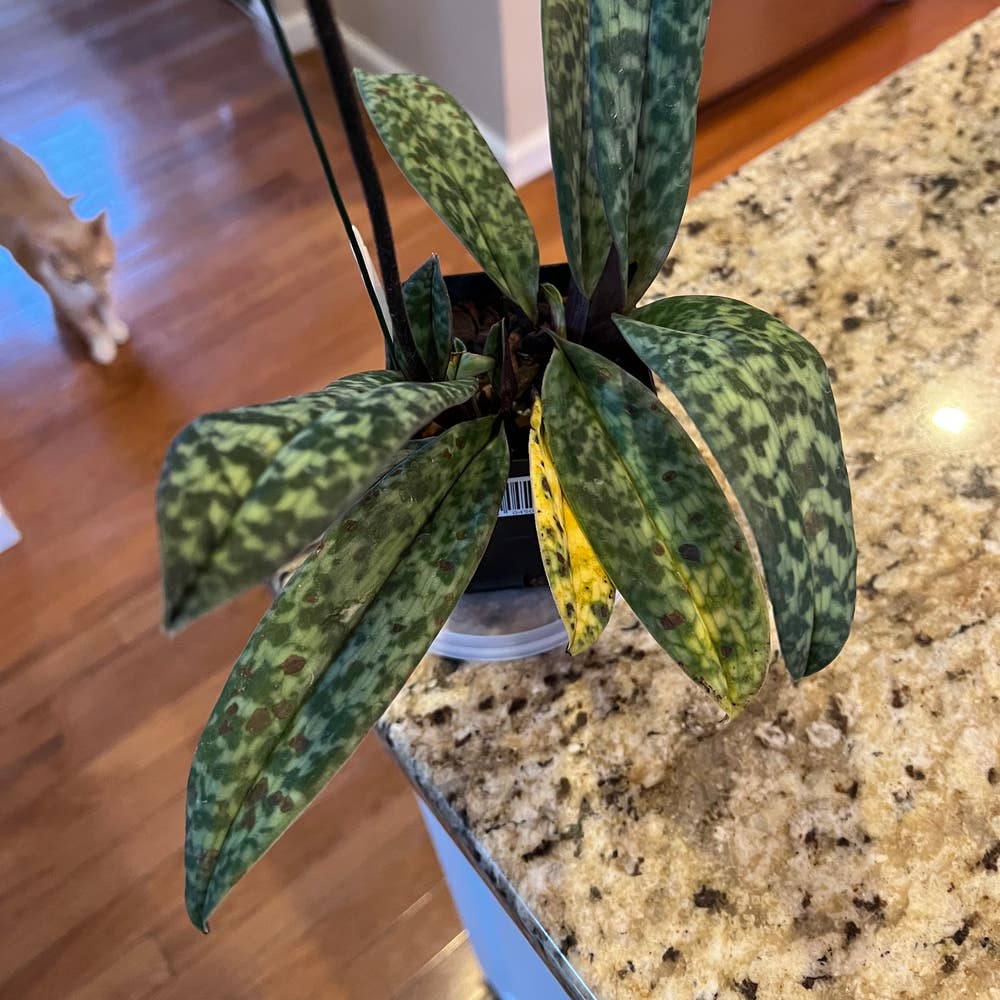
Excessive moisture and poor drainage are the dynamic duo of doom for your plant's roots. If the soil feels more like a wet sponge than a nurturing bed, consider it an SOS. Yellowing leaves and a soil texture that's too soggy are your plant's way of crying out for help.
🔄 Turning the Soil Ship Around
To banish mold, start by removing the visible fuzz. Cut back on watering and let the soil dry out. Increase airflow and give your plant some sunlight. If the mold is more stubborn than a mule, it's time to repot with a fresh, sterile mix and throw in some perlite for good measure.
Improving drainage and aeration is like giving your plant's roots a breath of fresh air. Ensure your pot has adequate drainage holes. If the roots look like they've been through the wringer, trim the damaged parts. Consistency in watering will become your new best friend – it's all about finding that sweet spot.
Crafting the Perfect Soil Mix
🌱 The Must-Have Ingredients
Creating the ideal soil mix for Paphiopedilum fairrieanum is straightforward but essential. Bark provides the necessary structure, allowing roots to anchor. Sphagnum moss excels in moisture retention, keeping the roots hydrated. Perlite ensures aeration, preventing soil compaction and promoting healthy root growth. Lastly, charcoal acts as a purifier, keeping the mix fresh and free from toxins.
🌿 Mixing It Up: Your DIY Guide
To concoct the perfect blend, follow these steps:
- Sanitize all components to prevent disease.
- Combine equal parts of bark, sphagnum moss, and perlite.
- Add a small amount of charcoal to the mix.
- Ensure even distribution by thoroughly mixing.
- Test the mix's drainage—it should hold moisture but not become soggy.
- Adjust proportions as needed, aiming for a light, airy texture.
Remember, the mix should last up to two years with proper care.
Choosing Pre-Made Potting Mixes: Yay or Nay?
💡 When to Go Store-Bought
In the hustle of daily life, convenience often trumps the art of mixology—soil mixology, that is. Pre-made potting mixes shine when time is scarce or when the thought of mixing bark and moss feels more like a chore than a hobby. They're a no-brainer for beginners not ready to dive into the specifics of soil components. Plus, they're a compact solution for urban dwellers lacking the space to store multiple soil ingredients.
🌸 Top Picks for Paphiopedilum fairrieanum
Let's cut to the chase: not all commercial mixes are created equal. For Paphiopedilum fairrieanum, you want a mix that boasts excellent drainage and aeration. Look for brands that incorporate orchid bark, perlite, and charcoal—these are the VIPs for your orchid's root system. A popular choice among enthusiasts is the Lechuza-Pon Substrate Potting Mix, designed with orchids in mind. Always scrutinize the label; it's the roadmap to ensuring your Paphiopedilum fairrieanum doesn't end up with wet feet. Remember, a lighter bag often means better aeration, crucial for keeping those roots healthy.
Maintaining Your Soil's Mojo
🕵️♂️ Regular Check-Ups
Regularly monitoring your Paphiopedilum fairrieanum's soil is like being a plant detective; it's all about catching clues before a full-blown problem emerges. Monthly checks should be non-negotiable in your plant care routine. Dive in with your fingers to assess the soil's moisture and texture. If it feels more like a wet sponge than a crumbly brownie, your soil's sending an SOS.
🔄 Refreshing the Mix
Annually, it's time to give your orchid's soil a makeover. Think of it as a nutrient recharge. Replace the old mix with a fresh, airy, and nutritious one. This isn't just about pampering your plant; it's about ensuring it has a robust foundation for the year ahead. If you notice the soil turning into a dense, lifeless mass sooner, don't wait—refresh it. Remember, your plant's vigor hinges on the soil it calls home.
⚠️ Safety First
This content is for general information and may contain errors, omissions, or outdated details. It is not medical, veterinary advice, or an endorsement of therapeutic claims.
Always consult a qualified healthcare professional before using any plant as food, medicine, or supplement.
Never eat any plant (or feed one to pets) without confirming its identity with at least two trusted sources.
If you suspect poisoning, call Poison Control (800) 222-1222, the Pet Poison Helpline (800) 213-6680, or your local emergency service immediately.
Spotted an error? Please report it here.
Keep your Paphiopedilum fairrieanum's soil mold-free and flourishing 🌱 with Greg's moisture monitoring and personalized potting mix advice.