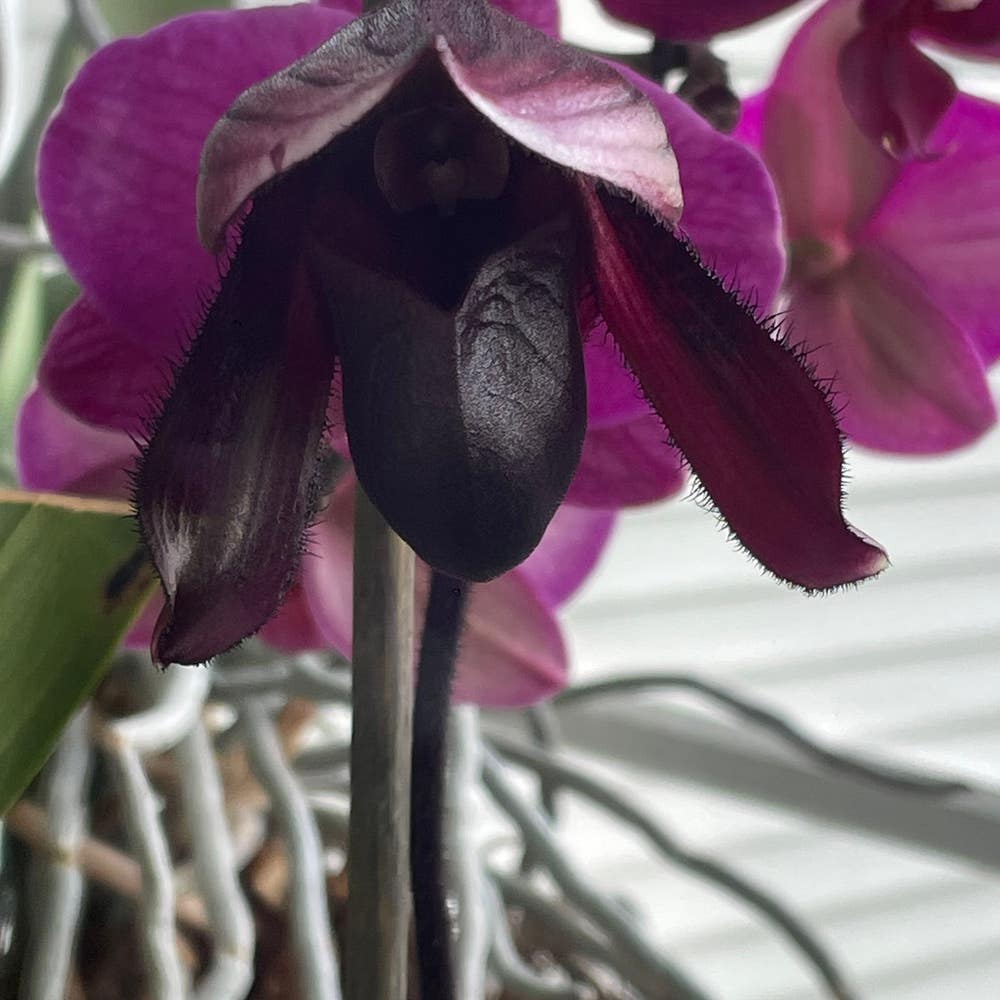
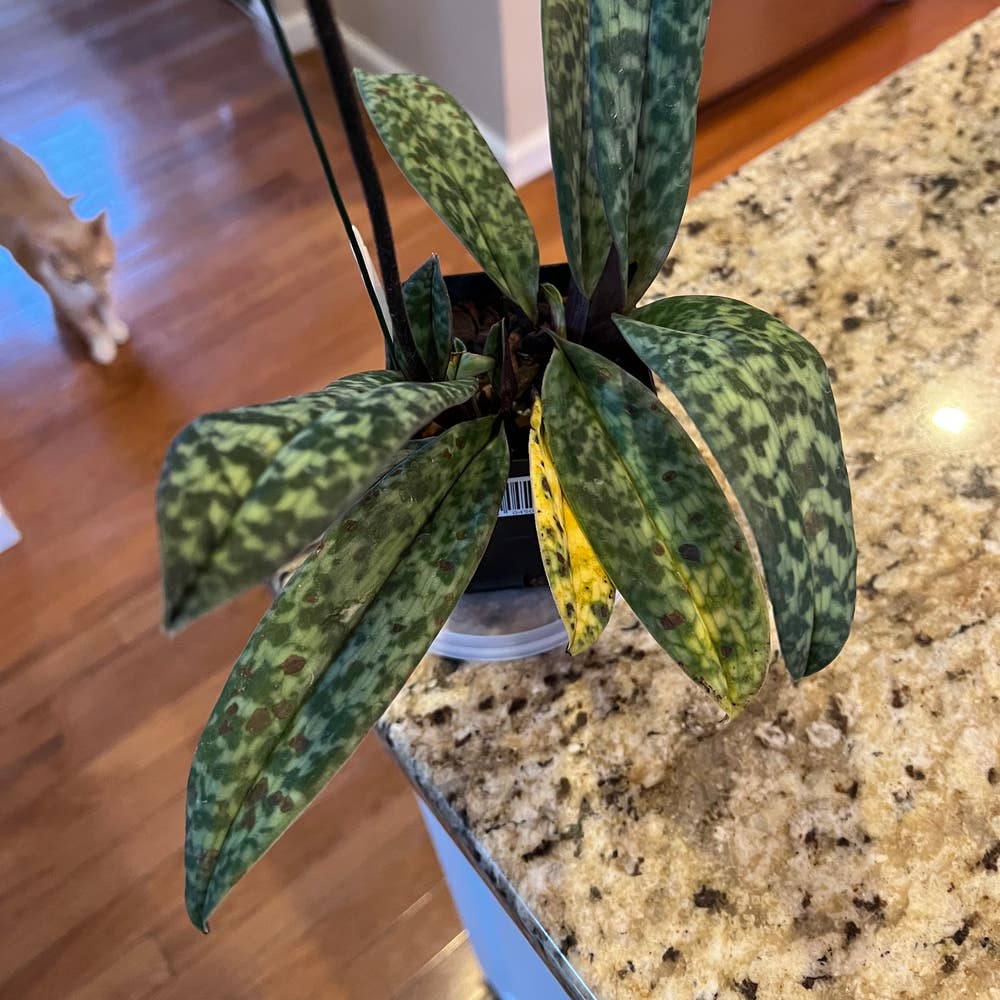
🌸 7 Tips for Growing Fairrie's Paphiopedilum Outdoors
Paphiopedilum fairrieanum
By the Greg Editorial Team
Sep 29, 2024•6 min read
This article was created with the help of AI so we can cover more plants for you. May contain errors. See one? Report it here.
- 🌞 Fairrie's Paphiopedilum thrives in 50-70% filtered sunlight; adjust for climate needs.
- 💧 Water every 5-7 days; use distilled water for best results.
- 🌱 Ensure well-draining soil and monitor for pests to maintain plant health.
Sunlight Needs
Ideal Sunlight Exposure 🌞
Fairrie's Paphiopedilum thrives in full shade to partial shade, ideally receiving 50-70% filtered sunlight. Direct sunlight during peak hours can scorch the leaves, so it's crucial to shield them from harsh rays.
Adjusting Sunlight Based on Climate 🌡️
In hotter climates, providing extra shade is essential to prevent overheating. Conversely, in cooler climates, allowing more light can stimulate growth, helping your orchids flourish.
Understanding these sunlight needs is vital for the health of your Paphiopedilum. With the right exposure, you’ll set the stage for vibrant blooms and lush foliage.
Next, let’s dive into the watering requirements that will keep your orchids hydrated and happy.
Watering Requirements and Techniques
🌊 General Watering Guidelines
For Fairrie's Paphiopedilum, aim to water every 5-7 days during its active growth phase. The potting medium should be kept moist but never soggy to promote healthy growth.
💧 Techniques for Effective Watering
- Use Distilled or Rainwater: This ensures optimal results, as tap water can contain chemicals that may harm your plant.
- Water Early in the Morning: Doing this reduces evaporation, allowing the plant to absorb more moisture.
- Check for Drainage: Always ensure your pots have adequate drainage holes to prevent waterlogging.
🚰 Signs of Under or Overwatering
Watch for signs of underwatering, such as wrinkled leaves and a dry potting medium. Conversely, overwatering can lead to yellowing leaves and root rot, which are clear indicators that adjustments are needed.
By mastering these watering techniques, you set the stage for a thriving Paphiopedilum. Next, let’s explore the ideal soil preferences and amendments that will further support your plant's growth.
Soil Preferences and Amendments
Ideal Soil Composition 🌱
For Fairrie's Paphiopedilum, a well-draining, organic-rich soil mix is essential. The ideal blend includes bark, perlite, and sphagnum moss, which together create a breathable environment that promotes healthy root development.
Soil pH Levels ⚖️
Maintaining the right soil pH is crucial for nutrient uptake. Aim for a range of 5.5 to 6.5 to ensure your orchids thrive.
Soil Amendments 🧪
Incorporating slow-release fertilizers into your soil mix can provide a steady supply of nutrients. Regularly check soil moisture levels and amend as necessary to keep your plants happy and healthy.
By understanding these soil preferences and making the right amendments, you can create an optimal growing environment for your Fairrie's Paphiopedilum. Next, let’s explore the fertilization schedule and types that will further enhance their growth.
Fertilization Schedule and Types
Fertilization Frequency 🌱
To keep your Fairrie's Paphiopedilum thriving, fertilize monthly during the growing season, which spans spring and summer. As temperatures drop in fall and winter, reduce the frequency to allow the plant to rest.
Types of Fertilizers 🧪
Opt for a balanced NPK fertilizer, such as a 20-20-20 mix, but remember to dilute it to half strength. If you prefer organic options, fish emulsion or seaweed extract can work wonders for your plants.
Application Techniques 🎯
When applying fertilizer, make sure the soil is moist to prevent root burn. It's crucial to avoid fertilizing during the plant's dormancy period, as this can stress the plant unnecessarily.
With the right fertilization schedule and techniques, your Fairrie's Paphiopedilum will flourish, setting the stage for healthy growth. Next, let’s explore how to protect your plants from weather extremes and pests.
Weather Protection and Pest Management
Strategies for Protecting from Extreme Temperatures 🌡️
To shield your Fairrie's Paphiopedilum from extreme temperatures, consider using shade cloths during heatwaves. This simple addition can significantly reduce heat stress and protect delicate leaves.
Mulching around the base of your plants is another effective strategy. It helps retain soil moisture, ensuring your orchids stay hydrated even in sweltering conditions.
Pest and Disease Management 🐛
Common Outdoor Pests
Aphids are a common nuisance for outdoor orchids. Look for curling leaves as a telltale sign of their presence. Control them effectively with insecticidal soap or neem oil.
Snails and slugs can also wreak havoc, leaving irregular holes in leaves. Handpicking these pests or setting traps with beer can help keep their numbers in check.
Signs of Disease and Treatment ⚠️
Fungal infections can manifest as brown spots on leaves. If you notice these symptoms, promptly remove the affected leaves and apply a fungicide to prevent further spread.
Root rot is another serious concern, often indicated by wilting despite adequate watering. If you suspect root rot, repot your orchid in fresh, dry soil to give it a fighting chance.
Preventative Measures for Pest Control 🛡️
Regular inspections are crucial for early detection of pests and diseases. By checking your plants frequently, you can catch issues before they escalate.
Companion planting with pest-repelling plants can also enhance your garden's defenses. This natural method not only protects your orchids but can also create a more vibrant ecosystem in your outdoor space.
With these strategies in place, your Fairrie's Paphiopedilum will be better equipped to thrive outdoors. Next, let’s explore the seasonal care tips to keep your orchids flourishing throughout the year.
Seasonal Care
🌸 Spring Care Tips
As temperatures rise, it's time to ramp up your watering routine. Increase the frequency to keep your Fairrie's Paphiopedilum thriving.
Start your fertilization schedule now to give your plants the nutrients they need for robust growth. A little boost goes a long way in spring!
☀️ Summer Care and Heat Management
During the peak heat of summer, providing additional shade is crucial. This helps prevent stress and keeps your plants happy.
Keep a close eye on pests; they tend to be more active in warmer months. Regular inspections can save you from bigger problems down the line.
🍂 Fall Preparation for Winter
As fall approaches, gradually reduce both watering and fertilization. This helps your plants prepare for the colder months ahead.
Be mindful of potential temperature drops, and adjust your care accordingly. A little preparation now can make a big difference later.
❄️ Winter Care and Protection Strategies
When temperatures dip below 10°C (50°F), bring your containers indoors. This simple step can protect your plants from frost damage.
For outdoor plants, consider using frost cloths during cold snaps. They provide an extra layer of protection against harsh winter conditions.
With these seasonal care tips, your Fairrie's Paphiopedilum will not only survive but thrive throughout the year. Next, let’s explore climate zone considerations to further enhance your growing experience!
Climate Zone Considerations
🌡️ Best Climate Zones for Growing
Fairrie's Paphiopedilum thrives best in USDA zones 10 to 11. These zones offer the warm, humid conditions that this orchid loves, making them ideal for outdoor growth.
🌦️ Adjusting Care Based on Local Climate Conditions
Your care routine should adapt to your local climate. In humid areas, you might need to water less frequently, while drier climates may require more hydration and careful monitoring of soil moisture.
🏡 Tips for Growing in Less-Than-Ideal Climates
If you find yourself in a less-than-ideal climate, don’t fret! Consider using greenhouses or indoor spaces to create a controlled environment.
Additionally, heat mats can provide extra warmth during colder months, ensuring your orchids stay cozy and healthy.
With these adjustments, you can successfully cultivate Fairrie's Paphiopedilum, no matter the climate challenges you face.
As you navigate these climate considerations, remember that each small change can lead to a thriving garden. Next, let’s explore seasonal care tips to keep your orchids flourishing throughout the year.
⚠️ Safety First
This content is for general information and may contain errors, omissions, or outdated details. It is not medical, veterinary advice, or an endorsement of therapeutic claims.
Always consult a qualified healthcare professional before using any plant as food, medicine, or supplement.
Never eat any plant (or feed one to pets) without confirming its identity with at least two trusted sources.
If you suspect poisoning, call Poison Control (800) 222-1222, the Pet Poison Helpline (800) 213-6680, or your local emergency service immediately.
Spotted an error? Please report it here.
Grow your Fairrie's Paphiopedilum like a pro 🌱 with Greg's tailored care reminders and expert tips to keep your orchids thriving in their perfect outdoor environment!