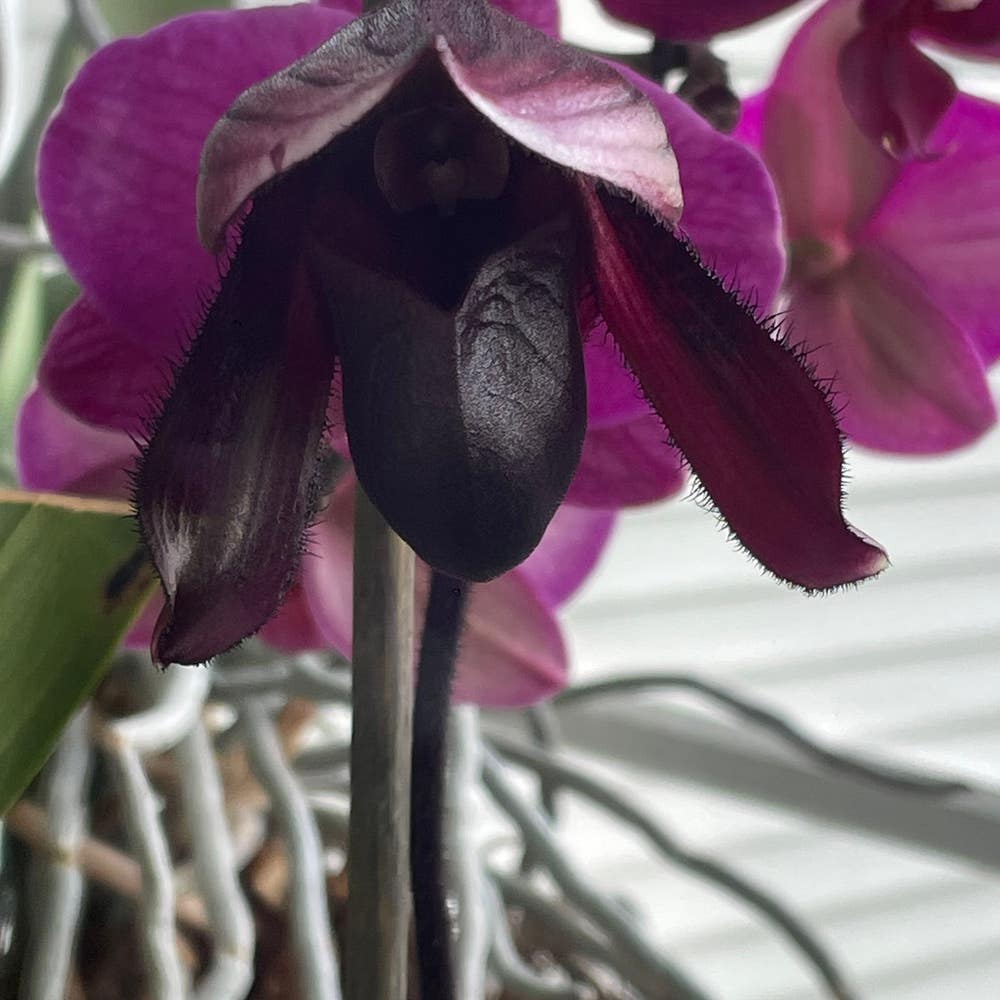
Why Are My Paphiopedilum fairrieanum Leaves Droopy?
Paphiopedilum fairrieanum
By the Greg Editorial Team
Apr 06, 2024•5 min read
This article was created with the help of AI so we can cover more plants for you. May contain errors. See one? Report it here.
- Droopy leaves signal distress; differentiate from natural variations.
- Over/underwatering and light/temperature affect leaf posture; adjust care.
- Regular checks and proper drainage prevent and address droopiness.
Spotting the Signs of Droopy Leaves
🚩 Identifying Droopy Leaves vs. Natural Leaf Variations
Droopy leaves can be a red flag, but don't sound the alarm just yet. Paphiopedilum fairrieanum leaves have a natural arch. It's when they look more like a slouch than a graceful bow that you should be concerned. Natural movement is one thing; a consistent wilt is another.
📉 Recognizing the Severity of Droopiness
A single limp leaf? Maybe it's just a bad day. But if your orchid's leaves are drooping like overcooked spaghetti, it's time to take note. Severity matters. Are the leaves slightly bent or fully flopped? The more pronounced the droop, the more urgent the need for action.
🚨 When to Take Immediate Action
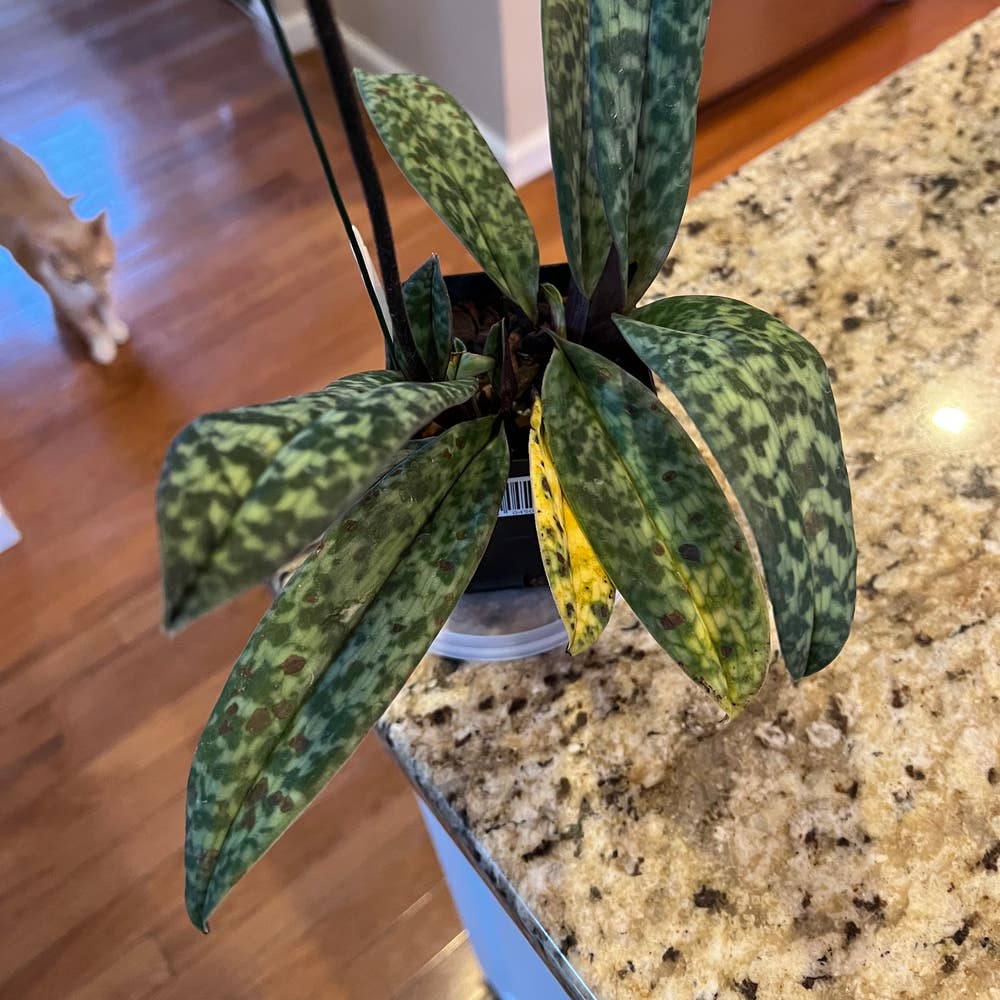
If your orchid's leaves are drooping and you spot yellowing or black spots, it's not being dramatic—it's in distress. Immediate action is needed when multiple symptoms appear. Leaves that once reached for the sky now hanging down is a clear SOS. Don't wait for a full wilt; be proactive and address the issue head-on.
Pinpointing the Culprits Behind Droopy Leaves
💧 Overwatering: The Silent Killer
Overwatering is like a well-intentioned hug that goes on too long. Your Paphiopedilum fairrieanum's roots can't breathe in soggy soil. Yellow leaves and a mildewy smell? Red flags. If the soil feels like a wet sponge, it's time to back off on the H2O.
Signs of Overwatering
Leaves turning a sickly light green or yellow and feeling soft or mushy are not a good sign. Constantly wet soil is a no-go.
Checking for Root Rot
Get up close and personal with your plant's roots. If they're brown and smell worse than last week's leftovers, you've got root rot. Improve drainage and consider repotting with fresh, dry soil.
💦 Underwatering: The Thirsty Foe
Underwatering is the silent treatment your orchid didn't ask for. Leaves drooping like a teenager's shoulders on chore day? Time to quench that thirst.
Symptoms of Dehydration
Crispy, curling leaves and bone-dry soil scream neglect. If the top inch of soil feels drier than a stand-up comedian's wit, your plant is parched.
Soil Moisture Assessment
Don't just eyeball it; poke around in the soil. Bone dry? Water deeply and let it drain. Remember, consistency is key.
🌞 Light and Temperature: The Delicate Balance
Finding the sweet spot for sunlight is like choosing the right Instagram filter—it makes all the difference. Too much direct light and your orchid might as well be sunbathing on the equator.
Finding the Sweet Spot for Sunlight
Aim for bright but indirect light. Think of it as a shaded reading nook for your plant.
Keeping the Heat Just Right
Keep the temperature steady, like your favorite barista's perfect coffee brew. Avoid the shock of sudden changes, because no one likes a cold shower out of the blue.
Reviving Your Paphiopedilum fairrieanum
💧 Watering Woes: Finding the Perfect Rhythm
Adjusting Your Watering Schedule
Your Paphiopedilum fairrieanum's thirst isn't on a timer. Seasons change, and so should your watering habits. In the heat of summer, your orchid will likely need more frequent drinks. Come winter, it's time to ease up. Use the finger test—poke the top inch of soil; if it's dry, it's time to water. If it's damp, give it a break.
The Right Way to Water
Room temperature water is the sweet spot—no chills, no fevers. Water at the base, avoiding the leaves to prevent rot. Ensure the pot drains well; soggy roots are a no-go. Think of it like this: your orchid's roots need a breathable raincoat, not a wetsuit.
🌞 Light and Temperature Tweaks
Gradual Acclimation to Ideal Conditions
Your Paphiopedilum fairrieanum is no sunbather. It prefers bright, filtered light—not direct sunlight. If it's reaching out, it's begging for more light. If it's crispy, it's had too much. Move it around, find that sweet spot where it's not squinting or stretching.
Monitoring and Adjusting Environmental Factors
Keep the temperature consistent, your orchid dislikes surprises. A gentle fan can help with airflow, making sure it's not too hot or stuffy. Remember, these tweaks aren't one-time fixes; they're ongoing dialogues with your plant. Keep an eye out, and adjust as needed.
Keeping Your Orchid Perky and Preventing Future Flops
🌿 The Essentials of a Consistent Care Routine
🕵️♂️ Regular Checks and Balances
Vigilance is your new best friend when it comes to orchid care. Make it a habit to scrutinize your Paphiopedilum fairrieanum for early signs of distress. Browning tips or a general lack of vigor could be your first clue that intervention is needed.
🏰 The Role of Proper Potting and Drainage
Your orchid's pot is its castle. Ensure it's equipped with drainage holes to prevent the dreaded root rot. Terracotta pots are the unsung heroes here, striking a balance between moisture retention and breathability.
🛡️ The Proactive Approach: Early Detection and Intervention
👀 Keeping an Eye on Telltale Signs
Stay on top of things by conducting regular root inspections. If they're starting to look like extras from a zombie flick, it's time to take action. Remember, healthy roots should be firm and white, not mushy and brown.
🔄 Routine Maintenance Tips
Craft a care schedule that's as reliable as your morning alarm. Water only when the top inch of soil feels dry to the touch, and keep the lighting consistent. Think of it like maintaining a social media profile—regular updates keep things thriving. Rotate your plant to prevent it from leaning towards the light like it's trying to escape the room. And don't forget, a well-draining potting mix is non-negotiable; it's the foundation of a happy orchid life.
⚠️ Safety First
This content is for general information and may contain errors, omissions, or outdated details. It is not medical, veterinary advice, or an endorsement of therapeutic claims.
Always consult a qualified healthcare professional before using any plant as food, medicine, or supplement.
Never eat any plant (or feed one to pets) without confirming its identity with at least two trusted sources.
If you suspect poisoning, call Poison Control (800) 222-1222, the Pet Poison Helpline (800) 213-6680, or your local emergency service immediately.
Spotted an error? Please report it here.
Revive your Paphiopedilum fairrieanum from droopy despair to perky perfection 🌿 with Greg's custom watering schedules and environmental tips tailored just for your orchid's needs!