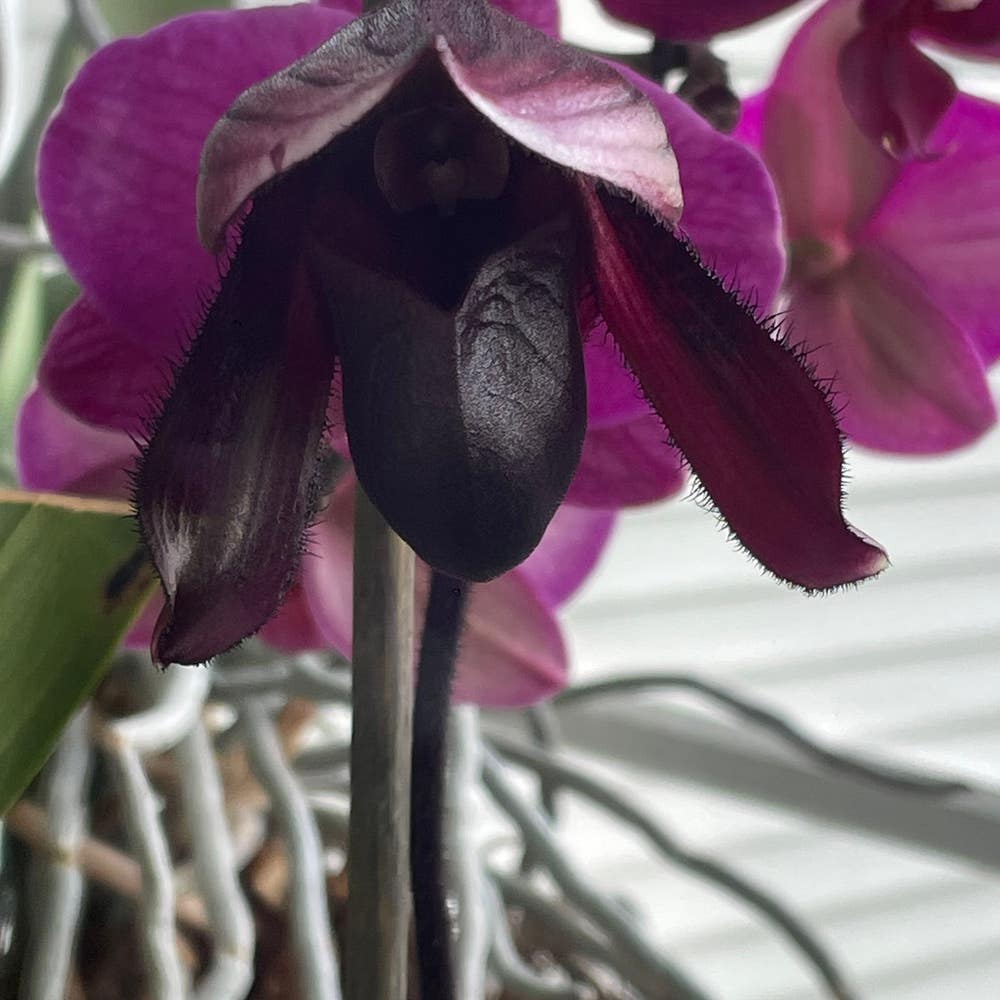
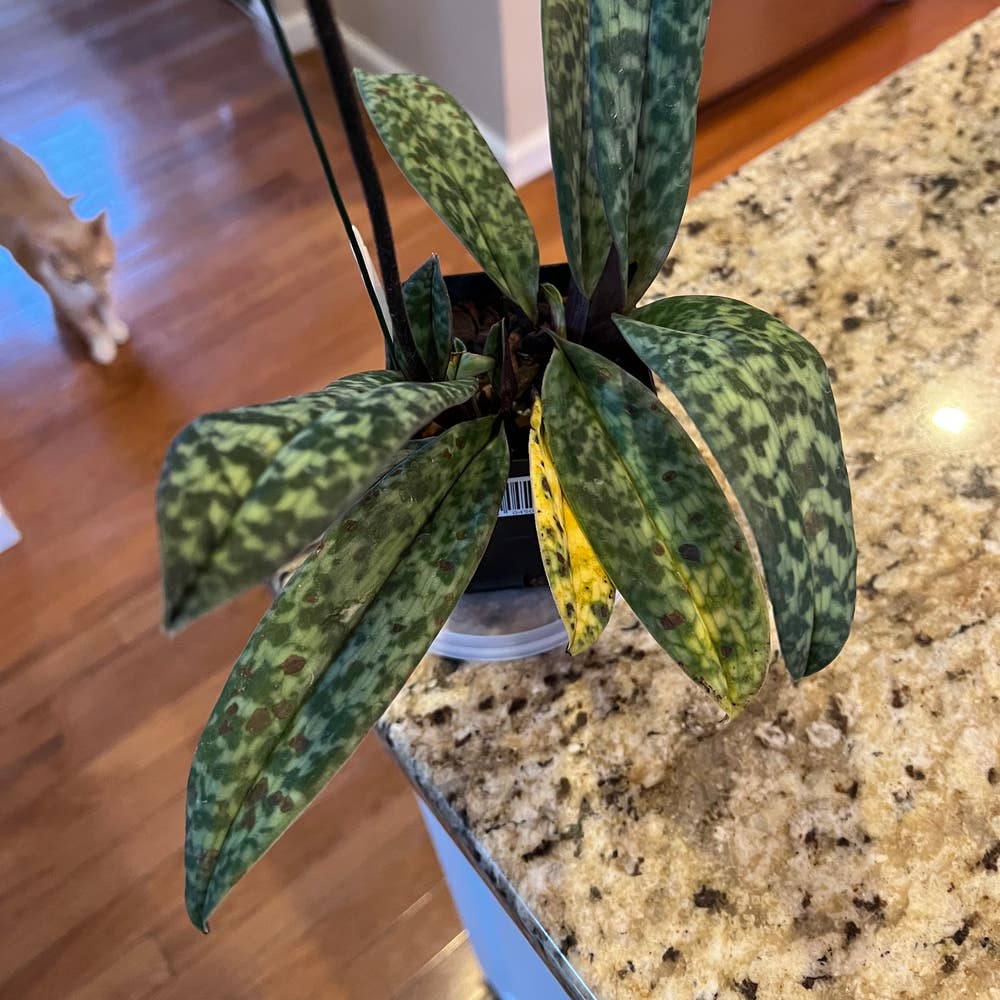
Black Spots on My Paphiopedilum fairrieanum Leaves
Paphiopedilum fairrieanum
By the Greg Editorial Team
Apr 06, 2024•4 min read
This article was created with the help of AI so we can cover more plants for you. May contain errors. See one? Report it here.
- Fungal vs. bacterial spots: Look for rings or slimy texture.
- Prevent with airflow and dry leaves: Adjust humidity and watering.
- Sanitize and treat: Use fungicides, bactericides, and clean tools.
Spotting the Culprit: Identifying and Diagnosing Black Spots
🔍 Visual Inspection: What to Look For
When your Paphiopedilum fairrieanum starts sporting black spots, it's not trying out a new look. These spots are typically dark, potentially with concentric rings or feathery edges. They might even have a yellow halo, hinting at a fungal party. Check both sides of the leaves, as these troublemakers prefer the underside.
Confirming the Diagnosis
To tell if your plant's got a case of the fungal blues or a bacterial invasion, you'll need to play detective. Texture is a clue—fungal spots are crusty, while bacterial spots feel like a slimy betrayal. A yellow halo is like a neon sign pointing to fungus. If the spots are dry and the leaf tips look like they've been through a desert, think sunburn. Remember, these spots won't fade with a change of scenery; persistence means it's time to suspect a fungal infection.
Unveiling the Villains: Common Causes of Black Spots
🍄 Fungal Foes
Fungi are the culprits behind many black spots on Paphiopedilum fairrieanum leaves. Cercospora and Anthracnose are typical pathogens, starting as small lesions and expanding into larger blotches. These fungal spots often exhibit dark margins or concentric rings, a signature of their destructive work.
Environmental conditions are accomplices in this crime against your orchids. High humidity and poor air circulation set the stage for fungal growth. Overwatering is like sending fungi an open invitation, creating a moist haven for them to thrive and multiply.
🦠 Bacterial Bullies
Bacterial infections are stealthy invaders, manifesting as irregular brown or black spots. These may appear slimy or water-soaked, with a yellow halo sometimes visible. The cozy conditions created by overwatering and stagnant air make the perfect breeding ground for these pathogens.
Cleanliness is a key defense against bacterial spread. Dirty tools can transfer bacteria from one plant to another, turning your garden into a bacterial hotspot. Regular sterilization of equipment is not just a good practice—it's a necessity to prevent the spread of these microscopic bullies.
Battling the Blight: Treatment Strategies
🛡️ Choosing Your Weapons: Fungicides and Antibacterials
When black spots attack your Paphiopedilum fairrieanum, it's time to pick your potion. Fungicides and bactericides are your go-to. Don them like armor and wield them wisely. Protective gear is a must—gloves, goggles, and a respect for the label's commandments.
Apply these chemical warriors during the cooler hours to prevent plant stress. It's a stealth operation, targeting the enemy without collateral damage. For the organic gardener, copper-based treatments are your green shield, offering a more natural line of defense.
🌞 Adjusting the Battlefield: Environmental Changes
Change the game by tweaking your plant's environment. Humidity is a foe's best friend, so cut ties by improving air circulation. A fan can be a simple ally in this quest.
Watering techniques are pivotal—aim at the soil, not the leaves, to keep them as dry as a detective's wit. Think of it as watering with precision, not a deluge. Proper drainage is your plant's lifeline, preventing the dreaded pool party for pathogens.
Remember, this isn't just about fighting the current scourge. It's about fortifying your plant's defenses so that black spots think twice before making a comeback.
Fortifying the Fortress: Prevention Tactics
🧼 Keeping It Clean: Sanitation Practices
Sterilize your tools and equipment. It's like a surgeon prepping for an operation—crucial for keeping pathogens at bay. Tackle fallen leaves and debris promptly; they're not just untidy, they're potential disease hotbeds.
🦠 Dealing with Infected Plant Material
Remove infected plant material immediately. Think of it as excising a wound to prevent the spread of infection. Dispose of it far from your garden to break the cycle of disease.
🌱 Cultural Practices: Long-Term Health
💧 Watering Wisdom: Keeping Leaves Dry
Water at the roots, not the leaves. Leaves love the sun, not a shower—keep them dry to avoid fungal parties.
🌬 Monitoring and Adjusting Environmental Conditions
Airflow is your plant's best friend; it keeps the atmosphere around your Paphiopedilum fairrieanum fresh and disease-resistant. Adjust your watering habits with the seasons—less in winter, a splash more in summer. It's about creating a stable environment where your plant can thrive without stress.
⚠️ Safety First
This content is for general information and may contain errors, omissions, or outdated details. It is not medical, veterinary advice, or an endorsement of therapeutic claims.
Always consult a qualified healthcare professional before using any plant as food, medicine, or supplement.
Never eat any plant (or feed one to pets) without confirming its identity with at least two trusted sources.
If you suspect poisoning, call Poison Control (800) 222-1222, the Pet Poison Helpline (800) 213-6680, or your local emergency service immediately.
Spotted an error? Please report it here.
Keep your Paphiopedilum fairrieanum thriving 🌿 with Greg's personalized care reminders, ensuring optimal humidity and watering to prevent those black spots.