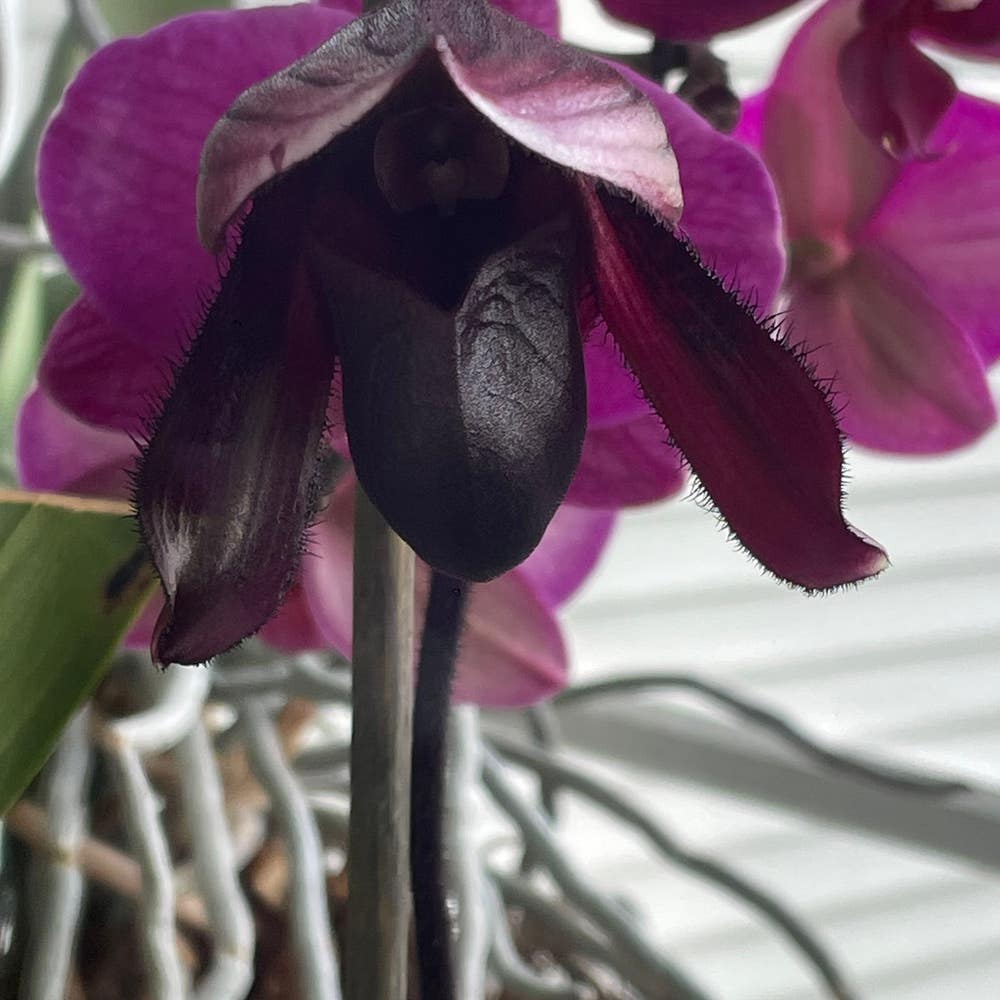
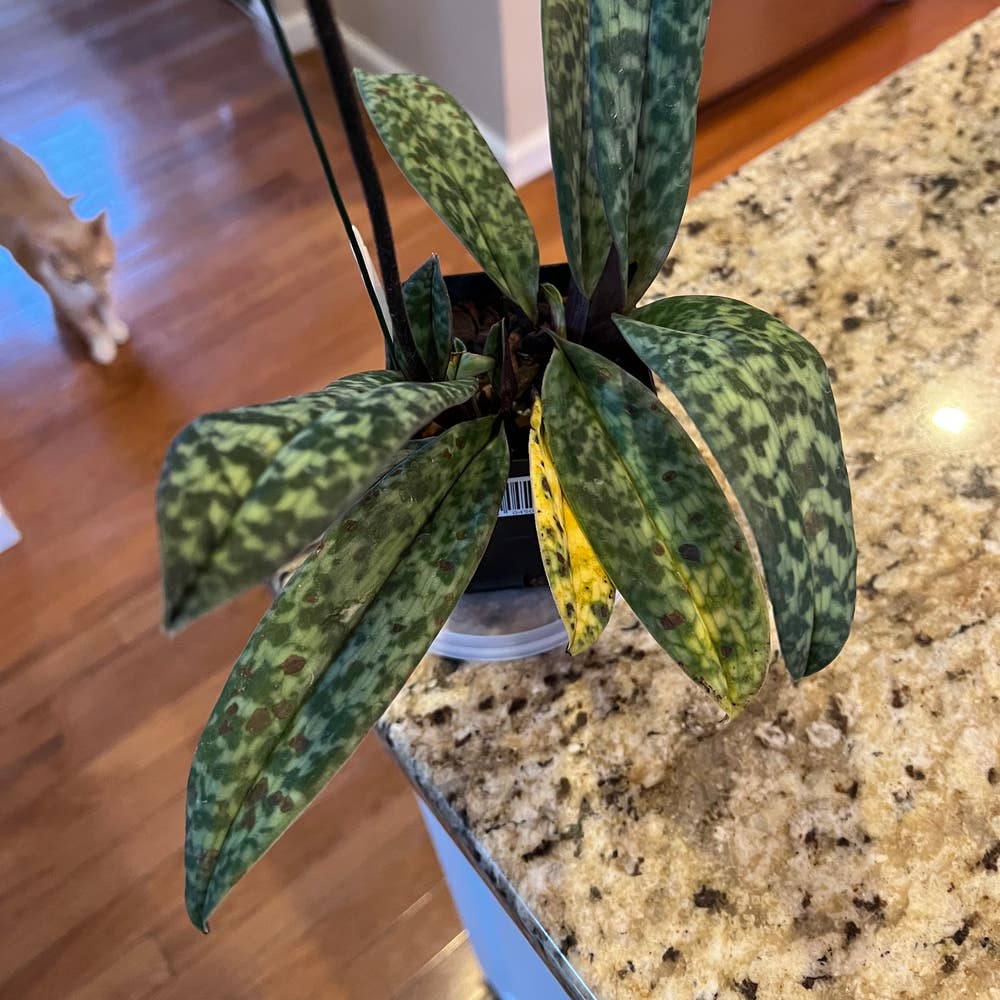
Everything You Need to Know About Fairrie's Paphiopedilum 🌸
Paphiopedilum fairrieanum
By the Greg Editorial Team
Feb 01, 2025•11 min read
This article was created with the help of AI so we can cover more plants for you. May contain errors. See one? Report it here.
- 🌞 Bright, indirect light is crucial to prevent leaf scorch on Fairrie's Paphiopedilum.
- 💧 Humidity levels of 50-70% are ideal for optimal growth of these orchids.
- 🌱 Regular pruning and proper care ensure healthy growth and longevity of your orchid.
How to Grow
🌞 Choosing the Right Location
To thrive, Fairrie's Paphiopedilum needs bright, indirect light. Direct sunlight can scorch its delicate leaves, so find a spot that offers plenty of brightness without the harsh rays.
Humidity is crucial for these orchids, ideally between 50-70%. Maintaining this level will help your plant flourish and prevent stress.
Temperature is another key factor. Aim for a daytime range of 18°C to 24°C (65°F to 75°F) and slightly cooler at night. This balance mimics their natural habitat and supports healthy growth.
🌱 Soil Preparation and Potting Mix
For optimal growth, use a well-draining, moisture-retentive potting mix. A combination of bark, perlite, and sphagnum moss works wonders for these orchids.
The soil pH should be slightly acidic to neutral, ideally between 5.5 and 7.0. This range ensures that nutrients are available for absorption, promoting robust health.
🪴 Planting Techniques and Container Options
When selecting a container, consider clay pots for their breathability or plastic pots for moisture retention. Each type has its benefits, so choose based on your watering habits.
Ensure the planting depth is correct by keeping the crown above the soil line. This simple step prevents rot and encourages healthy growth.
💧 Watering Frequency and Methods
Water your Paphiopedilum when the top inch of the media feels dry, typically every 7-10 days. This approach helps prevent overwatering, which can lead to root rot.
Using distilled or rainwater is best for these orchids. Avoid waterlogging by ensuring proper drainage in your pot.
🌼 Fertilizing Schedule and Types of Fertilizers
During the growing season, fertilize every 2-4 weeks to provide essential nutrients. A balanced orchid fertilizer, like a 30-10-10 mix, diluted to half strength, works effectively.
This feeding schedule supports vibrant growth and encourages blooming, ensuring your orchid remains healthy and strong.
✂️ Pruning and Ongoing Care Practices
Regular pruning is essential. Remove any dead or yellowing leaves and spent flower spikes to keep your plant looking its best.
Ongoing care involves checking for pests and maintaining humidity levels. Staying vigilant will help you catch any issues early, ensuring your orchid thrives.
With these tips, you'll be well on your way to successfully growing Fairrie's Paphiopedilum. Next, let’s explore how to propagate this beautiful orchid!
Propagation
🌱 Methods of Propagation
Propagation of Fairrie's Paphiopedilum can be achieved through two primary methods: division and tissue culture.
- Division involves separating offsets from the main plant during repotting, making it a straightforward approach for most growers.
- Tissue culture is a more advanced technique that allows for the production of multiple clones, ideal for those looking to expand their collection efficiently.
📝 Step-by-Step Instructions for Each Method
Division
- Carefully remove the plant from its pot.
- Identify natural divisions and separate them with clean tools.
- Replant each division in suitable media.
Tissue Culture
- Prepare sterile growth medium and containers.
- Introduce plant tissue to the medium under sterile conditions.
- Maintain optimal light and humidity for growth.
⏰ Timing and Conditions for Successful Propagation
The best time to divide your Paphiopedilum is in spring or early summer when the plant is actively growing. For tissue culture, ensure warm temperatures and high humidity to foster optimal growth conditions.
With these methods and timing in mind, you can successfully propagate your Fairrie's Paphiopedilum, expanding your collection or sharing with fellow enthusiasts. Next, let’s explore the lifecycle of this fascinating orchid, detailing its stages from germination to flowering.
Lifecycle
Lifecycle Stages 🌱
The lifecycle of Fairrie's Paphiopedilum begins with germination, where seeds sprout in just 2-3 weeks under optimal conditions. Following this, the seedling stage lasts 6-12 months, requiring high humidity and ample light to thrive.
Vegetative Growth and Flowering 🌼
After the seedling phase, the plant enters vegetative growth, which can take 1-2 years until maturity. During this time, the focus is on developing robust leaves and roots. Once mature, flowering typically occurs annually, bringing vibrant blooms to your space.
Seed Production 🌾
After flowering, the plant produces seed pods that can be harvested. This stage is crucial for propagation and ensuring the continuation of your Paphiopedilum collection.
Lifespan and Growth Rate ⏳
With proper care, Fairrie's Paphiopedilum can live for an impressive 10-20 years. Its growth rate is moderate, taking about 2-3 years to reach full maturity from seed or division.
Timeframe for Reaching Maturity ⏰
Expect your Paphiopedilum to achieve full maturity in approximately 2-3 years. This timeframe allows the plant to establish itself and prepare for its stunning floral displays.
As you nurture your Paphiopedilum through its lifecycle, you'll witness the beauty of its growth and the joy it brings to your environment. Next, let’s explore how to maximize its potential through proper care and maintenance.
Size
Mature Height and Spread 🌱
Fairrie's Paphiopedilum can reach a mature height of 30-60 cm (12-24 inches). Its spread typically ranges from 30-45 cm (12-18 inches), depending on the growing conditions.
Growth Rate and Factors Affecting Size 📈
This orchid exhibits a moderate growth rate. Key factors influencing its size include light levels, humidity, and nutrient availability.
Size Variability Based on Growing Conditions 🌍
The size of Fairrie's Paphiopedilum can vary significantly based on several factors. These include pot size, light exposure, and the overall care practices you implement.
Understanding these aspects will help you create the ideal environment for your orchid, ensuring it thrives and reaches its full potential. Next, let’s explore the fascinating world of roots and their importance in the health of your Paphiopedilum.
Roots
Characteristics of the Root System 🌱
Fairrie's Paphiopedilum features a fibrous root system that is both shallow and wide-spreading. Typically, these roots extend about 10-15 cm (4-6 inches) deep, allowing for efficient nutrient absorption.
Common Root-Related Issues and Solutions 🚫
One of the most common problems is root rot, which occurs due to overwatering. To prevent this, ensure your pot has proper drainage and only water when necessary.
Identifying healthy roots is crucial for your plant's well-being. Healthy roots are firm and white, while unhealthy roots appear brown and mushy, indicating a need for immediate action.
Recognizing Rootbound Conditions and Management 📦
Rootbound conditions arise when the roots fill the pot, leading to stunted growth. If you notice this, it's time to repot your Paphiopedilum into a larger container to give it room to thrive.
By keeping an eye on your plant's roots, you can ensure it remains healthy and vibrant. Proper root care is essential for the overall success of your growing experience.
Next, let’s explore the benefits of growing Fairrie's Paphiopedilum and how it can enhance your space.
Benefits
🌟 Top 5 Benefits of Growing Fairrie's Paphiopedilum
1. Aesthetic Appeal
Fairrie's Paphiopedilum boasts unique, stunning flowers that can elevate the beauty of any indoor or outdoor space. Their exotic appearance adds a touch of elegance and charm to your home.
2. Air Purification
These orchids contribute to improved indoor air quality. By filtering out toxins, they help create a healthier living environment.
3. Long-lasting Blooms
One of the standout features of Fairrie's Paphiopedilum is its ability to flower multiple times a year. This means you can enjoy vibrant blooms throughout different seasons.
4. Low Maintenance
Compared to other orchids, Fairrie's Paphiopedilum requires less care. This makes them an excellent choice for both novice and experienced plant enthusiasts.
5. Cultural Significance
These orchids symbolize beauty and luxury in many cultures. Growing them can connect you to a rich history and tradition, enhancing your gardening experience.
Incorporating Fairrie's Paphiopedilum into your plant collection not only beautifies your space but also promotes a healthier atmosphere. With their manageable care requirements, they are a rewarding choice for any plant lover.
Companion Plants
🌱 Companion Planting and Its Benefits
Companion planting is a gardening strategy that promotes growth, pest management, and overall garden diversity. By pairing plants with complementary needs, you can create a thriving ecosystem that benefits all involved.
🌿 Compatible Companion Plants
When it comes to Fairrie's Paphiopedilum, consider companions like ferns and peace lilies. These humidity-loving plants share similar care requirements and can help repel pests, creating a harmonious environment.
🚫 Plants to Avoid
On the flip side, steer clear of heavy feeders or plants that thrive in dry conditions. These can compete for resources and disrupt the delicate balance your Paphiopedilum needs to flourish.
By choosing the right companions, you can enhance the health and beauty of your Paphiopedilum while enjoying a vibrant garden space. Next, let’s explore the potential toxicity of this stunning orchid to humans and pets.
Toxicity to Humans
🛡️ Safety for Humans
Fairrie's Paphiopedilum is not considered toxic by major poison control centers. This means you can enjoy these stunning orchids without worrying about severe health risks.
However, minor issues can arise. Some individuals may experience mild skin irritation or digestive discomfort if they ingest the plant in excessive amounts.
Always exercise caution and consult a medical professional if you notice any unusual symptoms. It's better to be safe than sorry when it comes to plant interactions!
With proper care and awareness, you can appreciate the beauty of Fairrie's Paphiopedilum without any toxic concerns.
Toxicity to Dogs
Safety for Dogs 🐶
Fairrie's Paphiopedilum is considered safe for dogs, according to veterinary organizations. This means you can enjoy your beautiful orchid without worrying about your furry friend getting harmed.
Minor Issues 🤢
While not toxic, dogs may experience mild gastrointestinal upset if they consume excessive amounts of the plant. It's always a good idea to monitor your dog's behavior around your orchids.
Proper Placement 🏠
To ensure safety, keep your Paphiopedilum out of reach of your pets. This simple step can prevent any accidental munching and help maintain a harmonious home environment.
With this knowledge, you can confidently enjoy your orchid while keeping your canine companions safe. Next, let’s explore the safety of Fairrie's Paphiopedilum for cats.
Toxicity to Cats
Safety for Cats 🐱
Fairrie's Paphiopedilum is not toxic to cats, according to major pet poison control centers. This means you can enjoy these stunning orchids without worrying about your feline friends.
While they are safe, excessive consumption may lead to mild gastrointestinal upset. It's always a good idea to monitor your cat's behavior and discourage them from munching on non-food plants.
Proper Placement 🏡
To keep your Paphiopedilum safe, place it out of reach of curious cats. This simple step can prevent any potential nibbling and ensure both your plant and pet thrive in harmony.
By being proactive, you can enjoy the beauty of your orchid while keeping your furry companion healthy and happy.
Problems
🌱 Common Problems with Fairrie's Paphiopedilum
Growing Fairrie's Paphiopedilum can be rewarding, but it comes with its share of challenges. Understanding these common problems can help you maintain a healthy plant.
💧 Incorrect Watering
Watering is crucial for your orchid's health. Yellowing leaves often indicate overwatering, while wilting suggests underwatering.
☀️ Incorrect Light Conditions
Light plays a vital role in growth. Too much light can cause leaf scorch, while too little can result in leggy growth.
🦠 Diseases
Fungal diseases can be a significant threat. Watch out for powdery mildew and root rot, which can devastate your plant if not addressed promptly.
🍃 Leaf Issues
Leaves can show various symptoms of distress. Scorching, yellowing, or fuzzy growth are all signs that something is amiss.
📉 Growth Problems
Growth issues can manifest in different ways. Stunted growth or leaning plants often indicate inadequate support or care.
By recognizing these problems early, you can take action to ensure your Fairrie's Paphiopedilum thrives. Next, let's explore how to manage pests that may also affect your orchid's health.
Bugs
Potential Pest Issues 🐜
Fairrie's Paphiopedilum can be susceptible to various pests, but with proper management, you can keep your plant healthy and thriving. Regular monitoring is key to catching infestations early.
Identification and Damage 🔍
Identifying pests is crucial for effective treatment.
- Spider mites: Look for fine webbing and stippled leaves, which indicate these tiny pests are at work.
- Scale insects: These pests leave a sticky residue and cause yellowing leaves, making them easy to spot.
- Mealybugs: Characterized by cotton-like masses on leaves and stems, mealybugs can quickly become a nuisance.
Treatment Options 💊
When it comes to treatment, you have several effective options.
- Insecticidal soap or neem oil can be applied to affected areas to eliminate pests.
- Regular inspections and maintaining cleanliness around your plant can significantly reduce the risk of infestations.
By staying vigilant and proactive, you can ensure your Fairrie's Paphiopedilum remains pest-free and continues to flourish. Next, let's explore what animals might be tempted to snack on your beautiful orchid.
What Eats
🦌 Common Animals
Fairrie's Paphiopedilum can attract a variety of hungry critters. Deer, rabbits, squirrels, and rodents are known to nibble on these beautiful orchids, potentially causing damage to the leaves and flowers.
🕵️♂️ Signs of Animal Presence
If you suspect your orchid is being targeted, look for telltale signs. Chewed leaves and droppings near the plant are clear indicators that animals have been visiting your garden.
🚫 Deterring Methods
To protect your precious orchids, consider implementing some deterrent strategies.
- Chemical deterrents: Use commercial repellents or create homemade solutions to keep pests at bay.
- Organic control: Fencing around your plants or planting deterrent species nearby can also help discourage unwanted visitors.
By taking these steps, you can enjoy the beauty of your Fairrie's Paphiopedilum without the worry of it becoming a snack for local wildlife.
⚠️ Safety First
This content is for general information and may contain errors, omissions, or outdated details. It is not medical, veterinary advice, or an endorsement of therapeutic claims.
Always consult a qualified healthcare professional before using any plant as food, medicine, or supplement.
Never eat any plant (or feed one to pets) without confirming its identity with at least two trusted sources.
If you suspect poisoning, call Poison Control (800) 222-1222, the Pet Poison Helpline (800) 213-6680, or your local emergency service immediately.
Spotted an error? Please report it here.
Nurture your Fairrie's Paphiopedilum to bloom beautifully 🌸 with Greg's custom watering reminders and expert care tips that ensure your orchid thrives for years to come!