🌸 Fairrie's Paphiopedilum: Not an Invasive Plant
Paphiopedilum fairrieanum
By the Greg Editorial Team
Sep 29, 2024•5 min read
This article was created with the help of AI so we can cover more plants for you. May contain errors. See one? Report it here.
- 🌱 Fairrie's Paphiopedilum is non-invasive, thriving slowly in specific habitats.
- 🌼 This orchid enhances biodiversity, attracting pollinators and supporting local ecosystems.
- 🌞 Optimal growth requires filtered light, regular watering, and balanced fertilization.
Plant Classification
Definition of Invasive Plants 🌱
Invasive plants are notorious for their rapid growth, high reproductive rates, and ability to outcompete native flora. These characteristics allow them to dominate ecosystems, often leading to a decline in biodiversity.
Fairrie's Paphiopedilum, however, stands apart from this invasive crowd. With its slow growth and specific habitat requirements, it doesn't fit the mold of an invasive species. Instead, it thrives in carefully defined environments, making it a welcome addition to gardens rather than a threat to local ecosystems.
Understanding these distinctions is crucial for gardeners and nature enthusiasts alike. By recognizing what constitutes an invasive plant, we can appreciate the unique role Fairrie's Paphiopedilum plays in our gardens and natural spaces.
This awareness not only enhances our gardening practices but also fosters a deeper connection to the ecosystems we cultivate.
Growth Habits
Typical Growth Patterns in Gardens 🌱
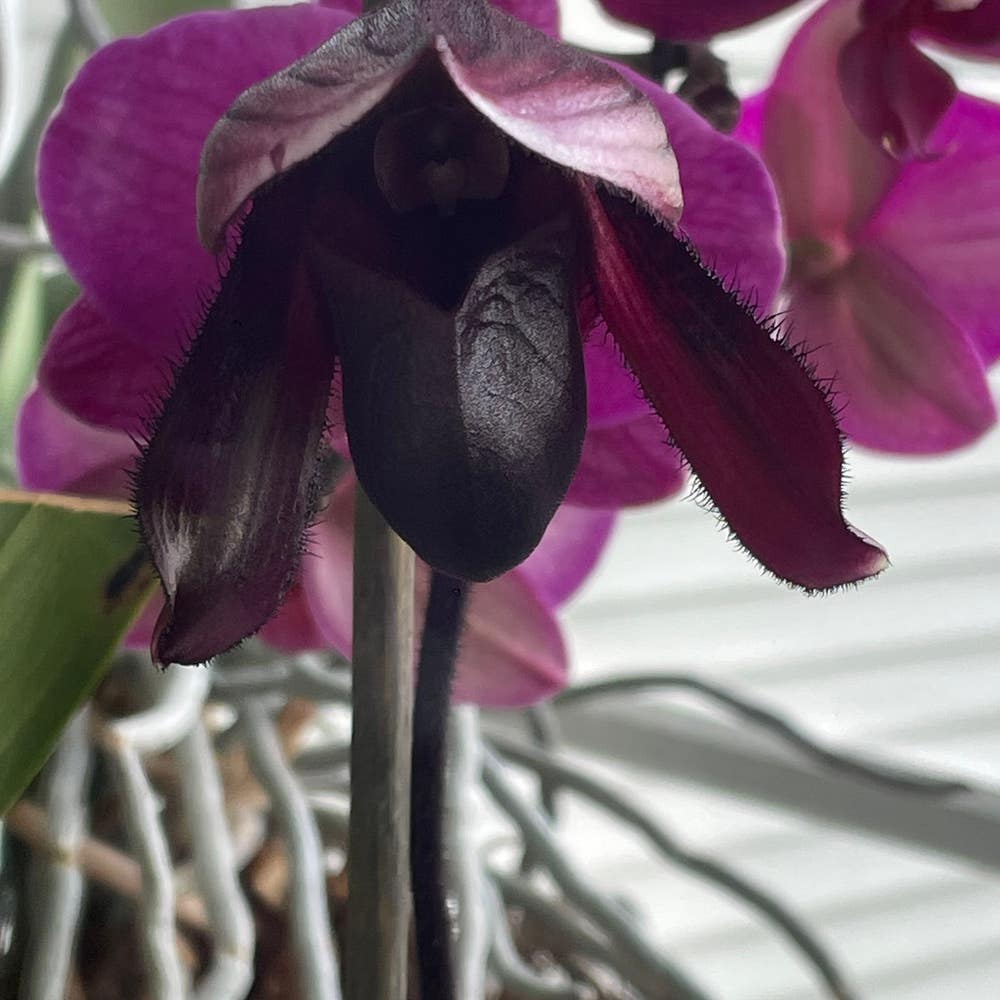
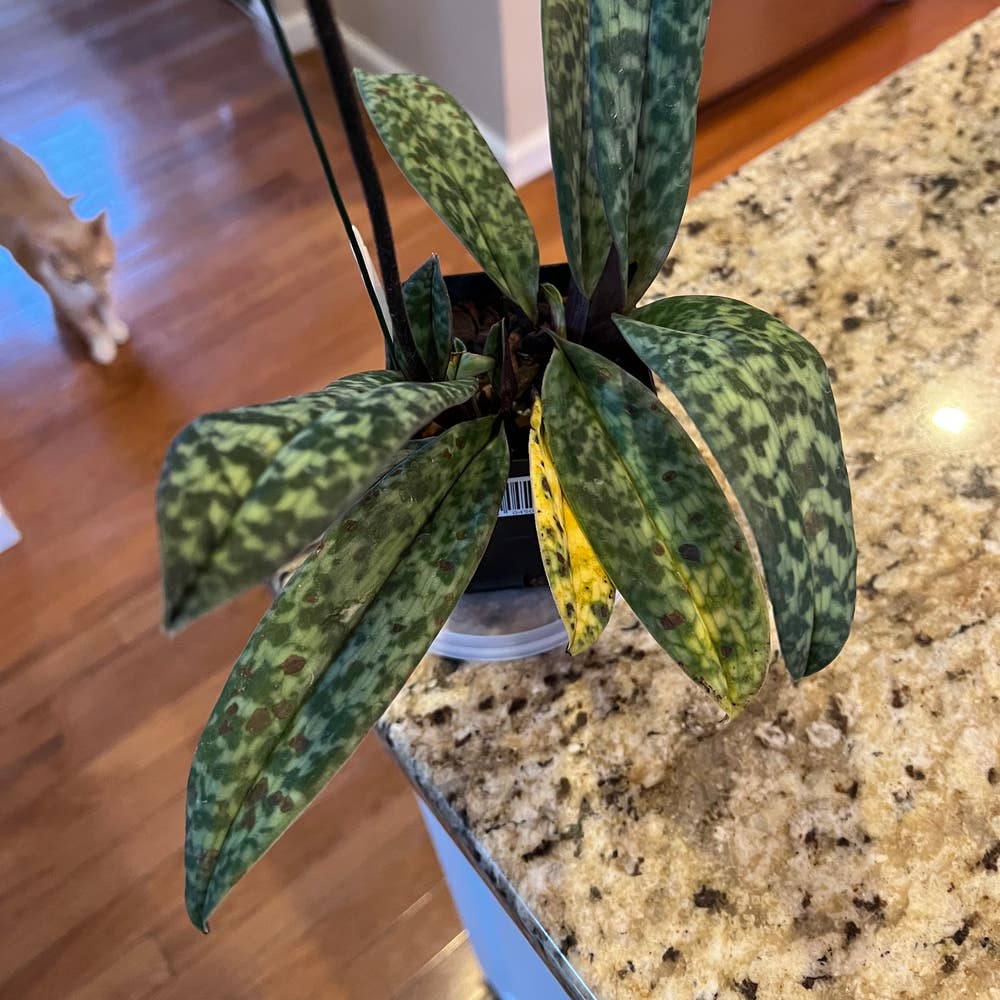
Fairrie's Paphiopedilum exhibits a unique growth habit characterized by rosettes of lush leaves topped with a single elegant flower spike. This striking formation not only adds visual interest but also makes it a standout in any garden setting.
Its seasonal growth cycles are fascinating. Typically, these plants flourish during warmer months, showcasing their blooms at specific times that can vary based on local climate conditions.
Natural Limits to Growth and Spread Potential 🚧
Several factors limit the spread of Fairrie's Paphiopedilum. Soil type, moisture levels, and light conditions play crucial roles in determining how and where this plant thrives.
In its natural habitat, Fairrie's Paphiopedilum is often found in specific environments that support its growth. These conditions help maintain a balance, preventing it from becoming overly invasive while allowing it to flourish in harmony with other flora.
Understanding these growth habits and limitations can help gardeners appreciate the unique role Fairrie's Paphiopedilum plays in their landscapes. As we explore its ecological contributions next, we’ll see how it benefits local wildlife and interacts with other plants.
Ecological Role
Benefits to Local Wildlife 🐝
Fairrie's Paphiopedilum plays a crucial role in local ecosystems by fostering symbiotic relationships with pollinators. These unique orchids attract bees and butterflies, enhancing biodiversity in the area.
Additionally, the presence of Fairrie's Paphiopedilum can draw in beneficial insects and birds. This not only supports pollination but also contributes to a balanced ecosystem, making gardens more vibrant and lively.
Interactions with Other Plants 🌿
This orchid thrives alongside various local flora, showcasing its ability to coexist harmoniously. Its growth patterns and specific habitat needs allow it to support neighboring plants without overwhelming them.
Moreover, Fairrie's Paphiopedilum contributes to soil health and ecosystem balance. By enhancing nutrient cycling and providing habitat for microorganisms, it plays a vital role in maintaining a thriving garden environment.
As we explore the garden management of Fairrie's Paphiopedilum, we’ll delve into how to incorporate this beautiful plant effectively while ensuring its health and vitality.
Garden Management
Incorporating Fairrie's Paphiopedilum into Garden Designs 🌿
When designing your garden, consider placing Fairrie's Paphiopedilum in areas that receive filtered light. This orchid thrives in dappled sunlight, making it perfect for spots under taller plants or trees.
Group these orchids with complementary plants that share similar moisture and light requirements. Pairing them with ferns or shade-loving perennials can create a lush, vibrant display.
Seasonal Considerations for Visual Appeal 🌸
Fairrie's Paphiopedilum blooms at specific times of the year, adding bursts of color when other plants may be dormant. Plan your garden layout to ensure that these orchids are surrounded by plants that bloom in different seasons for continuous visual interest.
Consider the foliage as well; the rosettes of leaves provide a beautiful backdrop even when flowers are not present. This strategy enhances the overall aesthetic of your garden throughout the year.
Maintenance Tips for Healthy Growth 🧑🌾
Regular care is essential for the health of Fairrie's Paphiopedilum. Water them consistently, ensuring the soil remains moist but not soggy, as overwatering can lead to root rot.
Fertilization is also key. Use a balanced orchid fertilizer during the growing season to promote robust growth and flowering.
Pest Management and Environmental Monitoring 🐞
Keep an eye out for common pests like aphids and spider mites. Regularly inspect your plants and treat any infestations promptly to maintain their health.
Monitoring environmental conditions is crucial. Ensure that humidity levels are adequate and adjust watering based on seasonal changes. This attention to detail will help your orchids thrive.
Incorporating Fairrie's Paphiopedilum into your garden not only enhances its beauty but also supports local ecosystems. As we move forward, let's explore the unique qualities of this remarkable plant.
Comparison to Other Plants
🌟 Unique Qualities of Fairrie's Paphiopedilum
Fairrie's Paphiopedilum stands out with its unique rosette growth habit and striking single flower spike. Unlike many orchids, it thrives in specific conditions, making it a rare gem in the garden.
Its leaves are glossy and lush, providing a vibrant backdrop for its captivating blooms. This plant’s slow growth rate is a stark contrast to more aggressive species, allowing it to coexist harmoniously in diverse environments.
🌼 Benefits of Including Fairrie's Paphiopedilum in Garden Settings
Incorporating Fairrie's Paphiopedilum into your garden enhances both diversity and visual appeal. Its distinctive flowers add a touch of elegance, drawing the eye and sparking curiosity.
Beyond aesthetics, this plant positively impacts local ecosystems. By attracting pollinators and beneficial insects, it plays a crucial role in maintaining ecological balance, making it a valuable addition to any garden.
With its unique qualities and ecological benefits, Fairrie's Paphiopedilum is not just a plant; it's an asset to your garden's health and beauty. As we explore garden management next, consider how to best care for this remarkable species.
⚠️ Safety First
This content is for general information and may contain errors, omissions, or outdated details. It is not medical, veterinary advice, or an endorsement of therapeutic claims.
Always consult a qualified healthcare professional before using any plant as food, medicine, or supplement.
Never eat any plant (or feed one to pets) without confirming its identity with at least two trusted sources.
If you suspect poisoning, call Poison Control (800) 222-1222, the Pet Poison Helpline (800) 213-6680, or your local emergency service immediately.
Spotted an error? Please report it here.
Elevate your garden's beauty and biodiversity 🌼 with Fairrie's Paphiopedilum, and let Greg guide you with tailored care tips to help this exquisite orchid flourish in your unique space!