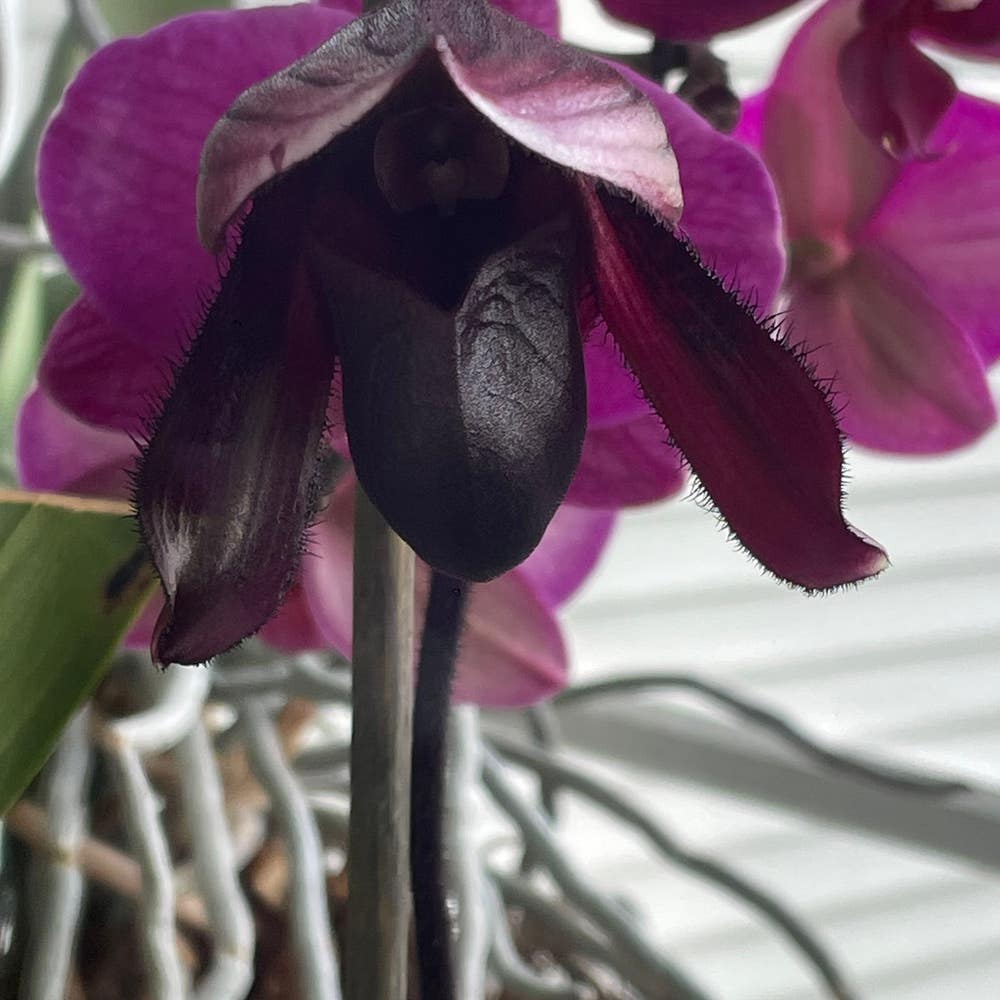
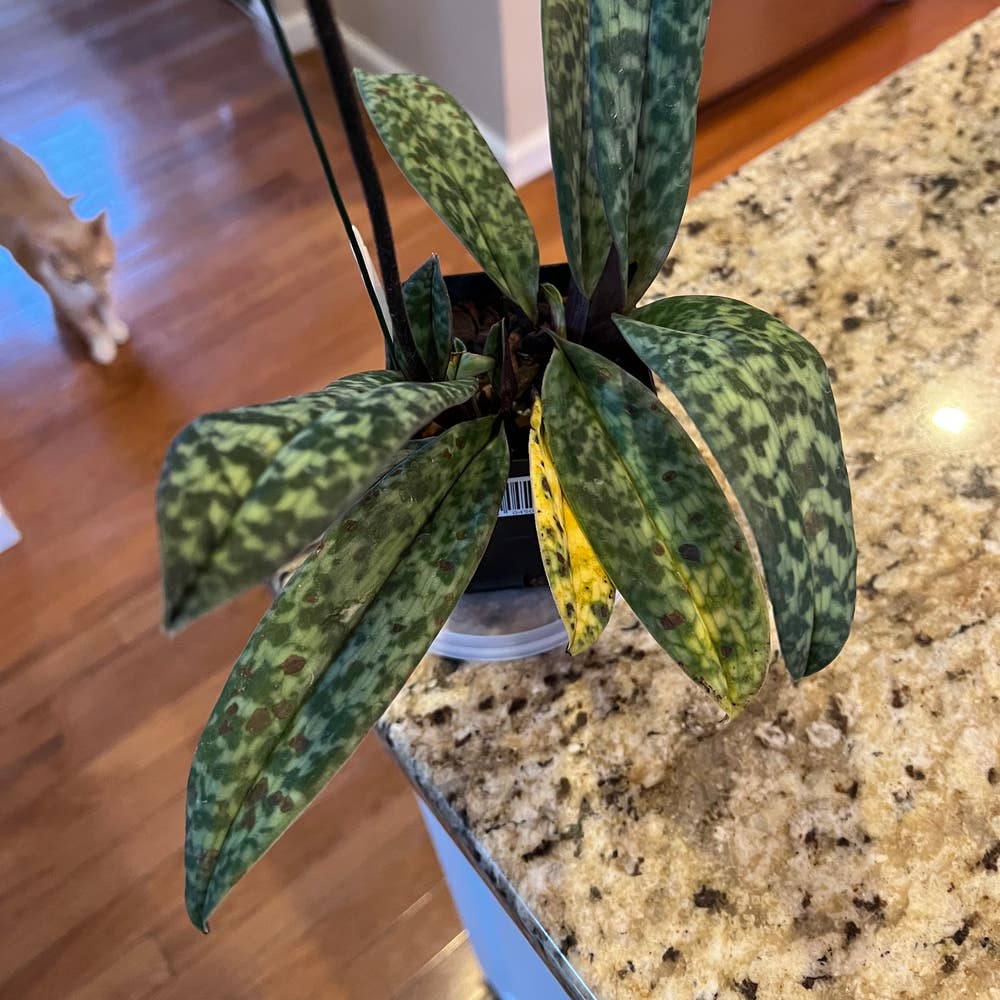
🦋 Top 4 Companion Ideas for a Thriving Fairrie's Paphiopedilum
Paphiopedilum fairrieanum
By the Greg Editorial Team
Sep 29, 2024•5 min read
This article was created with the help of AI so we can cover more plants for you. May contain errors. See one? Report it here.
- 🌿 Boston Ferns and Peace Lilies boost humidity, benefiting Fairrie's Paphiopedilum growth.
- 🌼 Companion plants enhance beauty and deter pests, creating a thriving garden ecosystem.
- 🚫 Avoid succulents and aggressive plants to prevent competition for moisture and nutrients.
Best Companion Plants for Fairrie's Paphiopedilum
Plant 1: Boston Fern 🌿
Boston Ferns are known for their lush, feathery fronds that thrive in high humidity. They prefer indirect light and consistently moist soil, making them a perfect match for Fairrie's Paphiopedilum.
- Benefits: They not only increase humidity around your orchids but also act as a natural pest deterrent for common orchid pests. This dual role makes them an essential companion.
Plant 2: Peace Lily 🌸
The Peace Lily features elegant white blooms and glossy green leaves, adding a touch of sophistication to your plant collection. It thrives in low to medium light and requires regular watering to stay healthy.
- Benefits: This plant helps maintain humidity levels and is known for its air-purifying properties, contributing to a healthier environment for your Fairrie's Paphiopedilum.
Plant 3: Calathea 🎨
Calathea plants are celebrated for their striking foliage, showcasing unique patterns and colors. They prefer indirect light and high humidity, thriving in moist but well-draining soil.
- Benefits: Not only do they complement the visual appeal of Fairrie's Paphiopedilum, but they also share similar humidity and light requirements, promoting a harmonious growing environment.
Plant 4: Spider Plant 🕷️
With arching leaves adorned in green and white stripes, Spider Plants add visual interest to any garden. They tolerate a range of light conditions but prefer indirect light and moderate watering.
- Benefits: These plants act as natural pest repellents, particularly against aphids and spider mites, while also enhancing the diversity of your orchid garden design.
Incorporating these companion plants can significantly enhance the health and beauty of your Fairrie's Paphiopedilum. Next, let’s explore how these companions can elevate the visual appeal and diversity of your garden.
Visual Appeal and Garden Diversity
🌼 How Companion Plants Enhance Visual Appeal
Companion plants can dramatically elevate the aesthetic of your garden. The vibrant colors and varied textures of plants like Boston Ferns and Peace Lilies create a stunning contrast against the unique blooms of Fairrie's Paphiopedilum.
Layering is another key element. By incorporating plants of different heights and shapes, you can create a visually dynamic space that draws the eye and adds depth to your garden.
🌿 Importance of Garden Diversity with Fairrie's Paphiopedilum
Diversity in your garden is more than just pleasing to the eye; it fosters a balanced ecosystem. A mix of plants helps reduce the risk of pest outbreaks, ensuring that your Fairrie's Paphiopedilum remains healthy and thriving.
Additionally, a varied garden attracts beneficial insects and pollinators. This not only enhances the overall health of your garden but also supports the growth of your orchids, making for a vibrant and lively environment.
Incorporating companion plants is a simple yet effective way to enrich your gardening experience. As we explore pest management strategies next, you'll see how these diverse plantings can further benefit your Fairrie's Paphiopedilum.
Pest Management Strategies
Companion Plants with Pest-Repellent Properties 🌼
Companion planting can be a game-changer for protecting your Fairrie's Paphiopedilum. Certain plants naturally deter pests, creating a healthier environment for your orchids.
- Marigolds: These vibrant flowers emit a scent that repels aphids and nematodes, making them excellent companions.
- Nasturtiums: Known for attracting aphids away from your orchids, they act as a trap crop, keeping pests at bay.
- Basil: This aromatic herb not only enhances your culinary adventures but also wards off flies and mosquitoes.
How Companion Planting Aids in Pest Management 🌱
Diverse plantings can confuse pests, making it harder for them to locate their favorite targets. This natural strategy reduces infestations and promotes a balanced ecosystem.
- Ecosystem Balance: A variety of plants encourages beneficial insects, like ladybugs and lacewings, which prey on harmful pests.
- Healthy Growth: Companion planting fosters a thriving garden environment, reducing stress on your Fairrie's Paphiopedilum and enhancing its resilience.
By integrating these pest-repellent companions, you not only protect your orchids but also cultivate a vibrant, diverse garden. This approach not only keeps pests in check but also enriches the overall health of your garden, setting the stage for the next topic on plants to avoid.
Plants to Avoid
🌱 Competing Plants
When cultivating Fairrie's Paphiopedilum, it's crucial to be mindful of nearby plants that can compete for moisture and nutrients. Avoid planting succulents and cacti, as they thrive in dry conditions and can siphon off essential water from your orchids.
Additionally, aggressive ground covers like mint or bamboo can quickly overtake the space, leading to fierce competition for resources.
🐜 Pest-attracting Plants
Certain plants can also attract pests that are harmful to orchids. For instance, marigolds may draw in unwanted insects, while dahlias can harbor pests like aphids, which could threaten your Fairrie's Paphiopedilum.
⚠️ Detrimental Effects
These competing plants can lead to root rot due to excessive moisture competition. Fairrie's Paphiopedilum prefers a well-draining environment, and aggressive neighbors can disrupt this balance.
Moreover, the slow-growing nature of Fairrie's Paphiopedilum makes it vulnerable to being overshadowed by faster-growing plants. This can stunt its growth and overall health, leaving your orchid struggling to thrive.
By carefully selecting companion plants and avoiding those that pose risks, you can create a flourishing environment for your Fairrie's Paphiopedilum. This thoughtful approach not only enhances your garden's beauty but also supports the health of your cherished orchids.
As you plan your garden, consider the next section on how companion plants can enhance visual appeal and garden diversity.
⚠️ Safety First
This content is for general information and may contain errors, omissions, or outdated details. It is not medical, veterinary advice, or an endorsement of therapeutic claims.
Always consult a qualified healthcare professional before using any plant as food, medicine, or supplement.
Never eat any plant (or feed one to pets) without confirming its identity with at least two trusted sources.
If you suspect poisoning, call Poison Control (800) 222-1222, the Pet Poison Helpline (800) 213-6680, or your local emergency service immediately.
Spotted an error? Please report it here.
Enhance your Fairrie's Paphiopedilum's growth with ideal companions like Boston Ferns and Peace Lilies 🌱, and let Greg guide you with tailored care reminders for a thriving garden ecosystem!