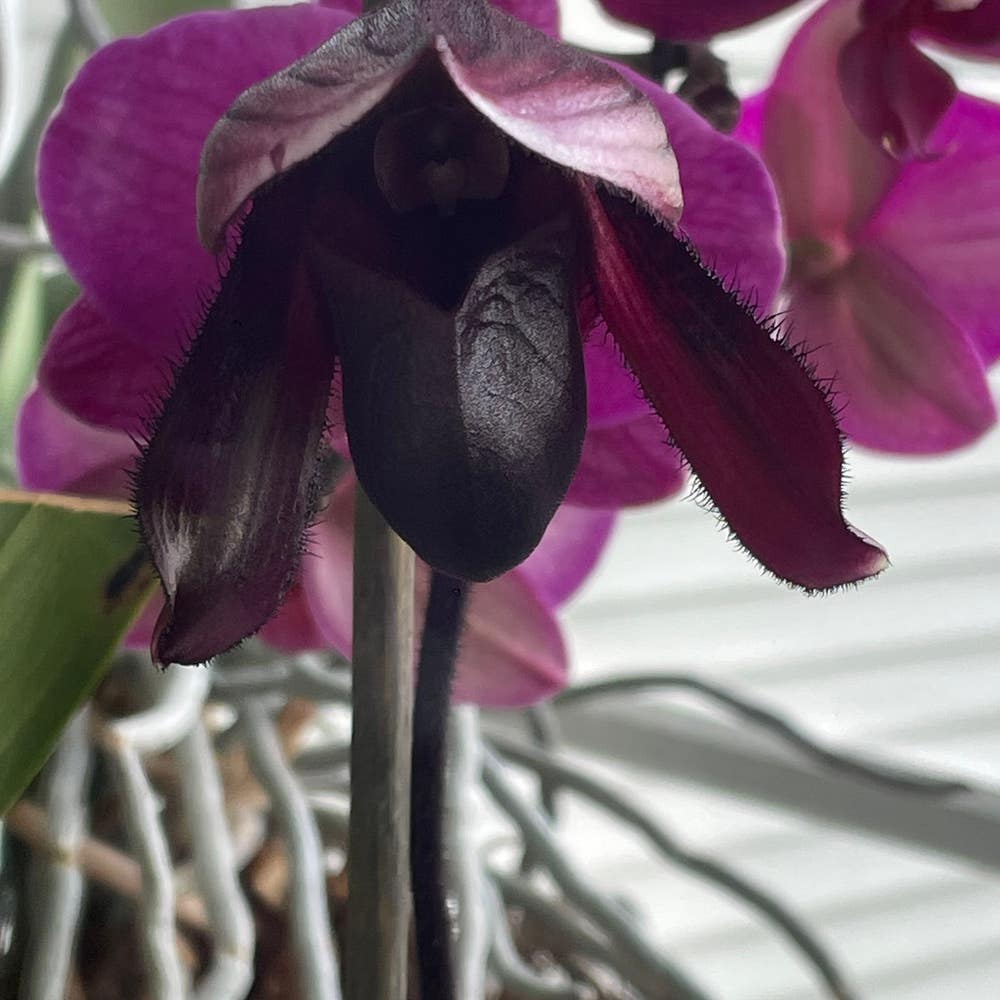
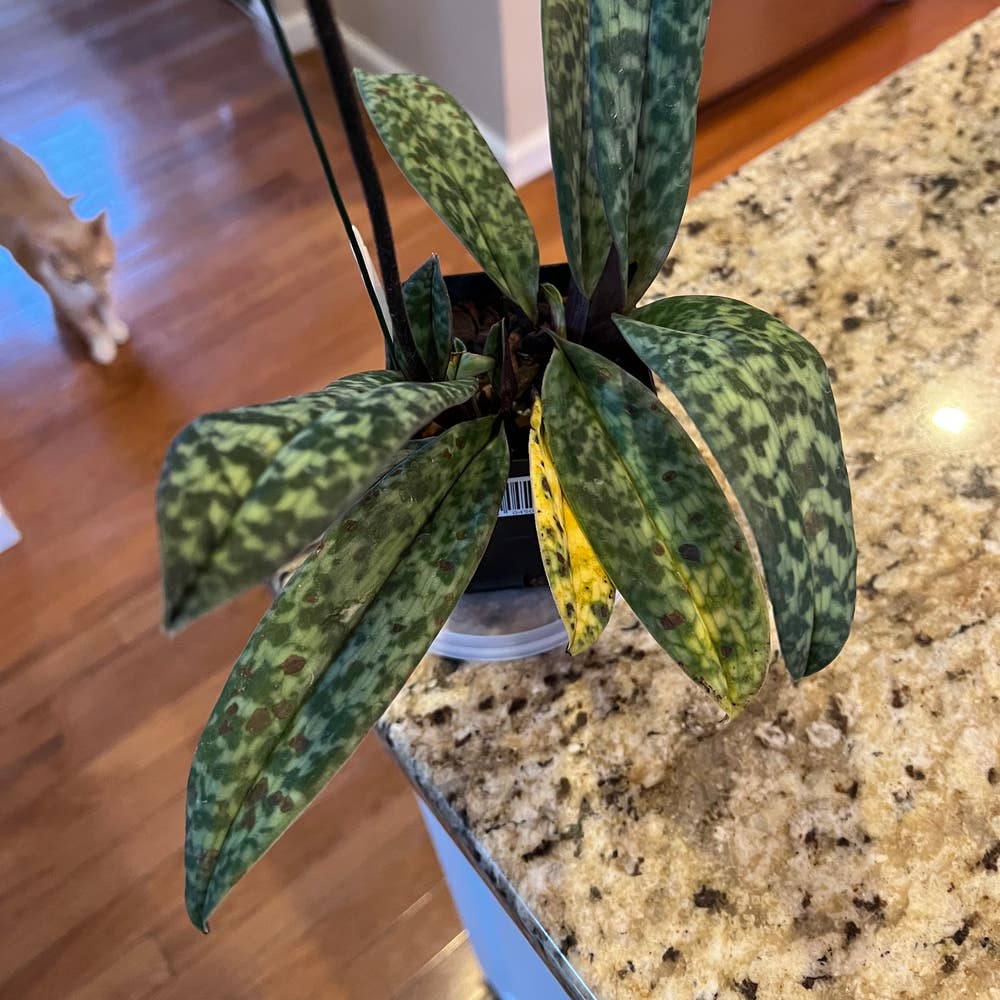
🦋 Growing Your Fairrie's Paphiopedilum Indoors
Paphiopedilum fairrieanum
By the Greg Editorial Team
Sep 29, 2024•5 min read
This article was created with the help of AI so we can cover more plants for you. May contain errors. See one? Report it here.
- 🌞 Fairrie's Paphiopedilum needs bright, indirect sunlight for optimal growth indoors.
- 💧 Water every 1-2 weeks, ensuring proper drainage to prevent root rot.
- 🌬️ Maintain humidity between 50-70% for healthy blooms and growth.
Light Requirements
Optimal Indoor Light Levels 🌞
For your Fairrie's Paphiopedilum, bright, indirect sunlight is key. Aim for light levels around 1000-2000 foot-candles to keep your orchid thriving.
Direct sunlight can scorch the leaves, so be cautious. Position your plant where it can soak up that bright light without the harsh rays.
Role of Grow Lights 💡
In low-light conditions, grow lights become essential for indoor orchids. They provide the extra boost needed for healthy growth and vibrant blooms.
Using grow lights can significantly enhance your plant's environment, especially during darker months. They help mimic the natural light your orchid craves.
Choosing the Best Grow Light 🛠️
When selecting grow lights, consider the type: LED or fluorescent. LEDs are energy-efficient and long-lasting, while fluorescent lights are often more affordable.
Opt for full-spectrum lights that closely resemble natural sunlight. Position these lights 12-18 inches above your plant to ensure optimal exposure without causing stress.
With the right light setup, your Fairrie's Paphiopedilum will flourish beautifully indoors. Next, let's explore the watering needs to keep your orchid hydrated and healthy.
Watering Needs
Frequency and Method of Watering 🌊
Watering your Paphiopedilum is crucial for its health. Aim to water every 1-2 weeks, adjusting based on humidity and temperature.
To water effectively, soak the plant thoroughly until water drains from the bottom. Avoid letting it sit in water, as this can lead to root rot.
Signs of Overwatering and Underwatering 🚨
Recognizing the signs of overwatering is essential. Look for yellowing leaves, mushy roots, and moldy soil as indicators that you might be giving your plant too much moisture.
On the flip side, underwatering can also harm your orchid. Wrinkled leaves, dry potting mix, and drooping flowers signal that your plant needs a drink.
Understanding these watering needs will help you keep your Paphiopedilum thriving. Next, let’s explore the ideal humidity and temperature conditions for optimal growth.
Humidity and Temperature
Ideal Humidity Levels 🌧️
Maintaining optimal humidity levels is crucial for your Fairrie's Paphiopedilum. Aim for a humidity range of 50-70% to promote healthy growth and vibrant blooms.
Humidity plays a significant role in the overall health of your orchids. It helps prevent stress and encourages lush foliage and flowering.
Temperature Range for Optimal Growth 🌡️
For ideal growth, keep your orchid in a temperature range of 20°C to 25°C (68°F to 77°F) during the day. At night, a slightly cooler environment is beneficial.
Avoid exposing your plant to temperature fluctuations and drafts. Consistent temperatures help your orchid thrive and bloom beautifully.
Humidity Control Methods 💧
To maintain the right humidity levels, consider using humidifiers or pebble trays. These methods effectively increase moisture in the air around your plant.
Regular misting can also be beneficial. Just be sure to mist early in the day to allow leaves to dry before nightfall, preventing mold and disease.
With these humidity and temperature tips, your Fairrie's Paphiopedilum will flourish indoors. Next, let’s explore the watering needs to keep your orchid hydrated and healthy.
Soil and Fertilization
Best Soil Type 🌱
For your Fairrie's Paphiopedilum, a well-draining orchid soil mix is essential. This should include components like bark, perlite, and sphagnum moss to ensure proper aeration and drainage.
Good drainage is crucial to prevent root rot, which can quickly turn your thriving plant into a sad sight. The right soil mix allows roots to breathe and absorb moisture without becoming waterlogged.
Fertilization Schedule and Types 🌼
Fertilizing your orchid is key to its growth and blooming. Aim to fertilize every 2-4 weeks during the growing season for optimal results.
Use a balanced orchid fertilizer, such as a 30-10-10 formula, but remember to dilute it to half strength. This helps provide essential nutrients without overwhelming your plant.
Flushing the soil periodically is also important. This practice prevents salt buildup, which can harm your orchid over time.
By following these soil and fertilization tips, you'll create a nurturing environment for your Fairrie's Paphiopedilum, setting the stage for vibrant blooms and healthy growth.
Next, let’s explore how to maintain the right humidity and temperature for your indoor orchids.
Common Issues and Maintenance
🐛 Pests and Diseases
Indoor Paphiopedilum orchids can face a few common pests. Watch out for mealybugs, aphids, and spider mites, as they can wreak havoc on your plants.
Diseases like root rot and fungal infections can also occur if conditions aren't right. Keeping an eye on your plant's health is crucial for prevention.
🛡️ Preventive Measures for Pest Control
Regular inspections are key to catching pests early. Clean the leaves frequently to remove dust and potential pests.
If you spot any unwanted guests, consider using insecticidal soap or neem oil for treatment. These options are effective and less harsh on your plants.
🪴 Best Locations for Indoor Growth
Placement matters when it comes to your orchids. Ideally, position them near east or west-facing windows that provide filtered light.
Avoid placing your plants near cold drafts or heat sources, like radiators. This helps maintain a stable environment for healthy growth.
✂️ Tips for Maintaining Plant Appearance
To keep your Paphiopedilum looking its best, regular pruning is essential. Remove any dead or yellowing leaves to promote new growth.
Additionally, cleaning the leaves enhances photosynthesis and overall appearance. A little care goes a long way in keeping your plant vibrant.
With these maintenance tips, you'll ensure your orchids thrive indoors. Next, let’s explore the best soil and fertilization practices to support their growth.
⚠️ Safety First
This content is for general information and may contain errors, omissions, or outdated details. It is not medical, veterinary advice, or an endorsement of therapeutic claims.
Always consult a qualified healthcare professional before using any plant as food, medicine, or supplement.
Never eat any plant (or feed one to pets) without confirming its identity with at least two trusted sources.
If you suspect poisoning, call Poison Control (800) 222-1222, the Pet Poison Helpline (800) 213-6680, or your local emergency service immediately.
Spotted an error? Please report it here.
Ensure your Fairrie's Paphiopedilum blooms beautifully 🌼 by using Greg's tailored care reminders and watering plans to create the perfect indoor environment!