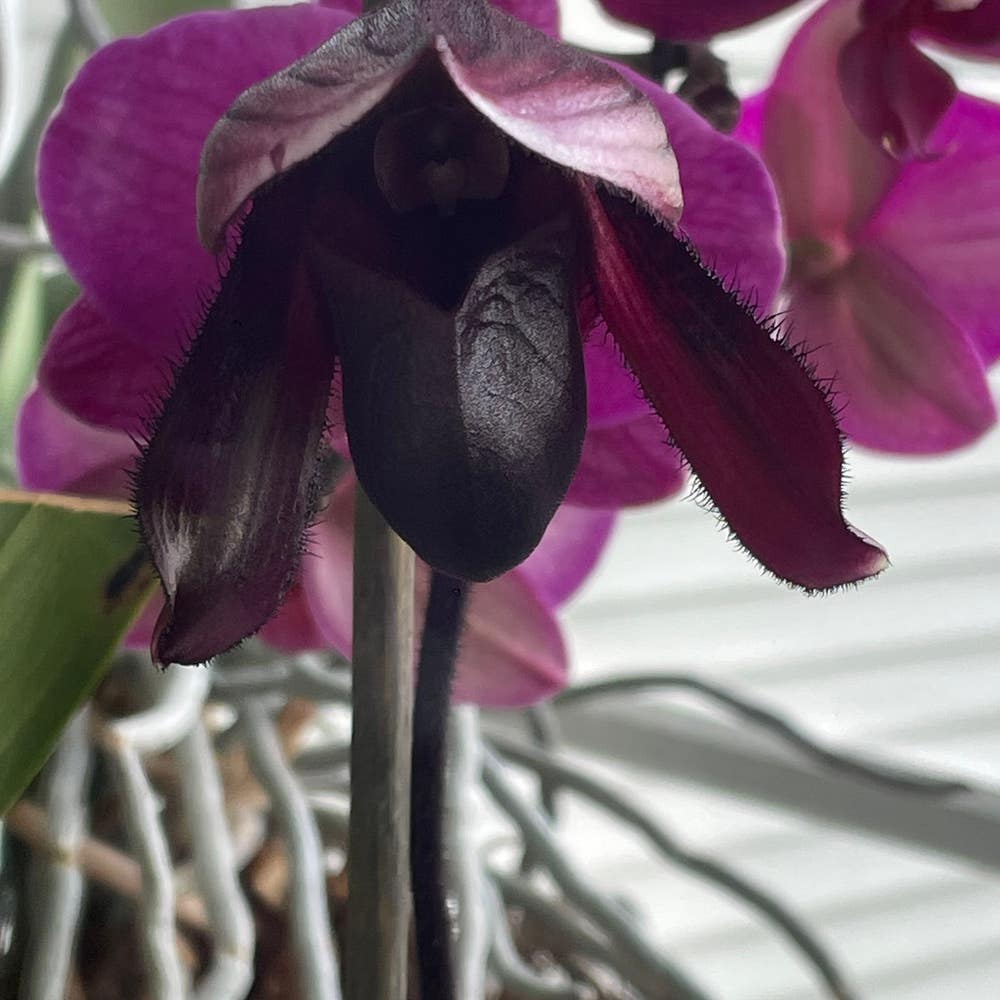
Why Is My Paphiopedilum fairrieanum Not Doing Well?
Paphiopedilum fairrieanum
By the Greg Editorial Team
Apr 06, 2024•4 min read
This article was created with the help of AI so we can cover more plants for you. May contain errors. See one? Report it here.
- Inconsistent watering causes wilting and yellowing; let soil dry between waterings.
- Light and temperature are key; provide moderate light and stable temperatures.
- Pests and pathogens threaten health; use insecticidal treatments and improve air circulation.
Spotting Trouble: Key Signs Your Orchid is Unhappy
🥀 Wilting and Yellowing Leaves
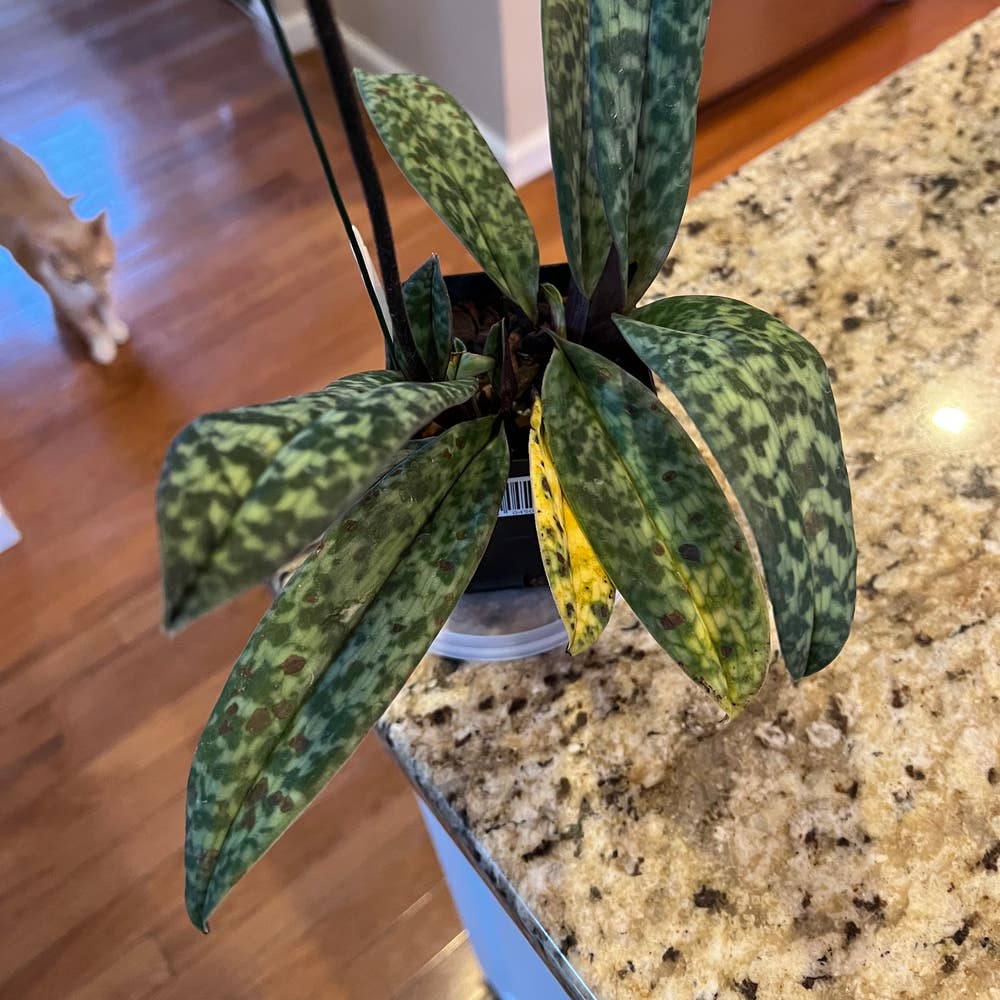
When your Paphiopedilum fairrieanum's leaves droop or turn a sickly yellow, it's signaling distress. Inconsistent watering or temperature fluctuations are often to blame.
🌱 Stunted Growth and Lack of Flowering
If your orchid isn't growing or blooming, it's not just being stubborn. It could be light deprivation or nutrient deficiency. Assess its environment and feeding schedule.
🐛 Visible Pests and Unusual Leaf Spots
Pests like aphids and mealybugs are freeloaders on your orchid's hospitality. Webbing or distorted leaves call for immediate action. Leaf spots may indicate fungal issues, demanding a swift change in humidity or cleanliness.
Water Woes: Finding the Balance
🌊 Over-watering Havoc
Yellowing leaves, mushy stems, and a foul odor are distress signals from an over-watered Paphiopedilum fairrieanum. The remedy? Let the soil dry out between waterings. If the medium feels like a swamp, it's time to repot with fresh, well-draining mix.
🏜️ Under-watering Stress
Conversely, wrinkled leaves and browning tips beg for more water. The goal is even moisture, akin to a perfectly wrung-out sponge. Increase watering frequency, but don't flood the plant. Ensure each watering is thorough, allowing excess to drain, and wait until the top inch of soil is dry before the next session.
Light and Temperature: Creating the Ideal Environment
🌞 Too Much Sun, Too Little Light
Faded leaves and a lack of flowering are tell-tale signs your Paphiopedilum fairrieanum is throwing shade at its light conditions. To appease this diva, provide moderate, indirect light. If it's baking like a potato in the midday sun, it's time to intervene. Use sheer curtains or relocate it to a less intense spot to prevent the botanical equivalent of a sunburn.
🌡️ Temperature Tantrums
When your orchid drops buds faster than a hot potato, it's likely feeling the chill of temperature swings. Stable temperatures are the backstage passes to a stellar growth show. Keep it between 65-75°F (18-24°C) to avoid growth grinding to a halt. And remember, drafts are the nemesis of your tropical treasure—draft protection is key. Keep it away from air conditioners and radiators, because nobody likes a cold shoulder, especially not your Paphiopedilum fairrieanum.
When Pests and Pathogens Attack
🛡️ Fighting Off Invaders
Visible pests and their signature damage are clear distress signals from your Paphiopedilum fairrieanum. Spider mites weave fine webs and leave leaves looking speckled. Scales may look like harmless bumps, but they're anything but. Aphids, those sap-sucking menaces, cause leaves to deform. The solution? Insecticidal treatments and a keen eye. A strong water jet or insecticidal soap can evict these unwanted guests. For persistent parties, bring out the big guns: horticultural oil or systemic insecticides, ensuring you cover all plant parts thoroughly.
🦠 Mold and Fungus Fiascos
Fungus enters the chat when conditions are too damp and still. Powdery mildew, Botrytis blight, and leaf spot love a good moisture fest. If you notice fuzzy growths or discolored patches, it's time to act. Increase air circulation and cut back on the watering. Fungicides can be your ally here, but use them wisely and as a last resort. Remember, prevention is better than cure, so keep your orchid's leaves dry and the air moving. If all else fails, remove affected areas with sterilized shears and apply fungicides as directed, keeping your plant's health and safety in mind.
Root Rot: The Silent Killer
🚨 Recognizing Root Rot
Root rot sneaks up like a thief in the night, often going unnoticed until your Paphiopedilum fairrieanum starts to wilt persistently. If the leaves don't perk up after watering, it's a red flag.
Yellowing leaves or a distorted shape can also signal trouble beneath the soil. A foul odor is another giveaway that something's amiss with the roots.
Healthy roots should be white or green, not reddish-brown, mushy, or black. If they resemble overcooked noodles, you're dealing with root rot.
🛠 Solutions: Trimming Roots, Fresh Medium, Proper Watering
When root rot is the diagnosis, it's time for some plant surgery. Trim away the soggy, dark roots without mercy.
Let the soil dry out before you water again. This isn't a time for guesswork; only water when the topsoil feels dry to the touch.
Repot your orchid in fresh, well-draining soil. Consider a pot with better drainage to prevent future waterlogging.
Adjust your watering habits—it's more of a sip than a gulp. Overwatering is like drowning your plant in love; moderation is key.
⚠️ Safety First
This content is for general information and may contain errors, omissions, or outdated details. It is not medical, veterinary advice, or an endorsement of therapeutic claims.
Always consult a qualified healthcare professional before using any plant as food, medicine, or supplement.
Never eat any plant (or feed one to pets) without confirming its identity with at least two trusted sources.
If you suspect poisoning, call Poison Control (800) 222-1222, the Pet Poison Helpline (800) 213-6680, or your local emergency service immediately.
Spotted an error? Please report it here.
Ensure your Paphiopedilum fairrieanum thrives by leveraging Greg's custom care plans to balance 🌡 watering, light, and temperature, keeping those orchid woes at bay.