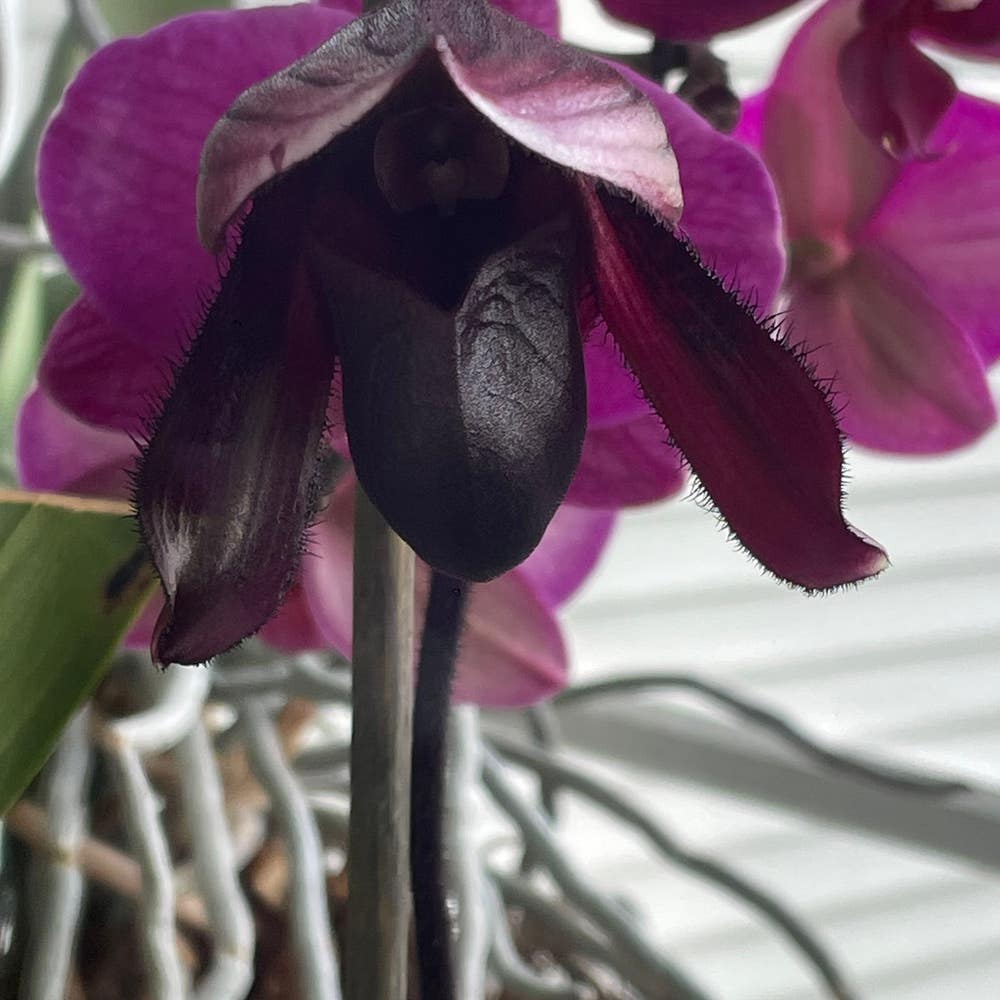
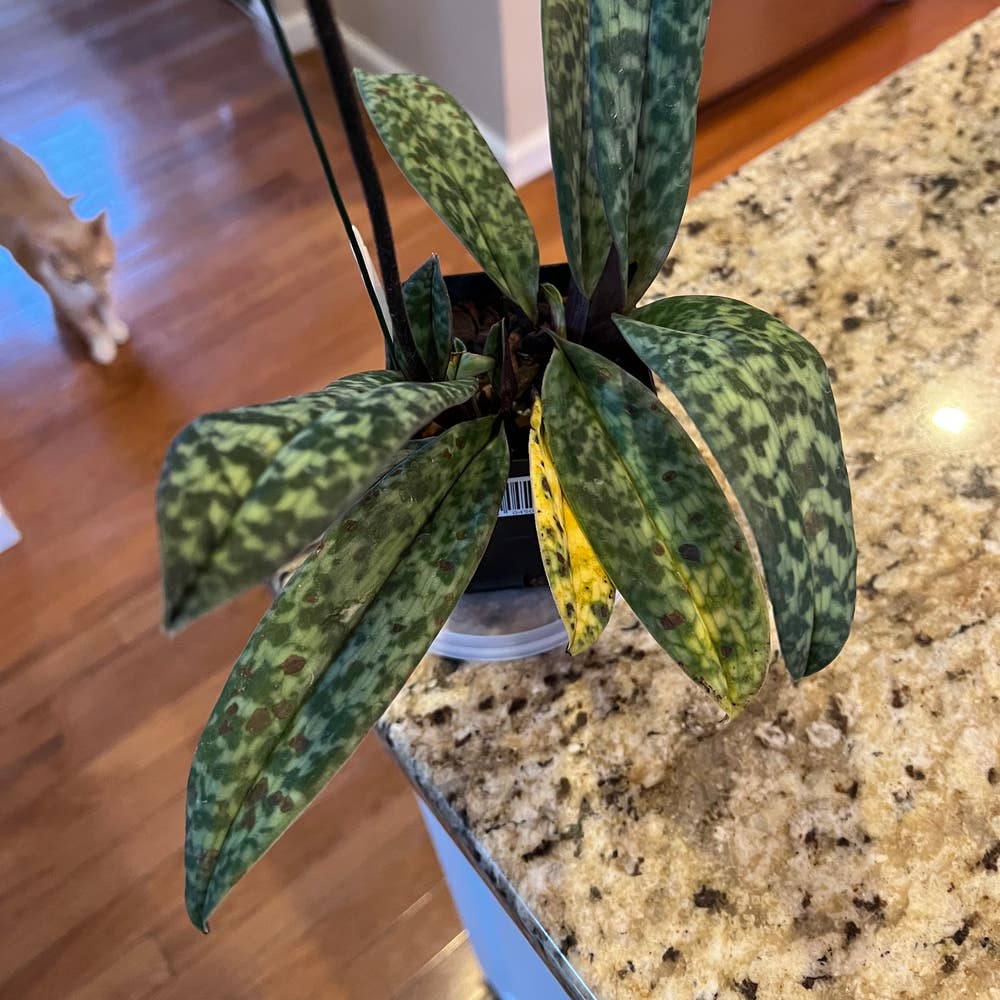
What Temperature Does My Paphiopedilum fairrieanum Need?
Paphiopedilum fairrieanum
By the Greg Editorial Team
Apr 06, 2024•4 min read
This article was created with the help of AI so we can cover more plants for you. May contain errors. See one? Report it here.
- 🌡️ Day 65-75°F, night 55-65°F for healthy Paphiopedilum fairrieanum.
- Seasonal adjustments protect from temperature stress and promote well-being.
- Consistent temperatures trigger and maintain blooming cycles.
Dialing in the Perfect Temperature
🌡️ Day vs. Night: Understanding the Swing
For your Paphiopedilum fairrieanum, the dance between day and night temperatures isn't just a preference; it's a necessity. During the day, aim for a cozy 65-75°F (18-24°C). When the stars come out, it's time to drop the temp to 55-65°F (13-18°C). This nightly dip is like a secret handshake, telling your orchid it's time to rest and recover.
🌍 Seasonal Shifts: What to Expect and Adjust
As the earth tilts on its axis, your orchid's world tilts too. Summer might mean pulling back from that sunbaked windowsill, while winter whispers for a move away from the chilly glass. It's a delicate balance, keeping your Paphiopedilum fairrieanum from throwing a temperature tantrum. Stay vigilant, and adjust your care to the rhythm of the seasons.
Spotting Trouble: Signs of Temperature Stress
🍂 Visual Red Flags
When your Paphiopedilum fairrieanum starts looking like it's on a hunger strike with crispy leaves, it's time to reassess the heat levels. Conversely, if the leaves are as limp as overcooked noodles, you're dealing with a cold snap victim. These visual cues are your plant's way of saying, "Help!"
Growth and Flowering Setbacks
If your orchid's growth is more stagnant than a pond with no inlet or outlet, it's likely suffering from temperature stress. Similarly, when blooms are as scarce as hen's teeth, it's a sign that the temperature is playing the villain in your plant's performance. Keep an eye out for these growth and flowering setbacks; they're critical distress signals.
The Heat is On: Causes of Temperature Stress
🌡️ External Factors and How to Mitigate Them
Your Paphiopedilum fairrieanum isn't just a pretty face; it's a thermal diva. Drafts can chill it to the bone, while direct sunlight can cook it like yesterday's leftovers. To shield your plant from these mood swings, think like a plant bodyguard. Position it away from air vents and cold drafts in winter, and during scorching summers, ensure it's not under direct, punishing rays.
Reflective surfaces near your plant can be secret heat magnifiers. That innocent-looking glass table? It might be bouncing extra heat right onto your unsuspecting orchid. Move your plant to a spot where it won't get zapped by reflected sunlight.
🌡️ Internal Battles: Plant's Response to Temperature Extremes
When temperatures hit the extremes, your Paphiopedilum fairrieanum doesn't just sit back and take it. It fights back, but not always in a good way. Overheating forces the plant to transpire excessively, leading to dehydration. The roots scramble to absorb water, but it's like trying to refill a lake with a teacup.
In the face of cold, the plant's metabolism slows down, like a phone on power-save mode. Growth grinds to a halt, and the leaves can become as limp as overcooked spaghetti. Remember, these are signs that your plant is not just uncomfortable—it's in a state of panic. Keep the temperature steady, and you'll keep your Paphiopedilum fairrieanum from freaking out.
Flower Power: Temperature's Role in Blooming
🌡️ Timing and Temperature: The Blooming Connection
For Paphiopedilum fairrieanum, the right temperature is the secret handshake that invites the plant to the blooming party. This orchid relies on a subtle drop in temperature to signal the start of its floral showcase. It's a delicate trigger, akin to the precise click of a lock that releases a spring of blossoms.
Keeping the Blooms Coming
To keep your Paphiopedilum fairrieanum in a perpetual state of bloom readiness, consistency is your best friend. Avoid the drama of temperature swings; they're the botanical equivalent of a cold shoulder to your plant's blooming ambitions. Aim for a daytime range of 75°F to 85°F and a slight dip at night, around 65°F to 70°F. This mimics the natural, subtle fluctuations the plant would experience in its native habitat. Remember, your orchid doesn't want to be shocked – it prefers the gentle persuasion of a well-regulated climate. Keep a vigilant eye on the thermostat, and your reward will be a cycle of blooms that could put the most punctual train schedule to shame.
⚠️ Safety First
This content is for general information and may contain errors, omissions, or outdated details. It is not medical, veterinary advice, or an endorsement of therapeutic claims.
Always consult a qualified healthcare professional before using any plant as food, medicine, or supplement.
Never eat any plant (or feed one to pets) without confirming its identity with at least two trusted sources.
If you suspect poisoning, call Poison Control (800) 222-1222, the Pet Poison Helpline (800) 213-6680, or your local emergency service immediately.
Spotted an error? Please report it here.
Keep your Paphiopedilum fairrieanum in perpetual bloom 🌡 with Greg's tailored reminders to adjust your orchid's environment for those perfect temperature sweet spots.