🌸 Fairrie's Paphiopedilum: Not an Annual
Paphiopedilum fairrieanum
By the Greg Editorial Team
Sep 29, 2024•5 min read
This article was created with the help of AI so we can cover more plants for you. May contain errors. See one? Report it here.
- 🌸 Fairrie's Paphiopedilum is a perennial, thriving for years with seasonal blooms.
- 🌱 Unique genetics enhance adaptability, ensuring survival in various environments.
- 💧 Proper care and conditions are vital for maximizing growth and flowering potential.
Fairrie's Paphiopedilum as a Perennial
🌱 Genetic Characteristics
Fairrie's Paphiopedilum boasts a unique chromosomal structure that supports its longevity. This genetic makeup allows it to thrive in various environments, enhancing its survival capabilities.
Adaptations play a crucial role in its perennial nature. Traits such as drought resistance and temperature tolerance enable it to flourish in specific habitats, ensuring its persistence over time.
🌼 Physiological Traits Supporting Perennial Classification
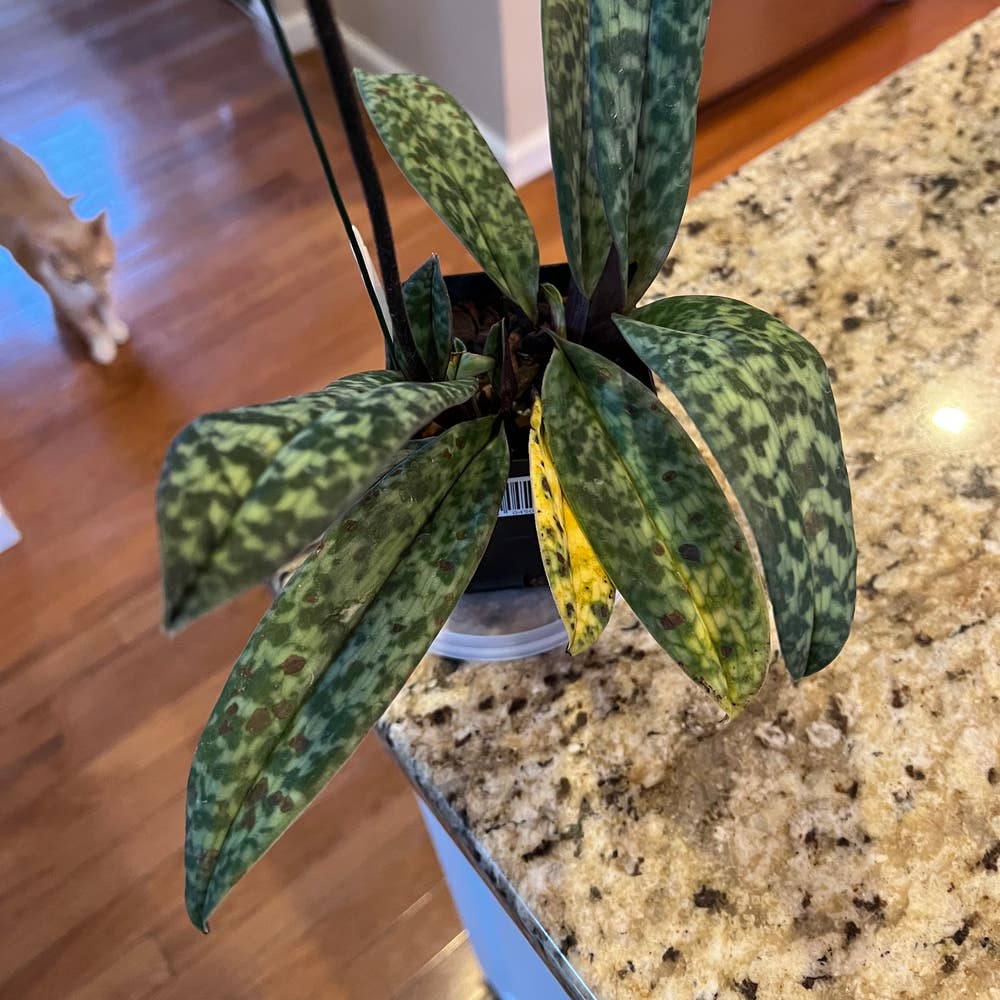
The growth form of Fairrie's Paphiopedilum is characterized by rosette formation, a hallmark of perennial orchids. This structure not only supports stability but also maximizes light absorption.
Metabolic processes are finely tuned for long-term growth. The orchid efficiently stores energy and allocates resources, allowing it to sustain itself through varying environmental conditions.
⏳ Long-Term Lifecycle and Growth Patterns
Typically, Fairrie's Paphiopedilum has a lifespan of several years, which allows for multiple flowering cycles. This longevity is a key factor in its classification as a perennial.
Its growth rate is slow yet consistent, contributing to its robust nature. Seasonal blooming patterns are influenced by environmental conditions, showcasing its adaptability and resilience.
Understanding these characteristics helps gardeners appreciate the unique qualities of Fairrie's Paphiopedilum. As we delve deeper into its lifecycle, we can explore how it compares to other plant types.
Lifecycle Comparison
🌱 Growth and Flowering Differences
Fairrie's Paphiopedilum takes its time to reach maturity, often requiring several years. This slow growth is a hallmark of perennials, contrasting sharply with the rapid life cycles of annuals.
When it comes to flowering frequency, perennials like Fairrie's Paphiopedilum bloom seasonally, often producing multiple cycles over their lifespan. In contrast, annuals typically flower once before completing their life cycle, making the perennial's blooms a more enduring spectacle.
🌾 Seed Production Strategies
In terms of seed production, Fairrie's Paphiopedilum is not a prolific seed producer. It generates fewer seeds compared to many annuals, which often release thousands to ensure survival.
The germination conditions for Paphiopedilum seeds are quite specific. They require particular environmental factors, such as humidity and temperature, which differ significantly from the more adaptable seeds of annual plants.
Understanding these lifecycle differences is crucial for gardeners aiming to cultivate these unique orchids successfully. With the right care, Fairrie's Paphiopedilum can thrive and bring beauty to your garden for years to come.
Next, we’ll explore the misconceptions and exceptions surrounding this remarkable plant.
Misconceptions and Exceptions
🌪️ Conditions Leading to Misclassification
Environmental stress can significantly impact the perception of Fairrie's Paphiopedilum. Factors like extreme temperatures or inadequate light can shorten their lifespan, leading some to mistakenly classify them as annuals.
Improper care practices also contribute to this misclassification. Overwatering or neglecting nutrient needs can stunt growth, making these orchids appear less resilient than they truly are.
🌍 Regional Variations Affecting Perception
Climate plays a crucial role in the growth and flowering of Fairrie's Paphiopedilum. In cooler regions, these orchids may struggle, affecting their blooming cycles and leading to misconceptions about their perennial nature.
Local gardening practices can further complicate perceptions. Misunderstandings about care methods often arise, causing gardeners to misjudge the longevity and needs of these unique orchids.
Understanding these factors can help clarify the true nature of Fairrie's Paphiopedilum and enhance their appreciation in gardens. With the right knowledge, you can ensure these orchids thrive, showcasing their beauty for years to come.
Gardening Implications
🌼 Advantages in Garden Design
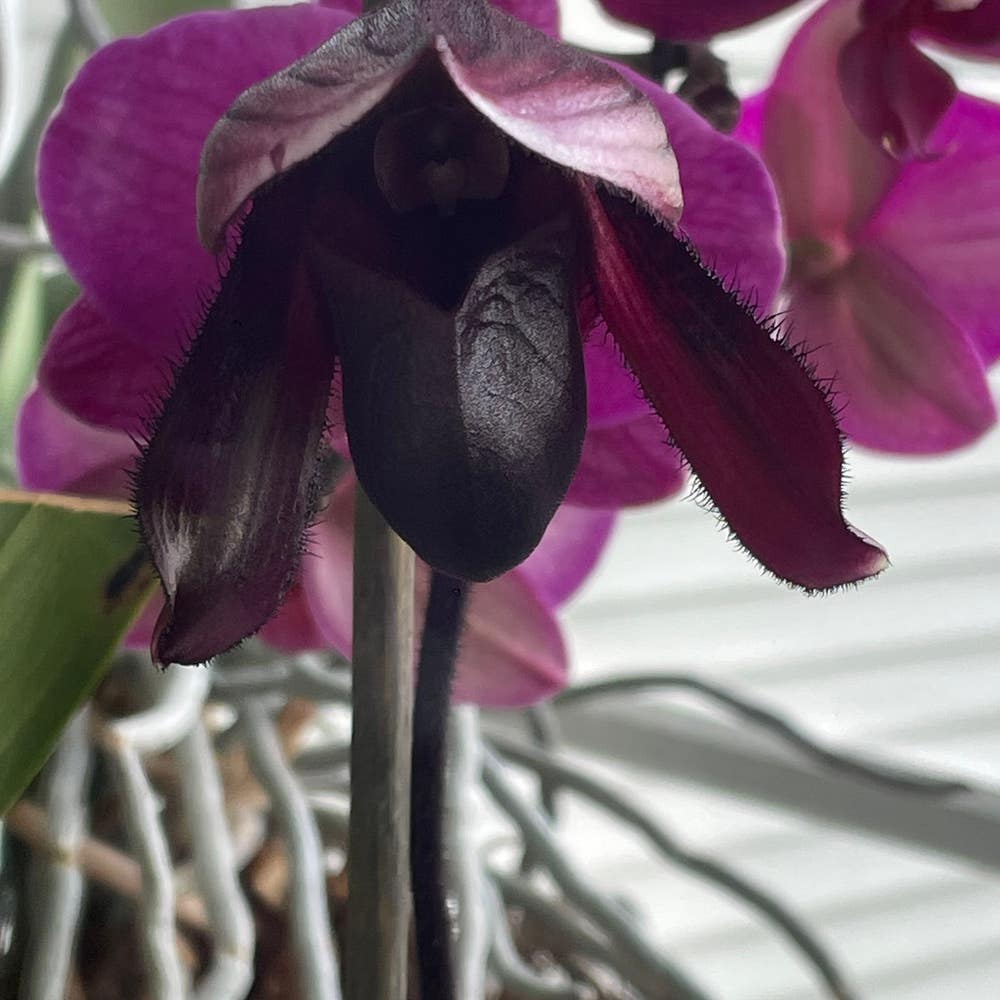
Fairrie's Paphiopedilum brings a unique aesthetic to any garden. Its striking flower structure and long-lasting blooms can serve as focal points, adding visual interest throughout the seasons.
In addition to beauty, these orchids contribute to biodiversity. They attract various pollinators, enriching the ecosystem and promoting a healthy garden environment.
🌱 Planning for Perennial Growth Cycles
When incorporating Fairrie's Paphiopedilum into your garden, consider spacing and placement carefully. These orchids thrive when given enough room to grow, allowing their rosette formation to flourish.
Timing is also crucial for seasonal planning. Understanding when to plant and care for these perennials will maximize their flowering potential, ensuring a vibrant display year after year.
By thoughtfully integrating Fairrie's Paphiopedilum into your garden design, you can enjoy both its beauty and ecological benefits. This sets the stage for a deeper exploration of how to maximize the longevity of these remarkable plants.
Maximizing Longevity
Tips for Managing as a Perennial 🌱
Proper watering is crucial for Fairrie's Paphiopedilum. Aim for consistent moisture, but be cautious of waterlogging, which can lead to root rot.
A well-planned fertilization schedule is equally important. Provide nutrients throughout the growing season to support robust growth and flowering.
Best Practices for Long-Term Health 🌿
Creating ideal environmental conditions is key. Fairrie's Paphiopedilum thrives in bright, indirect light and high humidity levels.
Pest and disease management should be proactive. Regularly inspect your plants and implement preventative measures to ensure their longevity and health.
By following these guidelines, you can enjoy the beauty of Fairrie's Paphiopedilum for years to come. Next, let's explore the gardening implications of incorporating this perennial into your landscape.
⚠️ Safety First
This content is for general information and may contain errors, omissions, or outdated details. It is not medical, veterinary advice, or an endorsement of therapeutic claims.
Always consult a qualified healthcare professional before using any plant as food, medicine, or supplement.
Never eat any plant (or feed one to pets) without confirming its identity with at least two trusted sources.
If you suspect poisoning, call Poison Control (800) 222-1222, the Pet Poison Helpline (800) 213-6680, or your local emergency service immediately.
Spotted an error? Please report it here.
Ensure your Fairrie's Paphiopedilum thrives beautifully 🌺 for years with Greg's personalized care reminders and tailored watering plans that take the guesswork out of orchid care!