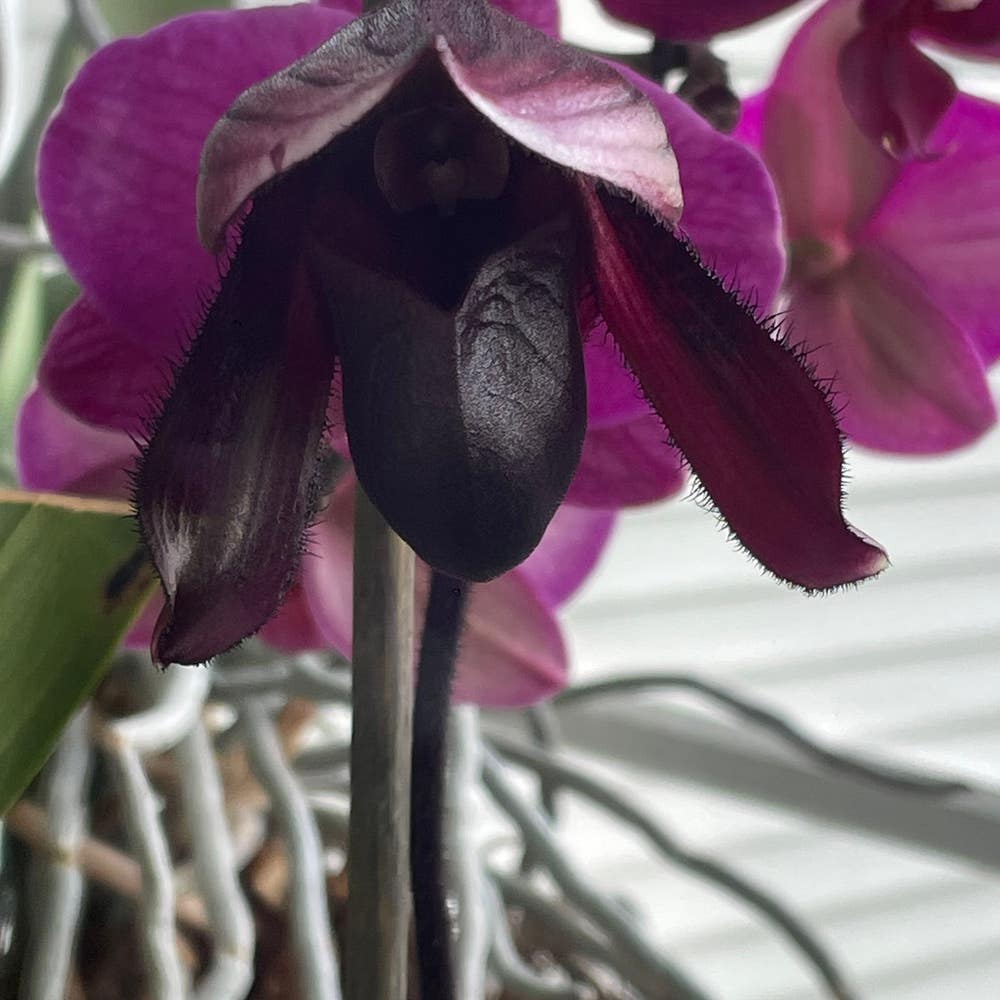
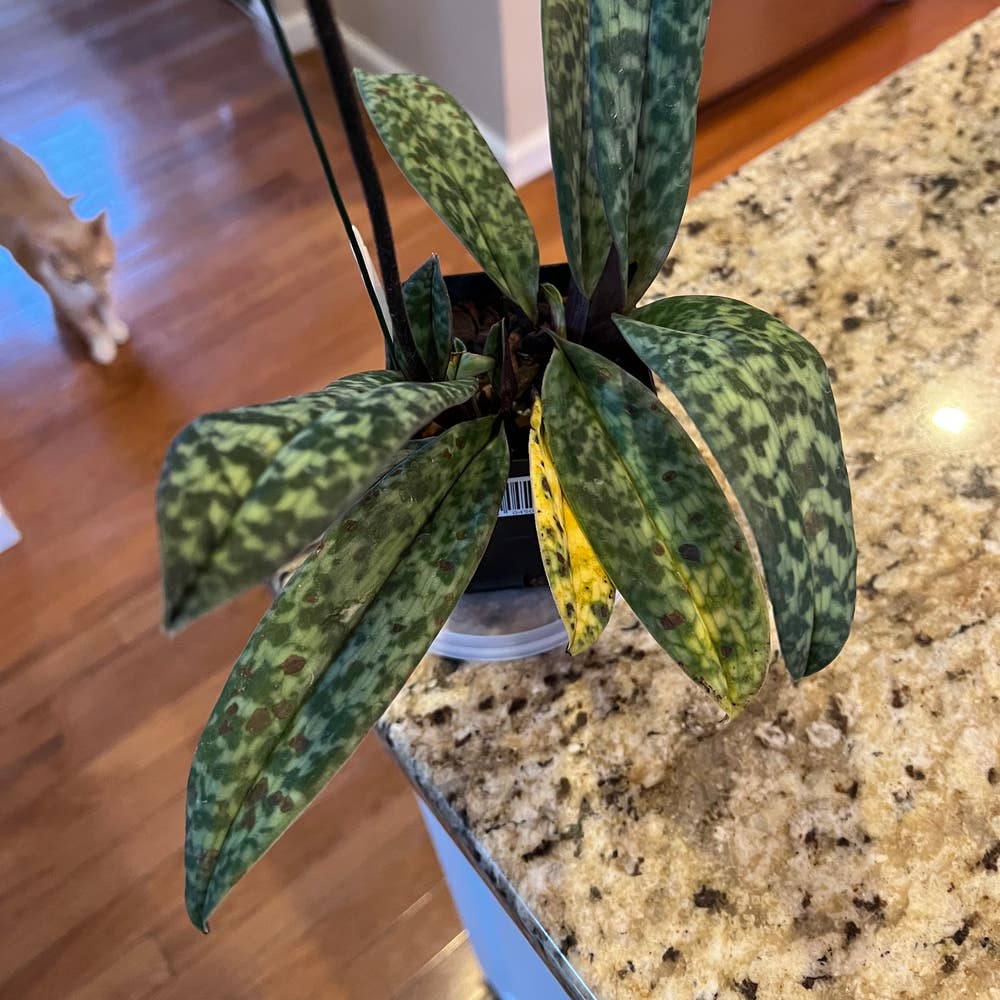
Optimal Hardiness Zones for Fairrie's Paphiopedilum: 10a-12b 🌸
Paphiopedilum fairrieanum
By the Greg Editorial Team
Sep 29, 2024•4 min read
This article was created with the help of AI so we can cover more plants for you. May contain errors. See one? Report it here.
- 🌡️ Fairrie's Paphiopedilum thrives in zones 10a-12b with ideal temperatures of 70°F-85°F.
- ❄️ Frost protection is vital; temperatures below 50°F can severely damage the plant.
- 🌊 Coastal California and southern Florida offer perfect climates for growing these orchids.
Temperature Tolerance of Fairrie's Paphiopedilum
❄️ Cold Tolerance Specifics
Fairrie's Paphiopedilum thrives best when temperatures don’t dip below 50°F (10°C). Frost can severely hinder its growth, making frost protection essential for maintaining optimal health.
Frost can damage leaves and roots, leading to stunted growth or even plant death. Therefore, providing adequate shelter or using frost cloths can make a significant difference in your plant's survival.
🔥 Heat Tolerance Specifics
On the warmer side, Fairrie's Paphiopedilum can tolerate temperatures up to 85°F (29°C). Ideally, daytime temperatures should range between 70°F and 85°F (21°C to 29°C) for optimal growth.
At night, it prefers temperatures not dropping below 60°F (15°C). Maintaining this balance helps ensure your plant remains healthy and vibrant.
Understanding these temperature tolerances is crucial for successful cultivation. With the right conditions, you can enjoy the beauty of Fairrie's Paphiopedilum in your garden or home.
Next, let’s explore the ideal regions for growing this stunning orchid.
Ideal Regions for Growing
🌟 Examples of US States in Zones 10a-12b
When it comes to cultivating Fairrie's Paphiopedilum, certain states shine as ideal locations.
- California: The coastal regions and southern areas boast the perfect climate for these orchids.
- Florida: Central and southern Florida provide warm temperatures and humidity that these plants crave.
- Texas: The coastal and southern parts of Texas also offer suitable conditions for thriving growth.
🌱 Factors Contributing to Ideal Growing Conditions
Several key factors make these regions particularly favorable for Fairrie's Paphiopedilum.
Consistent humidity levels are crucial; they help maintain the moisture these orchids need to flourish.
Additionally, the availability of filtered light protects the plants from harsh sunlight, while shelter from strong winds ensures they remain undisturbed.
These elements combine to create a nurturing environment, allowing your orchids to thrive beautifully.
Understanding these ideal conditions can inspire you to explore the best practices for growing Fairrie's Paphiopedilum in your own garden.
As we dive deeper, let’s explore how microclimates can further enhance your growing experience.
Microclimates and Their Impact
🌦️ Definition and Formation of Microclimates
Microclimates are localized areas where the climate differs from the surrounding environment. They can form due to various factors, such as proximity to bodies of water, elevation changes, and urban structures.
For instance, a garden near a lake may experience milder temperatures and higher humidity compared to areas further away. Similarly, hills can create sheltered spots that protect plants from harsh winds, enhancing their growth potential.
🌱 Benefits of Microclimates for Growing
Microclimates can significantly extend the growing range of Fairrie's Paphiopedilum. By providing a more stable environment, these areas help the orchids thrive even in less-than-ideal conditions.
Sheltered spots are crucial for protecting plants from temperature extremes. They can mitigate the effects of frost and heat, ensuring that your orchids remain healthy and vibrant throughout the growing season.
Understanding microclimates is essential for any gardener looking to cultivate Fairrie's Paphiopedilum successfully. As we explore the ideal regions for growing these beautiful orchids, consider how microclimates can enhance your gardening experience.
State-Level Suitability Analysis
🌱 List of States Suitable for Growth
Fairrie's Paphiopedilum thrives in specific climates. The following states are ideal for cultivating this beautiful orchid:
- California
- Florida
- Texas
- Hawaii
- Arizona
These regions offer the warmth and humidity that Fairrie's Paphiopedilum needs to flourish.
🚫 List of States Unsuitable for Growth
Conversely, some states present challenges for growing this orchid. The following states are generally unsuitable:
- North Dakota
- Montana
- Maine
- Vermont
- Wyoming
The colder climates in these areas can hinder the growth of Fairrie's Paphiopedilum.
❄️ Reasons for Suitability or Unsuitability
🌡️ Climate Characteristics in Suitable States
The suitable states boast warm temperatures and consistent humidity. For instance, California and Florida provide the ideal conditions, with temperatures often ranging between 70°F to 85°F (21°C to 29°C).
🥶 Frost Conditions in Unsuitable States
In contrast, states like North Dakota and Vermont experience harsh winters. The frequent frost can severely damage or kill Fairrie's Paphiopedilum, making these areas less hospitable.
📅 Importance of Frost Dates
Understanding first and last frost dates is crucial for determining suitability. In suitable states, the growing season is longer, allowing for optimal growth and blooming of Fairrie's Paphiopedilum.
In summary, selecting the right state for growing Fairrie's Paphiopedilum is essential for success. The next section will delve into microclimates and how they can further enhance growing conditions.
⚠️ Safety First
This content is for general information and may contain errors, omissions, or outdated details. It is not medical, veterinary advice, or an endorsement of therapeutic claims.
Always consult a qualified healthcare professional before using any plant as food, medicine, or supplement.
Never eat any plant (or feed one to pets) without confirming its identity with at least two trusted sources.
If you suspect poisoning, call Poison Control (800) 222-1222, the Pet Poison Helpline (800) 213-6680, or your local emergency service immediately.
Spotted an error? Please report it here.
Cultivating vibrant Fairrie's Paphiopedilum 🌸 is a breeze with Greg's personalized care reminders, ensuring you maintain the perfect warmth and humidity for thriving orchids!