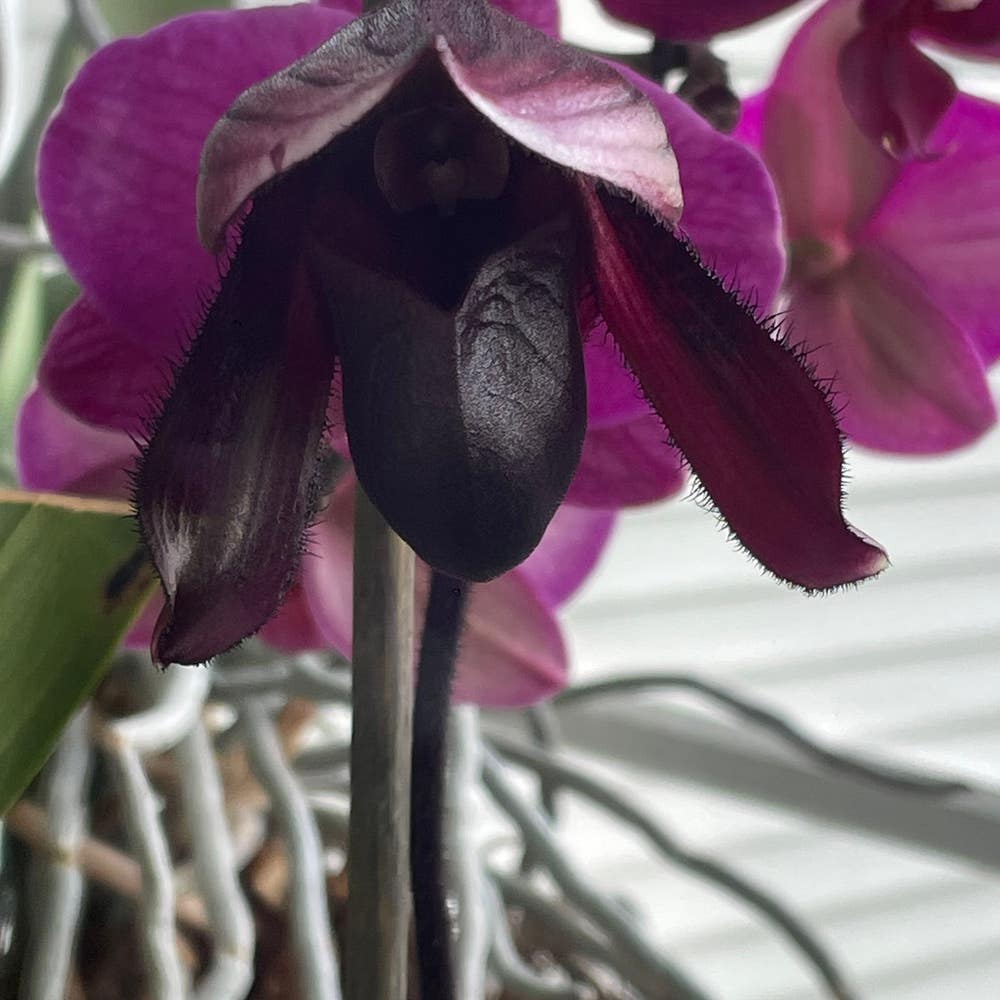
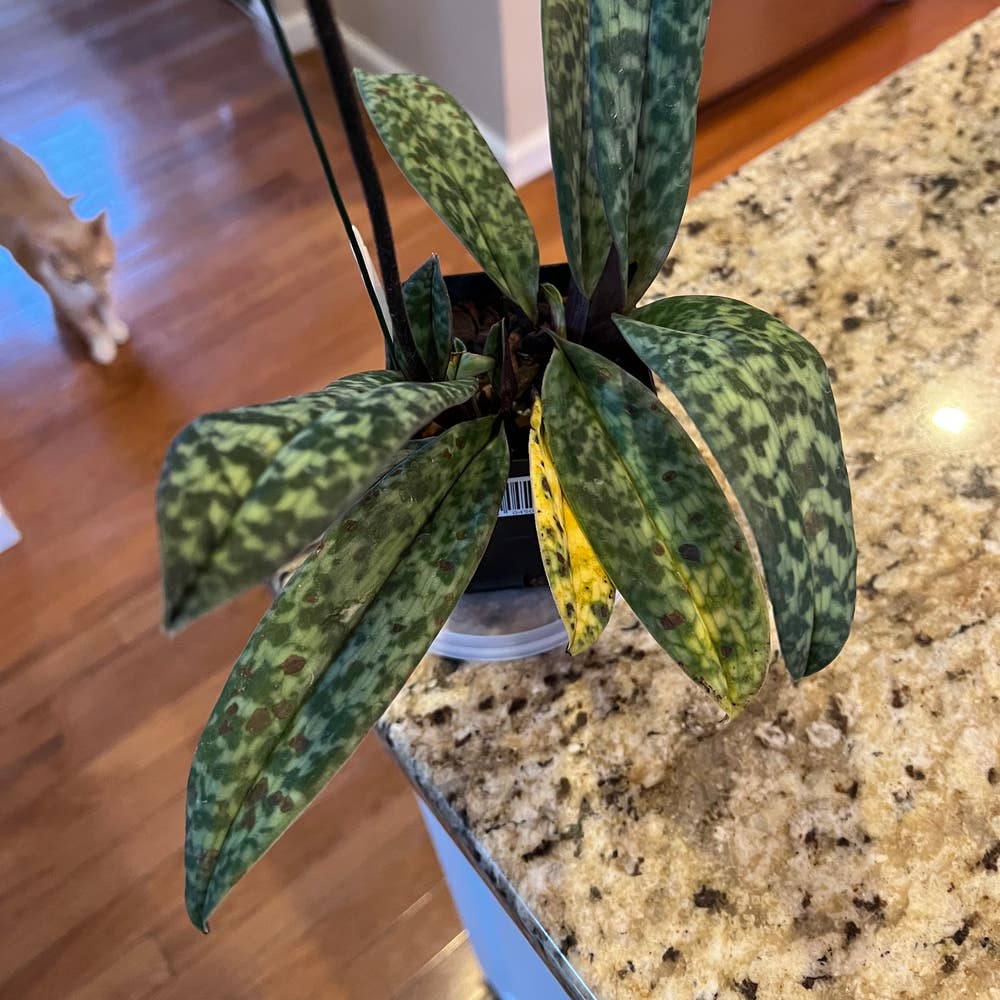
🌸 Everything You Need to Know to Grow Fairrie's Paphiopedilum
Paphiopedilum fairrieanum
By the Greg Editorial Team
Sep 29, 2024•5 min read
This article was created with the help of AI so we can cover more plants for you. May contain errors. See one? Report it here.
- 🌱 Fairrie's Paphiopedilum thrives indoors; provide shade if grown outdoors.
- 💧 Water when the top inch is dry; adjust for overwatering or underwatering signs.
- 🌿 Use well-draining soil and pots with drainage holes to prevent root rot.
Cultivation Techniques
🌍 Choosing the Right Location
When it comes to growing Fairrie's Paphiopedilum, location is key.
Indoor vs. Outdoor
Indoor environments are perfect for maintaining consistent humidity and light, making them ideal for these delicate orchids. Conversely, if you opt for outdoor cultivation, ensure they are placed in shaded areas to protect them from harsh, direct sunlight.
🪴 Soil Preparation and Potting Mix Recommendations
The right potting mix can make all the difference in your orchid's health.
Recommended Potting Mix
A well-draining mix that combines bark, perlite, and sphagnum moss is highly recommended. This blend promotes healthy root growth while preventing water retention.
Soil pH
Aim for a slightly acidic to neutral pH, ideally between 5.5 and 7.0. This range supports optimal nutrient absorption for your orchids.
🌱 Planting Techniques
Proper planting techniques are crucial for the success of your Paphiopedilum.
Pot Selection
Always choose pots with drainage holes. This prevents water from accumulating and causing root rot.
Planting Depth
When planting, ensure the crown of the orchid is above the soil line. This simple step helps avoid rot and promotes healthy growth.
Spacing
Don’t forget about spacing! Allow adequate space between plants to ensure good air circulation. This reduces the risk of fungal infections and encourages robust growth.
With these cultivation techniques in hand, you're well on your way to nurturing thriving Fairrie's Paphiopedilum orchids. Next, let’s dive into the essential aspects of watering and fertilizing to keep your plants flourishing.
Watering and Fertilizing
💧 Watering Frequency and Methods
Watering your Fairrie's Paphiopedilum is crucial for its health. Aim to water when the top inch of soil feels dry, which usually happens every 1-2 weeks.
Use room temperature water to avoid shocking the roots. It's best to avoid overhead watering; this minimizes the risk of leaf rot, keeping your plant happy and thriving.
🌱 Best Fertilizers
For optimal growth, a balanced orchid fertilizer with a ratio of 30-10-10 is recommended. Dilute it to half strength to prevent nutrient burn.
Fertilize every 4-6 weeks during the growing season to ensure your plant gets the nutrients it needs to flourish.
⚠️ Signs of Overwatering and Underwatering
Overwatering can lead to yellowing leaves, mushy roots, and even mold growth. If you notice these symptoms, it’s time to reassess your watering routine.
On the flip side, underwatering manifests as wilting leaves, a dry potting mix, and stunted growth. Keep an eye on your plant to catch these signs early and adjust your care accordingly.
With proper watering and fertilizing, your Fairrie's Paphiopedilum will thrive. Next, let’s explore ongoing care techniques to keep your orchid in top shape.
Ongoing Care
Pruning and Deadheading Techniques 🌿
To keep your Fairrie's Paphiopedilum thriving, regularly remove spent blooms. This simple act encourages new growth and keeps your plant looking its best.
Additionally, cut back any dead or damaged leaves at the base. This not only improves appearance but also prevents potential disease spread.
Seasonal Care Adjustments 🌸
As the seasons change, so should your care routine. In spring and summer, increase both watering and fertilization to support active growth.
Conversely, during fall and winter, reduce watering frequency and halt fertilization. This helps your plant conserve energy during its dormant phase.
Monitoring for Pests and Diseases 🐛
Regular inspections are crucial for maintaining plant health. Check leaves and roots frequently for signs of pests or diseases.
Early detection can make all the difference. Address any issues promptly to keep your Paphiopedilum flourishing.
With ongoing care, your orchid will thrive beautifully, setting the stage for the next topic: common challenges and solutions.
Common Challenges and Solutions
🐛 Identifying and Treating Common Pests
Orchids can attract pests like aphids and mealybugs, which can hinder their growth. To combat these nuisances, consider using neem oil or insecticidal soap, both effective treatments that are easy to apply.
🦠 Addressing Diseases
Two prevalent diseases that affect orchids are root rot and leaf spot. To prevent these issues, ensure proper watering and drainage; if problems arise, fungicides can help restore your plant's health.
🌧️ Tips for Overcoming Environmental Challenges
Humidity is crucial for orchid health. Use humidity trays or mist your plants regularly to maintain optimal moisture levels.
Temperature management is equally important. Aim for a comfortable range of 65°F to 80°F (18°C to 27°C) to keep your orchids thriving.
By staying vigilant and proactive, you can tackle these common challenges and enjoy a flourishing Paphiopedilum. Next, we’ll explore advanced care techniques to elevate your orchid-growing experience even further.
Advanced Care Techniques
🌱 Propagation Methods
Propagation is an exciting way to expand your collection of Fairrie's Paphiopedilum. The two primary methods are division and seed propagation.
Division
During repotting, you can separate clumps of the plant. This method is straightforward and allows you to create new plants while rejuvenating the parent.
Seed Propagation
Seed propagation is more complex and requires sterile conditions. Patience is key here, as it can take time for seeds to germinate and grow into mature plants.
🪴 Repotting Guidelines and Timing
Repotting is essential for maintaining healthy growth. Aim to repot every 1-2 years or whenever you notice roots outgrowing the pot.
Repotting Process
Start by gently removing the old soil from the roots. Inspect them for any damage, then place the plant in fresh potting mix to encourage new growth.
🌈 Special Considerations for Hybrid Varieties
Hybrid varieties of Fairrie's Paphiopedilum may have unique care requirements. Some hybrids might need specific light or humidity levels to thrive.
Understanding these nuances can make a significant difference in your plant's health. By paying attention to their individual needs, you can ensure a flourishing garden.
As you delve deeper into advanced care techniques, you'll find that each step enhances your experience as a grower. Next, we’ll tackle common challenges and solutions to keep your plants thriving.
⚠️ Safety First
This content is for general information and may contain errors, omissions, or outdated details. It is not medical, veterinary advice, or an endorsement of therapeutic claims.
Always consult a qualified healthcare professional before using any plant as food, medicine, or supplement.
Never eat any plant (or feed one to pets) without confirming its identity with at least two trusted sources.
If you suspect poisoning, call Poison Control (800) 222-1222, the Pet Poison Helpline (800) 213-6680, or your local emergency service immediately.
Spotted an error? Please report it here.
Transform your orchid care into a blooming success 🌸 with Greg's tailored reminders and expert tips, ensuring your Fairrie's Paphiopedilum thrives beautifully!