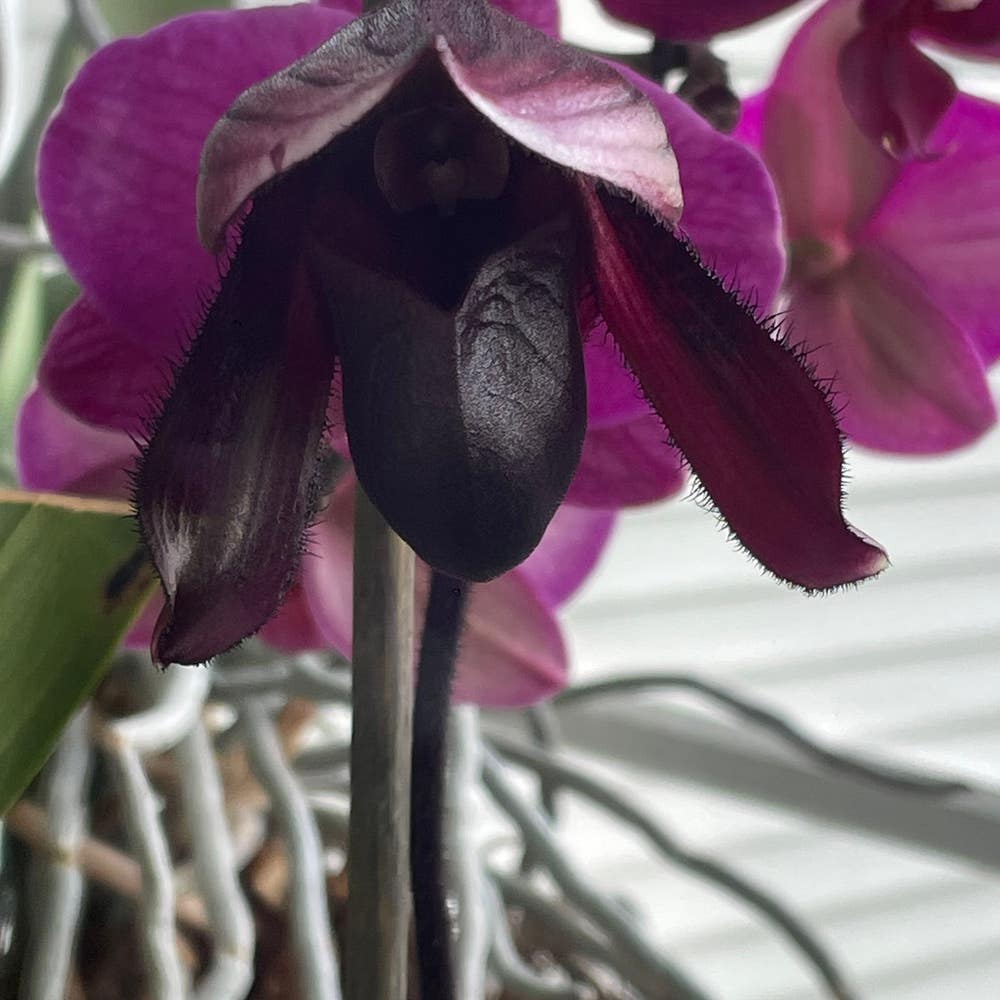
Choosing Fertilizer For My Paphiopedilum fairrieanum
Paphiopedilum fairrieanum
By the Greg Editorial Team
Apr 06, 2024•4 min read
This article was created with the help of AI so we can cover more plants for you. May contain errors. See one? Report it here.
- Balanced N-P-K ratio (20-20-20) ideal for Paphiopedilum fairrieanum.
- Adjust fertilization with growth stages; less in winter dormancy.
- Dilute fertilizer, watch for over-fertilization signs, and take immediate action if needed.
Picking the Perfect Fertilizer
💡 Understanding N-P-K Ratios for Your Paphiopedilum fairrieanum
Navigating the N-P-K ratios is like cracking a code for your orchid's diet. For Paphiopedilum fairrieanum, a balanced approach often yields the best results. High nitrogen (N) promotes leaf growth, while adequate phosphorus (P) supports root development and flowering. Potassium (K) is crucial for overall plant health.
Experts vary in their recommendations, but a balanced N-P-K ratio, such as 20-20-20, is commonly used. During the growth phase, a slight increase in nitrogen can be beneficial, shifting to a higher phosphorus content when it's time to bloom.
Micronutrients are the unsung heroes, often overlooked but vital. These include elements like iron, magnesium, and calcium. A good orchid fertilizer will include these to prevent deficiencies that could stunt growth or bloom production.
💡 Orchid-Specific Fertilizers vs. General Plant Food
Orchid-specific fertilizers are tailored to meet the unique needs
Timing is Everything: Fertilizing Schedule
🌱 Syncing with the Growth Cycle
Adjusting fertilization to your Paphiopedilum fairrieanum's growth stages is akin to tailoring a diet to an athlete's training regime. During the active growth phase, typically spring and summer, your orchid is in beast mode, hungry for nutrients to support its lush development. This is when you should apply a balanced fertilizer every two to four weeks.
As fall approaches and growth slows, it's time to ease up. Reduce fertilization about 8 weeks before the expected first frost. This helps the plant transition smoothly into its resting phase without an excess of unused nutrients.
The Resting Phase: To Feed or Not to Feed?
Winter is your orchid's time to chill, and your cue to put the fertilizer away. Over-fertilizing during this dormancy period is like offering an espresso shot before bedtime—unnecessary and disruptive. If you notice your Paphiopedilum fairrieanum still pushing out new growth despite the season, it might appreciate a light feeding. However, if it's slowing down, so should your fertilizing routine.
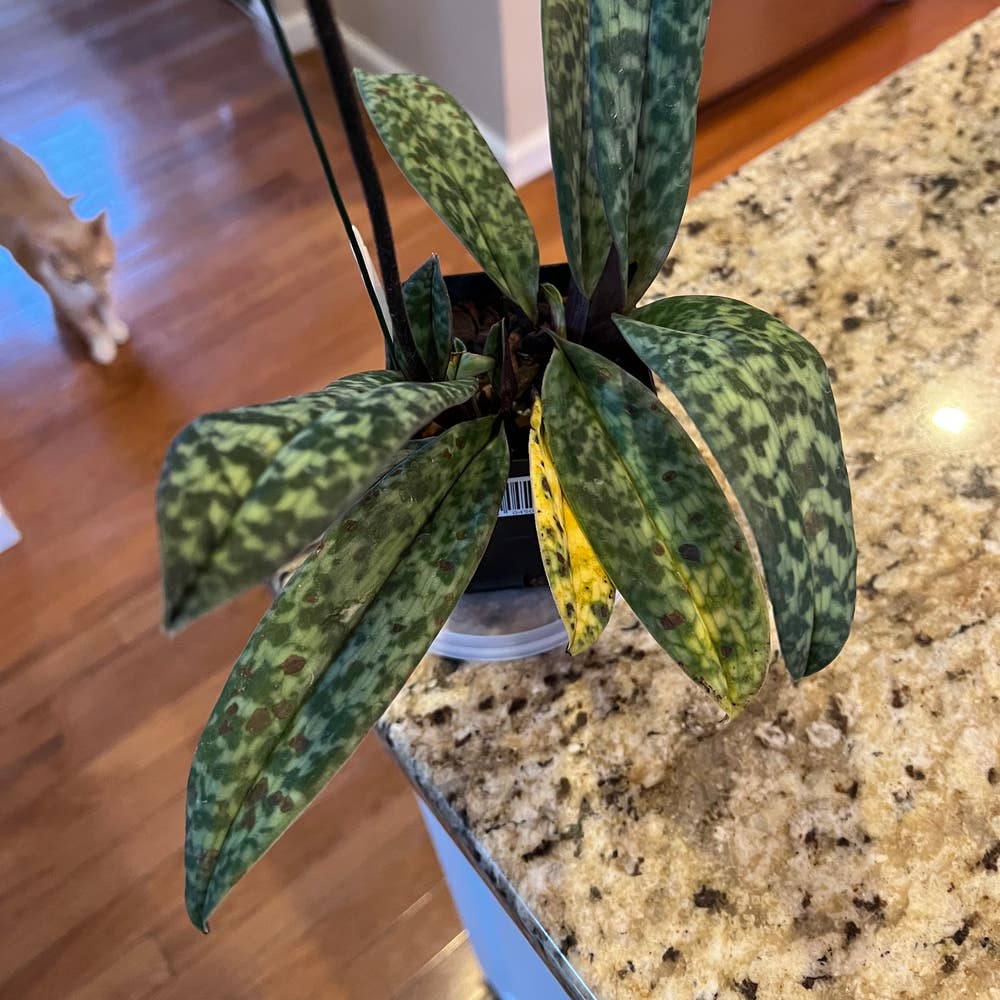
Stay observant and adjust your approach based on your plant's condition. Keep an eye out for signs like yellowing leaves, which might signal distress and the need for a schedule tweak. Remember, your plant doesn't wear a watch; it relies on you to sync its nutrient intake with its life cycle.
Fertilizer Application: Doing it Right
💧 The Dilution Solution: Preventing Root Burn
Dilution is crucial when applying fertilizer to your Paphiopedilum fairrieanum. Start with a half-strength solution of the recommended dose to avoid root burn. Always water your orchid immediately after fertilizing to help distribute nutrients and prevent nitrogen loss.
If you notice leaf tip burn or a white crust on the soil surface, you're likely overdoing it. These are classic signs of excess fertilizer, which can harm your orchid's delicate roots and overall health.
🌱 Slow and Steady: The Benefits of Slow-Release Fertilizers
Slow-release fertilizers are like a nutrient savings account for your orchid, releasing food gradually. They're a low-maintenance option that can reduce the risk of over-fertilization.
To decide if slow-release is right for your orchid, consider your care routine and the orchid's environment. If you're a forgetful waterer or your orchid is in a stable growing condition, slow-release might be your ally. However, if you prefer precise control over nutrient delivery, stick with liquid fertilizers that you can dilute and apply during regular watering.
Recognizing and Rescuing from Over-Fertilization
🚨 Spotting the Tell-Tale Signs
Over-fertilization is like a silent alarm; your Paphiopedilum fairrieanum won't scream, but it will show distress signals. Look for leaf discoloration, such as yellowing or browning, particularly at the tips and margins. Roots may appear burnt or mushy. If new growth is weak or your orchid's leaves are dropping like flies, it's time to intervene.
🚑 Immediate steps to take if you've over-fertilized
Cease all fertilization pronto to halt further damage. Gently remove any visible fertilizer from the soil surface. Then, flush the pot with water to wash away excess nutrients; repeat this every few days. Prune damaged foliage to help your orchid refocus its energy. In severe cases, consider changing the top layer of soil or repotting entirely.
🛣️ Recovery Roadmap
After the crisis intervention, it's all about the comeback. Monitor your orchid closely as it recovers. Hold off on fertilizing until your plant gives you the green light with signs of new growth. When you do resume, go easy—think of it as rehab for your orchid, with a reduced dosage and vigilant observation. Adjust your fertilization strategy moving forward, and remember, less is often more.
⚠️ Safety First
This content is for general information and may contain errors, omissions, or outdated details. It is not medical, veterinary advice, or an endorsement of therapeutic claims.
Always consult a qualified healthcare professional before using any plant as food, medicine, or supplement.
Never eat any plant (or feed one to pets) without confirming its identity with at least two trusted sources.
If you suspect poisoning, call Poison Control (800) 222-1222, the Pet Poison Helpline (800) 213-6680, or your local emergency service immediately.
Spotted an error? Please report it here.
Nurture your Paphiopedilum fairrieanum 🌿 to perfection by letting Greg remind you of the ideal fertilization times and mixtures, ensuring your orchid's vibrant growth without the guesswork.