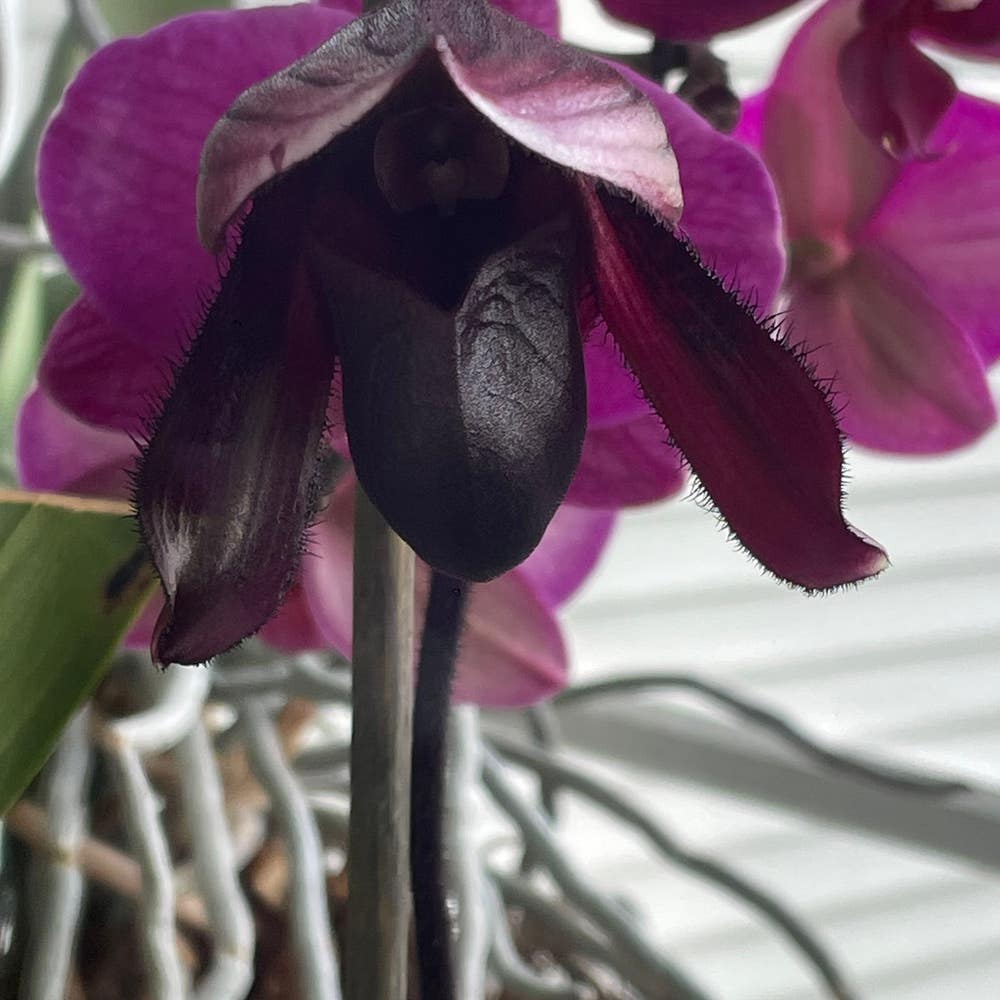
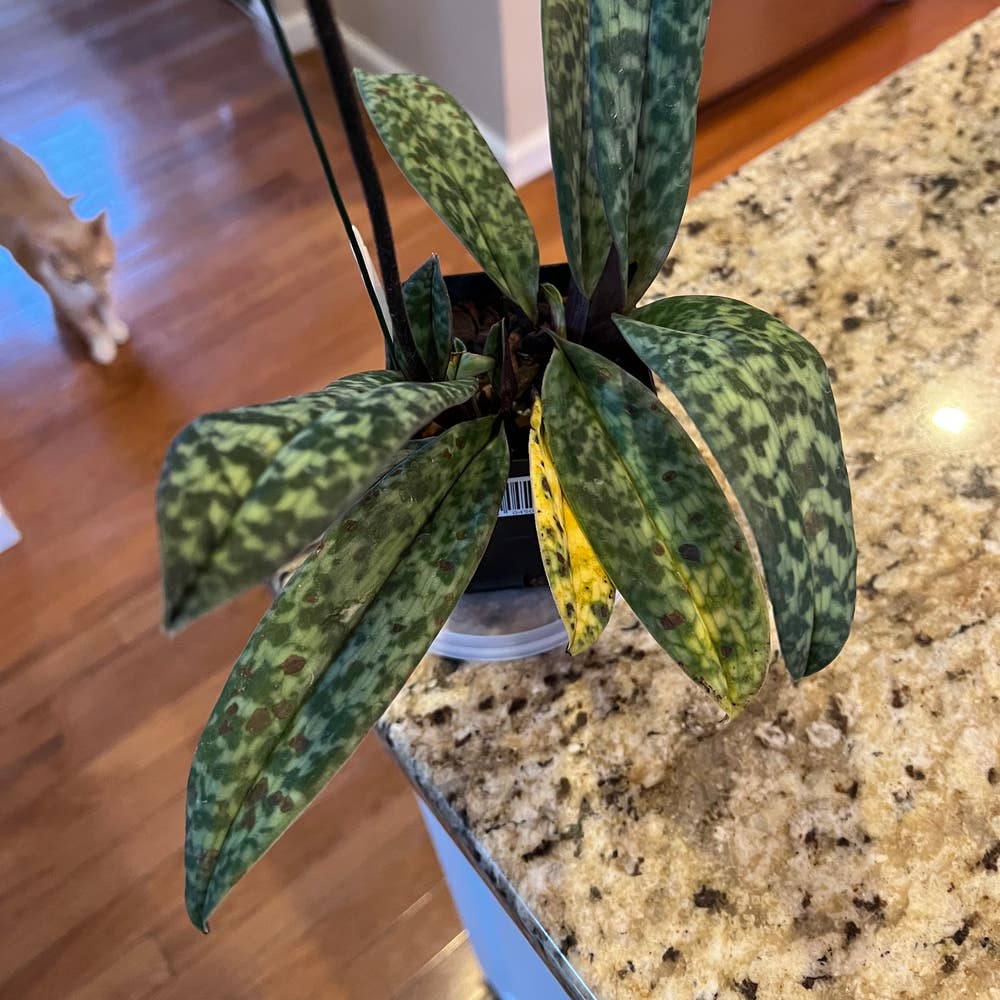
🌸 9 Ideal Locations to Plant Callous Paphiopedilum
Paphiopedilum callosum
By the Greg Editorial Team
Sep 29, 2024•4 min read
This article was created with the help of AI so we can cover more plants for you. May contain errors. See one? Report it here.
Master the sunlight secrets 🌞 for thriving Callous Paphiopedilum orchids and enjoy vibrant blooms all year round!
- 🌞 Callous Paphiopedilum thrives in filtered light, ideally 50-70% shade for optimal growth.
- 🌳 Morning sunlight reduces leaf burn, making it preferable for these delicate orchids.
- 🌿 Well-draining, organic-rich soil is essential for healthy roots and vibrant blooms.
Sunlight Exposure Requirements
Ideal Sunlight Exposure 🌤️
Callous Paphiopedilum thrives in filtered light or partial shade. Aim for light levels of 50-70% shade to keep those delicate leaves safe from the harshness of direct sunlight.
Assessing Sunlight in Different Locations 🌅
When considering sunlight exposure, morning sun is your best friend. It’s gentler and helps the plant flourish without the risk of leaf burn that afternoon sun can bring.
Using a shade cloth can be a game-changer in outdoor settings. It diffuses harsh sunlight, creating a more suitable environment for your Paphiopedilum to thrive.
Understanding these sunlight requirements is crucial for your plant's health. With the right exposure, you’ll set the stage for vibrant blooms and robust growth.
Next, let’s explore how shade tolerance and preferences can further enhance your planting strategy.
Shade Tolerance and Preferences
Identifying Suitable Shaded Areas 🌳
Finding the right shaded areas for your Callous Paphiopedilum is crucial for their health. These orchids thrive in understory planting, which means they flourish beneath taller plants or trees that provide a natural canopy.
For indoor settings, position them near east-facing windows. This location offers bright, indirect light, perfect for keeping your orchids happy and healthy. Well-lit rooms with filtered light also work wonders, ensuring your plants receive the gentle illumination they crave.
Benefits of Shaded Environments ☁️
Shaded environments not only protect your orchids from harsh sunlight but also help maintain consistent moisture levels. This is essential for preventing stress and promoting vibrant blooms.
Additionally, shaded areas often have higher humidity, which is beneficial for the delicate roots of Callous Paphiopedilum. By choosing the right location, you set the stage for thriving, beautiful orchids.
Practical Tips for Plant Placement 🪴
- Understory Planting: Look for spots beneath larger plants that can shield your orchids from direct sun.
- Indoor Light: Ensure your indoor orchids are close to windows but shielded from the harsh afternoon rays.
By understanding and implementing these shade preferences, you can create an ideal environment for your Callous Paphiopedilum. This thoughtful approach will lead to healthier plants and more stunning blooms.
As you consider these shaded areas, let’s move on to the next important aspect: soil conditions.
Soil Conditions
Ideal Soil Types 🌱
For Callous Paphiopedilum, the right soil is crucial. Aim for well-draining, organic-rich soil with a slightly acidic pH, ideally between 5.5 and 6.5.
A recommended soil mix includes bark, sphagnum moss, and perlite. This combination ensures proper aeration and drainage, which are vital for healthy root development.
Testing Soil Conditions 🔍
Before planting, conduct a soil drainage test. This step is essential to confirm that water drains quickly, preventing root rot, which can be detrimental to your plant's health.
If your soil needs improvement, consider incorporating organic matter. This addition enhances soil structure and provides essential nutrients for your Paphiopedilum.
Understanding soil conditions is key to successful growth. With the right mix and proper testing, your plants will thrive in their chosen environment.
Next, let’s explore how to select the best site for your Callous Paphiopedilum, ensuring they have the ideal conditions for growth.
Site Selection
Assessing Proximity to Other Plants 🌱
When selecting a site for your Callous Paphiopedilum, consider the presence of companion plants. These plants can provide beneficial shade without competing for nutrients, creating a harmonious environment.
Ensure you avoid overcrowding. Adequate space allows for air circulation and growth, which is crucial for the health of your orchids.
Wind Protection Strategies 🌬️
Wind protection is vital for the delicate flowers and foliage of your orchids. Strong winds can cause significant damage, so it's essential to choose a sheltered location.
One effective method is to plant near windbreaks, such as fences or taller plants. This strategy not only protects your orchids but also enhances their overall growth and vitality.
In summary, thoughtful site selection can significantly impact the health and beauty of your Callous Paphiopedilum. By considering plant proximity and wind protection, you set the stage for thriving orchids. Next, let’s explore the ideal soil conditions for these stunning plants.
Indoor vs. Outdoor Planting
Best Indoor Locations 🌱
For growing Callous Paphiopedilum indoors, east-facing windows are your best bet. These spots provide bright, indirect light, which is crucial for healthy growth.
Humidity is another key factor. Consider using humidity trays or misting your plants regularly to maintain the moisture levels they thrive on.
Optimal Outdoor Spots 🌳
When planting outdoors, look for locations under trees or near structures that offer filtered light. This setup mimics their natural habitat, providing the right balance of light and shade.
Seasonal adjustments are also important. Be prepared to move your pots to shield them from extreme weather conditions, ensuring your orchids remain healthy and vibrant throughout the year.
With the right indoor and outdoor strategies, your Callous Paphiopedilum can flourish beautifully. Next, let’s explore the ideal soil conditions to support their growth.
⚠️ Safety First
This content is for general information and may contain errors, omissions, or outdated details. It is not medical, veterinary advice, or an endorsement of therapeutic claims.
Always consult a qualified healthcare professional before using any plant as food, medicine, or supplement.
Never eat any plant (or feed one to pets) without confirming its identity with at least two trusted sources.
If you suspect poisoning, call Poison Control (800) 222-1222, the Pet Poison Helpline (800) 213-6680, or your local emergency service immediately.
Spotted an error? Please report it here.
Create the perfect home for your Callous Paphiopedilum 🌿 with Greg's tailored care tips and reminders, ensuring your orchids flourish with vibrant blooms!