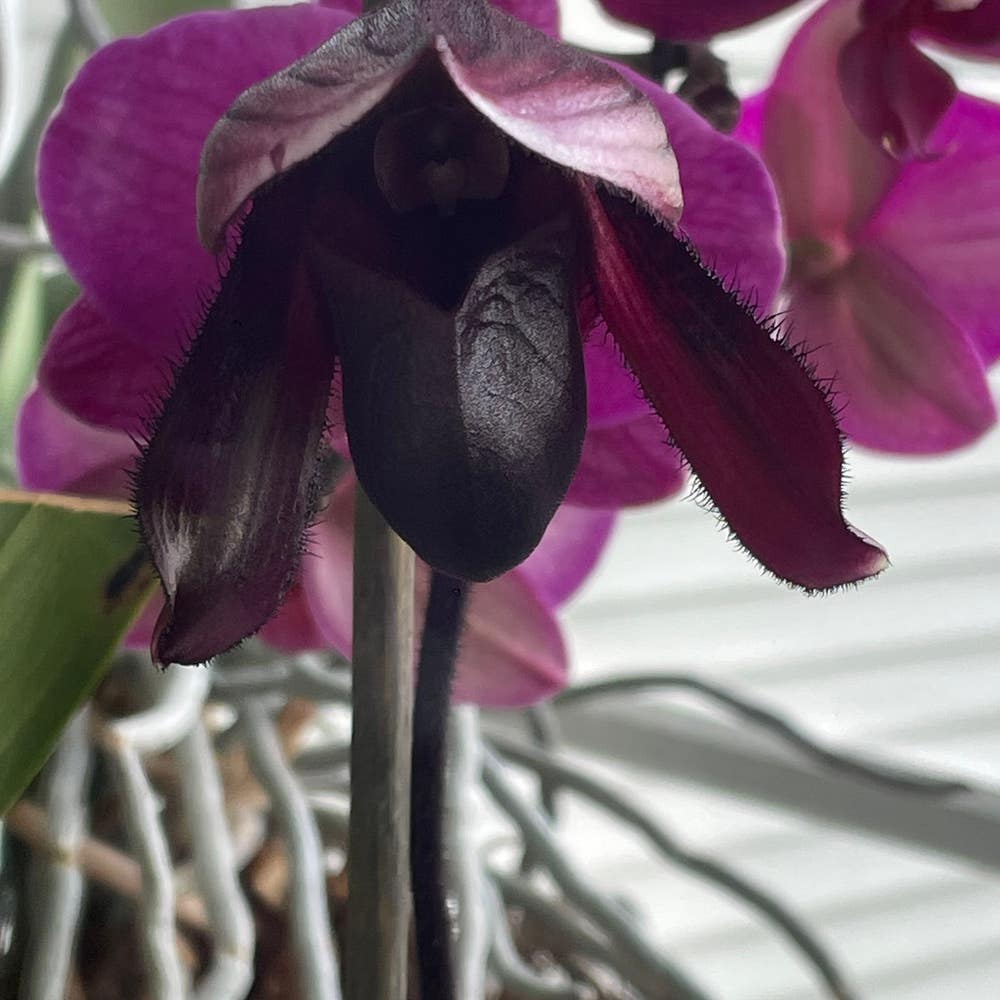
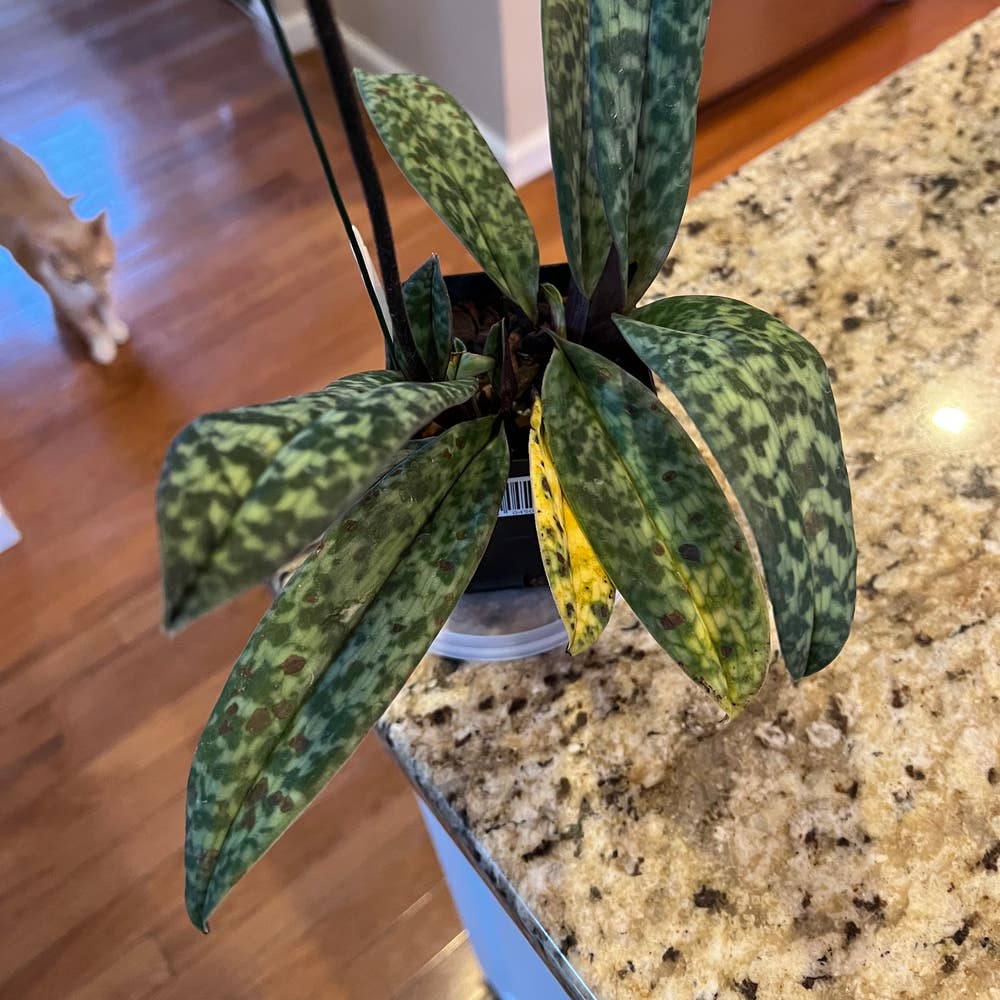
Top 3 Signs Your Callous Paphiopedilum is Stressed in Winter ❄️
Paphiopedilum callosum
By the Greg Editorial Team
Sep 29, 2024•4 min read
This article was created with the help of AI so we can cover more plants for you. May contain errors. See one? Report it here.
Ensure your Paphiopedilum survives winter's chill with essential care tips for thriving growth! ❄️🌱
- 💧 Water every 2-3 weeks in winter to prevent root rot in Paphiopedilum.
- 🌡️ Maintain 50-70% humidity and stable temperatures to reduce winter stress.
- 🌞 Provide indirect light to avoid leaf burn during shorter winter days.
Winter Care Requirements
🌊 Adjusting Watering Schedules for Winter
During winter, your Paphiopedilum needs less water. Aim to water every 2-3 weeks, adjusting based on humidity levels.
Overwatering can lead to root rot and yellowing leaves, so keep an eye out for these signs. To check moisture levels, use a moisture meter or simply stick your finger into the soil.
🥦 Fertilizing Needs During Dormancy
In winter, it's best to reduce or eliminate fertilization. Your plant is in a dormant phase, so low-nitrogen options or organic fertilizers are ideal when you do feed.
Timing is crucial; only fertilize when you notice signs of active growth. This ensures your plant gets the nutrients it needs without overwhelming it.
💧 Importance of Humidity Levels in Winter
Humidity plays a vital role in your plant's health during winter. Aim for a humidity range of 50-70% for optimal growth.
To maintain this humidity, consider using humidity trays, misting, or even a humidifier. Watch for signs of low humidity, like leaf curling and browning tips, as these indicate your plant is struggling.
By keeping these winter care requirements in mind, you can help your Paphiopedilum thrive even in the cold months. Next, let’s explore how to protect your plant from frost.
Protection from Frost
Best Practices for Frost Protection ❄️
To keep your Paphiopedilum thriving during winter, maintain a temperature range of 15°C to 25°C (59°F to 77°F). Using frost cloths or blankets can effectively shield outdoor plants from harsh conditions.
Avoiding sudden temperature changes is crucial. Gradual acclimatization helps your plant adjust without stress.
Indoor vs. Outdoor Care Considerations 🏡
For indoor care, ensure stable temperatures and steer clear of drafts. This stability is vital for your plant's health during the colder months.
If your Paphiopedilum is outdoors, consider relocating pots to sheltered areas or bringing them inside during cold snaps. Always keep an eye on local weather forecasts for frost warnings.
Signs of Frost Damage and Recovery Methods 🚑
Identifying frost damage is key; look for blackened or mushy leaves and stems. These signs indicate your plant needs immediate attention.
Recovery methods include trimming away damaged parts and adjusting care practices. Remember, patience is essential—allow your plant the time it needs to bounce back.
As you navigate frost protection, keep in mind the importance of consistent care. This will set the stage for a healthy transition into spring.
Indoor Winter Care
Optimal Indoor Temperature and Light Conditions 🌡️
Maintaining the right indoor temperature is crucial for your Paphiopedilum during winter. Aim for a cozy range of 18°C to 24°C (65°F to 75°F) to keep your plant thriving.
Light is equally important. Provide indirect light to prevent leaf burn, especially during those shorter winter days. If natural light is scarce, consider using grow lights to supplement.
Placement Strategies for Winter Care 🪴
Choosing the right spot for your plant can make all the difference. Position your Paphiopedilum near east or west-facing windows to maximize light exposure.
Avoid placing it near heating vents or cold drafts, as these can stress the plant. Don’t forget to rotate your plant regularly to ensure even light distribution on all sides.
Monitoring Humidity and Air Circulation 💨
Humidity and air circulation are key players in your plant's health. Good air circulation helps prevent mold and mildew, which can be detrimental.
To enhance air flow, use fans or briefly open windows. Regularly check humidity levels with a hygrometer to ensure your plant is comfortable and thriving.
As you care for your Paphiopedilum indoors this winter, keep an eye on its needs. With the right conditions, your plant will be well on its way to a vibrant spring.
Spring Preparation and Recovery
🌱 Signs of Recovery from Winter Stress
As winter fades, look for signs that your Paphiopedilum is bouncing back. New growth, vibrant green leaves, and an overall boost in vigor indicate your plant is recovering well.
Patience is key during this phase. Continue providing care and keep an eye out for any lingering stress signs, such as wilting or discoloration.
🌼 Preparing for Spring Growth
With rising temperatures, it's time to adjust your watering and fertilizing schedules. Increase the frequency of watering as the plant begins to actively grow again.
If your Paphiopedilum is root-bound, consider repotting. Signs include roots growing out of the drainage holes or a stunted growth pattern.
☀️ Transitioning Care as Temperatures Rise
As days lengthen, gradually increase light exposure for your plant. This helps it acclimate to the brighter conditions of spring.
Adjust humidity and watering frequency based on the changing weather. Observing your plant's behavior will guide you in making necessary adjustments to its care.
By staying attentive and responsive, you can ensure your Paphiopedilum thrives as it transitions into the vibrant growth of spring.
⚠️ Safety First
This content is for general information and may contain errors, omissions, or outdated details. It is not medical, veterinary advice, or an endorsement of therapeutic claims.
Always consult a qualified healthcare professional before using any plant as food, medicine, or supplement.
Never eat any plant (or feed one to pets) without confirming its identity with at least two trusted sources.
If you suspect poisoning, call Poison Control (800) 222-1222, the Pet Poison Helpline (800) 213-6680, or your local emergency service immediately.
Spotted an error? Please report it here.
Keep your Callous Paphiopedilum thriving this winter ❄️ by using Greg for tailored care reminders that help you adjust watering and humidity, ensuring your plant bounces back beautifully in spring!