🌞 Does My Paphiopedilum callosum Need Direct Sunlight?
Paphiopedilum callosum
By the Greg Editorial Team
Mar 21, 2024•4 min read
This article was created with the help of AI so we can cover more plants for you. May contain errors. See one? Report it here.
Nurture your Paphiopedilum callosum to perfection 🌿 by decoding its ideal light exposure!
- 🌿 Indirect sunlight mimics orchid's natural habitat, avoiding sunburn.
- 🌞 East-facing windows are best; south-facing can scorch leaves.
- 🌤️ Use sheer curtains or grow lights to manage light exposure.
Sunlight and the Paphiopedilum callosum: A Delicate Dance
🌞 Defining Sunlight for the Paphiopedilum callosum
Direct sunlight for the Paphiopedilum callosum is like a rich dessert—best in moderation. These orchids enjoy a light meal, not a feast of unfiltered sunbeams that can turn their leaves from lush to leather. The goal is to mimic the dappled light of their natural forest floors, not the full glare of a tropical midday sun.
Indirect sunlight is the sweet spot, where rays are softened through a curtain or bounced off a wall. It's the kind of light that doesn't cast sharp shadows but still offers enough energy for your orchid to photosynthesize effectively.
🌅 The Orchid's Verdict on Direct Sunlight
Can Paphiopedilum callosum handle direct sunlight? Sure, in the same way we can walk on hot coals—it's possible, but why risk the burn? These orchids are not sun worshippers by nature; they prefer the shade of larger plants in their native Southeast Asian rainforests.
Understanding this, it's clear that direct sunlight is a no-go for extended periods. If your orchid's leaves start looking like they've been on a tanning bed, you've gone too far. Aim for bright, indirect light, and watch for a happy medium in leaf color—a deep, healthy green without the red flags of sun stress.
Position Matters: Where to Place Your Paphiopedilum callosum
🌞 The Window Direction Dilemma
Deciphering the window orientation for your Paphiopedilum callosum is like setting the stage for a top-notch performance. South-facing windows may seem like the VIP section for plants, but they're a no-go zone for this orchid. It's like putting a vampire in a tanning bed—just don't.
East-facing windows are your best bet, offering a gentle morning light that won't scorch the delicate leaves. Think of it as a softbox in a photographer's studio—it's all about flattering the subject. West-facing windows can work, but they're like a surprise heatwave—handle with care and maybe some shade.
🌍 Hemisphere Highlights
Your spot on the globe flips the script on your orchid's sunbathing routine. In the Northern Hemisphere, south-facing windows are the main stage for sunlight, but remember, your Paphiopedilum callosum isn't auditioning for a sunburn contest. It prefers the understated elegance of indirect light.
If you're down under in the Southern Hemisphere, north-facing windows are the chill-out zones. They offer a consistent but modest light that won't overwhelm your plant. It's like finding that sweet spot in the room where the Wi-Fi signal is just right—not too strong, not too weak.
Remember, the sun's angle changes with the seasons, so be prepared to shuffle your plant around. It's not being needy; it's just asking for a little seasonal accommodation. Keep an eye out for signs of stress, and don't be afraid to move your orchid to its happy place.
Crafting the Perfect Light Environment
🕶️ Dodging the Direct Rays
Creating the ideal light conditions for your Paphiopedilum callosum doesn't mean turning your home into a solarium. Sheer curtains are your new best friends, diffusing that harsh daylight into a gentle glow your orchid will adore. Think of it as putting sunglasses on your plant—protective yet stylish.
Rotate your orchid occasionally to ensure it gets an even tan—no one wants a lopsided plant. And remember, as the seasons change, so does the sun's angle. Stay on your toes and adjust accordingly.
💡 When the Sun Doesn't Shine
On those gloomy days when the sun plays hide and seek, don't let your Paphiopedilum callosum suffer in the shadows. Grow lights can be a game-changer, offering a steady stream of faux sunshine to keep your orchid beaming.
But don't get carried away; your orchid isn't looking to hit the tanning bed. Position the lights a safe distance away to avoid scorching its delicate leaves. And yes, even artificial lights need a break—use a timer to mimic the natural rhythm of day and night. Your orchid's internal clock will thank you.
Monitoring and Adjusting: Keeping Your Orchid Happy
🌞 Signs Your Paphiopedilum callosum is Getting Too Much Sun
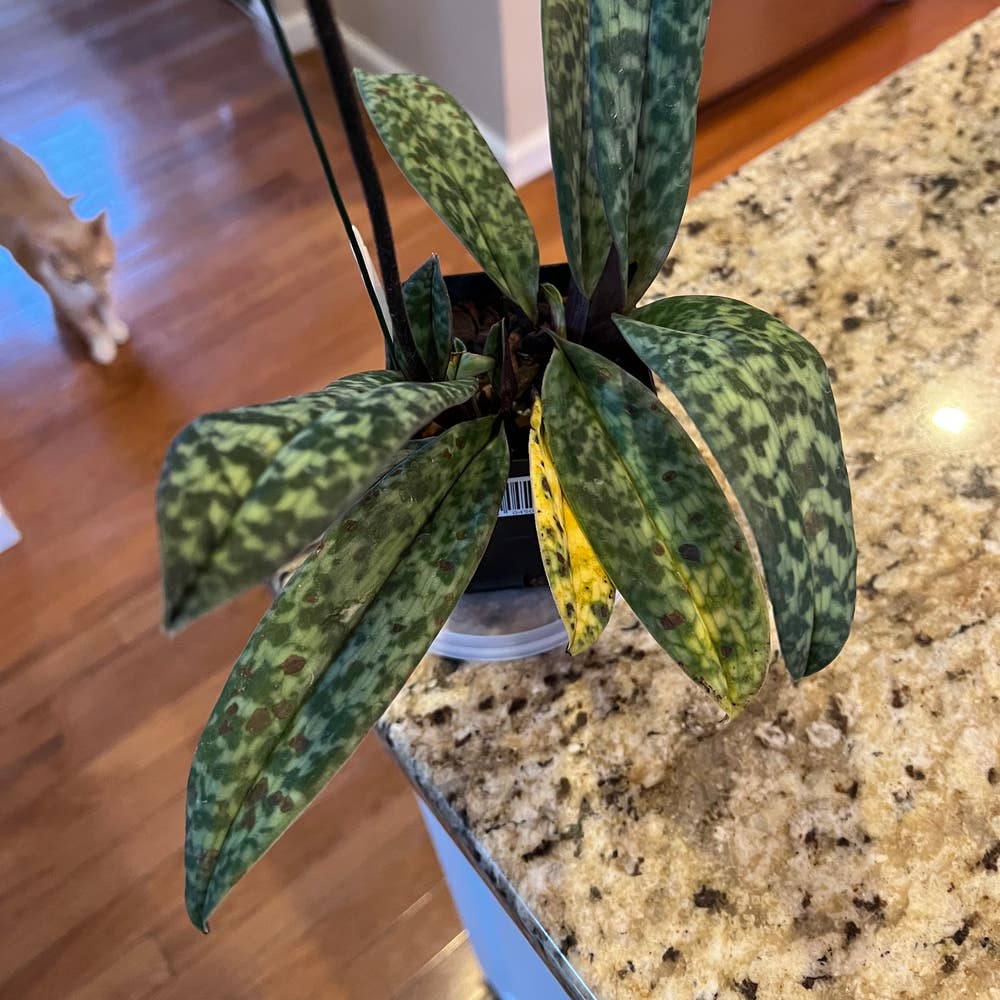
Yellowing leaves are the orchid's white flag of surrender to excessive sunlight. If you spot crispy edges, it's a clear sign to retreat from the light. Discoloration, such as bleached or red-hued leaves, screams sunburn. And when flowers start dropping like flies or display a splotchy tan, it's an SOS.
Making the Right Moves
Immediate relocation is key when your Paphiopedilum callosum shows signs of sun stress. Aim for an east-facing window where morning light is gentle and forgiving. Consistency is your friend; once you find the sweet spot, stick to it like glue. If your orchid's leaves are burnt, snip sparingly—only the worst offenders. Remember, orchids are creatures of habit; they thrive on stability, so avoid rapid changes in their environment.
⚠️ Safety First
This content is for general information and may contain errors, omissions, or outdated details. It is not medical, veterinary advice, or an endorsement of therapeutic claims.
Always consult a qualified healthcare professional before using any plant as food, medicine, or supplement.
Never eat any plant (or feed one to pets) without confirming its identity with at least two trusted sources.
If you suspect poisoning, call Poison Control (800) 222-1222, the Pet Poison Helpline (800) 213-6680, or your local emergency service immediately.
Spotted an error? Please report it here.
Let Greg guide your Paphiopedilum callosum to flourish under perfect lighting 🌤, avoiding direct sun while ensuring the dappled glow they adore, right in your home.