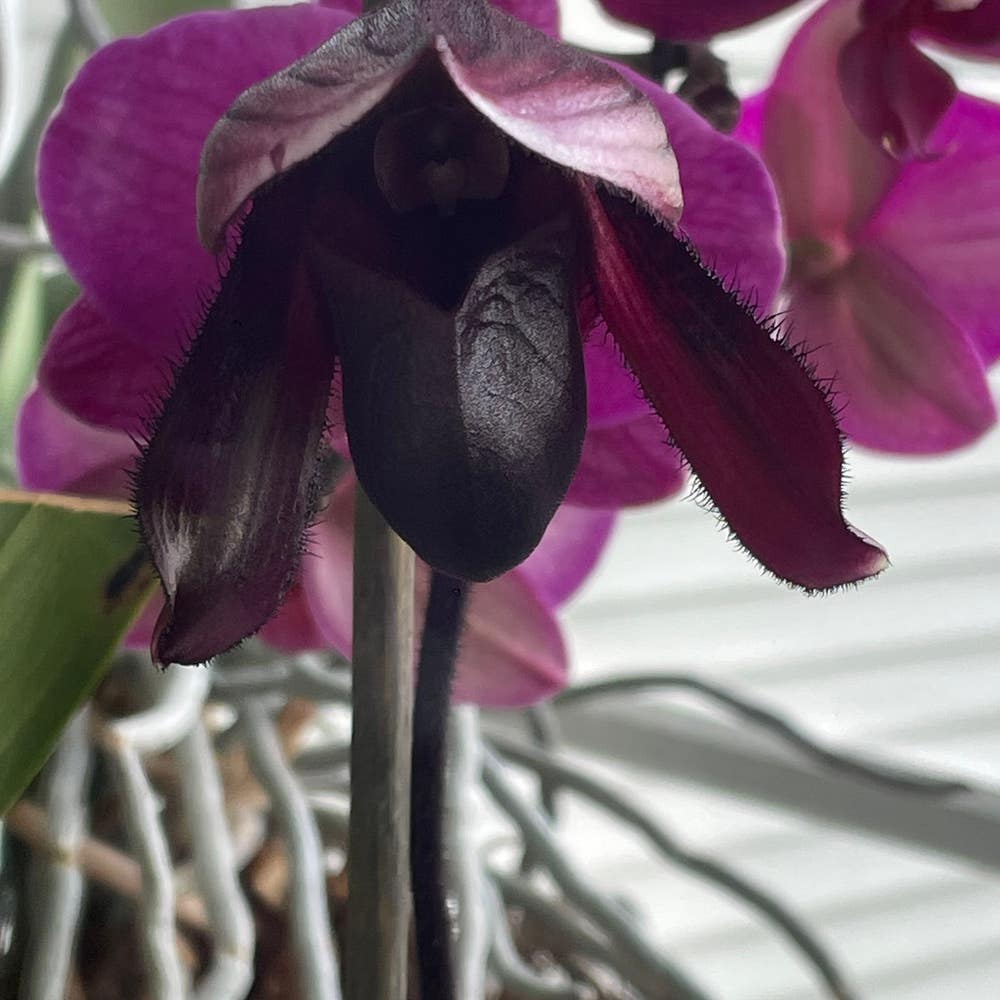
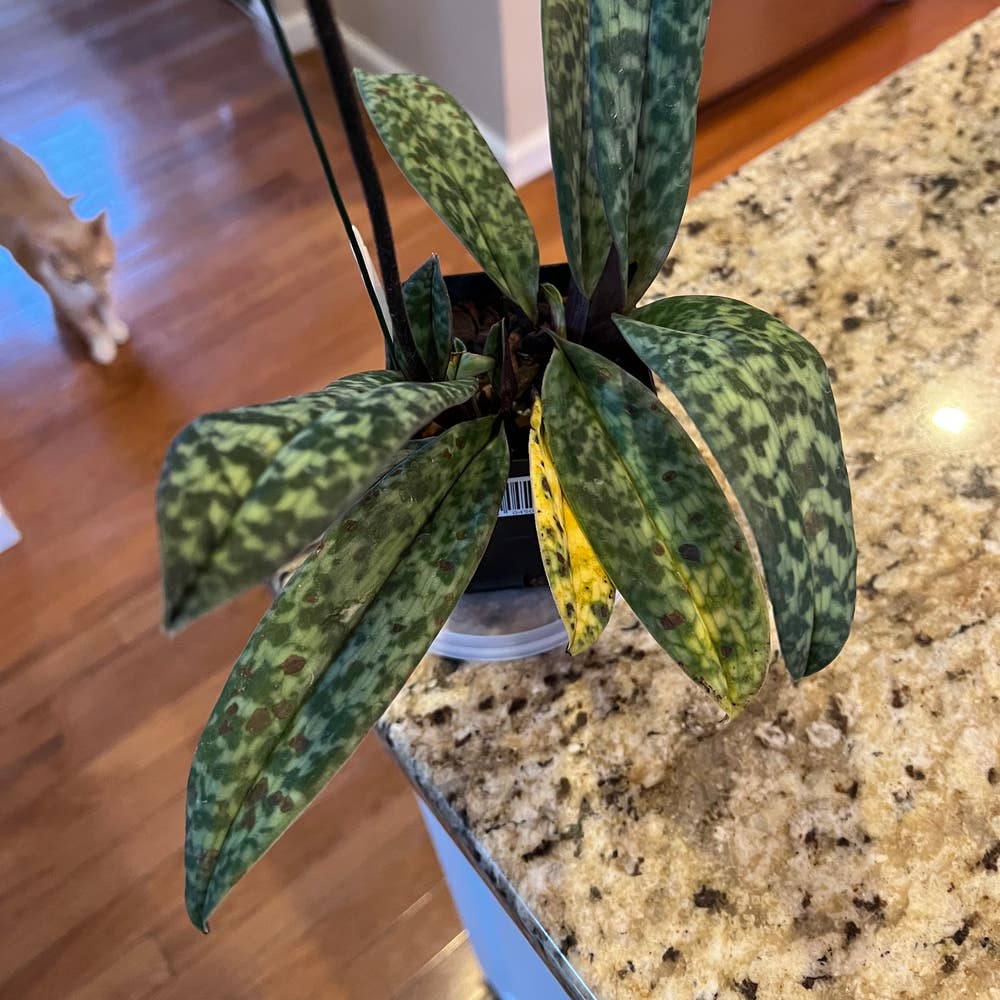
Am I Starving My Paphiopedilum callosum? Fertilizing 101
Paphiopedilum callosum
By the Greg Editorial Team
Mar 21, 2024•4 min read
This article was created with the help of AI so we can cover more plants for you. May contain errors. See one? Report it here.
Avoid starving or overfeeding your Paphiopedilum callosum 🌿 with this crucial fertilizing 101 guide.
- 🌱 Timing is key: Seasonal and growth stage strategies are essential.
- Liquid vs. slow-release fertilizers: Choose based on your plant's needs.
- Avoid over/underfeeding: Recognize symptoms and correct fertilization issues.
Timing is Everything: When to Fertilize Your Paphiopedilum callosum
🌱 Seasonal Fertilization Strategies
🌸 Spring Awakening: Gearing Up for Growth
As winter thaws, your Paphiopedilum callosum is itching to grow. Spring is the signal to start fertilizing, as your plant emerges from its winter snooze. Begin your fertilization routine when you spot new growth, usually around March. This is your plant's version of a morning coffee, so make it count.
☀️ Summer Loving: Maintaining Momentum
Summer is when your Paphiopedilum callosum hits its stride, flaunting its foliage. Keep the fertilization consistent, akin to a steady diet of nutrients to support its vibrant display. Think of it as the plant's marathon season; regular nutrient boosts are its hydration stations.
🍂 Fall and Winter: Easing on the Nutrients
When the days shorten, your Paphiopedilum callosum starts to wind down. Fall is the time to reduce fertilization frequency, preparing the plant for its winter rest. By winter, it's time to ease off completely, giving your plant a well-deserved break. It's like the plant's holiday season, where it's all about relaxing and conserving energy.
Growth Stage Considerations
🌱 Seedling Stage: The Early Days
For the young Paphiopedilum callosum, less is more. Hold off on fertilizers until you see a burst of growth. Start with a half-strength water-soluble fertilizer every other week. It's like training wheels for your plant's burgeoning life.
🌼 Mature Plant: Maintaining a Blooming Cycle
Once mature, your Paphiopedilum callosum craves a more robust diet to maintain its blooming cycle. A balanced liquid fertilizer once a month during the growing season will do the trick. But remember, overdoing it can lead to all leaves and no blooms. It's about hitting that sweet spot where your plant gets just enough to thrive without going overboard.
Choosing the Right Food: Fertilizer Options and N-P-K Ratios
💧 Liquid Gold: Using Liquid Fertilizers
Liquid fertilizers are the mixologists of plant nutrition, offering precision in feeding. To prevent nutrient overload, dilute liquid fertilizers to half-strength. This is akin to crafting a light cocktail for your Paphiopedilum callosum, gentle yet effective.
🐢 Slow and Steady: The Role of Slow-Release Fertilizers
Slow-release fertilizers are the marathon runners, providing a steady supply of nutrients over time. To use them effectively, incorporate granules into the soil at the base of your plant. This method ensures a consistent nutrient flow, reducing the need for frequent reapplication.
⚖️ Balancing Act: Understanding N-P-K Ratios
The N-P-K ratio is your plant's dietary blueprint. For Paphiopedilum callosum, a ratio like 10-6-4 supports robust growth. Nitrogen fuels foliage, phosphorus encourages roots, and potassium bolsters overall health. Adjust these ratios with the seasons for optimal performance.
Feeding Your Paphiopedilum callosum Without Overdoing It
💧 Application Techniques: How to Fertilize Properly
Fertilizing your Paphiopedilum callosum isn't rocket science, but it's not a free-for-all either. Dosage and frequency are your best friends here. Stick to a half-strength liquid fertilizer every two weeks in the growing season, or go even more conservative with a quarter strength at every watering.
Root health is paramount, so avoid the temptation to overdo it. Fertilizer burn is real, and those fleshy roots will not thank you for a chemical scorch. Monthly clear water flushes are non-negotiable; they're the detox your plant's roots crave to prevent nutrient buildup.
🚫 Common Fertilization Mistakes to Avoid
Over-enthusiasm can kill your plant's vibe. Too much love in the form of fertilizer leads to a buffet of problems, like root burn and leaf discoloration. Remember, you're aiming for a balanced diet, not an all-you-can-eat feast.
Underfeeding has its own set of red flags. If your Paphiopedilum callosum starts throwing a pity party with stunted growth and lackluster leaves, it might be time to reassess your feeding strategy. Keep an eye out for the signs, and adjust accordingly.
The Rescue Mission: Dealing with Over-Fertilization
🚨 Spotting Trouble: Recognizing Over-Fertilization Symptoms
Leaf discoloration, such as yellowing or browning tips, is a distress signal from your Paphiopedilum callosum. A white crust of salt on the soil's surface screams over-fertilization. If you notice stunted growth or a lack of blossoms, it's time to investigate the nutrient levels. Roots resembling a burnt twig or leaves dropping like flies also indicate you've crossed the line with fertilizer.
🏥 First Aid for Your Plant: Correcting Over-Fertilization
Stop fertilizing immediately to halt further damage. Gently remove any visible fertilizer crust from the soil's surface. Next, flush the soil with water to leach out the excess nutrients; repeat this every few days until you see improvement. Prune away the most damaged leaves to help your plant focus on healing. In severe cases, consider replacing the top layer of soil or repotting. Only resume fertilization when your plant shows signs of recovery, and even then, approach with a light hand.
⚠️ Safety First
This content is for general information and may contain errors, omissions, or outdated details. It is not medical, veterinary advice, or an endorsement of therapeutic claims.
Always consult a qualified healthcare professional before using any plant as food, medicine, or supplement.
Never eat any plant (or feed one to pets) without confirming its identity with at least two trusted sources.
If you suspect poisoning, call Poison Control (800) 222-1222, the Pet Poison Helpline (800) 213-6680, or your local emergency service immediately.
Spotted an error? Please report it here.
With Greg, you can perfectly time 🕒 your Paphiopedilum callosum's meals, ensuring it gets just the right amount of fertilizer when it needs it most.