What Does It Mean When Paphiopedilum callosum Blooms?
Paphiopedilum callosum
By the Greg Editorial Team
Mar 21, 2024•5 min read
This article was created with the help of AI so we can cover more plants for you. May contain errors. See one? Report it here.
Unlock the secret 🗝 to Paphiopedilum callosum's bloom and witness nature's spectacular show.
- 🌱 Early bloom indicators: Look for the unique flower spike.
- 🌡️💧 Perfect blooming conditions: Moderate light, cooler nights, balanced humidity.
- ✂️ Pruning and maintenance: Essential for health and preventing bloom failure.
When Paphiopedilum callosum Decides to Bloom
🌸 Spotting the Signs of an Impending Bloom
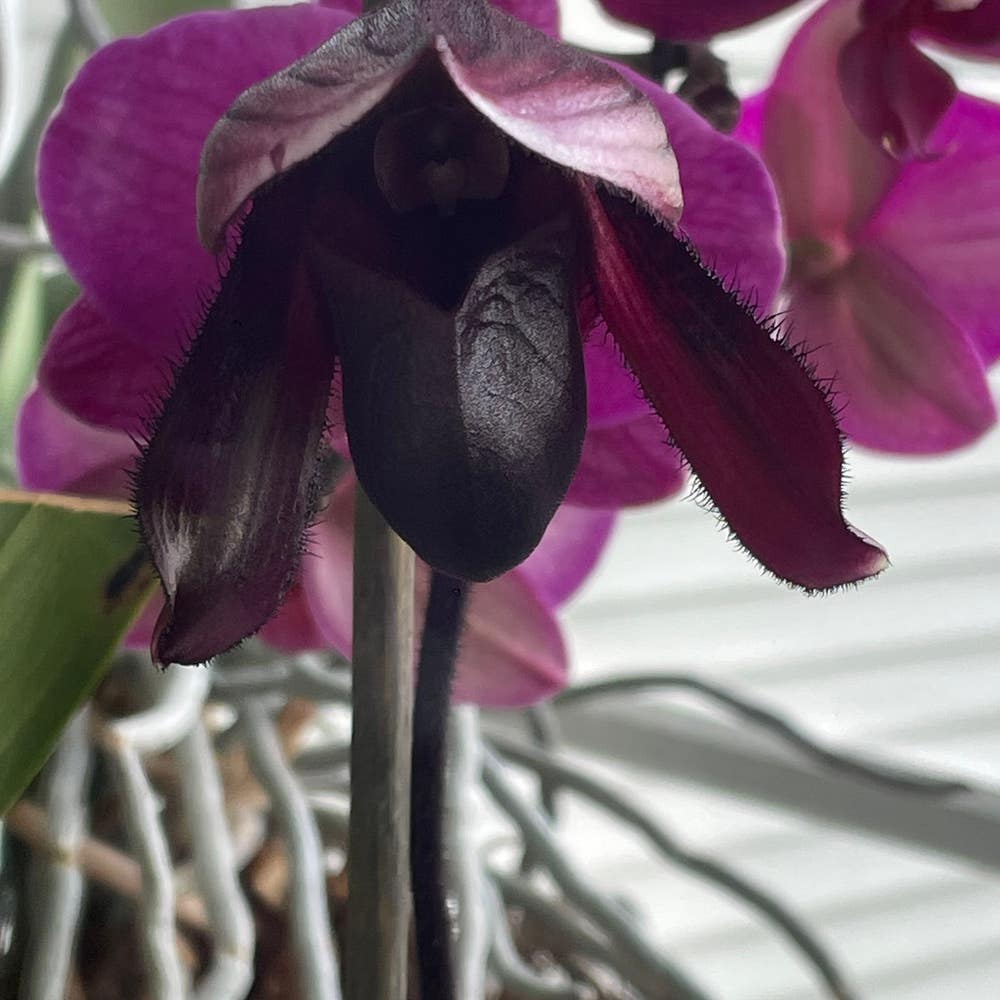
The anticipation of a Paphiopedilum callosum bloom can be likened to a backstage pass to nature's show. Early indicators include a new growth that's not quite leaf, not quite stem. It's the flower spike, and it's your green light that the orchid's gearing up for a floral spectacle.
The timeline from bud to bloom is a slow dance, not a sprint. Patience is key. Once you spot the spike, it can take weeks, sometimes months, for the bud to unfurl into the orchid's signature slipper-shaped flower.
🌟 The Perfect Conditions to Trigger Blooming
Light and temperature aren't just variables; they're the conductors of the blooming orchestra. Your Paphiopedilum callosum craves moderate light and a slight drop in nighttime temperature to set the stage for flowering.
Humidity plays a supporting role, too. It's the unsung hero that can make or break a bloom. Aim for that sweet spot—high enough to keep the plant happy but not so high that you're throwing a fungal fiesta.
Remember, these are living sculptures that demand the right ambiance to reveal their full glory. Fine-tune these elements, and you'll be rewarded with a bloom that's nothing short of a standing ovation.
Nurturing Your Orchid for Spectacular Blooms
💧 Feeding Your Flowering Friend
Balancing water and nutrients is crucial for your Paphiopedilum callosum's bloom health. It's like a high-wire act; too much or too little can lead to a lackluster display. Fertilizer types matter—organic or chemical, each has its place. Your orchid's not picky, but it craves consistency. Stick to a schedule that mimics its natural growth cycle: more nutrients during growth, less during bloom.
🌿 Orchid Spa Day: Pruning and Maintenance
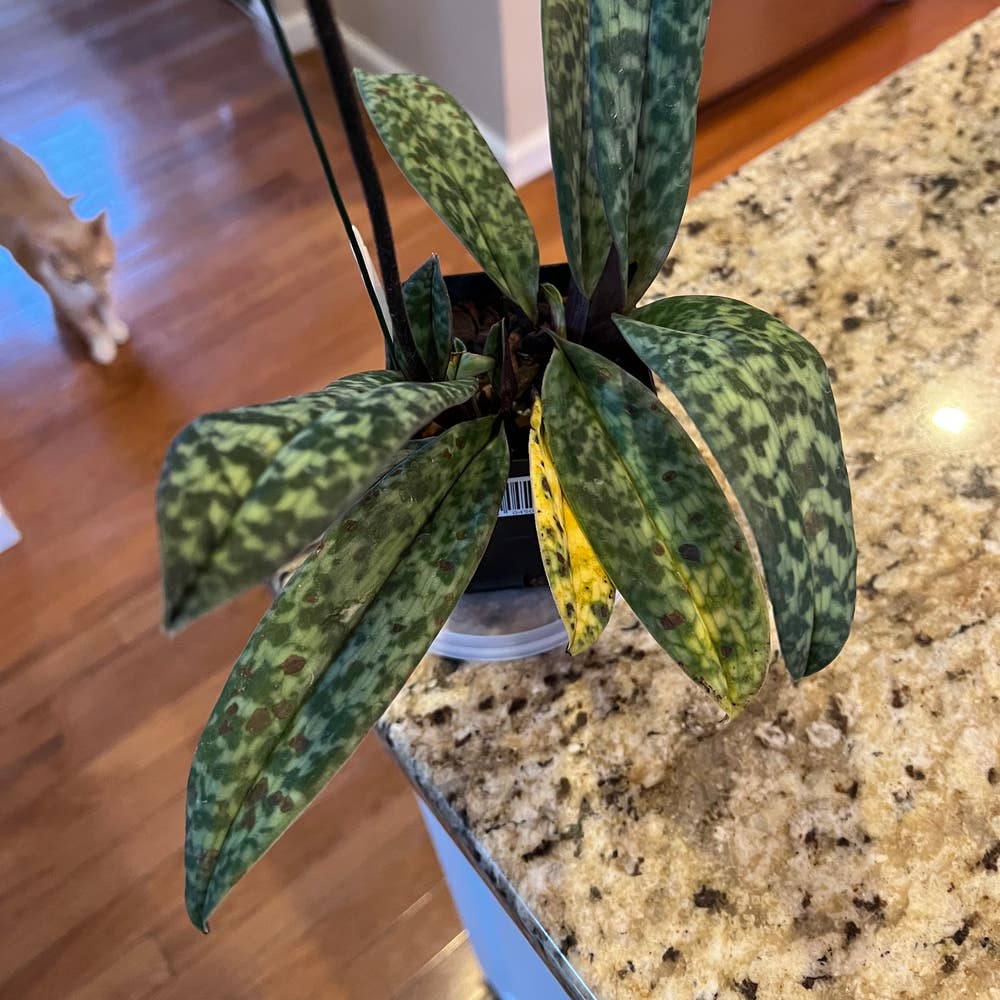
Pruning isn't just about snipping away the old; it's about encouraging new growth. Get rid of spent flowers and yellowing leaves to redirect your plant's energy. Cleanliness and airflow are your orchid's best friends—keep its environment pristine to prevent disease and pests. It's like setting the stage for an encore performance where the blooms are the star of the show.
The Art of Repotting for Blooms
🌱 Choosing the Right Home for Your Blooming Orchid
Selecting the optimal potting media and containers is crucial for your Paphiopedilum callosum's flowering success. Orchid bark provides excellent oxygenation and drainage, while sphagnum moss maintains hydration, especially beneficial in drier environments. Sometimes, a mix of both, along with other mediums, offers the best of both worlds.
Pot size matters; too large, and you risk soggy roots—a surefire bloom killer. Aim for a container just an inch larger than the current one to keep things cozy but not cramped. Remember, repotting is like moving house for your orchid—it needs to feel at home to put on a floral show.
🕰 Timing Your Repotting to Avoid Disrupting the Blooming Cycle
Repotting should be a post-bloom affair. This timing allows the orchid to settle into its new digs without the added stress of supporting blooms. Spring often heralds new growth, making it an ideal repotting season. But keep a keen eye on your orchid; if it's playing peek-a-boo with its roots out of the pot, it's time for a change.
When repotting, think of it as a spa day for your plant—refreshing and necessary, but not too frequent. Overzealous pot changes can do more harm than good. So, grab your potting media, a suitable pot, and give your orchid the gentle nudge it needs towards its next blooming cycle.
Blossom Busters: Why Isn't My Orchid Blooming?
🕵️ Investigating the Culprits Behind Bloom Failure
Orchid enthusiasts often face the mystery of a non-blooming Paphiopedilum callosum. Let's dive into the common issues and their fixes.
🌞 Light Lacking Luster
If your orchid is more shadow dweller than sunbather, you've found problem number one. Bright light is non-negotiable, but direct sunlight is a no-go. Think bright, indirect light to hit the sweet spot.
🌡️ Temperature Tantrums
These plants are picky about temperature. Too hot or too cold, and your orchid throws a fit. Aim for a day-night temperature difference; cooler nights can trigger blooming.
💦 Humidity Hurdles
Low humidity is a common oversight. Paphiopedilum callosum craves moist air. If your home is drier than a stand-up comedian's wit, consider a humidifier or a pebble tray.
🌱 Fertilizer Faux Pas
Using the wrong fertilizer can lead to lush leaves at the expense of blooms. During the growing season, opt for a bloom booster fertilizer high in phosphorus to encourage flowers.
🚰 Watering Woes
Overwatering can lead to root rot, while underwatering stresses the plant. Water thoroughly when the top inch of soil feels dry, and ensure proper drainage.
💨 Airflow Agony
Stagnant air invites fungal issues like botrytis, which can ruin blooms. Keep the air moving with a gentle fan or by placing your orchid in a well-ventilated area.
🌿 Potting Problems
A cramped pot can stifle your orchid's blooming potential. Repotting every couple of years in the right medium can make a world of difference. Choose a potting mix designed for orchids.
🐜 Pestering Pests
Insects love to snack on new growth. Inspect regularly and treat any infestations with insecticidal soap or neem oil to protect those precious buds.
🌱 Repotting Riddles
Repot with care. Orchids dislike change, so time your repotting to avoid disrupting the blooming cycle. The best time is just after flowering, when new growth appears.
By addressing these issues with a keen eye and a bit of TLC, your Paphiopedilum callosum should reward you with spectacular blooms.
⚠️ Safety First
This content is for general information and may contain errors, omissions, or outdated details. It is not medical, veterinary advice, or an endorsement of therapeutic claims.
Always consult a qualified healthcare professional before using any plant as food, medicine, or supplement.
Never eat any plant (or feed one to pets) without confirming its identity with at least two trusted sources.
If you suspect poisoning, call Poison Control (800) 222-1222, the Pet Poison Helpline (800) 213-6680, or your local emergency service immediately.
Spotted an error? Please report it here.
Watch your Paphiopedilum callosum bloom gracefully 🌱 with Greg's personalized care reminders that ensure the ideal balance of light, temperature, and humidity for your orchid's show-stopping moment.