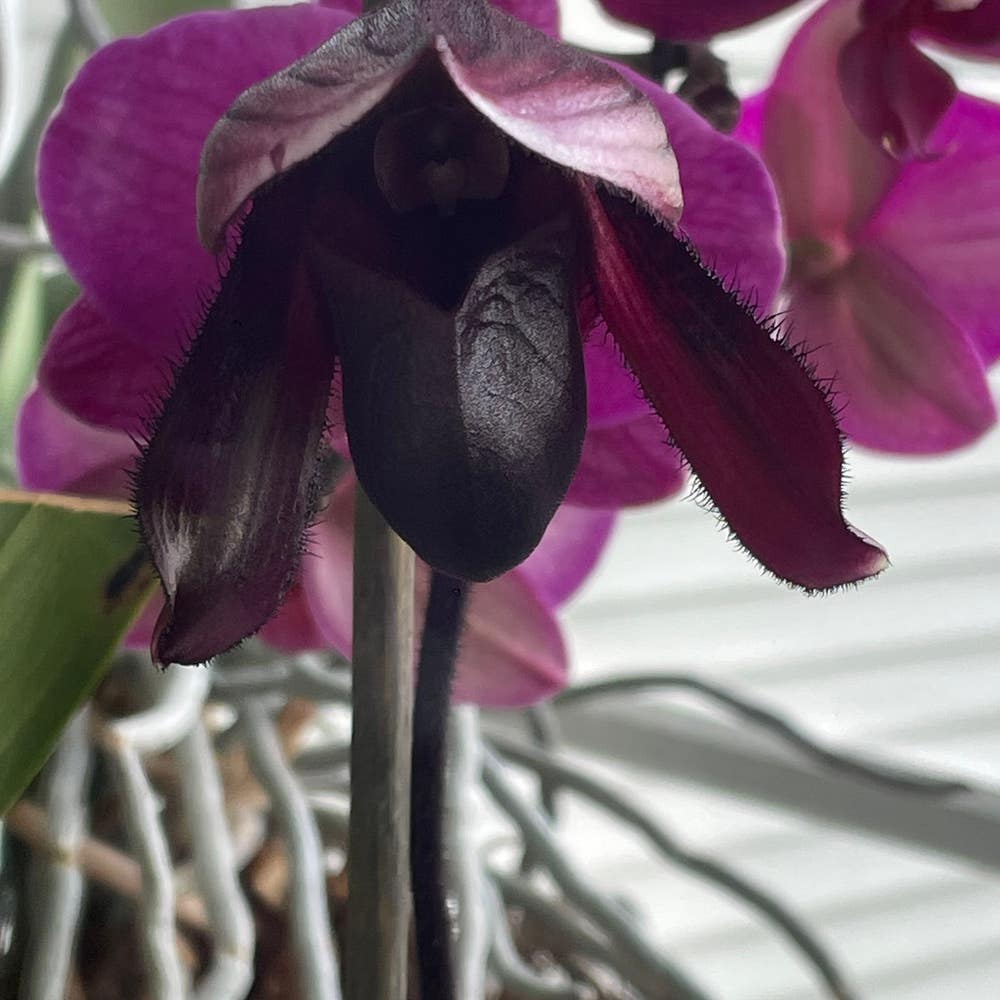
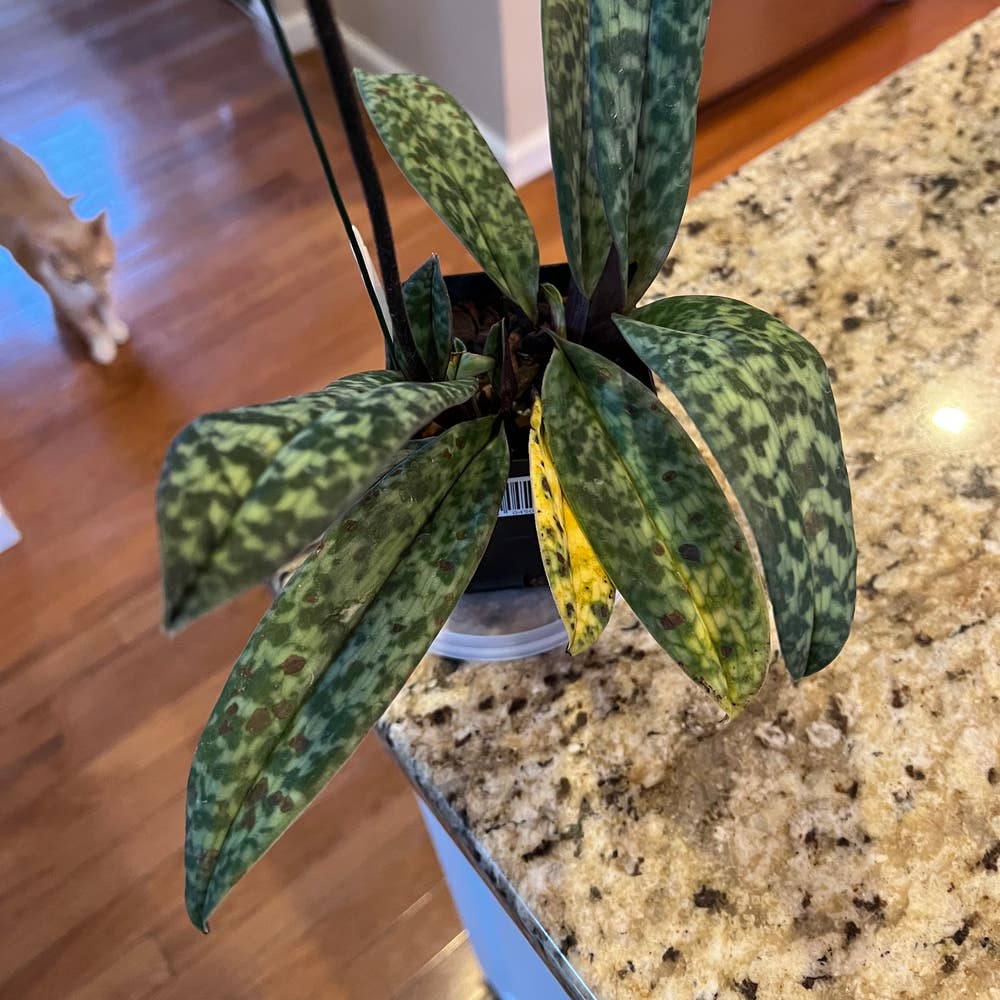
🌸 5 Tips for Healthy Callous Paphiopedilum Roots
Paphiopedilum callosum
By the Greg Editorial Team
Sep 29, 2024•6 min read
This article was created with the help of AI so we can cover more plants for you. May contain errors. See one? Report it here.
Master the art of caring for Callous Paphiopedilum roots 🌱 to ensure your orchids thrive and bloom beautifully! 🌸
- 🌱 Callous Paphiopedilum roots thrive in diverse moisture; avoid overwatering to prevent rot.
- 🌿 Healthy roots are vital for orchid growth; monitor for firmness and color.
- 🌼 Repot in spring if roots are visible or growth is stunted for optimal health.
Characteristics of the Root System
🌱 Type of Root System
Callous Paphiopedilum orchids feature a rhizomatous root system. This unique structure allows them to thrive in their natural habitats.
🌿 Specific Characteristics
These roots are shallow yet spread out, optimizing nutrient and water absorption. This design is crucial for their survival, especially in varying moisture conditions.
📏 Root Depth and Spread
Typical Root Depth
Typically, the roots grow within the top 6 inches of soil. This shallow depth helps them access surface moisture quickly.
Spread
The roots can extend laterally, requiring ample space for growth. This lateral spread is essential for maximizing nutrient uptake.
Growth Patterns
Roots adapt their growth patterns based on moisture and nutrient availability. They respond dynamically, ensuring the plant remains healthy and vibrant.
Understanding these characteristics is vital for providing the right care. With this knowledge, you can create an environment that supports robust root development, setting the stage for a thriving Callous Paphiopedilum.
Watering and Fertilizing Techniques
🌱 Impact of Root System on Watering Practices
Watering your Callous Paphiopedilum requires a delicate balance. It's crucial to allow the potting medium to dry slightly between waterings to prevent root rot.
Watch for signs of overwatering, such as yellowing leaves and mushy roots. These indicators can signal that your plant is not getting the care it needs.
🌿 Fertilizing Techniques for Root Health
Choosing the right fertilizer is essential for promoting healthy roots. Opt for balanced orchid fertilizers with appropriate NPK ratios to support growth.
During the growing season, fertilize monthly, but reduce frequency during dormancy. Always dilute the fertilizer and water thoroughly to avoid burning the roots.
By mastering these watering and fertilizing techniques, you set the stage for a thriving Callous Paphiopedilum. Next, let’s explore the best practices for transplanting and repotting your orchid.
Transplanting and Repotting
🌱 Best Practices for Transplanting
Transplanting your Callous Paphiopedilum is crucial for its health. The best time to do this is in spring or early summer, when the plant is actively growing.
Choosing the right potting medium is essential. Opt for a well-draining mix to prevent root rot and ensure healthy growth.
Follow these steps for a successful transplant:
- Remove the plant gently from its current pot. Take care not to damage the roots.
- Inspect and trim any damaged roots. Healthy roots are vital for the plant's recovery.
- Place in a new pot with fresh medium. Make sure the roots are spread out to encourage even growth.
🔍 Signs Indicating When to Repot
Knowing when to repot is just as important as knowing how. Look for these signs to determine if your plant needs a new home:
- Root visibility: If you see roots growing out of the drainage holes, it’s time to repot.
- Soil condition: Decomposed or compacted medium can hinder growth and water absorption.
- Plant health: Stunted growth or yellowing leaves often indicate that the plant is rootbound or needs fresh soil.
By keeping an eye on these indicators, you can ensure your Callous Paphiopedilum remains healthy and vibrant.
Next, let’s dive into common root-related issues that can affect your plant's well-being.
Common Root-Related Issues
Identifying Common Root Problems 🌱
Root Rot
Root rot is a serious issue for Callous Paphiopedilum plants. Symptoms include wilting, yellowing leaves, and a foul odor emanating from the roots.
The primary causes of root rot are overwatering and poor drainage. If you notice these signs, it’s crucial to act quickly to save your plant.
Pests
Pests can also wreak havoc on your orchid's roots. Common culprits include root aphids and mealybugs.
Signs of infestation often manifest as sticky residue on the leaves or visible pests clinging to the roots. Regular inspections can help catch these issues early.
Prevention and Solutions 🛡️
To keep your roots healthy, start with best practices. Use well-draining media to prevent water accumulation and avoid overwatering.
For treatment options, neem oil is effective against pests, while repotting can help address root rot. Always ensure your plant has the right conditions to thrive.
By staying vigilant and proactive, you can maintain the health of your Callous Paphiopedilum roots and enjoy a flourishing plant.
Next, we’ll explore how to identify indicators of root health, ensuring your orchid remains vibrant and strong.
Indicators of Root Health
👀 Visual Cues for Healthy vs. Unhealthy Roots
Healthy roots are a sight to behold. They should feel firm and showcase a vibrant white or greenish hue, indicating vitality and minimal damage.
In contrast, unhealthy roots present a stark warning. Look for brown, mushy, or shriveled appearances, which signal potential trouble beneath the surface.
📊 Other Indicators of Root Health
Beyond root appearance, overall plant vigor plays a crucial role. A thriving plant will exhibit robust growth and impressive flowering performance, reflecting the health of its root system.
Leaf condition also provides valuable insights. Healthy, lush leaves are a strong indicator of good root health, while yellowing or wilting leaves often point to underlying issues.
Understanding these indicators can empower you to take proactive steps in nurturing your Callous Paphiopedilum. By keeping a close eye on both roots and foliage, you can ensure your plant remains vibrant and flourishing.
Next, let’s explore how to recognize and address rootbound conditions, which can significantly impact your plant's health.
Recognizing and Addressing Rootbound Conditions
🌱 Definition and Recognition of Rootbound Conditions
Rootbound conditions occur when a plant's roots circle the pot, limiting their growth and nutrient absorption. You can spot a rootbound plant by observing stunted growth and roots that are visible at the surface.
🛠️ When and How to Address Rootbound Issues
Intervention is crucial when you notice growth stagnation or crowded roots.
- Gently remove the plant from the pot. This minimizes stress on the roots.
- Trim circling roots to encourage new growth. This step is vital for revitalizing the plant.
- Repot in a larger container with fresh medium. This gives the roots room to expand and thrive.
By addressing rootbound conditions promptly, you can ensure your Callous Paphiopedilum continues to flourish. Understanding these signs and actions will help maintain a healthy root system, setting the stage for vibrant growth and blooming.
Importance of Root Health in Propagation and Division
🌱 Role of Root Health in Successful Propagation
Healthy roots are crucial for successful orchid propagation. They provide the necessary nutrients and stability for new growth, ensuring your Callous Paphiopedilum thrives.
To maintain root integrity during propagation, handle the roots gently. Avoid excessive disturbance and ensure they remain moist but not soggy.
✂️ Dividing Callous Paphiopedilum
Dividing your Callous Paphiopedilum can rejuvenate the plant and promote healthy growth.
Best Practices for Division
- Timing: Aim to divide during active growth, typically in spring or early summer.
- Tools: Use clean, sharp tools to minimize damage to the roots.
- Steps for Division:
- Carefully remove the plant from its pot.
- Separate it into sections, ensuring each has healthy roots.
- Repot immediately in fresh, well-draining medium.
By following these practices, you can ensure a successful division that supports the health of both the parent plant and the new sections.
Understanding the importance of root health in propagation and division sets the stage for a thriving orchid collection. Next, let’s explore how to recognize and address rootbound conditions.
⚠️ Safety First
This content is for general information and may contain errors, omissions, or outdated details. It is not medical, veterinary advice, or an endorsement of therapeutic claims.
Always consult a qualified healthcare professional before using any plant as food, medicine, or supplement.
Never eat any plant (or feed one to pets) without confirming its identity with at least two trusted sources.
If you suspect poisoning, call Poison Control (800) 222-1222, the Pet Poison Helpline (800) 213-6680, or your local emergency service immediately.
Spotted an error? Please report it here.
Keep your Callous Paphiopedilum roots thriving 🌱 with Greg's tailored watering alerts and fertilization tips, ensuring your orchids bloom beautifully all season long!