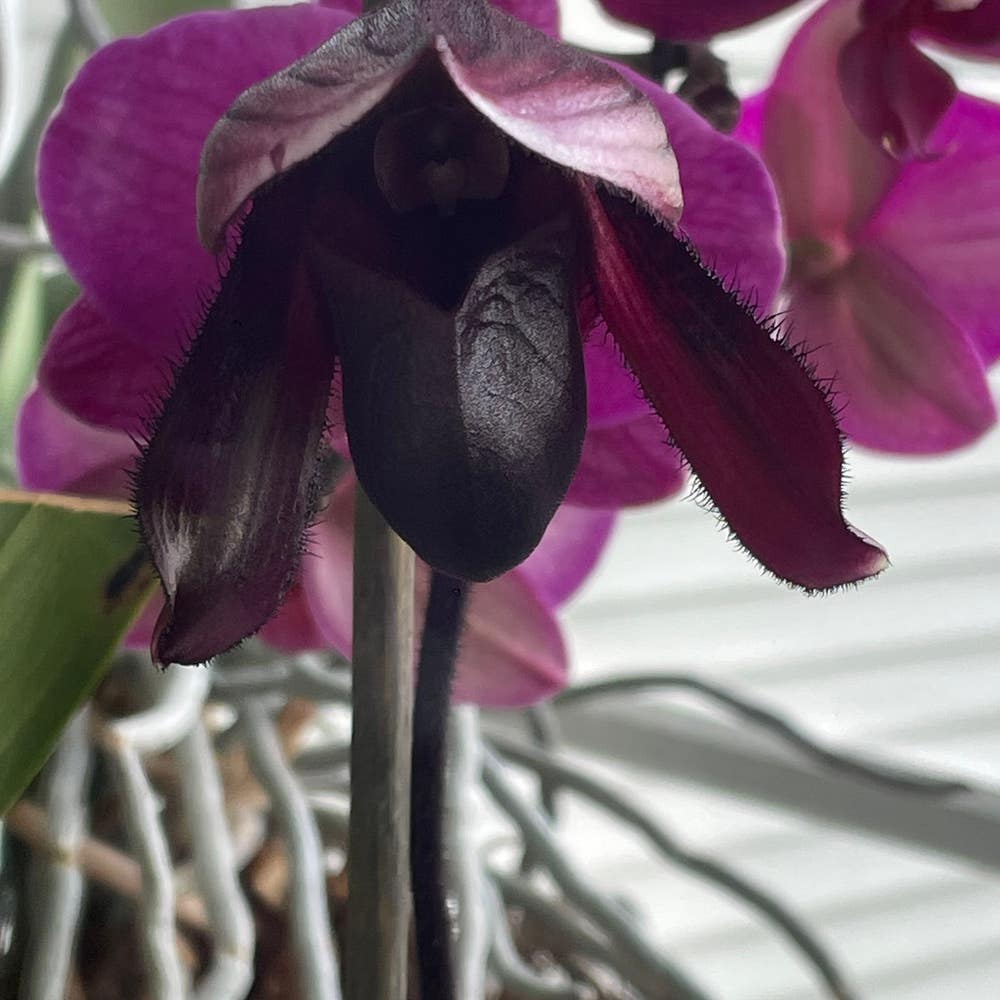
👠 How Should Paphiopedilum callosum Be Cut Back?
Paphiopedilum callosum
By the Greg Editorial Team
Mar 21, 2024•3 min read
This article was created with the help of AI so we can cover more plants for you. May contain errors. See one? Report it here.
Ensure vibrant blooms 🌸 and robust health for your Paphiopedilum callosum with these tailored pruning insights!
- Post-flowering pruning promotes future Paphiopedilum callosum blooms.
- Use sharp, sterilized tools for clean cuts and disease prevention.
- Monitor and adjust care post-pruning for healthy new growth.
Best Time to Get Snippy
🌸 Post-Bloom Period
Pruning after flowering is not just a suggestion, it's a commandment for Paphiopedilum callosum enthusiasts. This is when your orchid takes a breather and prepares for its next performance. Fading flowers are your green light to grab those shears.
🌷 Seasonal Considerations
Spring is more than just a season; it's a signal for pruning. Your orchid's in growth mode, so it's prime time for a trim. But if your plant's offbeat and blooming at odd times, you'll need to sync your snips with its unique rhythm. Dormancy? Hold off. Active growth? Go for it.
Making the Cut: Pruning Techniques
💐 Spent Flower Spikes
Identify the spent flower spikes by their faded color and lack of vitality. Snip them at the base, close to the main plant body, to promote future blooms. This is not just about aesthetics; it's about directing the plant's energy towards new growth.
🍂 Yellowing and Dead Leaves
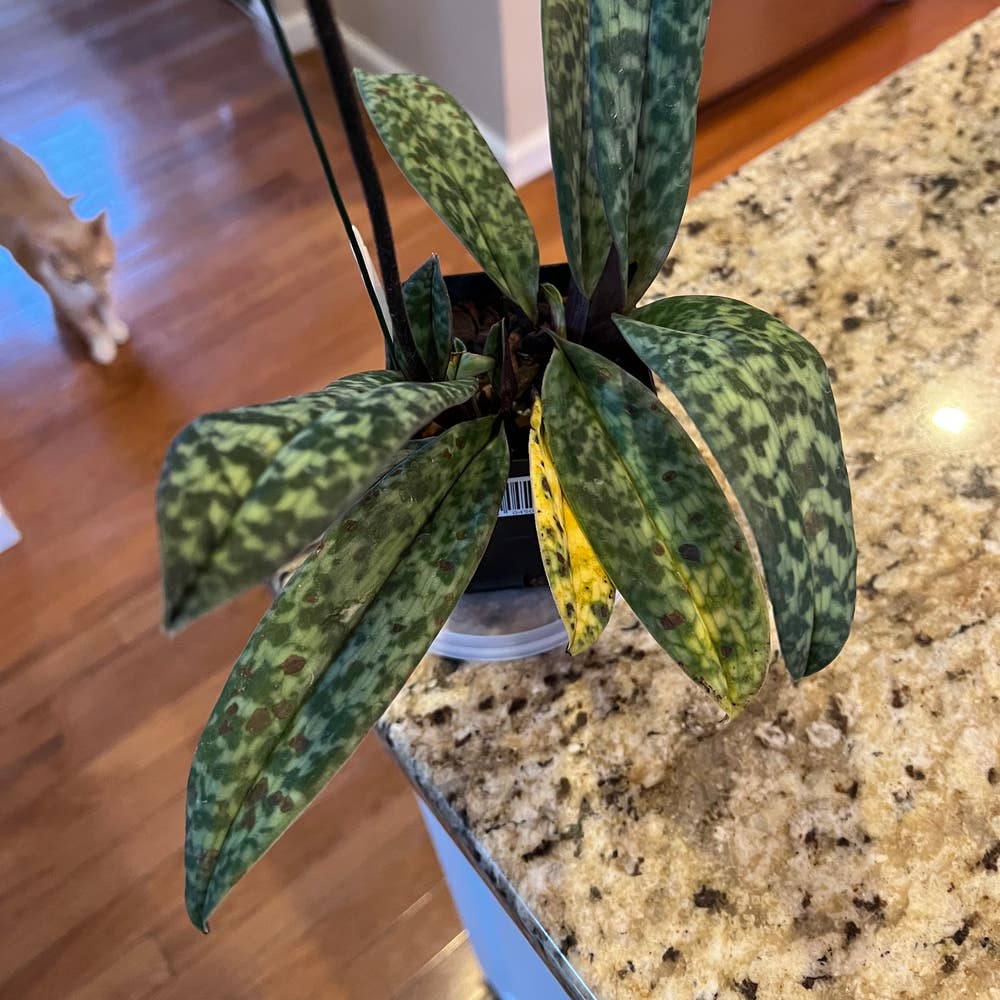
Trim yellowing or dead leaves only when necessary. Use clean, sharp tools to make precise cuts, avoiding damage to healthy tissue. Removing these leaves improves plant health by preventing potential disease spread and redirecting energy to healthier parts.
🌿 Old Growth and Aerial Roots
Decide whether to prune old growths and aerial roots based on the plant's overall health and appearance. If aerial roots are healthy, consider leaving them be; they're part of the orchid's charm and functionality. When pruning is needed, handle with care to avoid harm.
Pruning Tools and Hygiene
🌿 Choosing Your Tools
Sharpness is non-negotiable. For precise cuts, opt for pruning shears or scissors designed for plant care. They should fit comfortably in your hand, slicing through stems like a hot knife through butter—minus the mess.
Sterilize your tools before and after use. Think of it as a ritual, like washing your hands before dinner, but instead, you're prepping for a plant feast. A quick swipe with rubbing alcohol or a dip in a bleach solution will do the trick, killing off any pathogens that think they're invited to the party.
🧼 Keeping it Clean: Sterilizing Your Pruning Tools
After each use, give your tools a spa treatment. Disinfectant is your sidekick, ensuring your tools are as clean as a new pin. Dunk them in a sterilizing solution—rubbing alcohol or a bleach mix will work wonders.
It's like brushing your teeth after a meal; it keeps things fresh for next time. And remember, a well-maintained tool is a happy tool. Your Paphiopedilum callosum will thank you for it, with fewer risks of infection and a better chance at thriving post-prune.
After the Snip: Post-Pruning Care
🌱 Monitoring New Growth
After pruning your Paphiopedilum callosum, vigilance is key. Look for sprouting leaves or stems as a positive sign of recovery. If new growth is slow, reassess your care regimen—perhaps the plant needs more light or a change in watering frequency.
🌧️ Adjusting Care
Maintain a consistent care routine to support your orchid's comeback. Keep the soil moist but not soggy, allowing the top layer to dry out before the next watering. This approach ensures the roots have enough air to breathe and prevents waterlogging.
🚫 Addressing Potential Risks
Avoid common pruning blunders like overwatering, which can lead to root rot. After pruning, hold off on fertilization to prevent nutrient burn and give your plant a chance to heal.
🛡️ Protecting Your Orchid
Post-pruning, your orchid is more susceptible to stress and infection. Keep an eye out for signs of distress, such as discoloration or wilting. Act swiftly if you spot any issues to keep your Paphiopedilum callosum healthy and thriving.
⚠️ Safety First
This content is for general information and may contain errors, omissions, or outdated details. It is not medical, veterinary advice, or an endorsement of therapeutic claims.
Always consult a qualified healthcare professional before using any plant as food, medicine, or supplement.
Never eat any plant (or feed one to pets) without confirming its identity with at least two trusted sources.
If you suspect poisoning, call Poison Control (800) 222-1222, the Pet Poison Helpline (800) 213-6680, or your local emergency service immediately.
Spotted an error? Please report it here.
Prune your Paphiopedilum callosum to perfection and encourage vibrant blooms 🏵 with Greg's custom care reminders and supportive plant community.