🌸 Callous Paphiopedilum Is Not an Annual
Paphiopedilum callosum
By the Greg Editorial Team
Sep 29, 2024•3 min read
This article was created with the help of AI so we can cover more plants for you. May contain errors. See one? Report it here.
Unlock the secret to cultivating Callous Paphiopedilum 🌱 for decades of stunning blooms and garden resilience!
- 🌱 Callous Paphiopedilum is a perennial, thriving for decades unlike short-lived annuals.
- 🌿 Unique adaptations like thick leaves and extensive roots ensure resilience in tropical climates.
- 🌸 Multiple blooms throughout its life provide continuous beauty and attract specific pollinators.
Callous Paphiopedilum as a Perennial
🧬 Genetic Characteristics
Callous Paphiopedilum boasts a unique chromosomal structure that supports its longevity. This genetic makeup allows it to thrive for decades, making it a standout in the world of perennials.
Adaptations play a crucial role in its survival. Traits such as specialized root systems and leaf structures help it endure the challenges of tropical environments.
🌱 Physiological Traits
The root system of Callous Paphiopedilum is extensive and resilient. This allows for effective nutrient storage, ensuring the plant remains healthy over time.
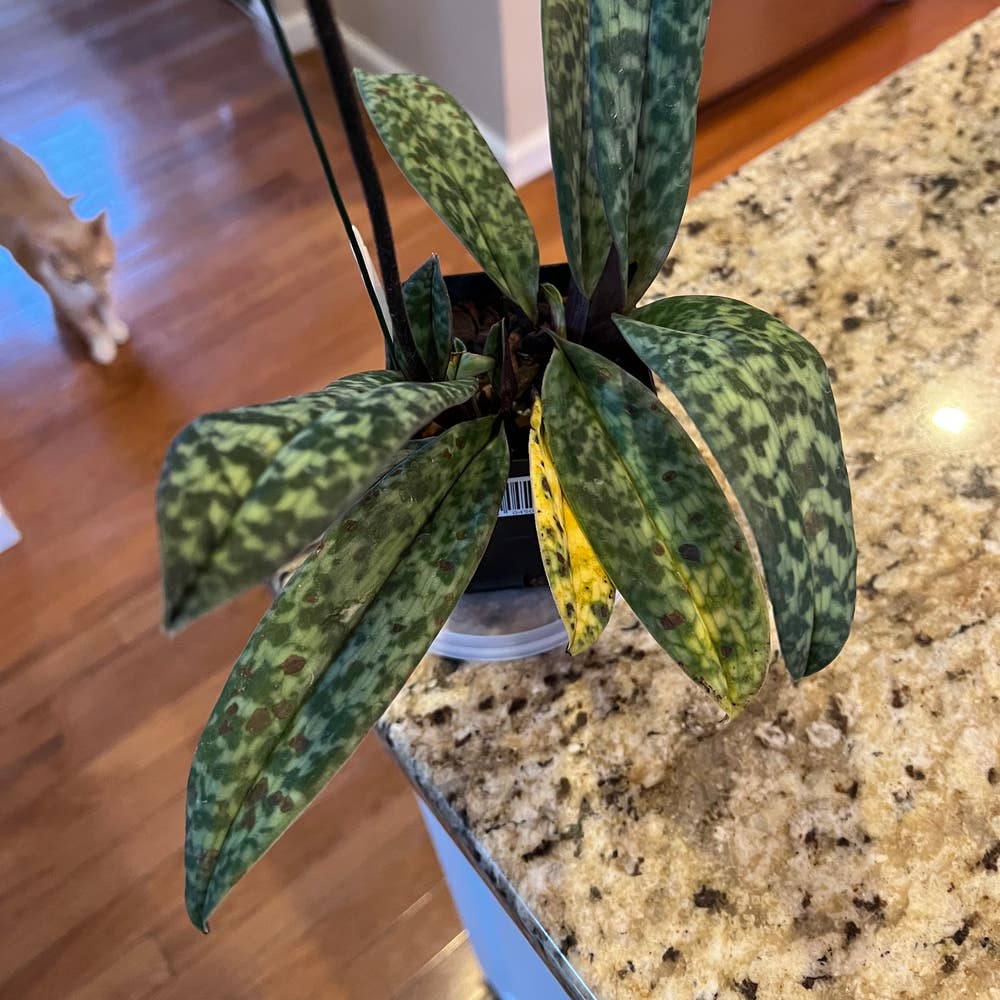
Its thick, waxy leaves are designed to reduce water loss. This feature is essential for thriving in humid yet variable conditions.
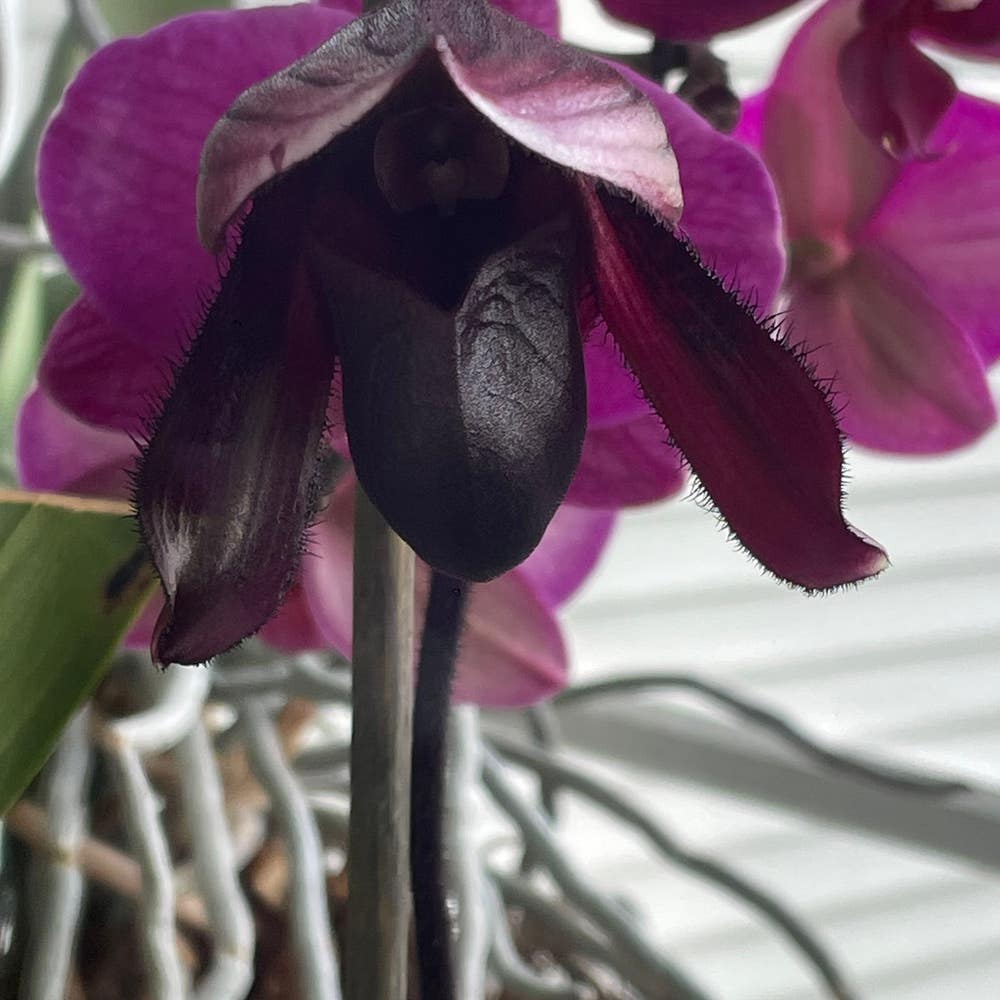
The flower structure is equally fascinating. The slipper-shaped blooms attract specific pollinators, enhancing its reproductive success.
⏳ Long-Term Lifecycle and Growth Patterns
This perennial exhibits a slow growth rate, with a lifespan that can exceed several decades. Such longevity sets it apart from annuals, which complete their life cycle in a single year.
Seasonal behavior includes distinct dormancy periods and active growth phases. Understanding these cycles is vital for proper care.
Flowering patterns are another unique aspect. Unlike annuals, Callous Paphiopedilum can produce multiple blooms throughout its life cycle, offering continuous beauty.
🔄 Lifecycle Comparison
Reproductive strategies in Callous Paphiopedilum are complex. It employs various pollination methods and seed production mechanisms that ensure its survival.
There are notable differences in flowering and seed production. This plant flowers less frequently than annuals, but its seeds maintain high viability.
The implications of its perennial lifecycle are significant. Long-term care requirements and garden planning considerations must be taken into account for successful cultivation.
❓ Misconceptions and Exceptions
There are situations where Callous Paphiopedilum may be treated as an annual. Environmental stressors and specific cultural practices can lead to this misclassification.
Environmental factors also influence its classification. Variations in climate and soil conditions can affect its growth and longevity.
Understanding these nuances helps gardeners make informed decisions about care and cultivation. This knowledge sets the stage for the next section on gardening implications, where we explore how to integrate this remarkable plant into your garden design.
Gardening Implications
Benefits in Garden Design 🌼
Callous Paphiopedilum brings a unique flair to any garden. Its striking flowers and lush foliage not only enhance visual diversity but also create a captivating focal point.
Investing in these perennials means enjoying their beauty for years. Unlike annuals, which require replanting each season, these plants offer a lasting presence that evolves over time.
Strategies for Maximizing Longevity 🌱
To ensure your Callous Paphiopedilum thrives, pay attention to its ideal planting conditions. It flourishes in bright, indirect light, with high humidity and well-draining soil.
Adjust your care practices according to its growth cycles. Understanding when the plant is dormant versus actively growing will help you provide the right support at the right time.
Tips for Management 🛠️
Regular maintenance is key to a healthy plant. Schedule pruning and repotting to keep your Callous Paphiopedilum in top shape.
Fertilization is crucial for nutrient application. Use a balanced fertilizer during the growing season to promote robust growth.
Lastly, keep an eye out for pests and diseases. Early detection and management strategies can save your plant from potential harm.
With these tips, your Callous Paphiopedilum will not only survive but thrive, adding beauty and longevity to your garden. Next, let’s explore the specific care techniques that will help you nurture this remarkable perennial.
⚠️ Safety First
This content is for general information and may contain errors, omissions, or outdated details. It is not medical, veterinary advice, or an endorsement of therapeutic claims.
Always consult a qualified healthcare professional before using any plant as food, medicine, or supplement.
Never eat any plant (or feed one to pets) without confirming its identity with at least two trusted sources.
If you suspect poisoning, call Poison Control (800) 222-1222, the Pet Poison Helpline (800) 213-6680, or your local emergency service immediately.
Spotted an error? Please report it here.
Unlock the decades-long beauty of your Callous Paphiopedilum 🌺 with Greg's tailored care reminders and expert tips that ensure your plant thrives in any environment!