Why Callous Paphiopedilum Is A Perennial Plant
Paphiopedilum callosum
By the Greg Editorial Team
Sep 29, 2024•7 min read
This article was created with the help of AI so we can cover more plants for you. May contain errors. See one? Report it here.
Transform your garden with Callous Paphiopedilum's effortless beauty and sustainability! 🌱
- 🌱 Callous Paphiopedilum thrives for 5-15 years with proper care and conditions.
- 🌼 Flowering occurs once or twice yearly, influenced by light and care.
- 🌿 Dormancy conserves energy, requiring reduced watering and indirect light adjustments.
Characteristics of Callous Paphiopedilum as a Perennial
Multi-Year Lifecycle 🌱
Callous Paphiopedilum showcases a fascinating multi-year lifecycle. This lifecycle consists of three main phases: vegetative growth, flowering, and dormancy.
During the vegetative growth phase, the plant focuses on developing leaves and roots. This phase typically lasts several months, depending on environmental conditions, and is crucial for building the plant's energy reserves.
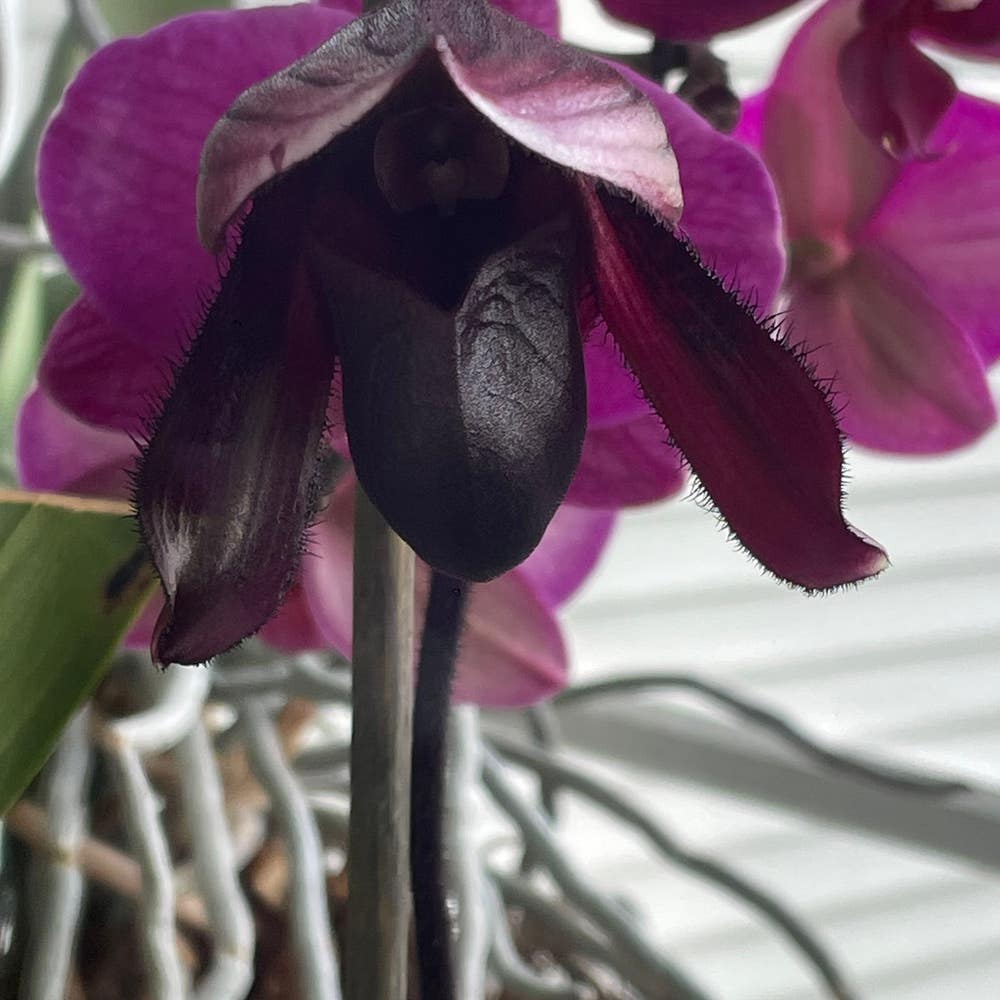
Next comes the flowering phase, where the plant produces its stunning blooms. This phase can vary in duration but often occurs once or twice a year, depending on care and environmental factors.
Finally, the dormancy period allows the plant to conserve energy. This phase usually lasts a few months, during which the plant may appear inactive but is actually preparing for the next growth cycle.
Regrowth from Roots 🌿
One of the remarkable features of Callous Paphiopedilum is its ability to regrow from its root system. This perennial plant utilizes its robust roots to store nutrients and energy, enabling it to thrive year after year.
In contrast to annual plants, which require replanting each season, Callous Paphiopedilum's roots provide stability and resilience. This means less labor and cost for gardeners, making it an excellent choice for long-term cultivation.
The plant's ability to regenerate from its roots not only enhances its longevity but also contributes to a more sustainable gardening practice. By investing in a perennial like Callous Paphiopedilum, you’re setting the stage for a flourishing garden that requires less frequent replanting.
With a solid understanding of its lifecycle and regrowth mechanisms, you're well-equipped to appreciate the unique characteristics of Callous Paphiopedilum. Next, let’s explore how its perennial nature impacts growth and flowering patterns.
Impact of Perennial Nature on Growth and Flowering
Effects on Flowering 🌸
The perennial nature of Callous Paphiopedilum significantly influences its flowering patterns. These orchids typically bloom multiple times throughout their lifecycle, with the timing often dictated by environmental conditions.
Factors such as light exposure and nutrient availability play crucial roles in determining bloom frequency. Adequate sunlight and balanced fertilization can enhance flowering, while insufficient light or poor soil can inhibit it.
Overall Lifespan and Health 🌱
Callous Paphiopedilum boasts an impressive average lifespan, often reaching several years with proper care. Indicators of a healthy plant include vibrant leaves, robust root systems, and consistent flowering.
Consistent care is vital for longevity. Regular monitoring of water, light, and nutrients ensures that these orchids thrive, allowing gardeners to enjoy their beauty for years to come.
As we delve deeper into the dormancy and seasonal changes of Callous Paphiopedilum, understanding these aspects will further enhance your gardening experience.
Dormancy and Seasonal Changes
🌱 Description of Dormancy Periods
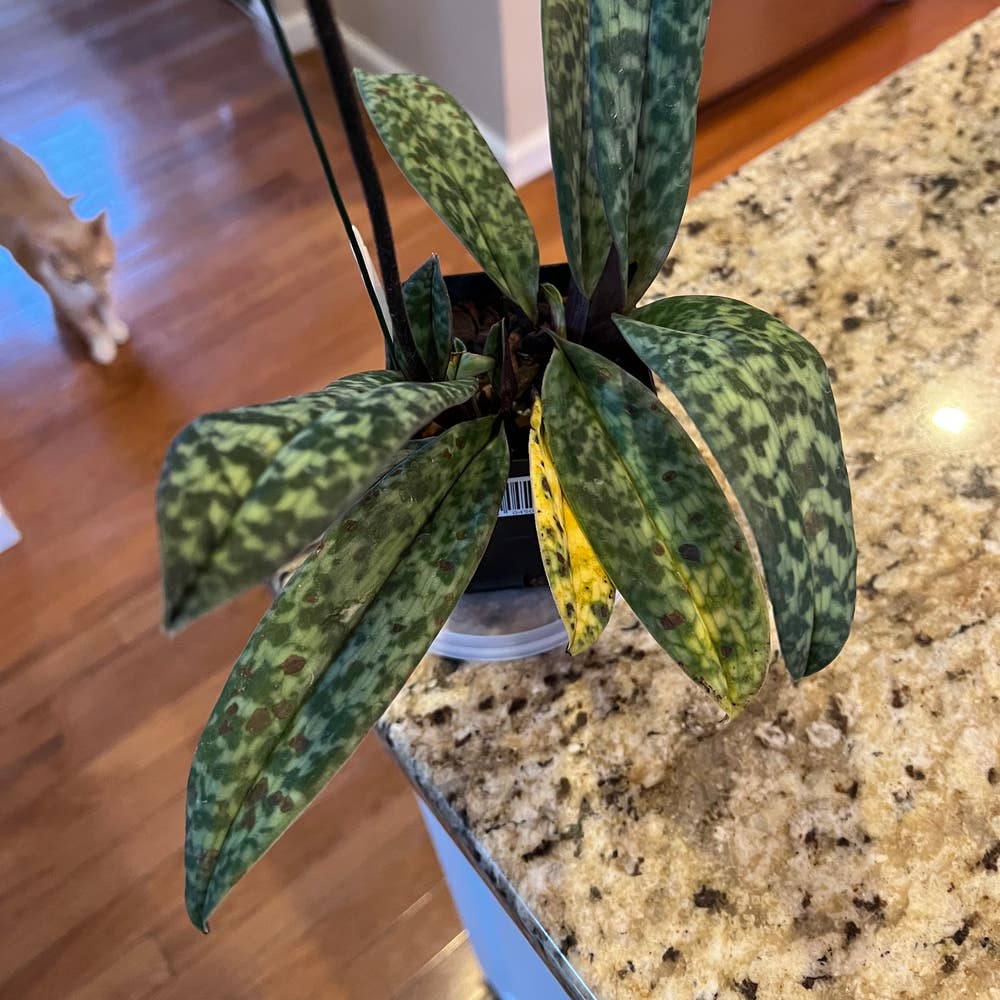
Dormancy in Callous Paphiopedilum is a natural phase where the plant conserves energy. You'll notice signs like yellowing leaves and a slowdown in growth, indicating it's time to rest.
Typically, dormancy lasts several weeks to a few months, depending on environmental conditions. This period usually aligns with seasonal changes, allowing the plant to rejuvenate before the next growth cycle.
🍂 Seasonal Changes in Growth and Care
As seasons shift, so should your care routine for Callous Paphiopedilum. During dormancy, reduce watering and fertilization to prevent root rot and nutrient buildup.
Light requirements also change; the plant prefers indirect light during this time. Additionally, maintaining a stable temperature helps ensure a smooth transition back to active growth when the season changes again.
By understanding these dormancy and seasonal care adjustments, you can support your Callous Paphiopedilum's health and vitality, setting the stage for vibrant blooms in the future.
Advantages for Gardeners
Benefits of Reduced Replanting 🌱
One of the standout advantages of the Callous Paphiopedilum is its perennial nature, which significantly reduces the need for replanting. This not only saves you money but also cuts down on labor, making garden planning much more efficient.
Established plants contribute positively to the environment as well. They help maintain soil structure, reduce erosion, and provide habitats for beneficial organisms.
Importance of Established Root Systems 🌳
The root system of Callous Paphiopedilum plays a crucial role in its overall health. A well-developed root network ensures stability and efficient nutrient access, allowing the plant to thrive year after year.
Moreover, these robust roots enhance resilience against environmental stressors. This means your plants can better withstand droughts, heavy rains, and other challenges, making them a reliable choice for any garden.
With these advantages in mind, gardeners can appreciate the long-term benefits of incorporating Callous Paphiopedilum into their landscapes. Next, let’s explore the expected lifespan of this remarkable plant and how various factors can influence its longevity.
Lifespan and Environmental Factors
🕰️ Expected Lifespan of Callous Paphiopedilum
Callous Paphiopedilum typically enjoys a lifespan ranging from 5 to 15 years, depending on care and environmental conditions. Proper watering, light, and nutrient management can significantly extend this lifespan.
Regular monitoring of plant health is crucial. Signs of distress, such as yellowing leaves or stunted growth, can indicate that adjustments are needed.
🌍 Factors Influencing Longevity Across Different Climates
The longevity of Callous Paphiopedilum can vary dramatically based on climate zones. Temperature, humidity, and light exposure play pivotal roles in determining how well these plants thrive.
- Temperature: Ideal temperatures range from 65°F to 80°F. Extreme heat or cold can stress the plant, leading to a shorter lifespan.
- Humidity: High humidity levels (around 50-70%) are beneficial. Low humidity can cause dehydration and hinder growth.
- Light: Bright, indirect light is optimal. Too much direct sunlight can scorch the leaves, while too little can stunt growth.
For gardeners in different climates, consider these care recommendations:
- Warm Climates: Ensure adequate shade during peak sun hours and maintain humidity through regular misting.
- Cool Climates: Protect plants from frost and provide supplemental lighting during shorter days.
- Dry Climates: Increase humidity levels with pebble trays or humidifiers to prevent dehydration.
Understanding these factors can help you create an environment that maximizes the health and lifespan of your Callous Paphiopedilum. With the right care, these resilient plants can flourish for years, enriching your garden with their beauty.
As we explore the next section, we'll delve into tips for maximizing the benefits of Callous Paphiopedilum's perennial nature.
Tips for Maximizing the Benefits of Callous Paphiopedilum's Perennial Nature
🌱 Garden Planning Strategies
Incorporating Callous Paphiopedilum into your garden design can elevate both aesthetics and functionality. Consider companion planting; pairing these orchids with plants that thrive in similar conditions can enhance growth and flowering.
Spacing is crucial. Ensure adequate room between plants to promote airflow and prevent disease. This not only supports healthy growth but also allows each plant to shine in its own right.
Seasonal planning is another key aspect. Understanding the growth cycles of Callous Paphiopedilum helps you time your planting and care routines effectively. Aligning your garden activities with the plant's natural rhythms can lead to more vibrant blooms.
🌿 Long-Term Cultivation Techniques
Maintaining the health and vigor of your Callous Paphiopedilum requires regular monitoring. Keep an eye on environmental changes and adjust your care practices accordingly.
Soil health is paramount. Ensure your orchids have nutrient-rich soil that drains well. Regularly check for signs of nutrient deficiencies and amend as needed to keep your plants thriving.
Lastly, embrace the seasonal changes. Adjust watering and fertilization based on the plant's dormancy and growth phases. This proactive approach will help you maximize the benefits of your perennial plants, ensuring they flourish year after year.
By implementing these strategies, you can enjoy a thriving garden filled with the beauty of Callous Paphiopedilum. Transitioning to the next topic, let’s explore the lifespan and environmental factors that influence these remarkable orchids.
⚠️ Safety First
This content is for general information and may contain errors, omissions, or outdated details. It is not medical, veterinary advice, or an endorsement of therapeutic claims.
Always consult a qualified healthcare professional before using any plant as food, medicine, or supplement.
Never eat any plant (or feed one to pets) without confirming its identity with at least two trusted sources.
If you suspect poisoning, call Poison Control (800) 222-1222, the Pet Poison Helpline (800) 213-6680, or your local emergency service immediately.
Spotted an error? Please report it here.
Unlock the secrets of your Callous Paphiopedilum's lifecycle 🌿 with Greg's personalized care reminders, ensuring your perennial plant flourishes for years to come!