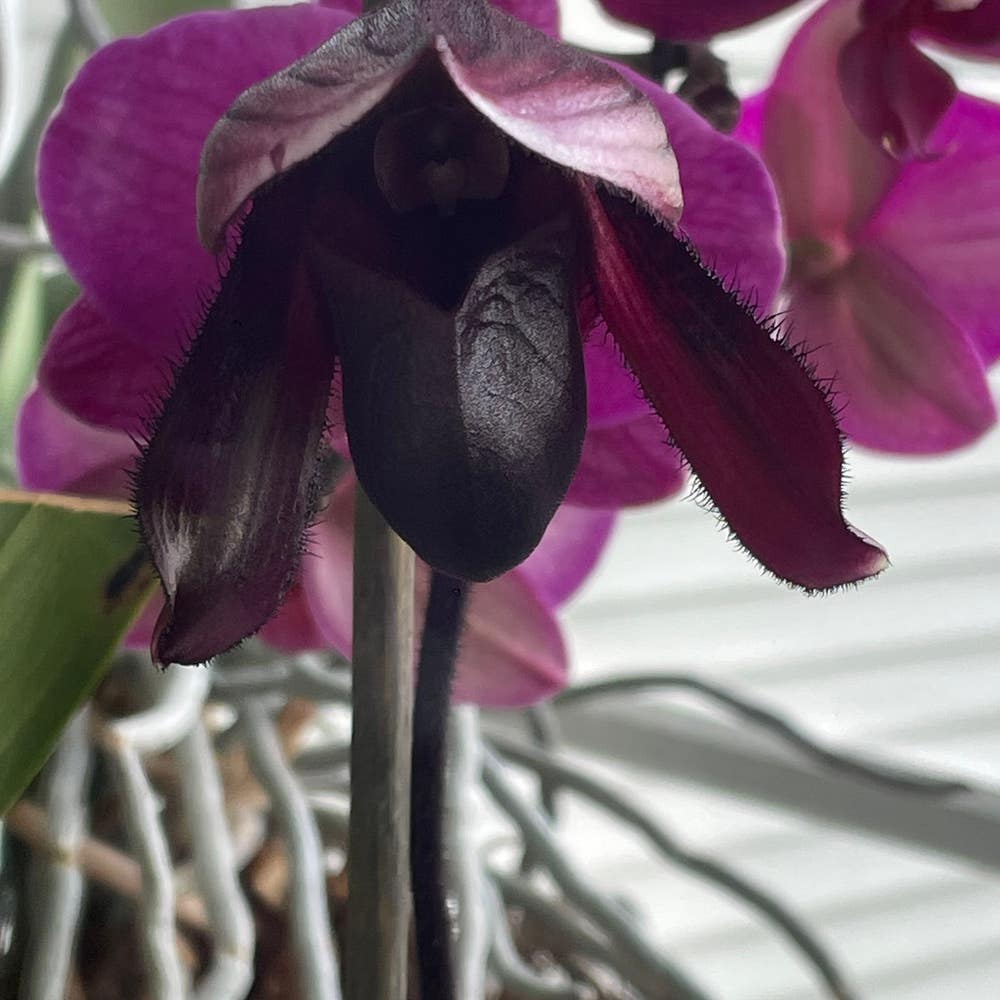
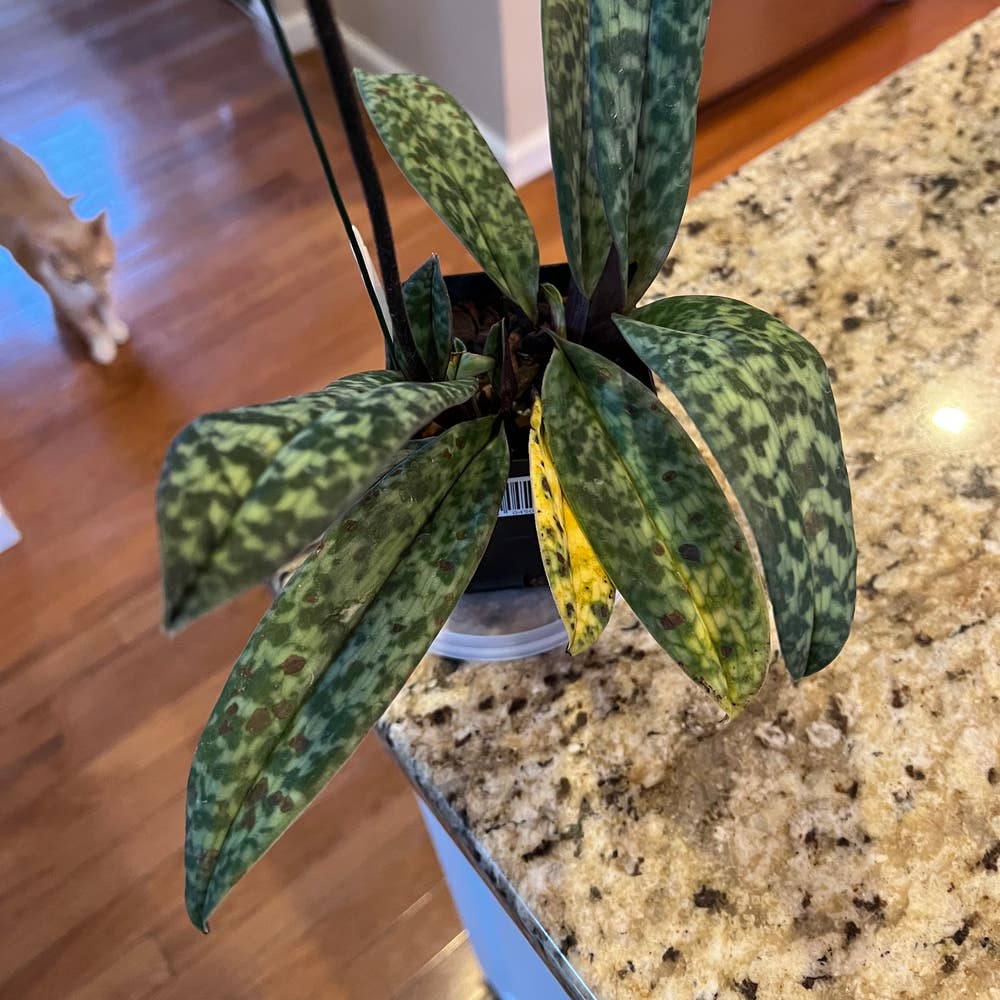
🌸 3 Perfect Plant Partners for Callous Paphiopedilum
Paphiopedilum callosum
By the Greg Editorial Team
Sep 29, 2024•4 min read
This article was created with the help of AI so we can cover more plants for you. May contain errors. See one? Report it here.
Elevate your orchid garden 🌸 with ideal companion plants that enhance beauty and promote healthy growth naturally! 🌿
- 🌿 Ferns, Peace Lilies, and Pothos thrive with Callous Paphiopedilum's humidity and light needs.
- 🌼 Companion plants enhance aesthetics, purify air, and repel pests naturally.
- 🌱 Diverse pairings attract beneficial insects, promoting a balanced ecosystem for orchids.
Ideal Companion Plants
Plant 1: Ferns 🌿
Ferns are a fantastic choice for pairing with Callous Paphiopedilum. Their delicate fronds beautifully complement the unique shape of the orchid's flowers.
These plants thrive in high humidity and low light, making them ideal companions. They not only enhance humidity levels around the orchid but also provide a lush backdrop that highlights its stunning blooms.
Plant 2: Peace Lily 🌸
The Peace Lily is another excellent companion, known for its glossy leaves and elegant white blooms. It prefers low-light conditions and thrives in humid environments, just like the orchid.
This plant acts as a natural air purifier, improving the overall air quality. Additionally, its pest-repellent properties help deter common orchid pests, making it a smart choice for any orchid enthusiast.
Plant 3: Pothos 🍃
Pothos is a trailing vine with heart-shaped leaves that adds a touch of greenery to your space. It tolerates low light and enjoys high humidity, making it a perfect match for your orchid.
This low-maintenance plant helps maintain humidity levels and grows rapidly, providing a natural barrier against pests. Its resilience makes it an ideal companion for those new to plant care.
These three plants not only enhance the beauty of your Callous Paphiopedilum but also create a thriving ecosystem that supports its growth. Next, let’s explore how companion planting can effectively manage pests in your garden.
Pest Management through Companion Planting
🌱 How Companion Plants Can Deter Pests
Companion planting is a powerful strategy for managing pests naturally. By utilizing the pest-repellent properties of certain plants, you can create a thriving ecosystem that not only protects your Callous Paphiopedilum but also enhances its growth.
Diverse plant pairings attract beneficial insects, which can help keep harmful pests at bay. This natural balance reduces the need for chemical interventions, making your gardening experience more sustainable and enjoyable.
🛡️ Specific Pest-Repellent Properties of Chosen Companions
Ferns
Ferns are more than just beautiful foliage; they play a crucial role in pest management. Their delicate fronds attract predatory insects that feast on common pests, creating a natural defense system around your orchid.
Peace Lily
The Peace Lily is a powerhouse when it comes to pest control. It contains compounds that repel common pests, acting as a natural barrier while also purifying the air in your space.
Pothos
Pothos is not only a low-maintenance choice but also a strategic ally in pest management. Its vigorous growth can outcompete pests for resources, ensuring that your Callous Paphiopedilum remains healthy and thriving.
By incorporating these companion plants, you can foster a healthier environment for your orchids. This approach not only enhances pest management but also contributes to the overall beauty of your plant display.
Next, let's explore how to create a visually appealing setup with these companions.
Visual Appeal and Aesthetic Considerations
Color and Texture Compatibility 🌈
The contrasting textures of fern fronds and orchid petals create a stunning visual dynamic. Ferns offer delicate, feathery leaves that beautifully complement the unique shapes of Paphiopedilum flowers.
The white blooms of the Peace Lily provide a striking contrast against the vibrant colors of orchids. This combination not only enhances the overall aesthetic but also draws the eye, making your plant arrangement more captivating.
Creating a Visually Harmonious Display 🎨
Layering plants is key to creating depth and interest in your display. Position taller ferns in the back and let the trailing vines of Pothos cascade down the front for a balanced look.
Arranging companions thoughtfully can elevate the overall aesthetic. Consider grouping plants with similar care needs while varying their heights and textures to create a visually engaging environment.
With these tips, you can cultivate a beautiful and harmonious plant display that showcases your Callous Paphiopedilum and its companions. Next, let’s explore how companion planting can help manage pests effectively.
Plants to Avoid
🪴 Description of Incompatible Plants
When it comes to companion planting for your Callous Paphiopedilum, some plants simply don’t make the cut. Common incompatible choices include cacti and succulents.
❌ Reasons for Incompatibility
Cacti thrive in dry conditions, which is a stark contrast to the high humidity that orchids love. This fundamental difference in care needs can lead to stress for your orchid.
Additionally, some of these plants may attract pests that could harm your delicate orchid.
Overcrowding is another concern; fast-growing plants can outcompete your orchid for nutrients and space, stunting its growth.
By avoiding these incompatible plants, you can create a thriving environment for your Callous Paphiopedilum and its ideal companions. This sets the stage for a flourishing garden that showcases the beauty of your orchids while ensuring their health and vitality.
⚠️ Safety First
This content is for general information and may contain errors, omissions, or outdated details. It is not medical, veterinary advice, or an endorsement of therapeutic claims.
Always consult a qualified healthcare professional before using any plant as food, medicine, or supplement.
Never eat any plant (or feed one to pets) without confirming its identity with at least two trusted sources.
If you suspect poisoning, call Poison Control (800) 222-1222, the Pet Poison Helpline (800) 213-6680, or your local emergency service immediately.
Spotted an error? Please report it here.
Create a thriving garden 🌿 by pairing your Callous Paphiopedilum with ferns, Peace Lilies, and Pothos, and let Greg guide you with tailored care tips to keep your plant partners flourishing together!