5 Tips for Pollinating Callous Paphiopedilum 🐝
Paphiopedilum callosum
By the Greg Editorial Team
Sep 29, 2024•6 min read
This article was created with the help of AI so we can cover more plants for you. May contain errors. See one? Report it here.
Discover how Callous Paphiopedilum's unique flower structure can elevate your gardening game! 🌼
- 🌸 Callous Paphiopedilum attracts specific pollinators with its unique petals and sepals.
- 🐝 Self-pollination ensures survival, while cross-pollination boosts genetic diversity.
- 🌿 Create a pollinator-friendly garden to enhance pollination success and plant health.
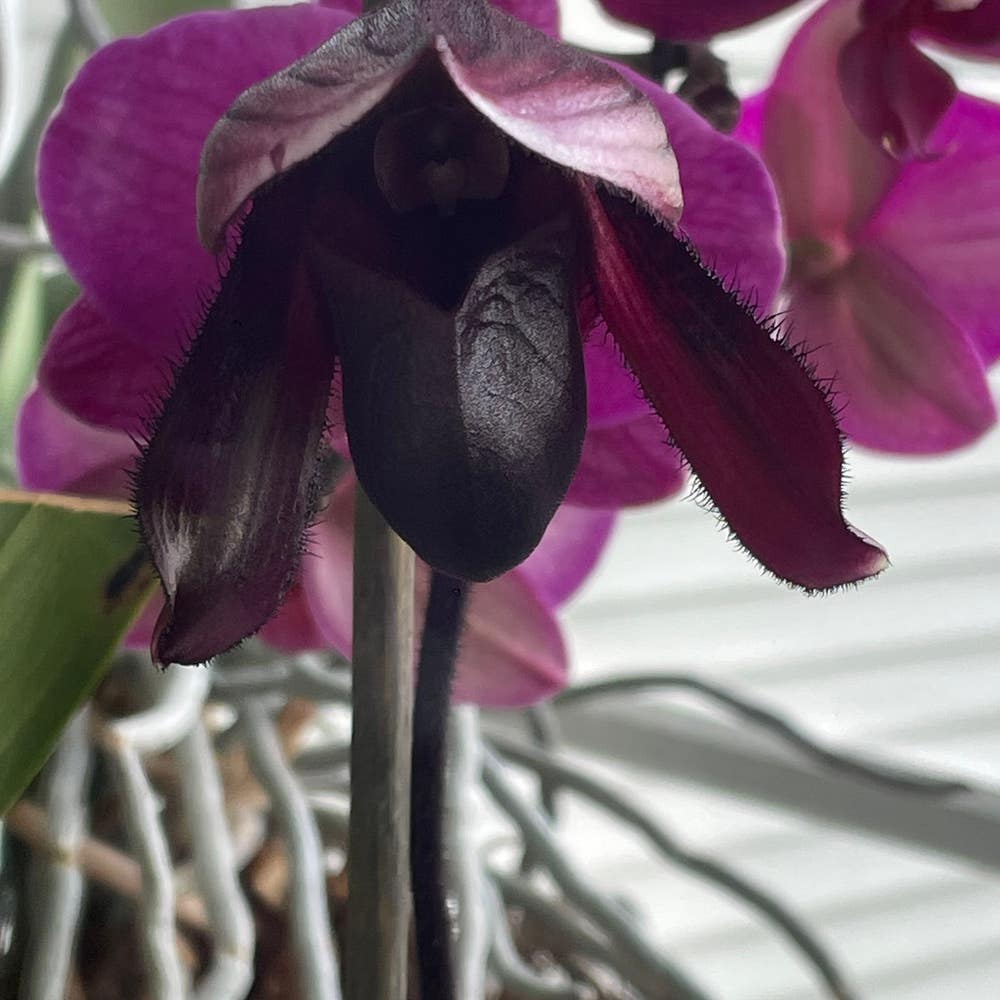
Flower Structure
Description of Components 🌸
The Callous Paphiopedilum boasts petals that are not just beautiful but uniquely shaped, featuring vibrant colors that specifically attract certain pollinators. This eye-catching design plays a crucial role in drawing in the right species for effective pollination.
The sepals, arranged in a visually appealing manner, enhance the flower's overall attractiveness. Their coloration complements the petals, creating a striking visual that beckons pollinators.
Stamens are vital for pollen production and transfer. They release pollen at just the right moment, ensuring that pollinators can easily access it.
Pistils serve as the receiving structure for pollen, facilitating fertilization. Their design is essential for the reproductive success of the plant.
Role in Pollination 🐝
The intricate design of the Callous Paphiopedilum flower promotes both self-pollination and cross-pollination. This dual capability ensures that the plant can reproduce effectively, regardless of pollinator availability.
A distinctive feature of this flower is its lip, which plays a significant role in attracting various pollinator species. This specialized structure not only enhances the flower's allure but also guides pollinators to the reproductive parts, increasing the chances of successful pollination.
Understanding these components and their roles is essential for appreciating how Callous Paphiopedilum thrives in its environment. With this knowledge, we can better support its pollination process and overall health.
Next, we’ll explore the fascinating pollination process itself, diving into self-pollination and cross-pollination techniques.
Pollination Process
Self-Pollination 🌼
Callous Paphiopedilum has a fascinating mechanism for self-pollination. The flower's structure allows pollen from the anthers to easily reach the stigma, ensuring fertilization without the need for external pollinators.
Self-pollination offers several benefits. It promotes plant health by ensuring seed production even in the absence of pollinators, which can be crucial for survival in less favorable conditions.
Cross-Pollination 🐝
While self-pollination is effective, cross-pollination enhances genetic diversity. Key pollinators for Callous Paphiopedilum include bees, butterflies, moths, and hummingbirds, each playing a vital role in the plant's reproductive success.
The flower attracts these pollinators through its vibrant colors and enticing scents. These visual and olfactory cues create a welcoming environment, drawing in the very species that help facilitate pollination.
Understanding these processes not only enriches your gardening experience but also highlights the intricate relationships between plants and their pollinators. Next, we'll explore natural pollination and the mechanisms that support this vital process.
Natural Pollination
🌼 Pollen Transfer Mechanisms
Pollination in Callous Paphiopedilum is a fascinating process. Pollen is transferred from the anthers, the male parts of the flower, to the stigma, the female part, primarily through the actions of pollinators.
Pollinators, such as bees and butterflies, play a crucial role in this transfer. As they visit the flower for nectar, they inadvertently brush against the anthers, collecting pollen that they later deposit onto the stigma of the same or another flower.
🐝 Importance of Pollination
Pollination is vital for the reproduction of Callous Paphiopedilum. It not only facilitates fertilization but also promotes genetic diversity, which is essential for the health of the species.
Seasonal variations can significantly impact pollination success. Factors like temperature and humidity influence when and how effectively pollination occurs, making it essential for gardeners to be aware of these changes throughout the year.
Understanding these dynamics can enhance your gardening efforts, ensuring that your Callous Paphiopedilum thrives. Next, we’ll explore hand pollination techniques to help you take control of this process.
Hand Pollination Techniques
Hand pollination can be a rewarding way to ensure the success of your Callous Paphiopedilum. Here’s a straightforward guide to help you through the process.
Step 1: Identifying Male and Female Flower Parts 🌸
Start by locating the anthers, which are the male parts of the flower. The stigma is the female part, and recognizing these components is crucial for successful pollination.
Step 2: Collecting Pollen 🌼
Next, gather pollen from the anthers using a small brush or a cotton swab. This step is vital, as the quality of pollen can significantly affect fertilization.
Step 3: Transferring Pollen ✨
Once you have collected the pollen, carefully apply it to the stigma. This delicate transfer is where the magic happens, so take your time to ensure it’s done right.
Step 4: Timing for Successful Fertilization ⏰
Timing is everything! Perform this process during the peak flowering periods for the best results. This ensures that the flower is most receptive to fertilization.
Hand pollination not only boosts your plant's chances of producing seeds but also deepens your connection with it. With these techniques, you can actively participate in the life cycle of your Callous Paphiopedilum, enhancing both your gardening skills and the plant's health.
Next, let’s explore how to support pollinators in your garden to create a thriving ecosystem.
Supporting Pollinators
🌼 Creating a Pollinator-Friendly Environment
Designing a garden that attracts beneficial pollinators is essential for the health of your Callous Paphiopedilum. Start by incorporating a variety of flowering plants that bloom at different times to provide a continuous food source.
Warm and humid conditions are crucial for these orchids. Ensure your garden mimics their natural habitat by maintaining moisture and warmth, which will not only support the orchids but also create an inviting environment for pollinators.
🌿 Companion Plants
Choosing the right companion plants can significantly enhance pollinator activity. Consider planting species like lavender, bee balm, and coneflower, which are known to attract bees and butterflies.
Look for flowering plants that bloom simultaneously with your orchids. This strategy ensures that pollinators have ample food sources, increasing the chances of successful pollination for your Callous Paphiopedilum.
By fostering a diverse and vibrant garden, you can create a thriving ecosystem that benefits both your orchids and the pollinators they rely on. This harmonious relationship is vital for the overall health of your garden and the success of your plants.
Pollination Challenges
Common Obstacles 🌪️
Pollinating Callous Paphiopedilum can be tricky due to environmental factors. Temperature and humidity fluctuations can disrupt the delicate balance needed for successful pollination.
Another significant challenge is the lack of pollinator species in your area. Without bees, butterflies, or other essential pollinators, your orchids may struggle to reproduce effectively.
Solutions 💡
To combat these challenges, maintaining optimal growing conditions is crucial. Ensure your orchids are in a stable environment with consistent temperature and humidity levels.
Attracting more pollinators to your garden can also make a big difference. Planting a variety of flowering plants that bloom at different times can create a welcoming habitat for these beneficial species.
Finally, regularly monitoring and adjusting your care based on environmental changes is essential. Keeping an eye on local conditions will help you adapt your strategies for better pollination success.
With these solutions in mind, you can enhance the pollination process for your Callous Paphiopedilum and support their growth. Next, let’s explore how to create a pollinator-friendly environment that encourages these vital species.
⚠️ Safety First
This content is for general information and may contain errors, omissions, or outdated details. It is not medical, veterinary advice, or an endorsement of therapeutic claims.
Always consult a qualified healthcare professional before using any plant as food, medicine, or supplement.
Never eat any plant (or feed one to pets) without confirming its identity with at least two trusted sources.
If you suspect poisoning, call Poison Control (800) 222-1222, the Pet Poison Helpline (800) 213-6680, or your local emergency service immediately.
Spotted an error? Please report it here.
Pollinating your Callous Paphiopedilum is easier than you think 🌱—let Greg guide you with personalized tips and reminders to attract the right pollinators for a thriving garden!