🌸 Callous Paphiopedilum is Not an Invasive Plant
Paphiopedilum callosum
By the Greg Editorial Team
Sep 29, 2024•5 min read
This article was created with the help of AI so we can cover more plants for you. May contain errors. See one? Report it here.
Enhance your garden's beauty and biodiversity with Callous Paphiopedilum, a non-invasive gem! 🌼🌱
- 🌱 Callous Paphiopedilum is non-invasive, making it a safe garden choice.
- 🐝 Attracts pollinators and enhances biodiversity, supporting local ecosystems.
- 🌿 Specific habitat needs limit its spread, ensuring manageable growth in gardens.
Plant Classification
Definition of Invasive Species 🌱
Invasive species are plants or animals that can rapidly grow and spread, often outcompeting native flora. They typically displace local species and can negatively impact ecosystems, disrupting the balance of nature.
Why Callous Paphiopedilum is Not Invasive 🌸
Callous Paphiopedilum stands apart due to its limited spread potential, which stems from its specific habitat requirements. Its growth habits are gentle, ensuring it doesn’t overwhelm surrounding plants.
This orchid contributes positively to biodiversity without dominating garden spaces. It thrives in well-defined environments, making it a harmonious addition to any garden.
Growth Habits
🌱 Typical Growth Patterns in Gardens
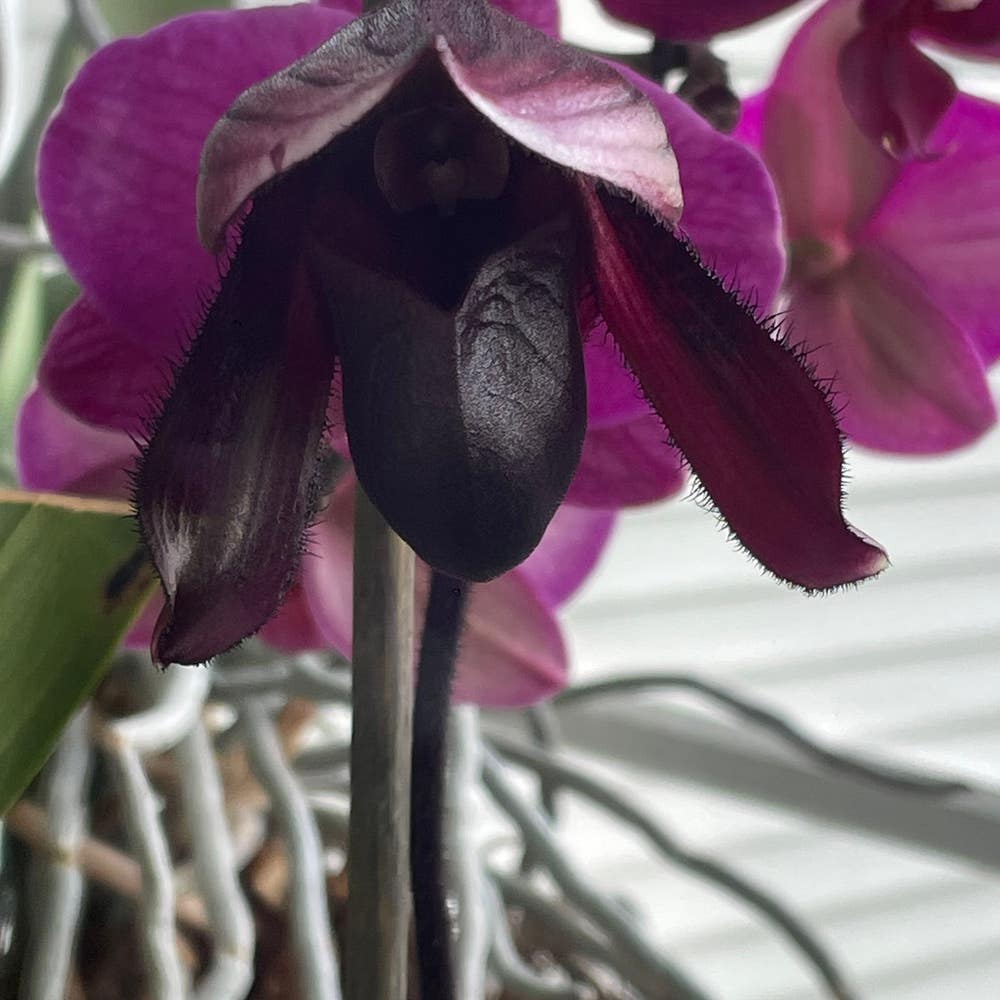
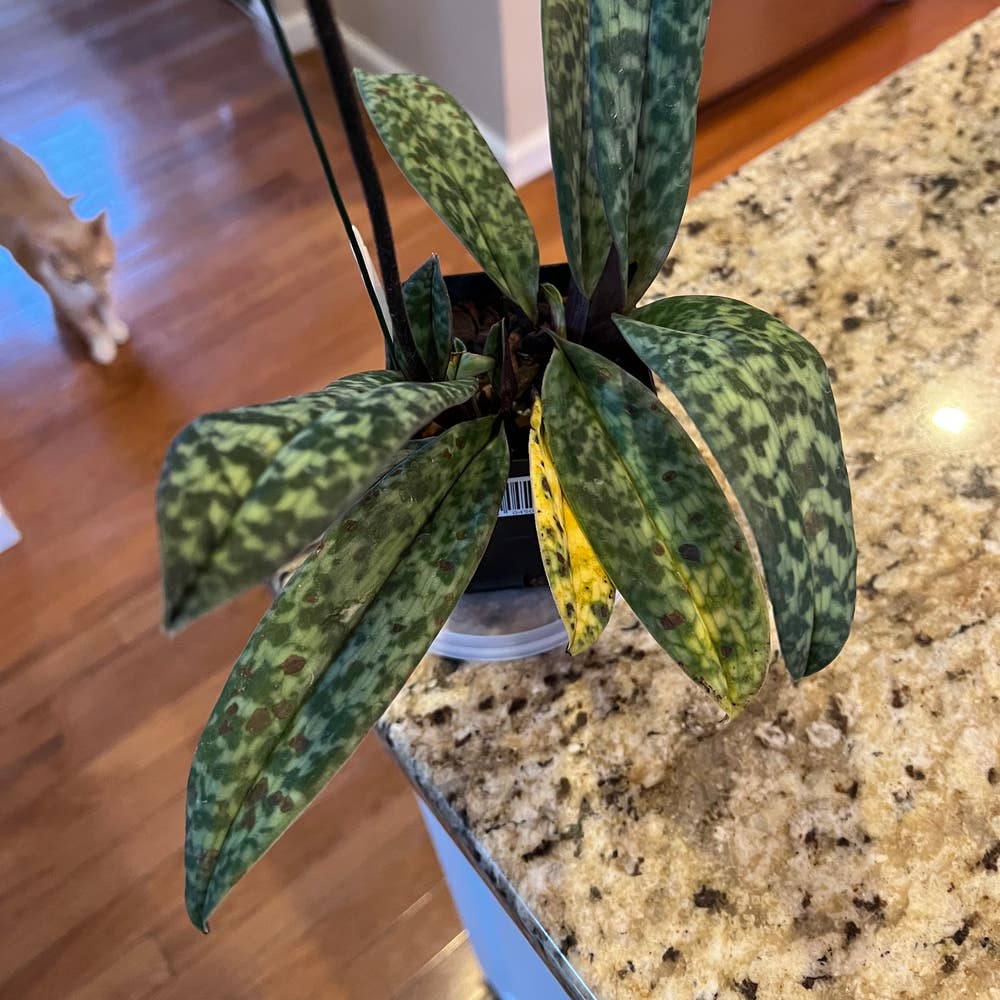
Callous Paphiopedilum showcases a unique growth form characterized by rosettes of lush leaves topped with a single, elegant flower spike. This striking appearance makes it a favorite among gardeners looking to add a touch of sophistication to their spaces.
To thrive, it prefers well-drained, organic-rich soils and moderate humidity. These ideal conditions allow it to flourish without overwhelming its surroundings.
🚧 Natural Limits to Growth and Spread Potential
The plant's specific habitat requirements significantly restrict its spread. While it can tolerate varying conditions, it truly thrives in stable environments.
Its moderate growth rate allows for controlled integration into garden designs. This means you can enjoy its beauty without worrying about it taking over your garden.
Ecological Role
Benefits in Gardens and Ecosystems 🌼
Callous Paphiopedilum plays a vital role in enhancing biodiversity. By attracting local pollinators like bees, it supports a thriving ecosystem.
Additionally, this plant contributes to soil health through the decomposition of organic matter. This process enriches the soil, making it more fertile for surrounding flora.
Positive Interactions with Local Wildlife 🐝
The nectar provided by Callous Paphiopedilum is a crucial food source for pollinators. This interaction fosters a balanced ecosystem, ensuring that various species can thrive together.
Moreover, it serves as a habitat for beneficial insects. These insects promote natural pest control, reducing the need for chemical interventions in gardens.
Incorporating Callous Paphiopedilum into your garden not only beautifies the space but also supports local wildlife. This creates a harmonious environment where plants and animals coexist, enhancing the overall health of your garden.
As we explore how to manage these plants effectively, consider how their ecological benefits can be maximized in your garden design.
Garden Management
Incorporating into Garden Designs 🌿
Callous Paphiopedilum thrives in shaded areas with excellent drainage. These conditions not only support its growth but also enhance the overall aesthetic of your garden.
Companion planting is a fantastic way to elevate your garden's visual appeal. Pairing Callous Paphiopedilum with other non-invasive plants creates a harmonious environment that benefits all species involved.
Growth Control Methods for Aesthetic Purposes ✂️
To maintain the beauty of your garden, consider these simple growth control methods:
- Regular pruning of spent flower spikes keeps the plant looking tidy and encourages new growth.
- Monitoring soil moisture is crucial to prevent overgrowth and maintain the plant's health.
- Using barriers can help define planting areas, ensuring that Callous Paphiopedilum remains a charming addition without overwhelming its neighbors.
These strategies not only enhance the plant's aesthetic but also contribute to a well-balanced garden ecosystem. By managing its growth effectively, you can enjoy the beauty of Callous Paphiopedilum while fostering a diverse and vibrant garden space.
As we explore the ecological role of this unique plant, you'll see how it contributes positively to both gardens and local wildlife.
Comparison to Other Plants
Similar Non-Invasive Plants 🌱
When considering non-invasive plants, several species share growth habits and ecological roles with Callous Paphiopedilum. For instance, many orchids exhibit similar rosette formations and moderate growth rates, making them excellent companions in garden settings.
These plants also contribute positively to local ecosystems by attracting pollinators and supporting soil health. Their ability to coexist without overwhelming native flora makes them ideal choices for sustainable gardening.
Unique Qualities 🌟
What sets Callous Paphiopedilum apart is its distinctive rosette growth form and single flower spike. This unique structure not only adds visual interest but also allows for easy integration into various garden designs.
Additionally, its resilience and adaptability enable it to thrive in diverse environments. This makes it a versatile option for gardeners looking to enhance their spaces without risking invasiveness.
Incorporating Callous Paphiopedilum into your garden can foster a vibrant ecosystem while maintaining aesthetic appeal. As we explore its ecological role next, you'll see how it benefits both gardens and local wildlife.
Legal and Environmental Considerations
🌱 Relevant Classifications and Guidelines
When incorporating Callous Paphiopedilum into your garden, sourcing from reputable nurseries is crucial. This practice helps avoid illegal harvesting, which can threaten local populations and ecosystems.
♻️ Fit Within Sustainable Gardening Practices
Callous Paphiopedilum plays a vital role in promoting biodiversity. By supporting local ecosystems, it encourages a healthy balance among plant and animal life.
Responsible gardening practices are essential for maintaining this balance. By choosing non-invasive plants like Callous Paphiopedilum, you contribute to a more sustainable environment.
Incorporating these plants not only beautifies your garden but also fosters ecological harmony. This approach ensures that your gardening efforts align with broader environmental goals.
As you plan your garden, remember the importance of ethical sourcing and sustainable practices. This commitment will help preserve the natural beauty and health of our ecosystems for future generations.
⚠️ Safety First
This content is for general information and may contain errors, omissions, or outdated details. It is not medical, veterinary advice, or an endorsement of therapeutic claims.
Always consult a qualified healthcare professional before using any plant as food, medicine, or supplement.
Never eat any plant (or feed one to pets) without confirming its identity with at least two trusted sources.
If you suspect poisoning, call Poison Control (800) 222-1222, the Pet Poison Helpline (800) 213-6680, or your local emergency service immediately.
Spotted an error? Please report it here.
Elevate your garden's beauty and biodiversity 🌱 with Callous Paphiopedilum, and let Greg guide you with tailored care reminders to keep your orchids thriving!