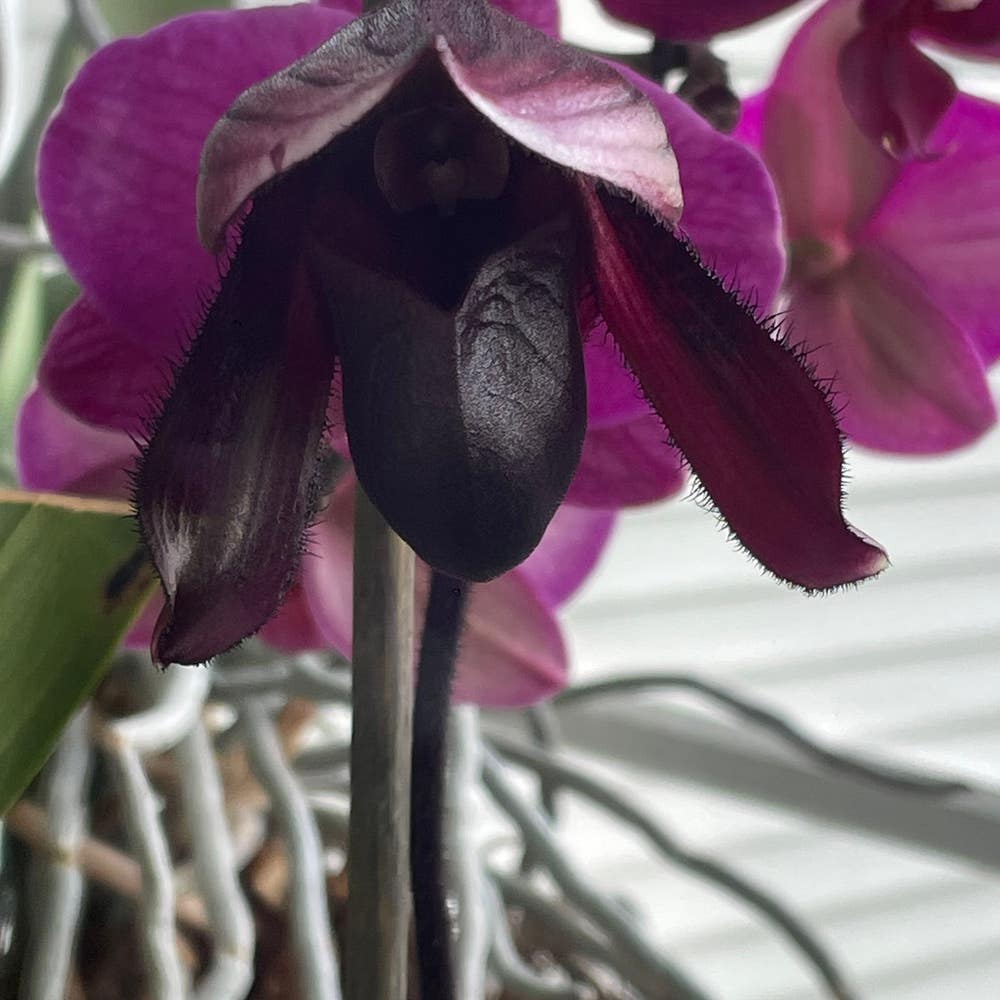
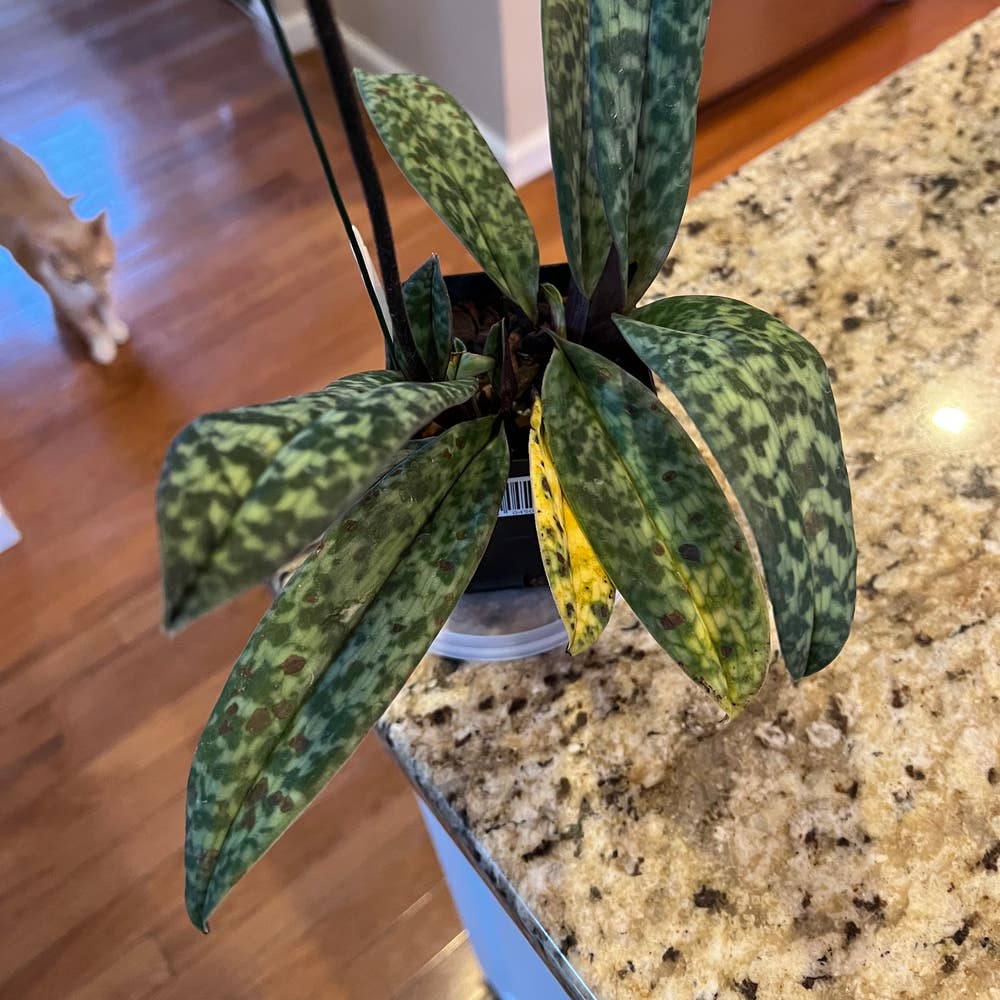
🌺 How to Know When to Repot a Paphiopedilum callosum?
Paphiopedilum callosum
By the Greg Editorial Team
Mar 21, 2024•4 min read
This article was created with the help of AI so we can cover more plants for you. May contain errors. See one? Report it here.
Boost your orchid's 🌸 vitality by learning the perfect timing and technique for repotting!
- 🌱 Overcrowded roots and mushy media signal it's repotting time.
- Choose the right pot: Clay for breathability, plastic for moisture.
- Post-repot care: Monitor water and light, delay fertilizing for a month.
Spotting the Telltale Signs It's Repotting Time
🌱 Root Tango in a Tiny Pot
Roots should have room to stretch, not strangle each other. Overcrowded roots circling the pot's base or sneaking out of drainage holes are screaming for a new dance floor. It's not just a quirky plant habit, it's a survival plea.
🌿 Media Meltdown
Your Paphiopedilum's potting media shouldn't look like the aftermath of a compost festival. If it's breaking down into mush or giving off a funky smell, it's time to give your plant a fresh start with new media.
🌷 Growth Spurts and Pseudobulb Peeks
When your orchid's growth hits a wall, it's not slacking off—it's likely cramped. New growth or pseudobulbs peeking over the pot's edge are subtle hints that your plant is ready for a bigger home. Don't wait for a growth stunt double; act when you spot these cues.
The Great Move: Repotting Your Paphiopedilum callosum
🌿 Orchid Eviction: Gently Removing Your Plant
Time for your Paphiopedilum callosum to vacate its snug abode. Gently tilt the pot and coax the orchid out. If it resists, think of a polite bouncer—ease a knife around the edges to persuade it.
🌱 Root Rehab
Once evicted, it's time for a root inspection. Trim any dead or decaying bits with sterilized scissors. This is not a haircut; be judicious and keep the healthy roots intact.
🏡 Home Sweet New Home
Now, nestle your orchid into its new pot. Avoid deep burials; the crown should be above the media. Fill in around the roots, ensuring no air pockets remain. A gentle tap on the pot's sides can help settle the media.
Picking the Perfect Pot
🏺 Pros and Cons of Popular Pot Materials
Clay vs. Plastic
Clay pots, terra cotta warriors of the orchid world, offer breathability that champions healthy roots. They dry out quickly, a boon for the overzealous waterer. Plastic pots, meanwhile, are the budget-friendly, lightweight option. They retain moisture longer, which can be a curse if you're prone to creating mini swamps.
Wooden Baskets
Wooden baskets bring a rustic charm to your Paphiopedilum callosum, allowing for excellent drainage and air flow. Just remember, they'll need more frequent watering to avoid desiccation.
Ceramic Pots
Ceramic pots are the stylish middle ground, balancing moisture retention with decent breathability. They're heavy, both in weight and on your wallet, but they're versatile and visually appealing.
🚫 What to Avoid
Avoid materials that restrict drainage or are too porous for your watering habits. Steer clear of pots without drainage holes, as they can turn your Paphiopedilum's home into a soggy nightmare. And remember, size matters; too big and your orchid may drown, too small and it'll be cramped.
After the Big Move: Post-Repotting Care
🌱 The First Few Weeks
After repotting your Paphiopedilum callosum, it's crunch time for both of you. Your orchid is getting its bearings, and you're on high alert. Monitor the plant like it's a new intern at the office—eager but likely to make a few slips.
Watering should be like a tentative first date—enough to show you care, but not so much that you seem desperate. Give it a good drink a week after the repotting, then ease into a routine, letting the media dry slightly between waterings.
For lighting, don't go changing the game on your plant. Keep it consistent with its previous conditions to avoid the botanical equivalent of culture shock. If you must move it to a new spot, do it incrementally. A few inches closer to the light each day is the way to go.
🌿 Long-term Success
When it comes to fertilizing, patience is a virtue. Hold off for about a month post-repotting. Think of it as letting your plant settle into its new home without the pressure of hosting a dinner party.
Stay vigilant for signs of distress like drooping leaves or a general aura of "I've seen better days." These are your cues to adjust care. Remember, new growth is the plant's way of giving you a high-five for a job well done.
Pests and diseases can be sneaky post-repotting, so keep your eyes peeled. If you're watering more often than before, it might be a sign that your Paphiopedilum callosum is ready for another pot upgrade. But let's not get ahead of ourselves—focus on the now and keep that orchid thriving.
⚠️ Safety First
This content is for general information and may contain errors, omissions, or outdated details. It is not medical, veterinary advice, or an endorsement of therapeutic claims.
Always consult a qualified healthcare professional before using any plant as food, medicine, or supplement.
Never eat any plant (or feed one to pets) without confirming its identity with at least two trusted sources.
If you suspect poisoning, call Poison Control (800) 222-1222, the Pet Poison Helpline (800) 213-6680, or your local emergency service immediately.
Spotted an error? Please report it here.
Ace your orchid's repotting 🌸 with Greg's tailored reminders and care tips, ensuring your Paphiopedilum callosum thrives in its new home.