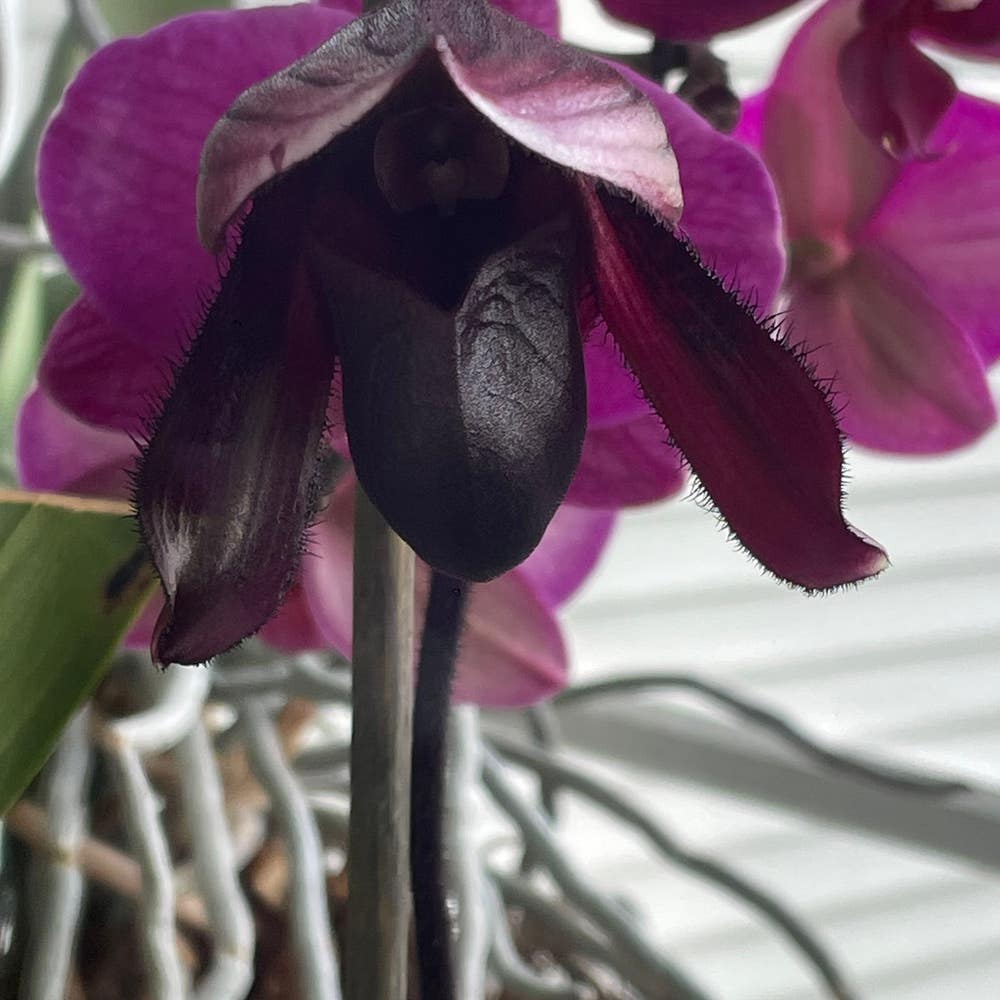
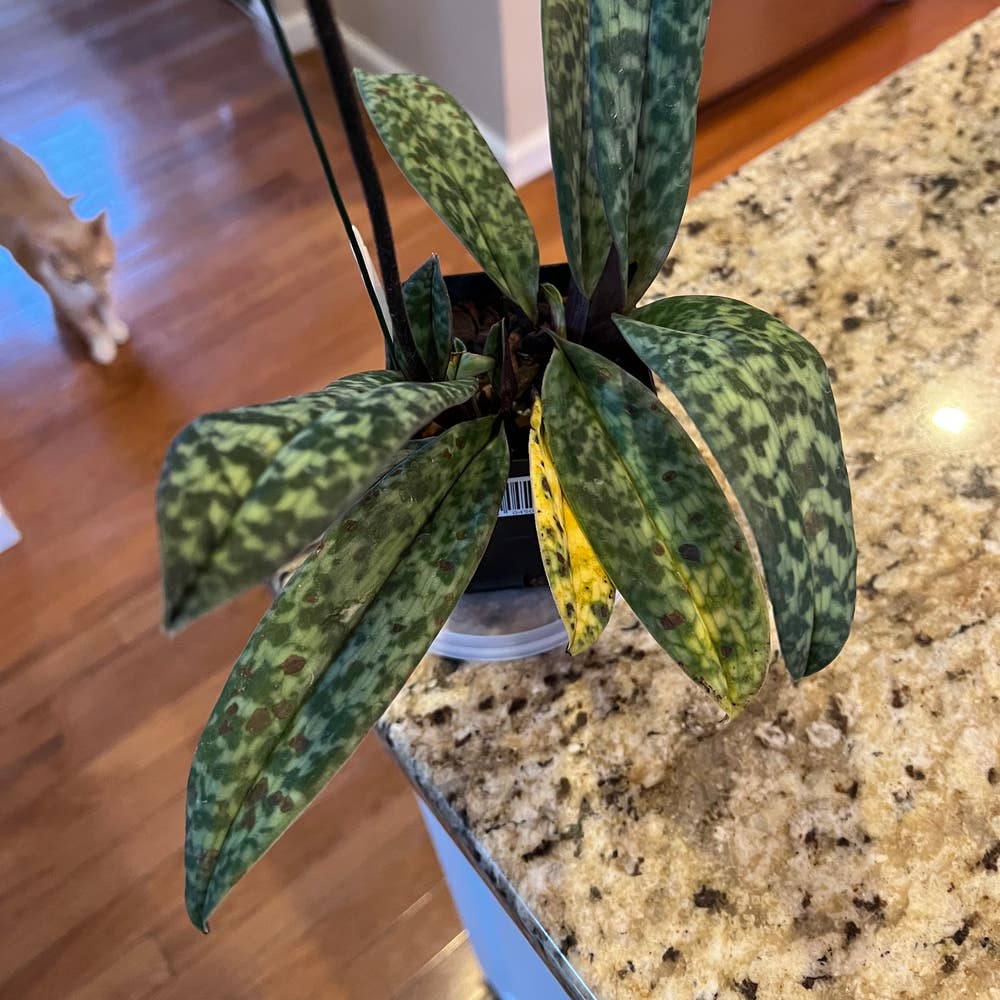
👟 7 Steps to a Healthy Outdoor Callous Paphiopedilum
Paphiopedilum callosum
By the Greg Editorial Team
Sep 29, 2024•6 min read
This article was created with the help of AI so we can cover more plants for you. May contain errors. See one? Report it here.
Cultivate stunning Paphiopedilum orchids 🌸 with essential tips on sunlight, watering, and seasonal care!
- 🌞 Paphiopedilum needs 3-6 hours of bright, indirect sunlight for optimal growth.
- 💧 Water when the top inch of soil is dry, typically every 5-7 days.
- 🌿 Use a well-draining mix and balanced fertilizer for healthy roots and growth.
Sunlight and Location
Ideal sunlight exposure 🌞
Paphiopedilum orchids thrive in bright, indirect sunlight, ideally receiving 3 to 6 hours daily. If you notice yellowing leaves or leggy growth, it’s a sign your plant isn’t getting enough light.
Choosing the right location for outdoor growth 🏡
When selecting a location, consider factors like shade from trees, proximity to structures, and wind protection. East-facing areas are perfect for morning sun, but be sure to avoid harsh afternoon rays that can scorch your orchids.
Finding the right balance in sunlight and location is crucial for the health of your Paphiopedilum. With the right setup, you’ll set the stage for vibrant blooms and robust growth.
Next, let’s dive into the essential watering and soil requirements to keep your orchids thriving.
Watering and Soil Requirements
Watering Frequency and Techniques 🌊
Watering your Paphiopedilum is crucial for its health. Aim to water when the top inch of soil feels dry, which usually means every 5-7 days.
Using distilled or rainwater is ideal. Avoid overhead watering to prevent fungal issues that can harm your plant.
Best Soil Types 🌱
Choosing the right soil is just as important as watering. A well-draining orchid mix containing bark, perlite, and sphagnum moss is perfect for your Paphiopedilum.
Good drainage prevents waterlogging, which can lead to root rot. Healthy roots are essential for a thriving orchid.
With proper watering and soil, your Paphiopedilum will flourish. Next, let’s explore the best fertilization techniques to keep your orchid thriving.
Fertilization Techniques
🌱 Types of fertilizers suitable for orchids
When it comes to feeding your Paphiopedilum, a balanced orchid fertilizer with an N-P-K ratio of 30-10-10 is a solid choice. Slow-release fertilizers can also work well, providing nutrients over time without the need for constant reapplication.
For those leaning towards organic options, consider fish emulsion or seaweed extract. These alternatives not only nourish your plant but also promote a healthier growing environment.
📅 Fertilization schedule and methods
Aim to fertilize every 4-6 weeks during the growing season. This routine helps ensure your orchid gets the nutrients it needs to thrive.
To apply, dilute the fertilizer in water and use it during your regular watering. This method enhances absorption and minimizes the risk of root burn, keeping your plant happy and healthy.
With the right fertilization techniques, your Paphiopedilum will flourish, setting the stage for the next steps in its care.
Planting Options
🌱 Benefits of Container Planting
Container planting offers significant mobility. You can easily move your Paphiopedilum to optimize light exposure and protect it from harsh weather conditions.
Another advantage is soil control. With containers, you can customize the soil mix to ensure proper drainage and nutrient availability, tailored specifically to your orchid's needs.
🌍 Advantages of Planting in the Ground
Planting in the ground provides a more natural environment. This method often results in better humidity retention and temperature stability, which are crucial for healthy growth.
Additionally, ground planting typically requires less frequent watering. The soil's natural moisture can sustain your orchid, reducing the need for constant monitoring.
⚖️ Drawbacks of Each Method
However, container planting has its downsides. It demands more frequent watering and close monitoring to prevent drying out.
On the other hand, ground planting comes with risks. Your orchid may be exposed to pests and diseases from the soil, and you have less control over soil conditions, which can affect growth.
In summary, both planting options have unique benefits and challenges. Choosing the right method depends on your specific circumstances and preferences. Next, let’s explore how to protect your Paphiopedilum from weather extremes and pests.
Protection from Weather and Pests
🌤️ Strategies for Weather Protection
To keep your outdoor Paphiopedilum thriving, consider using shade cloths, mulch, or windbreaks. These methods shield your plants from extreme weather conditions, ensuring they receive the right amount of sunlight and protection.
Seasonal adjustments are crucial, too. During frost or extreme heat, moving containers indoors can make a significant difference in your plant's health.
🐞 Common Outdoor Pests and How to Manage Them
Outdoor pests can be a real headache for orchid lovers. Keep an eye out for aphids and mealybugs; their presence often manifests as sticky residue or discolored leaves.
To manage these pests, neem oil and insecticidal soap are effective options. Additionally, introducing beneficial insects can help keep pest populations in check.
🦠 Diseases Affecting Outdoor Paphiopedilum
Your Paphiopedilum can also fall victim to various diseases. Common issues include root rot and leaf spot, which often show symptoms like wilting or dark spots on leaves.
Preventing these diseases starts with proper watering techniques and ensuring good air circulation around your plants. This proactive approach can save you from future headaches.
As you navigate the challenges of weather and pests, remember that a little vigilance goes a long way. Next, we'll explore how seasonal care and climate considerations can further enhance your orchid's health.
Seasonal Care and Climate Considerations
Seasonal Changes and Their Impact on Care 🌱
Adjusting your care routine is essential as the seasons change. In spring and summer, increase watering and fertilization frequency, while in fall and winter, reduce both to prevent overwatering.
Look out for signs of seasonal stress, such as leaf drop or slowed growth. If you notice these symptoms, reassess your watering schedule and ensure your Paphiopedilum is receiving adequate light.
Special Considerations for Different Climate Zones 🌍
Tailoring care based on USDA hardiness zones can make a significant difference. Understanding your climate zone helps you choose the right Paphiopedilum varieties that thrive in your local conditions.
For instance, some types are better suited for humid environments, while others prefer drier climates. Researching these specifics can lead to healthier plants and a more rewarding gardening experience.
Preparing for Extreme Weather Conditions ⛈️
Preparation is key when facing extreme weather. Protect your plants from frost by using frost cloths or relocating containers to sheltered areas during cold snaps.
During heatwaves or heavy rains, consider using shade cloths or windbreaks. These measures can help maintain a stable environment for your orchids, ensuring they remain healthy and vibrant.
By staying proactive and adjusting your care based on seasonal and climate factors, you can cultivate a thriving outdoor Paphiopedilum. Next, let's explore effective strategies for protecting your orchids from weather extremes and pests.
⚠️ Safety First
This content is for general information and may contain errors, omissions, or outdated details. It is not medical, veterinary advice, or an endorsement of therapeutic claims.
Always consult a qualified healthcare professional before using any plant as food, medicine, or supplement.
Never eat any plant (or feed one to pets) without confirming its identity with at least two trusted sources.
If you suspect poisoning, call Poison Control (800) 222-1222, the Pet Poison Helpline (800) 213-6680, or your local emergency service immediately.
Spotted an error? Please report it here.
Cultivate a thriving outdoor Callous Paphiopedilum with these 7 steps, and let Greg guide you with personalized care reminders 🌼 to ensure your orchids get the perfect balance of light, water, and nutrients!