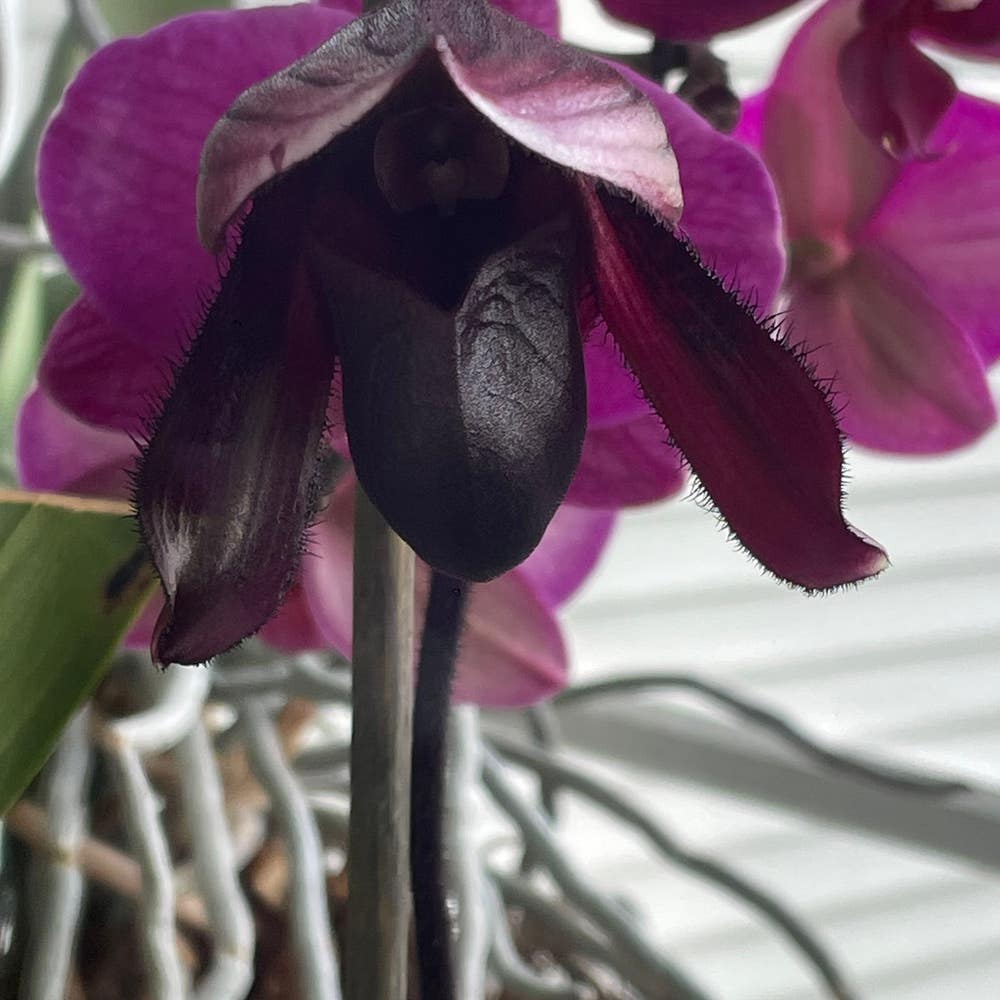
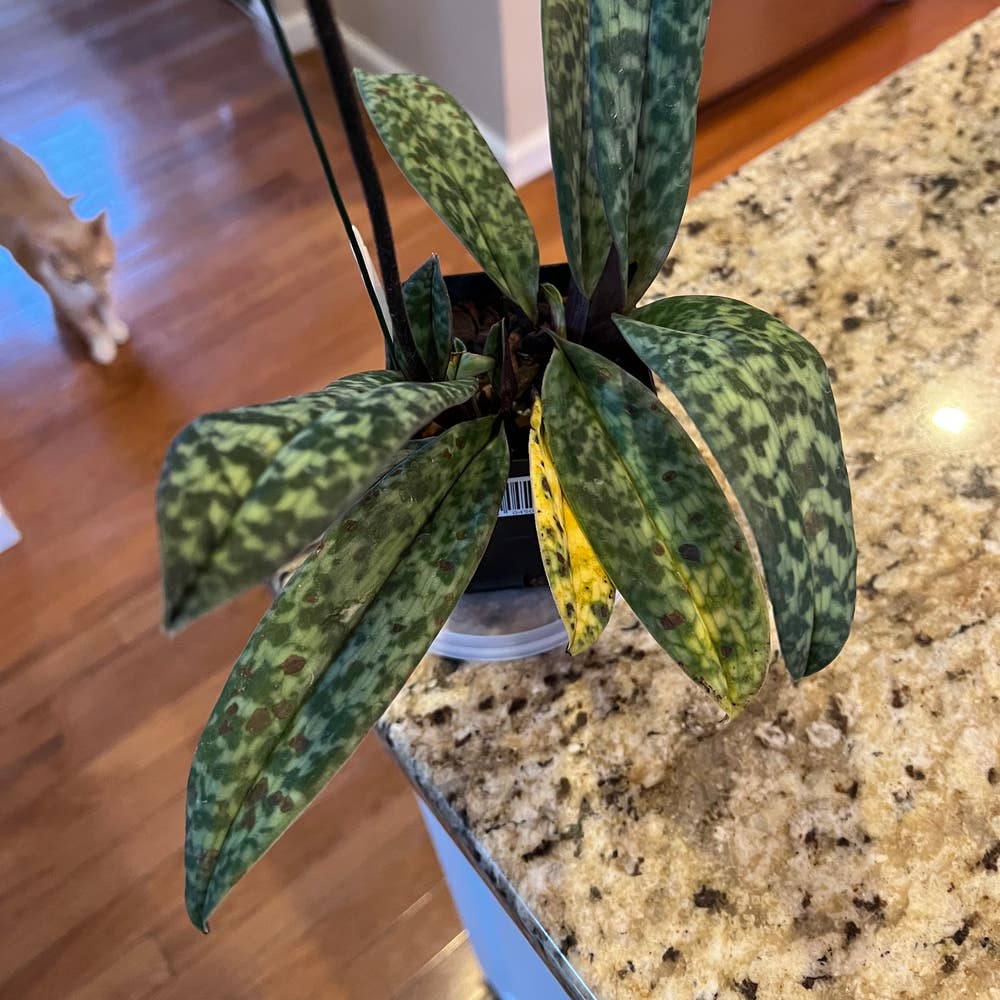
🌸 Paphiopedilum Hardiness Zones: 10a-12b
Paphiopedilum callosum
By the Greg Editorial Team
Sep 29, 2024•5 min read
This article was created with the help of AI so we can cover more plants for you. May contain errors. See one? Report it here.
Unlock the secret to thriving Callous Paphiopedilum orchids by mastering their temperature and climate needs! 🌱
- 🌡️ Callous Paphiopedilum thrives in USDA zones 10a to 12b for optimal growth.
- 🌬️ Temperature stability between 50°F-85°F is crucial for their health and vitality.
- 🌿 Humidity levels of 50-70% are essential for thriving Callous Paphiopedilum orchids.
Temperature Tolerance
❄️ Cold Tolerance Specifics
Callous Paphiopedilum thrives in a cold tolerance range of 50°F to 60°F (10°C to 15°C). These orchids are particularly sensitive to frost, making it essential to provide protection during unexpected cold snaps.
🔥 Heat Tolerance Specifics
For heat tolerance, the ideal temperature range is between 70°F and 85°F (21°C to 29°C). Excessive heat can negatively impact growth and flowering, leading to stress and reduced vitality.
🌡️ Ideal Temperature Ranges for Growth
To maintain optimal health, Callous Paphiopedilum requires stable temperatures. Consistency in temperature is crucial for their overall vigor and growth, ensuring these beautiful orchids flourish in the right conditions.
Understanding these temperature tolerances is vital for successful cultivation. Next, let’s explore the ideal growing regions where these orchids can truly thrive.
Ideal Growing Regions
🌍 Examples of US States in Zones 10a-12b
If you're looking to cultivate Callous Paphiopedilum, several states shine in USDA zones 10a to 12b. California, Florida, and Texas are top contenders, offering climates that align perfectly with the orchid's needs.
In California, regions like Southern California, particularly around Los Angeles and San Diego, provide warm temperatures and ample sunlight. Florida's coastal areas, especially around Miami, also create a tropical paradise for these orchids. Texas, particularly in the southern parts like the Rio Grande Valley, offers a similar warm climate.
🌡️ Factors Contributing to Ideal Growing Conditions
Several climate factors play a crucial role in creating ideal conditions for Callous Paphiopedilum. Humidity levels, temperature stability, and sunlight exposure are key elements to consider.
Maintaining a humidity level of around 50-70% is vital for these orchids. Additionally, stable temperatures year-round help prevent stress and promote healthy growth. Avoiding frost is essential, as even a light freeze can damage these delicate plants.
🏞️ Comparison of Different Regions Within the Suitable Zones
Not all areas within these states are created equal when it comes to growing conditions. Microclimates can significantly impact the success of your Callous Paphiopedilum.
For instance, coastal regions often enjoy milder temperatures and higher humidity compared to inland areas. Similarly, urban environments with heat-retaining structures can create warmer microclimates, making them more suitable for these orchids. Understanding these variations can help you choose the best spot for your plants.
With the right knowledge of ideal growing regions, you're well on your way to nurturing thriving Callous Paphiopedilum. Next, let's dive into the fascinating world of microclimates and how they can enhance your gardening experience.
Microclimates and Their Impact
🌍 Definition and Importance of Microclimates
Microclimates are localized climate conditions that differ from the broader climate zone surrounding them. They can be influenced by local geography, such as hills, valleys, and even buildings, which can create unique environments for plant growth.
Understanding microclimates is crucial for gardeners and horticulturists. They can significantly affect the health and growth of plants like Callous Paphiopedilum, allowing for more successful cultivation in less-than-ideal conditions.
🌱 How Microclimates Can Extend Growing Zones
Microclimates can enable the growth of plants outside their typical hardiness zones. For instance, a sheltered area with a south-facing wall can trap heat, creating a warmer environment that supports plant life.
Factors contributing to favorable microclimates include sunlight exposure, wind protection, and moisture retention. These elements can make a significant difference in whether a plant thrives or struggles.
🌸 Examples of Microclimates That Benefit Callous Paphiopedilum
In the U.S., certain microclimates are particularly beneficial for growing Callous Paphiopedilum. Urban environments often create heat islands, where temperatures are slightly elevated, making them suitable for these orchids.
Greenhouses and protected gardens also provide ideal conditions. They can maintain stable temperatures and humidity levels, allowing for year-round growth and flowering. Understanding these microclimates can help gardeners maximize their success with this beautiful plant.
As we explore state-level suitability, consider how these microclimates can influence your gardening choices.
State-Level Suitability Analysis
🌱 List of US States Suitable for Callous Paphiopedilum
Callous Paphiopedilum thrives in USDA zones 10a-12b, making several states ideal for its growth.
- California: Known for its warm climate and stable temperatures, particularly in coastal and southern regions.
- Florida: Offers high humidity and consistent warmth, perfect for these orchids.
- Texas: The southern parts provide the necessary heat and humidity, especially near the Gulf Coast.
These states create a welcoming environment for Callous Paphiopedilum, ensuring they flourish with the right care.
❌ List of US States Unsuitable for Callous Paphiopedilum
Not all states can support the growth of Callous Paphiopedilum.
- North Dakota: Experiences harsh winters with temperatures well below the tolerance range.
- Montana: Cold snaps and frost can severely hinder growth.
- Maine: The climate is too frigid, especially during winter months.
These states face challenges like colder temperatures and frost, making them unsuitable for this delicate orchid.
🌡️ Reasons for Suitability or Unsuitability Based on Climate Factors
The success of Callous Paphiopedilum hinges on specific climate conditions.
- Temperature Stability: Ideal growth occurs in warm, stable temperatures, avoiding extremes.
- Frost Dates: The timing of the first and last frost is crucial. Late frosts can damage young plants, while early frosts can cut the growing season short.
Understanding these factors helps gardeners choose the right location for their Callous Paphiopedilum, ensuring a thriving growth environment.
As we explore the nuances of microclimates next, we'll see how local conditions can further influence the success of these beautiful orchids.
⚠️ Safety First
This content is for general information and may contain errors, omissions, or outdated details. It is not medical, veterinary advice, or an endorsement of therapeutic claims.
Always consult a qualified healthcare professional before using any plant as food, medicine, or supplement.
Never eat any plant (or feed one to pets) without confirming its identity with at least two trusted sources.
If you suspect poisoning, call Poison Control (800) 222-1222, the Pet Poison Helpline (800) 213-6680, or your local emergency service immediately.
Spotted an error? Please report it here.
Cultivating Callous Paphiopedilum orchids 🌺 is a breeze with Greg's tailored care plans that help you maintain the perfect temperature and humidity for thriving blooms!