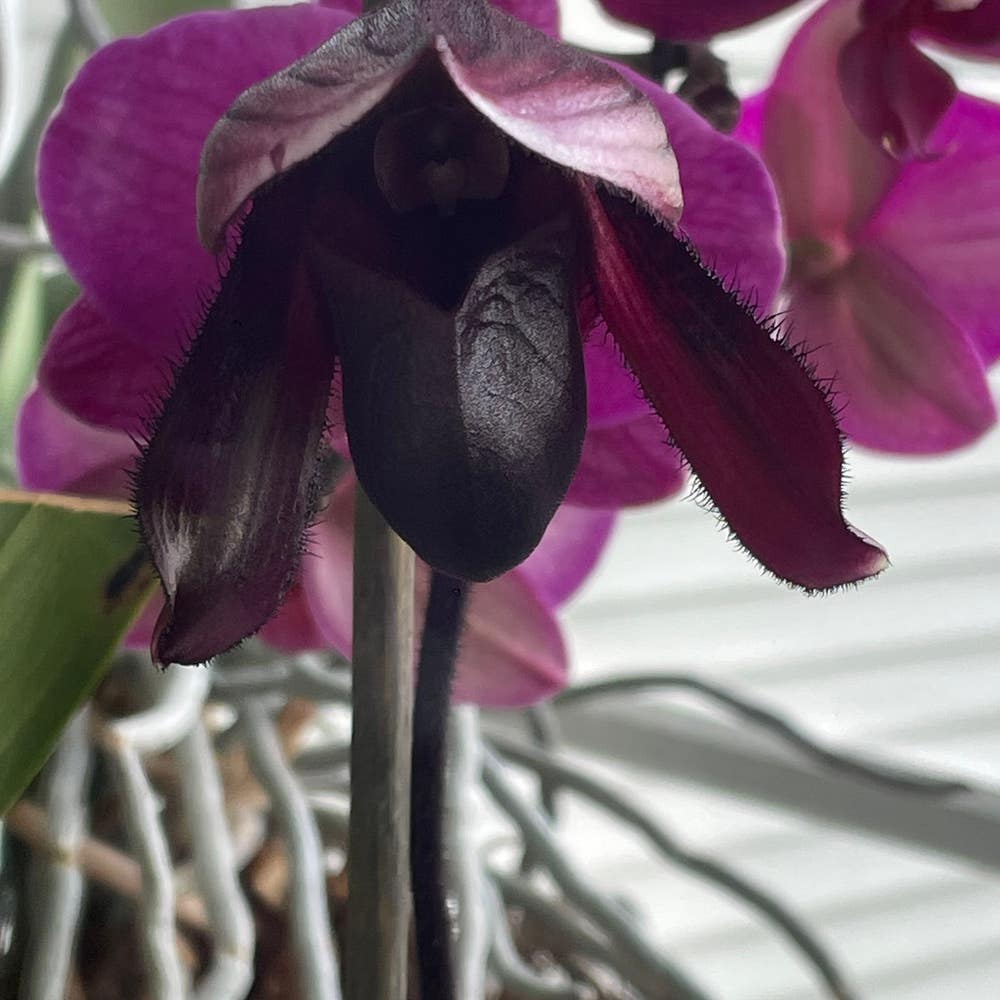
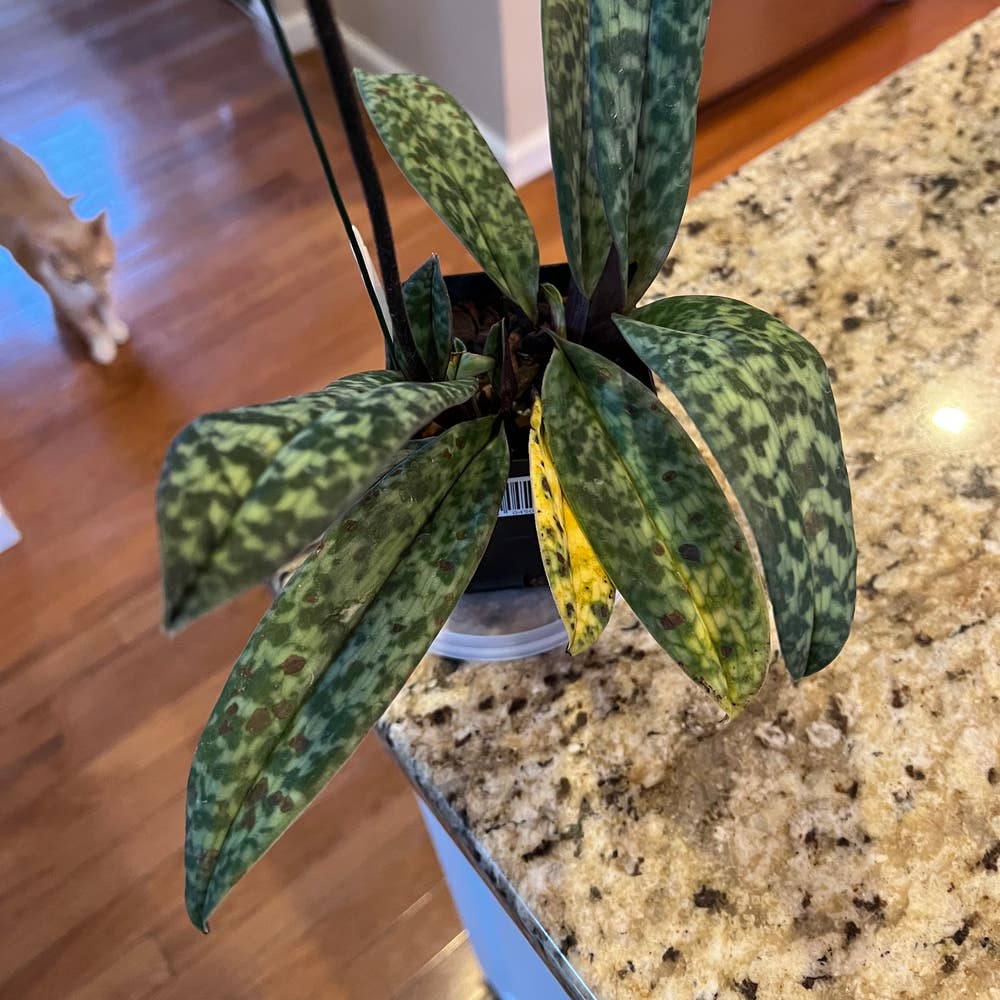
🌞 How Much Sunlight For Your Paphiopedilum callosum
Paphiopedilum callosum
By the Greg Editorial Team
Mar 21, 2024•4 min read
This article was created with the help of AI so we can cover more plants for you. May contain errors. See one? Report it here.
Nurture your Paphiopedilum callosum to full bloom 🌸 with the art of balancing sunlight just right!
- 🌱 East-facing window for dappled light mimics orchid's natural habitat.
- 🌞 Bright, indirect light is key for flowering; avoid direct sun.
- 💡 LED grow lights and timers support consistent indoor light cycles.
Sunlight Indoors: Finding the Sweet Spot
🌿 Replicating the Jungle Canopy
To nail the dappled light conditions Paphiopedilum callosum adores, think of its jungle origins. East-facing windows snag that sweet morning sun without the harsh midday glare. It's about quality, not intensity.
Position your orchid where it can bask in bright, indirect light. This could be near a window with a sheer curtain or set back from a south-facing one. Your goal: a light-drenched, but not sun-scorched, haven.
🛡️ Shielding from the Harsh Sun
Leaf burn is the tell-tale sign of too much direct sunlight. If your orchid's leaves sport reddish edges or look like they've been in a tanning bed too long, it's time to intervene.
Get creative with shading. Use sheer curtains or place your plant behind other greenery. This filters the light, giving your orchid the protection it craves. Remember, your plant is not auditioning for a role in a desert scene.
Outdoor Light Strategy: Balancing Sun and Shade
🌳 Mimicking Natural Conditions
Trees and structures act as natural umbrellas, providing the filtered sunlight Paphiopedilum callosum craves. Think of them as your plant's personal sunblock.
🌞 Adjusting to the seasonal sun is crucial. Your orchid's outdoor spot may need a shuffle as the earth tilts and turns.
🕶 Preventing Sunburn in the Garden
Midday sun is a danger zone for Paphiopedilum callosum. Heat stress and sunburn can sneak up on your green companion like a thief in the afternoon.
Protective screens or a timely plant shuffle to shadier grounds can save the day. It's like giving your orchid a pair of sunglasses when the sun's too bright.
Boosting Blooms with the Right Light
💡 Light's Role in Triggering Flowering
Light is the conductor of Paphiopedilum callosum's blooming orchestra. It cues the plant to start its floral show. Without the proper light, your orchid's blooms might as well be a no-show.
Bright, indirect light is the sweet spot for triggering flower spikes. It's like the plant's personal trainer, pushing it to peak performance without overdoing it.
💡 Optimal Light Conditions for Encouraging Flowers
To get those blooms popping, think medium light year-round. Direct sunlight is a definite no-go; it's the equivalent of a floral sunburn.
During the darker months, supplementary fluorescent light can be a game-changer. It's like giving your orchid a dose of artificial summer, encouraging it to strut its stuff with flowers.
Keep the light consistent, but not stagnant. As seasons change, so should your light strategy. It's about being responsive, like a DJ adjusting the beats to keep the dance floor full—only you're keeping the blooms coming.
Grow Lights: The Indoor Sun Substitute
💡 Choosing the Right Grow Light
Grow lights are the backstage heroes for Paphiopedilum callosum when the sun clocks out. LEDs are the frontrunners, offering a full spectrum of light while keeping your energy bills from skyrocketing. Fluorescent bulbs are the old school alternative, not as efficient but kinder to your wallet.
Positioning is crucial; aim for a cozy distance above your orchid, avoiding the extremes of a sunburn or a light-starved existence. Think of it as setting up a personal spotlight for your plant's solo performance.
⏰ Timing is Everything
Your orchid's internal clock thrives on consistency. 12-hour cycles are a good baseline, mimicking the natural rhythm of day and night. But keep an eye on your plant's feedback – it's the best critic of your lighting setup.
Timers are your secret weapon, turning your grow lights into a reliable sunrise and sunset. Adjust the light schedule to encourage growth or nudge your Paphiopedilum callosum into a floral encore. It's about finding that sweet spot where your orchid feels like it's basking in endless summer days.
⚠️ Safety First
This content is for general information and may contain errors, omissions, or outdated details. It is not medical, veterinary advice, or an endorsement of therapeutic claims.
Always consult a qualified healthcare professional before using any plant as food, medicine, or supplement.
Never eat any plant (or feed one to pets) without confirming its identity with at least two trusted sources.
If you suspect poisoning, call Poison Control (800) 222-1222, the Pet Poison Helpline (800) 213-6680, or your local emergency service immediately.
Spotted an error? Please report it here.
Ensure your orchid gets the perfect glow 🌟 with Greg's custom light cycle reminders, making sure your Paphiopedilum callosum thrives in every season.