🌸 Callous Paphiopedilum Wilting: Causes and Solutions
Paphiopedilum callosum
By the Greg Editorial Team
Sep 29, 2024•7 min read
This article was created with the help of AI so we can cover more plants for you. May contain errors. See one? Report it here.
Transform your wilting Paphiopedilum into a thriving beauty with these expert care tips! 🌱✨
- 💧 Wilting in Paphiopedilum often signals water stress from underwatering or overwatering.
- 🌡️ Heat stress causes wilting; relocate to indirect light for relief.
- 🌱 Regular monitoring and care adjustments are key to preventing future wilting.
Common Causes of Wilting Leaves
💧 Water Stress
Wilting leaves often signal water stress, characterized by drooping foliage and dry leaf tips. This can stem from two primary issues: underwatering or overwatering.
Underwatering occurs when the plant isn’t watered frequently enough, leading to dry conditions that sap moisture from the leaves. Conversely, overwatering can create poor drainage, resulting in root rot, which ultimately causes the plant to wilt.
🔥 Heat Stress
Heat stress is another common culprit behind wilting. Symptoms include leaves that curl or develop brown edges, indicating the plant is struggling to cope with high temperatures.
Exposure to direct sunlight can lead to overheating, especially if the plant lacks sufficient shade. Additionally, high ambient temperatures can exacerbate the situation, particularly when humidity levels are inadequate.
🦠 Disease-Related Wilting
While it’s easy to jump to conclusions about diseases, most wilting in plants like the Paphiopedilum is due to environmental factors rather than pathogens. Understanding this can help you focus on adjusting care rather than worrying about diseases that may not be present.
By recognizing these common causes of wilting leaves, you can take proactive steps to ensure your Paphiopedilum thrives. Next, let’s delve into how to diagnose wilting effectively.
Diagnosing Wilting
Step-by-Step Guide 🌱
Assess Watering Schedule: Start by checking how often and how much you water your Paphiopedilum. Infrequent watering can lead to dryness, while too much can drown the roots.
Examine Environmental Conditions: Take a moment to look at the temperature and humidity levels around your plant. Both factors play a crucial role in its overall health.
Inspect the Root System: Gently remove the plant from its pot to check for signs of rot or damage. Healthy roots should be firm and white, while rotten roots appear brown and mushy.
Observe Leaf Condition: Look closely at the leaves for any discoloration, texture changes, or signs of pests. This can provide vital clues about what’s going wrong.
Signs to Look for in Leaf Condition 🍃
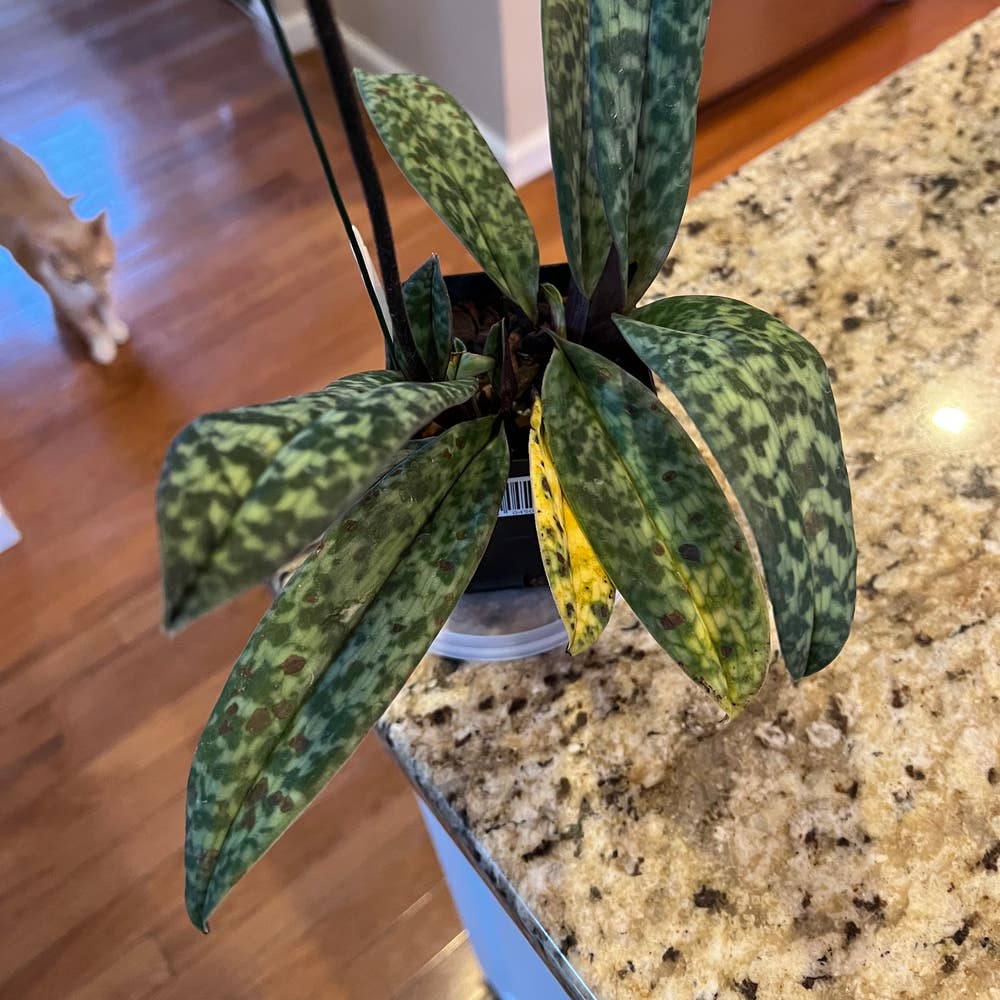
Healthy vs. Wilted Leaves: Compare the color and firmness of healthy leaves to those that are wilting. Healthy leaves are typically vibrant and firm, while wilted ones may appear dull and limp.
Specific Indicators:
- Water Stress: Look for drooping leaves or dry tips.
- Heat Stress: Check for curling or browning edges.
- Disease-Related Issues: Watch for unusual spots or lesions.
By following these steps, you can pinpoint the cause of wilting and take appropriate action. Understanding your plant's needs is key to keeping it thriving.
Next, let’s explore actionable solutions to revive those wilting leaves.
Solutions for Wilting Leaves
💧 Actionable Advice for Water Stress
Adjusting your watering frequency is crucial for maintaining healthy Paphiopedilum orchids. Aim for consistent moisture; the soil should feel slightly damp but never soggy.
Implementing bottom watering techniques can also be beneficial. Simply place the pot in a tray of water and let it absorb moisture from the bottom for about 30 minutes. This method encourages healthy root growth and prevents overwatering.
🌡️ Actionable Advice for Heat Stress
If your plant is suffering from heat stress, consider relocating it to a spot with indirect light. This simple change can significantly reduce leaf curling and browning.
Increasing humidity around your orchid is another effective strategy. You can achieve this by misting the leaves, using a humidity tray, or placing a small humidifier nearby.
🦠 Actionable Advice for Disease-Related Wilting
Identifying and treating potential diseases is essential for reviving a wilted orchid. Look for signs of fungal or bacterial infections, such as unusual spots or a foul smell.
Preventive measures are equally important. Ensure good air circulation around your plant and maintain hygiene by regularly cleaning the leaves and pot to minimize disease risk.
By following these actionable solutions, you can help your Paphiopedilum thrive and prevent future wilting episodes. Next, let’s explore preventive measures to keep your plant healthy in the long run.
Preventive Measures
Tips to Minimize Future Wilting Episodes 🌿
Regular monitoring is essential for keeping your Paphiopedilum healthy. Check moisture levels frequently and adjust your care routine based on environmental conditions.
Seasonal changes can significantly impact your plant's needs. Tailor your watering and humidity levels accordingly to prevent wilting.
Environmental Adjustments for Optimal Growth 🌡️
Understanding the ideal temperature and humidity ranges is crucial. Aim for temperatures between 65°F and 75°F (18°C to 24°C) and humidity levels around 50% to 70%.
Choosing the right potting mix can make all the difference. Opt for a well-draining substrate that retains some moisture without becoming soggy, ensuring your plant thrives.
By implementing these preventive measures, you can significantly reduce the risk of wilting and promote a healthier growing environment for your Paphiopedilum. Next, let’s explore effective techniques for reviving a wilted plant.
Reviving a Wilted Plant
🌊 Techniques for Bottom Watering
Bottom watering is a gentle way to hydrate your orchids. Here’s how to do it effectively:
- Choose the Right Container: Select a shallow tray or basin that can hold water without submerging the plant.
- Fill with Water: Pour enough water into the tray to reach about one-third of the pot's height.
- Place the Pot: Set the orchid pot in the tray, allowing it to absorb moisture through the drainage holes.
- Monitor Absorption: Leave it for about 30 minutes, then check if the topsoil feels moist. If not, let it sit a bit longer.
- Remove Excess Water: After watering, ensure no water remains in the tray to prevent root rot.
🏡 Temporary Relocation Strategies
Sometimes, a change of scenery can work wonders for a wilted plant. Here’s how to find a suitable temporary environment:
- Criteria for Selection: Look for a spot with indirect sunlight and stable temperatures. Avoid drafts and extreme heat sources.
- Duration of Stay: Keep the plant in its new location for at least a week. This allows it to recover without the stress of constant movement.
✂️ Pruning Damaged Leaves
Pruning can help your plant focus its energy on healthy growth. Here’s when and how to prune effectively:
- When to Prune: Remove wilted or damaged leaves when they show significant discoloration or softness. This helps prevent potential disease spread.
- How to Prune: Use clean, sharp pruning shears to cut leaves at the base, ensuring a clean cut to minimize stress.
🛠️ Tools Needed
Invest in a good pair of pruning shears. Look for ones that are sharp and easy to handle, as this will make the process smoother and more efficient.
Reviving a wilted plant requires patience and care. By employing these techniques, you can help your orchid bounce back and thrive. Next, let’s explore when it’s time to seek professional help for persistent issues.
When to Seek Help
🆘 Signs That Require Expert Assistance
Sometimes, despite your best efforts, your Paphiopedilum may continue to wilt. If you've adjusted your care routine and the wilting persists, it might be time to seek professional help.
Look for signs like persistent drooping or discoloration that doesn't improve with changes in watering or light. These could indicate deeper issues that require expert diagnosis.
📚 Resources
Finding local nurseries can be a game-changer. Look for establishments with knowledgeable staff who can provide tailored advice based on your specific plant's needs.
Engaging with the plant care community online is another great resource. Sharing experiences and seeking advice can lead to valuable insights and support from fellow plant enthusiasts.
By leveraging these resources, you can ensure your Callous Paphiopedilum gets the care it deserves. This proactive approach not only helps your plant thrive but also enhances your gardening journey.
As you navigate these challenges, remember that every plant has its story, and sometimes, a little expert guidance can make all the difference.
⚠️ Safety First
This content is for general information and may contain errors, omissions, or outdated details. It is not medical, veterinary advice, or an endorsement of therapeutic claims.
Always consult a qualified healthcare professional before using any plant as food, medicine, or supplement.
Never eat any plant (or feed one to pets) without confirming its identity with at least two trusted sources.
If you suspect poisoning, call Poison Control (800) 222-1222, the Pet Poison Helpline (800) 213-6680, or your local emergency service immediately.
Spotted an error? Please report it here.
Revive your wilting Paphiopedilum orchids with smart adjustments 🌱 and let Greg guide you with tailored watering reminders and care tips for thriving blooms!