👡 Ultimate Guide to What's Eating Your Callous Paphiopedilum
Paphiopedilum callosum
By the Greg Editorial Team
Sep 29, 2024•7 min read
This article was created with the help of AI so we can cover more plants for you. May contain errors. See one? Report it here.
Safeguard your beautiful Callous Paphiopedilum 🌺 while inviting beneficial wildlife into your garden ecosystem!
- 🌸 Callous Paphiopedilum attracts herbivores due to its striking flowers and lush foliage.
- 🦌 Common threats include deer, rabbits, and squirrels; monitor for signs of damage.
- 🚫 Effective deterrents like fencing and organic repellents can protect your plants.
Most Appealing Parts to Animals
Description of Appearance and Characteristics 🌺
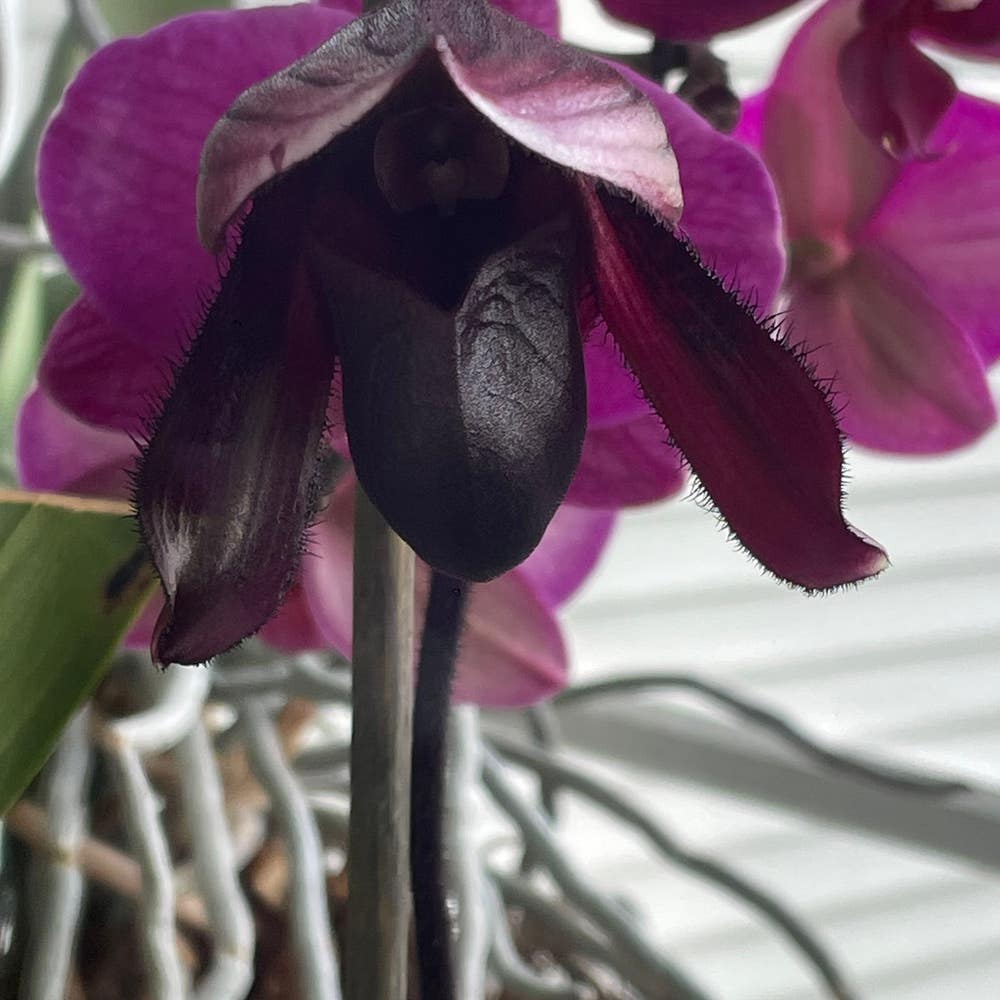
The Callous Paphiopedilum is a visual delight, boasting a unique flower structure that captivates both gardeners and curious animals. Its flowers are often characterized by intricate shapes, vibrant colors, and varying sizes, making them a standout feature in any garden.
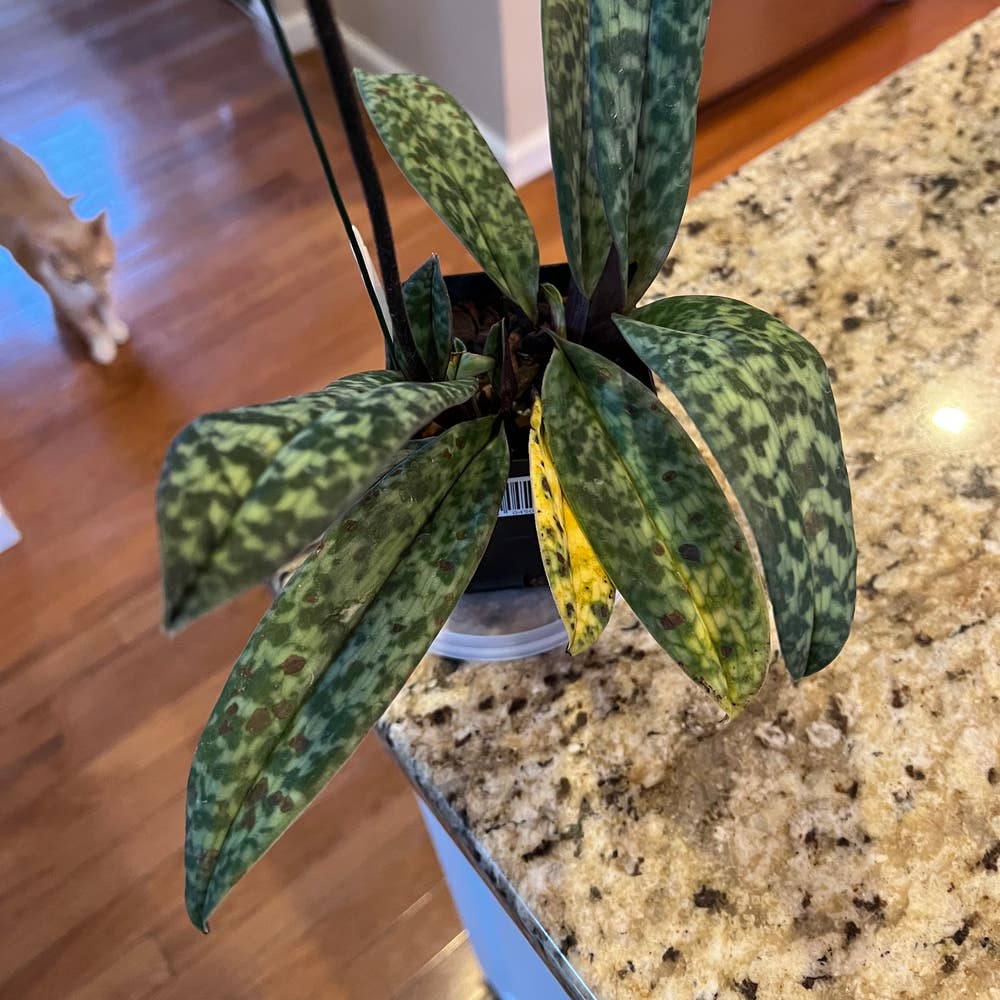
The lush foliage complements the flowers beautifully. With broad, textured leaves that exhibit a rich green hue, the plant's growth habit adds to its overall appeal. These leaves not only provide a striking backdrop but also serve as a tempting snack for herbivores.
To thrive, the Callous Paphiopedilum requires specific growth conditions. Ideal humidity levels and light exposure are crucial for its health, making it a prime target for animals seeking a nutritious meal. Understanding these characteristics helps gardeners protect their plants while appreciating their beauty.
As we delve deeper into the challenges posed by herbivores, it's essential to recognize how these appealing features attract various animals.
Common Herbivores Affecting Callous Paphiopedilum
🦌 Deer
Signs of Presence and Damage
Deer are notorious for their love of lush foliage. Look for hoof prints and browsing patterns, along with stripped leaves and nibbled flowers.
Impact on the Plant
Their feeding habits can be detrimental. This generally leads to stunted growth and reduced flowering, which is a significant concern for any gardener.
Deterrent Methods
To keep deer at bay, consider using commercial deer repellents. Alternatively, planting deer-resistant species nearby or employing scent deterrents can be effective organic methods.
🐇 Rabbits
Signs of Presence and Damage
Rabbits leave behind small, round droppings and distinctive gnaw marks. You’ll notice clean cuts on leaves and stems, indicating their presence.
Impact on the Plant
These little munchers can wreak havoc on young plants and flowers. Their feeding can decimate your prized Paphiopedilum, making them a serious threat.
Deterrent Methods
Bitter sprays can serve as chemical deterrents against rabbits. For a more organic approach, consider fencing or using repellents like garlic or hot pepper.
🐿️ Squirrels
Signs of Presence and Damage
Squirrels can be sneaky. Look for scratches on the ground and chewed stems, along with missing flowers that hint at their activity.
Impact on the Plant
Their antics can disrupt growth and flowering. This generally harmful behavior can leave your plant looking worse for wear.
Deterrent Methods
Squirrel repellents are available as chemical deterrents. You might also try motion-activated sprinklers or reflective objects to keep them away organically.
🐦 Birds
Signs of Presence and Damage
Birds can be both friends and foes. Look for feathers and droppings near your plant, along with pecks on flowers and leaves.
Impact on the Plant
While some birds help with pollination, others can cause damage. This mixed impact makes it essential to monitor their activity.
Deterrent Methods
Bird-safe sprays can deter unwanted feathered visitors. Alternatively, netting or scare devices like shiny objects can help protect your plants.
🐭 Rodents (Mice, Voles, etc.)
Signs of Presence and Damage
Rodents leave small holes in the soil and droppings as telltale signs. Their damage often includes gnawed roots and stems, which can be alarming.
Impact on the Plant
These critters can lead to root damage and even plant death. Their generally harmful presence is something to take seriously.
Deterrent Methods
Rodent bait stations are a chemical deterrent option. For a more organic solution, traps and planting deterrent herbs can be effective.
🦡 Groundhogs/Woodchucks
Signs of Presence and Damage
Groundhogs are easy to spot with their large paw prints and burrow entrances. Look for significant chewing on stems and leaves as signs of their activity.
Impact on the Plant
These animals can severely damage or even kill your Paphiopedilum. Their feeding habits pose a serious threat to your garden.
Deterrent Methods
Commercial repellents can deter groundhogs effectively. For a more hands-on approach, consider fencing that’s at least 3 feet high and modifying their habitat to make it less inviting.
Understanding these common herbivores and their impact on Callous Paphiopedilum is crucial for maintaining a healthy garden. With the right deterrent methods, you can protect your plants and enjoy their beauty for years to come.
Beneficial Animals and Ecological Role
🐝 Description of Beneficial Animals Attracted to Callous Paphiopedilum
Callous Paphiopedilum isn’t just a feast for herbivores; it also attracts a host of beneficial animals. Pollinators like bees and butterflies are drawn to its unique flowers, playing a crucial role in the plant's reproductive success.
In addition, predatory insects such as ladybugs and lacewings find a home among the foliage. These helpful critters are nature's pest control agents, keeping harmful insect populations in check.
🌱 Positive Impacts on the Garden Ecosystem
The presence of pollinators is vital for fruit and seed production. Their activity ensures that your garden thrives, leading to a more vibrant ecosystem.
Beneficial insects also contribute to maintaining plant health by preying on pests. This natural balance reduces the need for chemical interventions, promoting a healthier environment for all garden inhabitants.
By fostering these beneficial relationships, you not only enhance the beauty of your garden but also support a thriving ecosystem. Understanding these dynamics can inspire you to create a more inviting space for both plants and wildlife.
As we explore strategies for protecting your Callous Paphiopedilum, consider how these beneficial animals can play a role in your garden's health.
General Strategies for Protection
🛡️ Preventive Measures for Protecting Callous Paphiopedilum
Fencing is a straightforward yet effective way to protect your Callous Paphiopedilum. Aim for a height of at least three feet, using sturdy materials like wire mesh to keep herbivores at bay.
Companion planting can also be a game-changer. Pairing your orchids with plants that deter herbivores can create a natural barrier against unwanted munchers.
Regular monitoring is crucial. Make it a habit to check for signs of animal activity, such as tracks or nibble marks, to catch any issues early.
⚠️ Reactive Solutions for Managing Animal Interactions
If you discover damage, immediate action is essential. Assess the extent of the harm and consider temporary barriers or repellents to deter further visits.
For long-term strategies, think about adjusting your garden layout. Selecting plants that are less appealing to herbivores can help maintain a harmonious ecosystem.
🍂 Seasonal Variations in Animal Attraction to the Plant
In spring, expect increased activity from herbivores as plants emerge. This is the time when your Callous Paphiopedilum is most vulnerable.
During summer, feeding habits may change, making your orchids more attractive. Keep an eye out for any new visitors.
As fall approaches, animals prepare for winter, which can lead to potential damage. Stay vigilant to protect your plants during this transition.
By implementing these strategies, you can create a thriving environment for your Callous Paphiopedilum while minimizing the impact of herbivores. Next, let's explore the beneficial animals that can enhance your garden ecosystem.
Toxicity and Safety
🐾 Discussion of Any Toxic Effects of Callous Paphiopedilum on Animals
Callous Paphiopedilum exhibits mild toxicity, primarily affecting common herbivores. While not lethal, ingestion can lead to discomfort and deter animals from munching on these beautiful orchids.
🦙 Implications for Animal Interactions
The mild toxicity of Callous Paphiopedilum can serve as a natural deterrent for some animals. This characteristic may help protect the plant, allowing it to thrive in gardens where herbivores are prevalent.
Understanding these toxic effects can empower gardeners to cultivate a more resilient environment. By leveraging the plant's natural defenses, you can create a thriving space that balances beauty and biodiversity.
As you consider the various challenges posed by herbivores, remember that the right strategies can enhance your garden's health and vitality. Next, we’ll explore general strategies for protecting your Callous Paphiopedilum from unwanted animal interactions.
⚠️ Safety First
This content is for general information and may contain errors, omissions, or outdated details. It is not medical, veterinary advice, or an endorsement of therapeutic claims.
Always consult a qualified healthcare professional before using any plant as food, medicine, or supplement.
Never eat any plant (or feed one to pets) without confirming its identity with at least two trusted sources.
If you suspect poisoning, call Poison Control (800) 222-1222, the Pet Poison Helpline (800) 213-6680, or your local emergency service immediately.
Spotted an error? Please report it here.
Safeguard your gorgeous Callous Paphiopedilum from pesky herbivores 🦌 with Greg's personalized tips and reminders, ensuring it flourishes in your garden!