🌸 Ultimate Guide to Growing Callous Paphiopedilum
Paphiopedilum callosum
By the Greg Editorial Team
Sep 29, 2024•5 min read
This article was created with the help of AI so we can cover more plants for you. May contain errors. See one? Report it here.
Transform your Callous Paphiopedilum orchids 🌸 into stunning blooms with essential care and propagation tips!
- 🌞 Bright, indirect light is essential; avoid direct sunlight to prevent leaf scorch.
- 🌡️ Maintain 20-25°C temperature and 50-70% humidity for optimal Callous Paphiopedilum growth.
- 💧 Water every 1-2 weeks, allowing soil to dry out for healthy roots.
Choosing the Right Location
💡 Light Requirements
For your Callous Paphiopedilum, bright, indirect light is essential. Direct sunlight can scorch the leaves, so position your plant where it can soak up the brightness without the harsh rays.
🌡️ Temperature and Humidity Preferences
Maintaining an optimal temperature range of 20°C to 25°C (68°F to 77°F) is crucial for healthy growth.
Humidity levels should hover between 50-70%. To boost moisture, consider using humidity trays or misting your plant regularly.
Creating the right environment will set your orchid up for success, allowing it to thrive and flourish.
With the ideal location established, let’s dive into soil preparation next.
Soil Preparation
Best Soil Mixes 🌱
For your Callous Paphiopedilum, the right potting mix is crucial. A combination of bark, perlite, and sphagnum moss creates an ideal environment, ensuring good aeration and moisture retention.
Using a well-draining mix is essential to prevent root rot. Orchids thrive when their roots can breathe, so avoid heavy soils that retain too much water.
Importance of Drainage 🚰
Drainage is non-negotiable when it comes to potting orchids. Always choose pots with drainage holes to allow excess water to escape, keeping roots healthy.
Regularly check for compacted soil, as it can hinder drainage. If you notice the soil is hard or water isn't soaking in, it might be time to refresh your mix or repot.
With the right soil and drainage, your Paphiopedilum will be set for success. Next, let’s dive into the best planting techniques to ensure your orchid thrives.
Planting Techniques
Container Selection 🌱
Choosing the right container is crucial for your Callous Paphiopedilum. Opt for pots that allow airflow to the roots, such as clay or plastic with drainage holes.
Size matters too; select pots that are slightly larger than the root ball. This gives your plant room to grow without being overwhelmed by excess soil.
Repotting Guidelines 🔄
Repotting is essential for maintaining healthy growth. Aim to repot every 1-2 years or whenever the potting mix breaks down.
Follow these simple steps for successful repotting:
- Gently remove the plant from its pot.
- Trim any dead or damaged roots to promote new growth.
- Place the plant in fresh potting mix, ensuring the crown remains above the soil line.
By keeping these techniques in mind, you’ll set your Callous Paphiopedilum up for thriving growth. Next, let’s dive into the watering and fertilizing needs to keep your plant healthy and vibrant.
Watering and Fertilizing
Watering Schedule 🌊
Watering your Callous Paphiopedilum is crucial for its health. Aim to water every 1-2 weeks, ensuring the top inch of soil dries out between waterings.
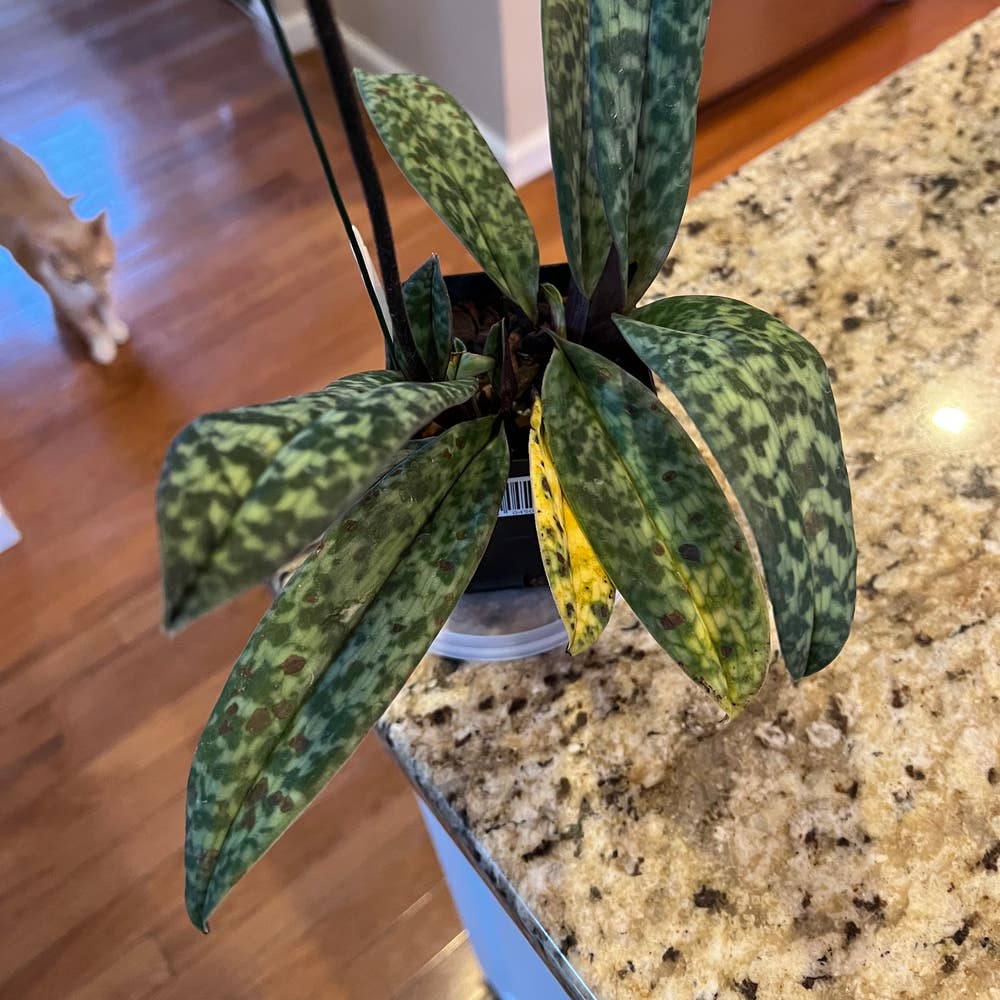
Watch for signs of overwatering, such as yellowing leaves and mushy roots. Conversely, if you notice shriveled leaves or dry potting mix, it may be time to increase your watering frequency.
Fertilizing Routine 🌱
Choosing the right fertilizer can make a significant difference in your orchid's growth. Opt for balanced, water-soluble fertilizers, like a 30-10-10 mix, which are ideal for orchids.
Fertilize every 4-6 weeks during the growing season, but remember to dilute it to half strength. This approach helps provide essential nutrients without overwhelming your plant.
By following these watering and fertilizing guidelines, you’ll set your Callous Paphiopedilum up for success. Next, let’s explore common challenges and solutions to keep your orchid thriving.
Common Challenges and Solutions
Identifying Common Pests and Diseases 🐛
Callous Paphiopedilum can face a few pesky intruders. Common pests include aphids, mealybugs, and spider mites, which can wreak havoc if left unchecked.
To combat these nuisances, consider using insecticidal soap or neem oil. Manual removal is also effective; just be sure to inspect your plants regularly.
Diseases like root rot and leaf spot can also pose threats. Prevent these issues by practicing proper watering techniques and ensuring good air circulation around your plants.
Addressing Environmental Stressors 🌡️
Temperature and humidity can be tricky for your orchids. If conditions fluctuate, using humidifiers or air conditioning can help maintain a stable environment.
Don’t forget about light exposure! Adjust it based on seasonal changes to keep your Paphiopedilum thriving. Regular monitoring will ensure your plants remain healthy and vibrant.
With these strategies, you can tackle common challenges head-on, ensuring your orchids flourish. Next, let’s explore advanced care techniques to elevate your growing experience.
Advanced Care Techniques
🌱 Propagation Methods
Propagation is a rewarding way to expand your collection of Callous Paphiopedilum. The two primary methods are division and seed propagation.
Division
When repotting, consider dividing your orchid. Gently separate healthy sections, ensuring each has intact roots. This method not only rejuvenates the plant but also gives you new specimens to nurture.
Seed Propagation
Seed propagation is a more complex process. It requires specific conditions and a lot of patience, typically performed in sterile environments. This method can be challenging but is incredibly fulfilling for dedicated growers.
🌸 Special Care During Blooming
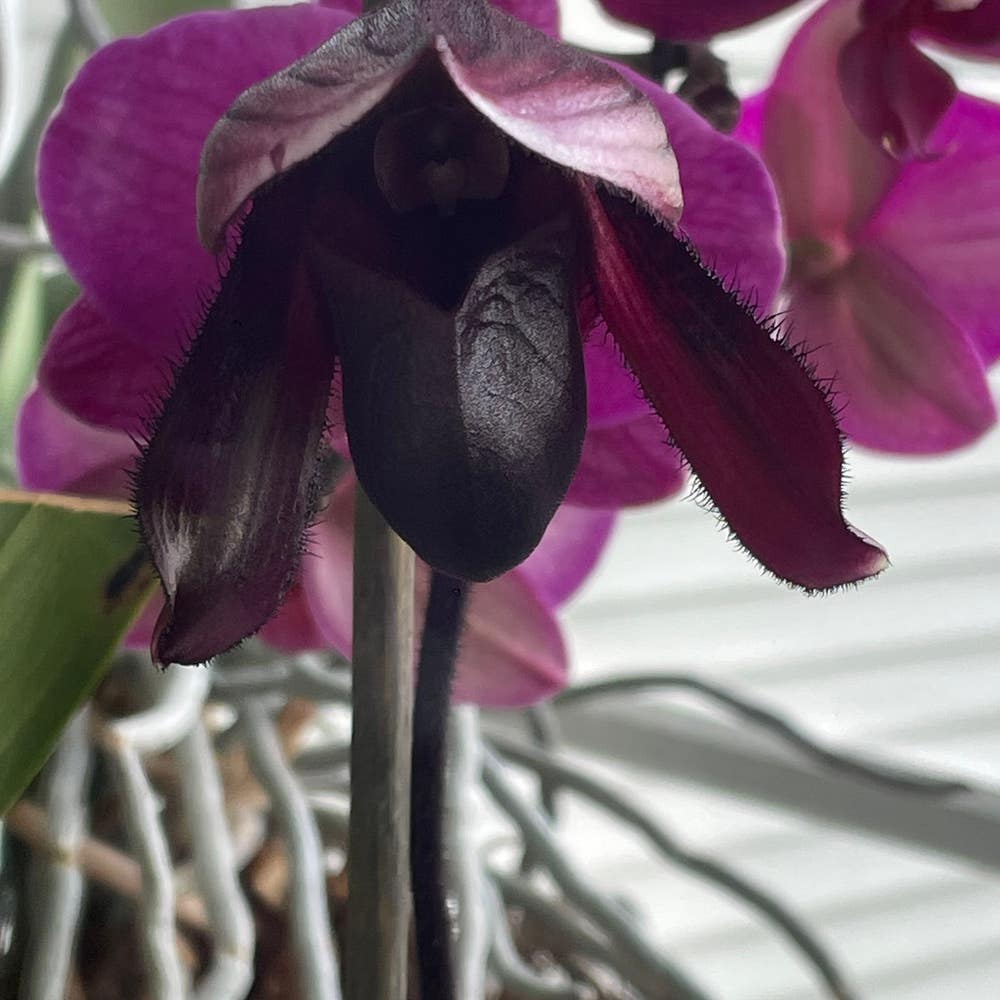
Encouraging your Callous Paphiopedilum to bloom involves a few key practices. First, provide optimal light and nutrients during the growing season to stimulate flower production.
Monitoring for Flower Spikes
Keep an eye on flower spikes as they develop. Ensure there are no obstructions and maintain humidity levels to support healthy growth. This attention to detail can lead to stunning blooms that showcase your care and dedication.
With these advanced techniques, you can elevate your orchid care game. Next, let’s explore common challenges and solutions to keep your plants thriving.
⚠️ Safety First
This content is for general information and may contain errors, omissions, or outdated details. It is not medical, veterinary advice, or an endorsement of therapeutic claims.
Always consult a qualified healthcare professional before using any plant as food, medicine, or supplement.
Never eat any plant (or feed one to pets) without confirming its identity with at least two trusted sources.
If you suspect poisoning, call Poison Control (800) 222-1222, the Pet Poison Helpline (800) 213-6680, or your local emergency service immediately.
Spotted an error? Please report it here.
Nurture your Callous Paphiopedilum to bloom beautifully 🌺 with Greg's custom watering alerts and care tips that ensure your orchid thrives in its perfect environment!