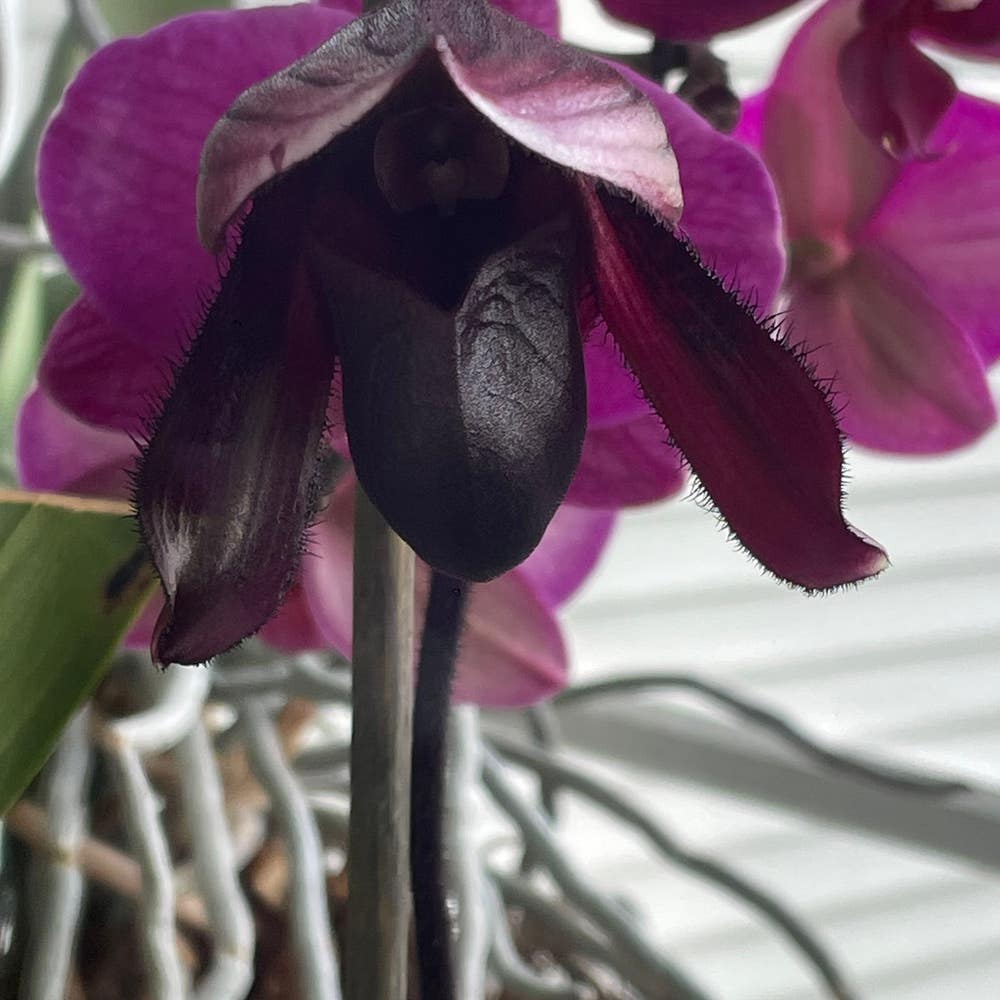
Why Is My Paphiopedilum callosum Dropping Leaves?
Paphiopedilum callosum
By the Greg Editorial Team
Mar 21, 2024•4 min read
This article was created with the help of AI so we can cover more plants for you. May contain errors. See one? Report it here.
Stop your beloved orchid's distress signal 🍂 by mastering the secrets to leaf retention and plant health.
- Abnormal leaf drop signals distress, look for discoloration and wilting.
- Balance water and environment to prevent leaves from dropping.
- Regular check-ups help catch and address leaf drop early.
Spotting the Trouble Signs
🚨 When Leaves Say Goodbye
In the life of a Paphiopedilum callosum, leaves will naturally part ways with the plant. It's the circle of life, plant-style. But when leaves drop like flies, it's time to play detective. Normal leaf drop is a rare event, happening gracefully and sparingly. Abnormal leaf drop? It's a chaotic scene, with leaves bailing out in droves, often from all parts of the plant.
🚨 The Tell-Tale Signs of Stress
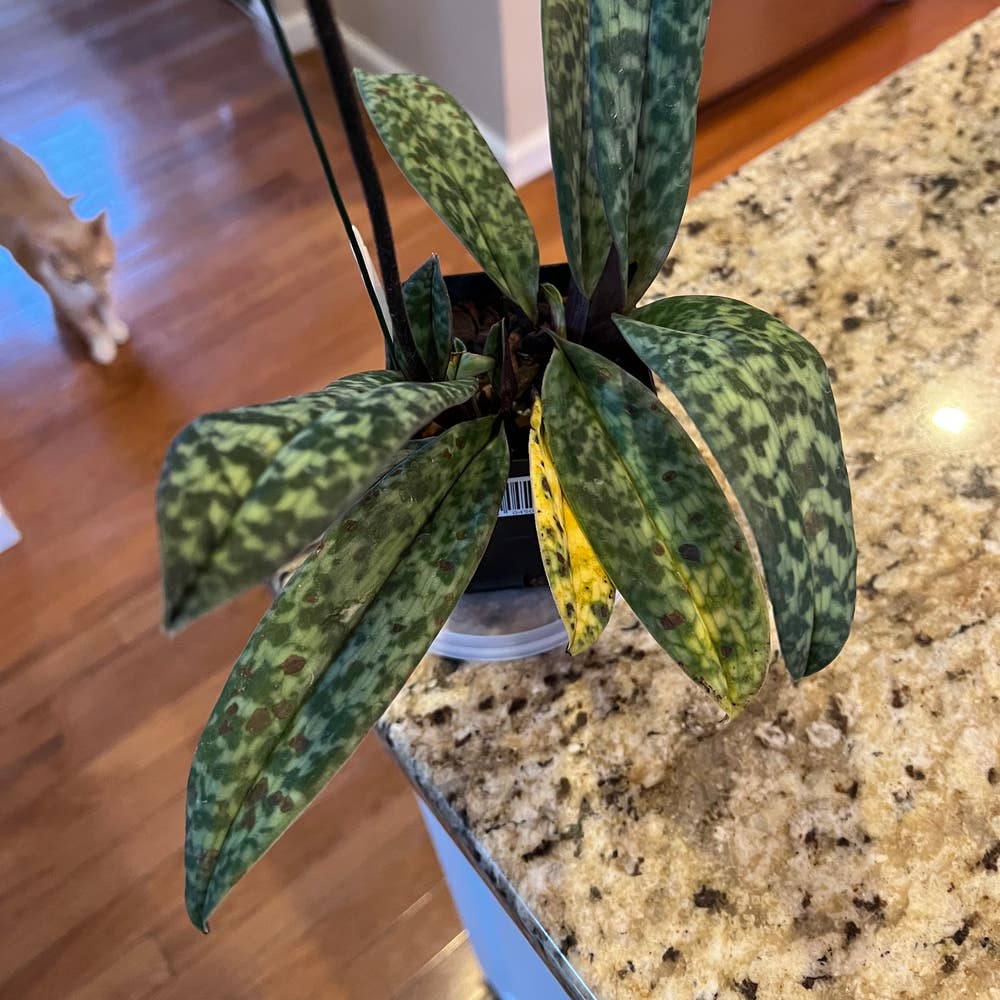
Discoloration is a red flag. It's like your plant is blushing with embarrassment or turning green with nausea—something's up. Spots on leaves are like blemishes on prom night; they stand out and suggest underlying issues. If your leaves are more spotted than a Dalmatian, it's a sign of distress. Keep an eye out for other SOS signals like wilting, yellowing, or browning leaves. These are the plant's way of waving a white flag. If leaves detach with a mere touch, they're not playing hard to get; they're in trouble.
The Usual Suspects: Common Causes of Leaf Dropping
💧 Too Much or Too Little H2O
Hydration is a delicate dance for your Paphiopedilum callosum. Overwatering turns roots into mushy messes, while underwatering leaves them parched. Strike the right balance with the soak-and-dry method: water thoroughly, then let the soil dry out before the next watering. Remember, the top inch of soil is your moisture meter—dry means go, damp means stop.
🌱 The Root of the Problem
Root health is the unsung hero of leaf retention. Poor drainage can suffocate roots, leading to leaf loss. Ensure your potting mix is airy, with a good blend of soil and materials like perlite. This setup mimics the plant's natural habitat, giving roots the breath of fresh air they crave.
🌡️ It's Not You, It's the Climate
Your room's climate can throw your plant into a temper tantrum. Temperature fluctuations and incorrect humidity levels are like a cold shoulder to your Paphiopedilum callosum. Aim for stable temperatures and moderate humidity—think tropical, not desert or rainforest. A pebble tray or humidifier can be your secret weapon against unwanted leaf drop.
First Aid for Fallen Leaves
🌱 Quick Fixes for Environmental Stress
Adjusting your care routine can be a game-changer for a Paphiopedilum callosum in distress. If your plant's soil feels like a swamp, it's time to hold off on the watering. Consider mixing in perlite for improved drainage and aeration.
💧 Watering Wisdom
When it comes to watering, it's all about rhythm and balance. Let the top inch of soil dry out before giving your plant another drink. This encourages strong root growth and prevents the dreaded leaf drop.
🌿 Happy Roots, Happy Plant
Repotting is like a spa day for your plant's roots. If they're peeking out of the pot or it's as crowded as a rush-hour train, it's time for a new home. Post-repotting, resist the urge to fertilize immediately; give your plant a few weeks to settle in. This patience will be rewarded with perky leaves.
Keeping Leaves on Lockdown: Prevention Strategies
🌿 Crafting the Perfect Environment
Creating a leaf-friendly zone is paramount to prevent your Paphiopedilum callosum from shedding its glory. Your mission: replicate its natural habitat. Full sun or light shade and a well-draining soil mix low on organic matter will do the trick. Think of it as setting the stage for a never-ending encore of healthy leaves.
Use gadgets like thermometers and hygrometers to monitor temperature and humidity. These aren't just fancy gadgets; they're your eyes when you're not around. Good air circulation is like an invisible shield, keeping fungal foes at bay. And remember, cleanliness is your plant's best friend—keep the area debris-free to deter pests and diseases.
👀 The Power of Observation
Observation is your secret weapon. It's not about giving your plant a passing glance but engaging with it like a hawk eyeing its prey. Regular check-ups are essential. Notice a slight change in leaf color or texture? It's your plant waving a red flag. Keeping a care log isn't overkill; it's the biography of your plant's life and health.
Engage with gardening communities or seek expert advice when you hit a snag. Sometimes, the collective wisdom of fellow plant enthusiasts is the lifeline your leafy friend needs. And when it comes to new plants, quarantine them like they're the latest gossip—until you're sure they're clean.
⚠️ Safety First
This content is for general information and may contain errors, omissions, or outdated details. It is not medical, veterinary advice, or an endorsement of therapeutic claims.
Always consult a qualified healthcare professional before using any plant as food, medicine, or supplement.
Never eat any plant (or feed one to pets) without confirming its identity with at least two trusted sources.
If you suspect poisoning, call Poison Control (800) 222-1222, the Pet Poison Helpline (800) 213-6680, or your local emergency service immediately.
Spotted an error? Please report it here.
Prevent leaf drop 🍂 in your Paphiopedilum callosum by using Greg to tailor your watering and care routine, ensuring a thriving and stress-free plant.