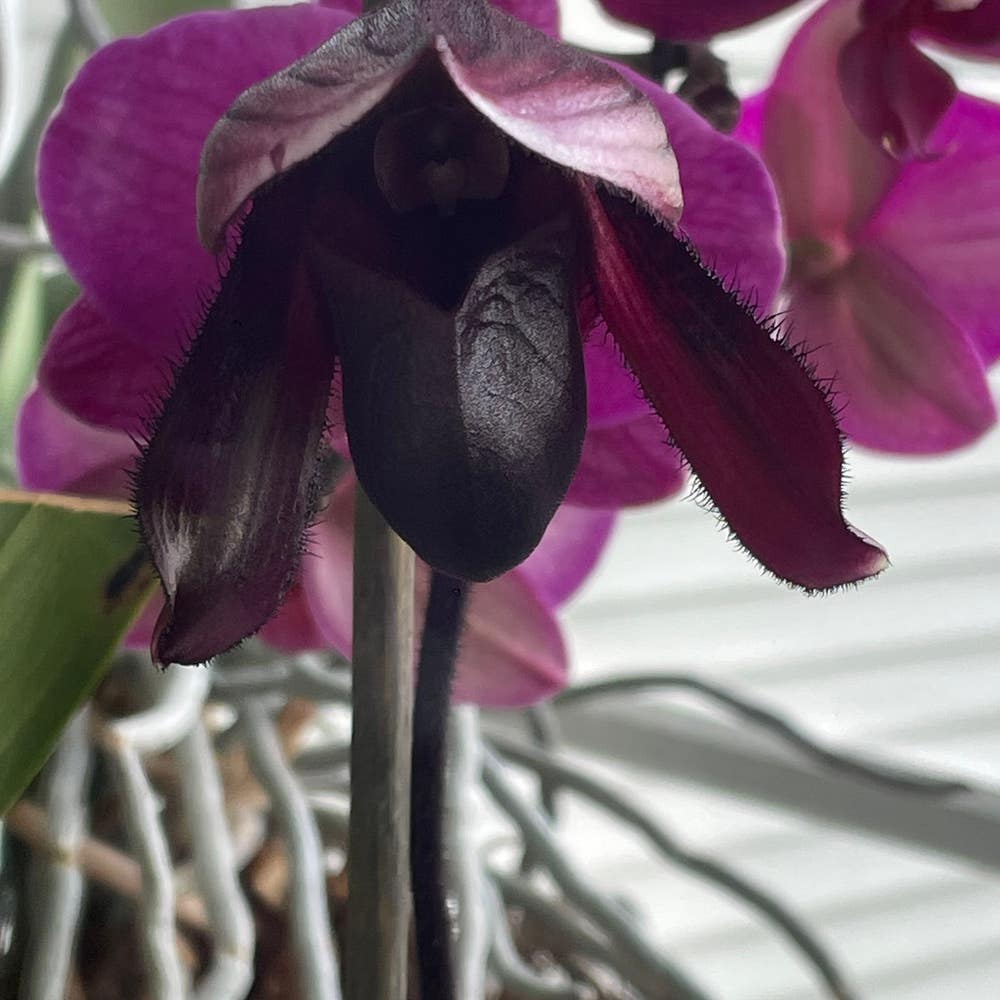
What Temperature Does My Paphiopedilum callosum Need?
Paphiopedilum callosum
By the Greg Editorial Team
Mar 21, 2024•5 min read
This article was created with the help of AI so we can cover more plants for you. May contain errors. See one? Report it here.
Discover the secret to a flourishing Paphiopedilum callosum by nailing its cozy 🌡️ tropical climate needs!
- Ideal range 75°F-85°F day/65°F-70°F night for Paphiopedilum callosum.
- Watch for crispy or mushy leaves to spot temperature distress.
- Prevent shock with stable temps; use thermometers for monitoring.
Nailing the Perfect Temperature Range
🌡️ Home Sweet Home: Mimicking the Paphiopedilum callosum's native warmth
Creating a cozy nook for your Paphiopedilum callosum means replicating its natural habitat. These orchids hail from warm, stable environments. To keep them thriving, think about their native climate and aim to emulate that warmth in your home.
🎯 The Goldilocks Zone: Pinpointing the ideal temperature range
Daytime temps should hover between 75°F to 85°F (24°C to 29°C), while at night, a slight dip to 65°F to 70°F (18°C to 21°C) is ideal. This range is the sweet spot, ensuring your Paph doesn't sweat or shiver.
🚫 Consistency is Key: The risks of temperature yo-yoing
Avoid placing your Paph near drafty windows or heat sources, as these can cause temperature fluctuations. Consistent conditions prevent stress, which can manifest as poor growth or lack of flowering. A stable environment is like a steady beat for the health of your orchid.
Spotting Trouble: Signs Your Paph is Feeling the Heat (or Chill)
🚨 Visual SOS: Recognizing the red flags of temperature distress
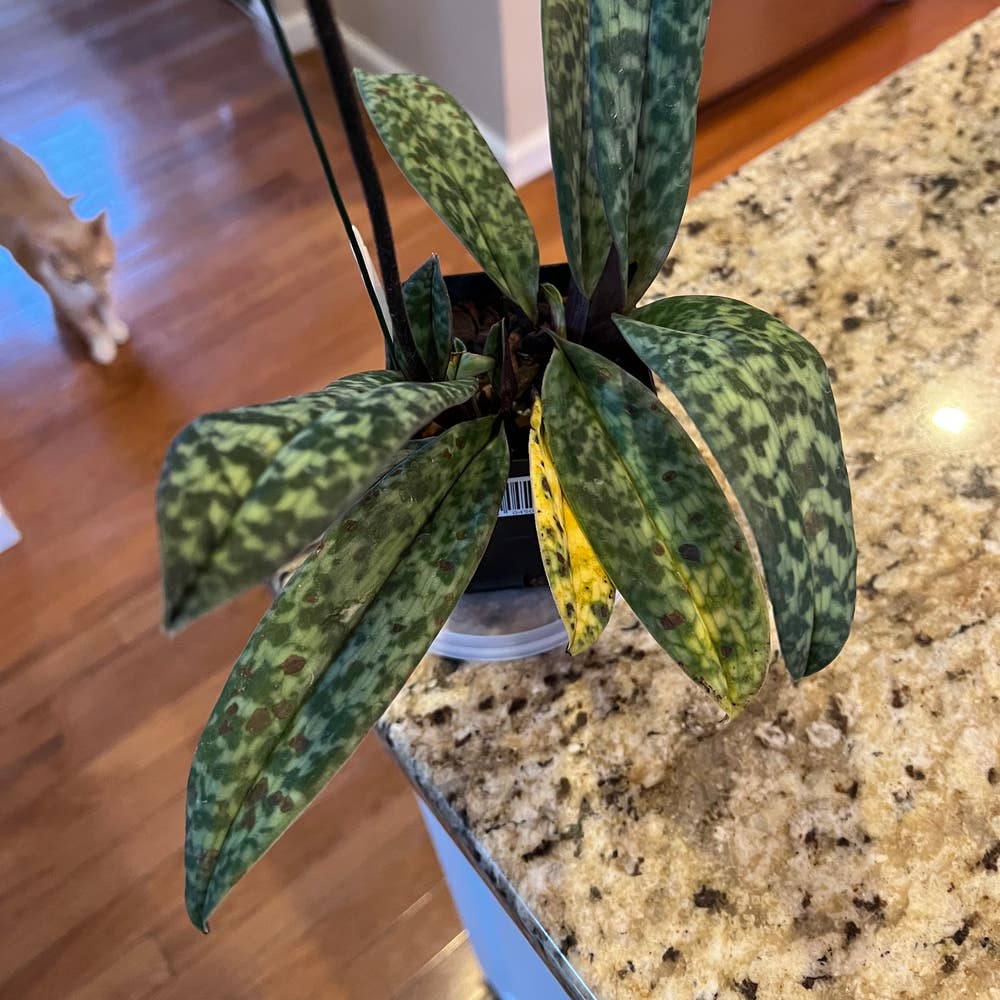
When your Paphiopedilum callosum starts looking like it's been on a rollercoaster of extreme climates, take note. Leaves that appear crispy or have taken on a discolored tan are crying out from too much heat. On the other end of the spectrum, leaves that seem mushy or overly soft are victims of the cold. These are visual distress signals that your orchid is not in its happy place.
📉 Growth Grinding to a Halt: What stunted development might mean
If your Paph's growth has slowed to a crawl, it's not just taking a breather—it's likely struggling with the temperature. Stunted growth is a silent but glaring sign that your plant is not comfortable. This could mean the environment is too chilly for its liking, or perhaps it's sweltering. Either way, it's a clear indication that the temperature needs to be adjusted to meet your Paph's preferences.
Keeping Your Cool: Preventing Temperature Stress
🌡️ Common Culprits: Identifying what throws off your Paph's comfort zone
Drafts and direct sunlight are the sneaky villains in the temperature tale of your Paphiopedilum callosum. These elements can transform a cozy nook into a hostile environment faster than you can say "photosynthesis." Keep your Paph away from air conditioning gusts and those deceptive sunbeams that can scorch its delicate leaves.
🛠️ Quick Fixes: Simple solutions to stabilize your plant's environment
Strategic placement is your first line of defense. If your Paph is shivering or sweating, move it to a more temperate spot. Think of your plant's pot as a personal climate bubble; you're aiming for a steady, comfortable atmosphere. In the face of a chill, consider a plant sweater—well, more like a bubble wrap cloak. And if the heat's on, create a microclimate that whispers "cool breeze" rather than "heat wave." Remember, your Paph's comfort zone is a stable zone.
When the Mercury Drops or Soars: Emergency Care for Temperature Extremes
🌡️ First Aid for Your Paph: Immediate steps to take when temperatures are off the charts
If your Paphiopedilum callosum is hit with a temperature extreme, act with urgency. Relocate the plant to a stable environment pronto. Prune damaged parts to prevent decay—think of it as plant triage.
Tools of the Trade
Thermometers are your best friends here. Use them to monitor the situation closely and adjust the plant's position or the room's temperature accordingly.
Quick Fixes
For a quick warm-up, bubble wrap or plant cloches work wonders. It's like swaddling your orchid in a thermal hug. Conversely, if it's too hot, create shade or move your Paph to a cooler spot.
🚑 Long-Term Recovery: Helping your plant bounce back from temperature trauma
After the immediate threat passes, it's all about recovery. Keep a close eye on your Paphiopedilum callosum as it bounces back. Adjust care routines, ensuring the plant has ample time to acclimatize to the new conditions.
💡 Lighting the Way to Recovery
Ensure your plant gets the right light—not too much, not too little. This helps with stress recovery without adding more temperature woes.
🚰 Hydration Station
Water your orchid more frequently if it's been through the heat—think of it as rehydrating after a fever. Less is more if it's been too cold; overwatering can lead to root rot, especially in a chilly substrate.
Remember, the goal is to get your Paphiopedilum callosum back to its comfort zone—where it's neither shivering nor sweating. Keep conditions consistent, and with time, your plant should return to its former glory.
Wrapping Up: Temperature Takeaways for Paphiopedilum callosum Care
🌡️ A Balancing Act: The temperature-humidity tightrope
Maintaining the right balance between temperature and humidity is crucial for your Paphiopedilum callosum. These orchids thrive in a stable environment where the warmth coexists with moderate humidity. Remember, a humidity level of 60-70% is ideal, but your Paph can still flourish with less, albeit more slowly. As temperatures increase, so should the humidity to prevent stress on the plant's roots and leaves.
🌬️ Final tips to keep your Paphiopedilum callosum cozy and content
Consistency is your best friend when it comes to temperature. Aim for a daytime range of 20-25°C and a slightly cooler night, around 13-14°C. This mimics the Paph's natural habitat and promotes healthy growth.
Avoid sudden temperature changes; they're the nemesis of Paphiopedilum callosum. Gradual transitions help prevent shock, which can manifest as stunted growth or leaf discoloration.
Monitor your plant's environment with a reliable thermometer and adjust as needed. If you're battling dry air, especially when temperatures soar above 25°C, consider a humidifier or grouping plants to create a supportive microclimate.
Lastly, watering should be adapted to temperature and humidity levels. Water moderately during active growth, but let the potting mix dry out a bit more when it's cooler or the air is more humid. This balance will keep your Paphiopedilum callosum not just surviving, but thriving.
⚠️ Safety First
This content is for general information and may contain errors, omissions, or outdated details. It is not medical, veterinary advice, or an endorsement of therapeutic claims.
Always consult a qualified healthcare professional before using any plant as food, medicine, or supplement.
Never eat any plant (or feed one to pets) without confirming its identity with at least two trusted sources.
If you suspect poisoning, call Poison Control (800) 222-1222, the Pet Poison Helpline (800) 213-6680, or your local emergency service immediately.
Spotted an error? Please report it here.
Keep your Paphiopedilum callosum cozy 🌡️ with Greg's environment tracking to ensure your orchid's habitat is always on point.