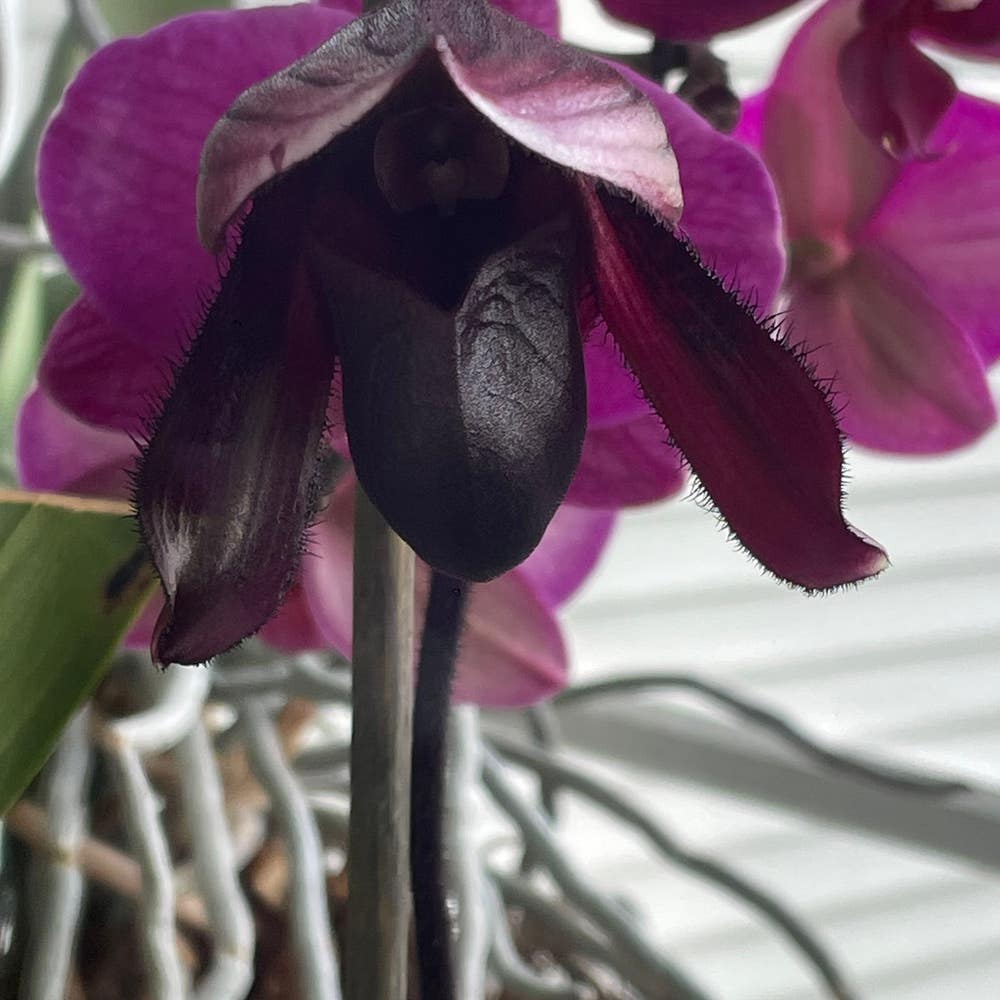
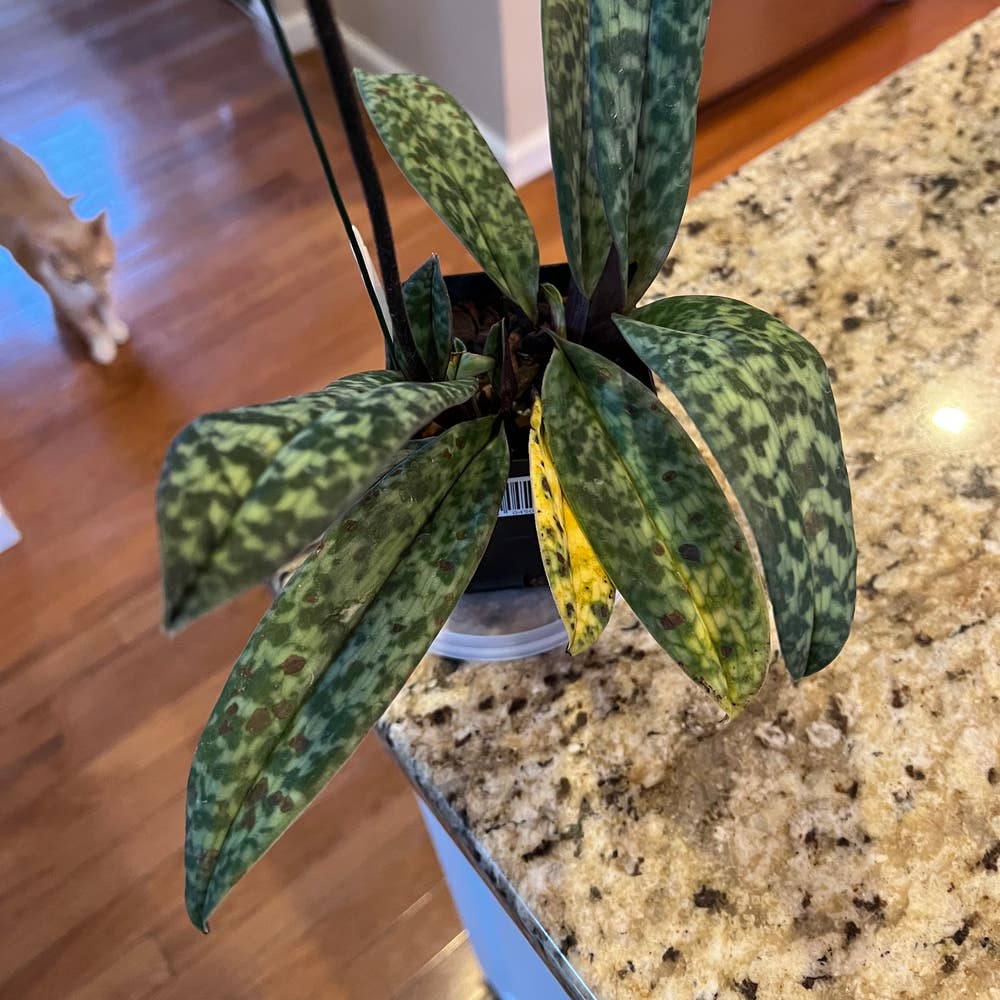
🌸 8 Perfect Pot Styles for Callous Paphiopedilum
Paphiopedilum callosum
By the Greg Editorial Team
Sep 29, 2024•5 min read
This article was created with the help of AI so we can cover more plants for you. May contain errors. See one? Report it here.
Unlock your plant's full potential 🌱 by mastering the art of choosing the perfect pot size and material!
- 🌱 Choose pot sizes wisely: 2-4 inches for seedlings, 6-8 inches for mature plants.
- 🏺 Clay pots promote breathability, while plastic pots are lightweight and easy to move.
- 🚫 Proper drainage is crucial to prevent root rot and ensure plant vitality.
Pot Sizes for Different Growth Stages
Recommended pot sizes for seedlings 🌱
For seedlings, the ideal container size is between 2 to 4 inches in diameter. Smaller pots help maintain moisture levels and encourage strong root establishment.
Ideal pot sizes for mature plants 🌳
When it comes to mature plants, a container size of 6 to 8 inches in diameter is recommended. Larger varieties may require even bigger pots to ensure stability and promote healthy growth.
Considerations for larger varieties 🏺
Larger pots not only provide ample space for root expansion but also help in maintaining the plant's balance. Choosing the right size is crucial for preventing tipping and ensuring your Paphiopedilum thrives.
Importance of pot size for stability and growth ⚖️
The right pot size plays a vital role in the overall health of your plant. A well-sized pot supports robust growth and minimizes stress, allowing your Callous Paphiopedilum to flourish.
As you consider pot sizes, remember that each stage of growth has its unique requirements. Next, we'll explore the materials best suited for your pots.
Materials for Pots
🌱 Benefits of Clay Pots
Clay pots are a popular choice for Callous Paphiopedilum due to their breathability. This allows for better moisture regulation, which is crucial for healthy root development.
Their weight also provides stability, especially for larger plants. This can prevent tipping and ensure your orchids remain upright and thriving.
🪴 Advantages of Plastic Pots
Plastic pots offer a lightweight alternative that’s easy to handle. They are particularly beneficial for those who frequently rearrange their plants or need to transport them.
Additionally, plastic pots are cost-effective and come in a variety of sizes. This makes them accessible for both novice and experienced growers.
🏺 Comparison of Other Materials
Ceramic pots are aesthetically pleasing, adding a decorative touch to your plant display. However, they can retain too much moisture, which may lead to root issues.
Wooden pots provide a natural look but require careful maintenance. Without proper care, they can rot, compromising the health of your plants.
Choosing the right pot material is essential for the well-being of your Callous Paphiopedilum. Each option has its pros and cons, so consider your specific needs and preferences.
As you explore potting options, remember that the right material can significantly impact your plant's health and growth. Transitioning to the next topic, let’s discuss the critical aspect of drainage considerations.
Drainage Considerations
Importance of drainage holes 🌧️
Drainage holes are crucial for preventing water accumulation, which can lead to root rot. Ideally, these holes should be about 1/4 inch in diameter and evenly spaced around the bottom of the pot for optimal drainage.
How drainage affects root health 🌱
Good drainage directly impacts nutrient uptake and overall plant vitality. Poor drainage can manifest as yellowing leaves and stunted growth, signaling that your plant is struggling.
Tips for ensuring proper drainage 💧
To enhance drainage, use an orchid potting mix with larger particles that promote airflow. Additionally, consider adding a layer of gravel or stones at the bottom of the pot to further improve drainage efficiency.
Ensuring proper drainage is essential for the health of your Callous Paphiopedilum. With the right potting conditions, your plants can thrive and flourish.
Repotting Callous Paphiopedilum
Signs that it’s time to repot 🌱
Recognizing when to repot your Callous Paphiopedilum is crucial for its health. Look for root crowding, where you can see roots growing out of the drainage holes, indicating that the plant has outgrown its current pot.
Another sign is the degradation of the potting media. If the mix appears compacted or discolored, it’s time for a change to ensure your plant thrives.
Step-by-step guide to repotting 🛠️
Repotting can seem daunting, but following these steps makes it manageable:
- Prepare the new pot: Ensure it has drainage holes and fill it with fresh potting mix.
- Remove the plant: Carefully take the plant out of its current pot, being gentle with the roots.
- Inspect the roots: Trim any damaged or dead roots to promote healthy growth.
- Position the plant: Place it in the new pot, ensuring it sits at the right height.
- Fill and water: Add potting mix around the plant and water lightly to settle the soil.
Choosing the right pot during repotting 🪴
Selecting the right pot is essential for your plant's ongoing health. Consider the size and material based on the plant's current health and growth stage.
Maintaining consistent potting conditions helps your Callous Paphiopedilum flourish. A well-chosen pot supports stability and encourages growth, making repotting a rewarding experience.
As you prepare to repot, keep in mind the common mistakes in pot selection that can impact your plant's vitality.
Common Mistakes in Pot Selection
Overpotting vs. Underpotting 🌱
Choosing the wrong pot size can be detrimental to your Callous Paphiopedilum. Overpotting leads to excess moisture retention, which can cause root rot, while underpotting results in stunted growth and nutrient deficiencies.
Misconceptions About Pot Materials 🏺
Many gardeners hold misconceptions about pot materials, particularly regarding plastic and clay. While clay pots are often seen as superior for their breathability, plastic pots can be just as effective when chosen wisely.
How Pot Choice Can Lead to Health Issues ⚠️
Poor pot selection can lead to a range of health problems for your plants. For instance, inadequate drainage can cause yellowing leaves and stunted growth, emphasizing the need to adapt your pot choice to the specific needs of Callous Paphiopedilum.
Importance of Adapting Pot Choice 🌿
Understanding the unique requirements of your plant is crucial. Selecting the right pot size and material not only supports healthy growth but also enhances the overall vitality of your Callous Paphiopedilum.
With these insights, you can avoid common pitfalls and ensure your plants thrive. Next, let’s explore the essential drainage considerations that will keep your orchids happy and healthy.
⚠️ Safety First
This content is for general information and may contain errors, omissions, or outdated details. It is not medical, veterinary advice, or an endorsement of therapeutic claims.
Always consult a qualified healthcare professional before using any plant as food, medicine, or supplement.
Never eat any plant (or feed one to pets) without confirming its identity with at least two trusted sources.
If you suspect poisoning, call Poison Control (800) 222-1222, the Pet Poison Helpline (800) 213-6680, or your local emergency service immediately.
Spotted an error? Please report it here.
Give your Callous Paphiopedilum the perfect pot 🌿 with Greg's tailored reminders and expert tips to keep your plant thriving in its ideal environment!